Categories
Health

This Powerful Obit Is Going Viral Thanks to It's Brutal Honesty About Opioid Addiction


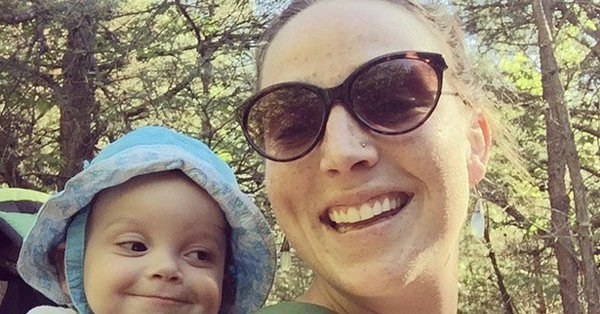
When Madelyn Linsenmeir, a 30-year-old Vermont mother died on October 7 as a result of an opioid addiction, her parents used their daughter’s obituary as a call to action for increased awareness of the disease that took their daughter’s life, while simultaneously showcasing who Linsenmeir was as a person—both because of and outside of her addiction.

Since being published earlier this week, the obit has gone viral, likely thanks to the fact that her family chronicled the start of her drug abuse, her subsequent addiction, and many attempts to overcome it. But they also honored the other attributes that defined her: the love she had for her son, her incredible singing voice, and how she charmed everyone she met.

“It is impossible to capture a person in an obituary, and especially someone whose adult life was largely defined by drug addiction. To some, Maddie was just a junkie—when they saw her addiction they stopped seeing her. And what a loss for them. Because Maddie was hilarious, and warm, and fearless, and resilient,” the obituary read.

Her parents ended the tribute by speaking directly to those who are struggling, as well as those who don’t understand their struggle: “If you yourself are struggling from addiction, know that every breath is a fresh start. Know that hundreds of thousands of families who have lost someone to this disease are praying and rooting for you. Know that we believe with all our hearts that you can and will make it. It is never too late.”

“If you are reading this with judgment, educate yourself about this disease, because that is what it is. It is not a choice or a weakness. And chances are very good that someone you know is struggling with it, and that person needs and deserves your empathy and support.”

In the wake of its publication, many have taken to Twitter to commend Linsenmeir’s family for their honest and heartbreaking portrayal of their daughter’s life, and the opioid crisis. Ivanka Trump wrote, “Profound admiration for the family members who wrote this raw, beautiful & devastating obituary. A generous act amid their pain & a wake up call to all as we battle, together as a nation, opioid addiction; a crisis of epic proportions. Rest In Peace Maddie.” Another Twitter user shared, “This is the most honest and devastating obituary you will ever read about a person who died from opioid addiction.” And another thanked Linsenmeir’s family, saying, “A beautiful, heart wrenching tribute to a woman who was a beloved daughter and mother, lost to addiction. And what a blessing this family is to educate us as they honor her.”

At least 31 women lose their lives to opioids daily, Glamour reported last year in a special look into the epidemic. And for those like Linsenmeir—who had been able to stop using for short periods of time—it typically takes repeated attempts to become drug-free. In the same report, Glamour spoke to 20 women in recovery for opioids, and almost all said that they relapsed between 10 and 20 times before getting sober. As David Fiellin, M.D., professor of medicine, emergency medicine, and public health at Yale University, put it, “Relapse rates after detox are over 80 percent within a year, and those individuals are also at high risk for overdose.”

Linsenmeir’s family’s fearless decision to publish such an honest account of their daughter’s addiction is another step in the right direction for people to understand this disease that, as of 2017, is the leading cause of death for Americans under age 50, by way of overdose.

If you or someone you know is struggling with opioids, learn more at shatterproof.org and find specific treatment options in your area on the Substance Abuse and Mental Health Services Administration‘s website.

Related Stories:

Women and Opioids: Inside the Deadliest Drug Epidemic in American History


Source link

Categories
Health

How Demi Lovato Is Changing the Conversation About Addiction in Hollywood


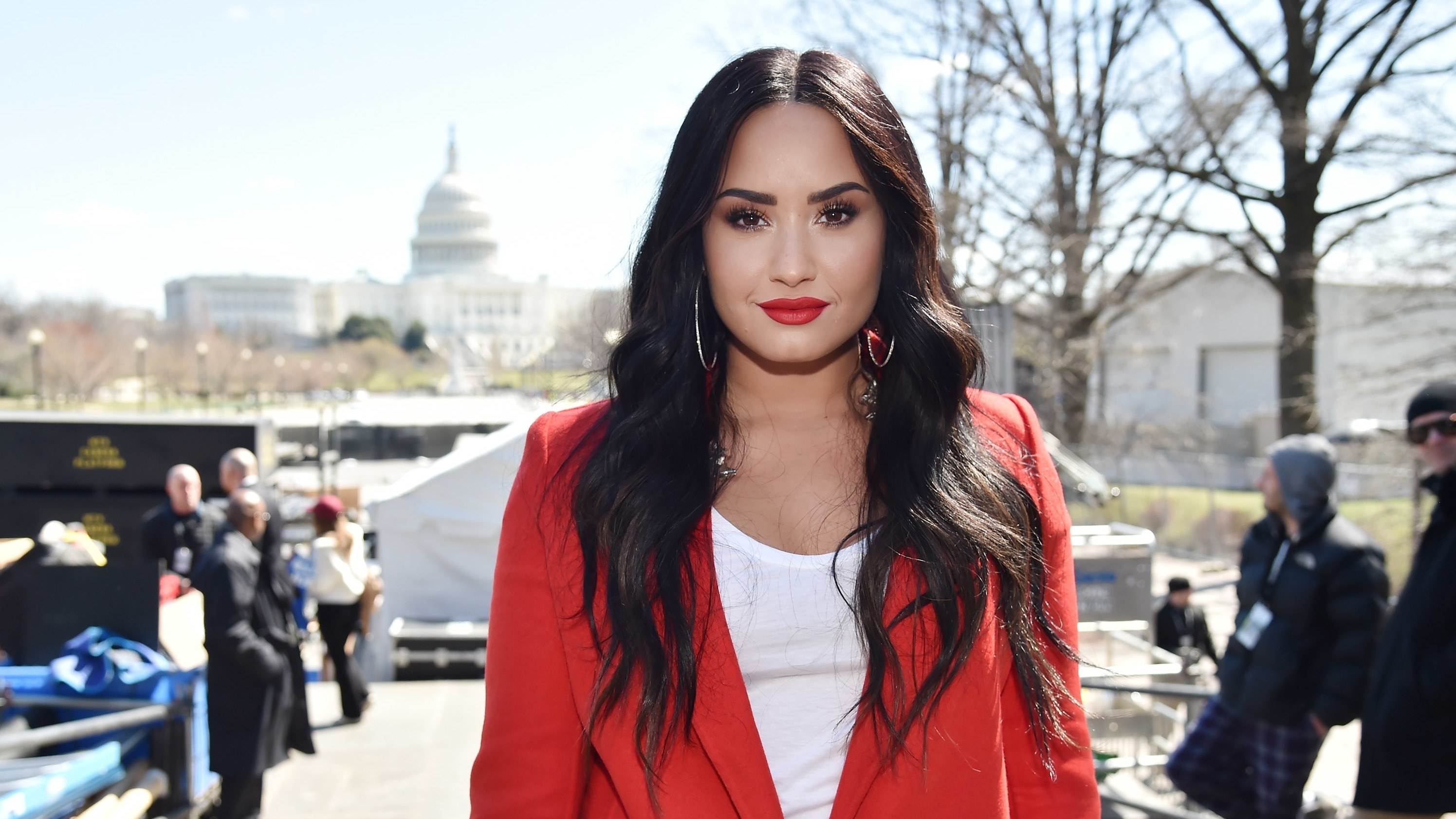
On Sunday Demi Lovato released a statement on her Instagram account addressing her relapse and recent hospitalization following a reported overdose. It was her first time speaking out since she was rushed to the hospital on July 24, and she characteristically didn’t hold back from talking about her addiction. “I have always been transparent about my journey with addiction,” she wrote. “What I’ve learned is that this illness is not something that disappears or fades with time.”

She added, “I now need time to heal and focus on my sobriety and road to recovery. The love you have all shown me will never be forgotten, and I look forward to the day where I can say I came out on the other side.”

Lovato also thanked God for keeping her “alive and well,” as well as her family, her team, and the hospital staff who were by her side. But most of all, she thanks her fans for their continued support. “I am forever grateful for all of your love and support throughout this past week and beyond,” she wrote. “Your positive thoughts and prayers have helped me navigate this difficult time.” There are over 250,000 comments on the post from well-wishing celebrities and Lovatics alike.

“Oh baby…sending you love,” Jennifer Lopez wrote. Paris Hilton said, “Love you so much sis.” Sam Smith, Hailey Baldwin, and Luis Fonsi also sent their love on Instagram. Over on Twitter Lady Gaga and the Jonas brothers were just a few celebrities who wrote heartfelt messages to Lovato. “We should all wrap our arms of love around Demi Lovato. I am so happy you’re alive,” Gaga wrote. Lili Reinhart said, “Praying for @ddlovato and her health. When I was 14, she was an idol to me in how she spoke so openly about mental health.”

This may not seem hugely significant to most—it’s natural for people to send thoughts and prayers after a hospital stay, right?—but as an addict myself, this feels like a turning point in how our society views addiction.

It wasn’t that long ago that Hollywood largely ignored or, worse yet, openly mocked famous female addicts. Women like Amy Winehouse, who died of alcohol poisoning in 2011, and Lindsay Lohan, who has been to rehab facilities several times, were largely painted as tragic figures and stereotypical “hot messes.”

Before Winehouse’s death, it wasn’t uncommon to see headlines like, “AMY ON CRACK” accompanied by a photo of her abusing drugs. Or, “Lindsay Lohan Is a Hot Mess Minus the Hot” following her fifth mugshot leaking to press. The story included this line, “This photo might just be the best deterrent for drug use I’ve ever seen.”

Back then, the conversations around addiction were largely based on the false assumption that it could be cured simply by having more willpower. People couldn’t understand why these women would “squander” their talent. But addiction is—and has always been—a disease.

When I first went into treatment, I was ashamed to admit to my loved ones what was happening. It took years of problematic drinking that steadily increased until I was blacking out almost every weekend. Eventually, I lost my dream job before I could admit that I had a problem. I was deeply ashamed, and it got worse when I relapsed five times after my stint in rehab.

But like Lovato, I couldn’t hide that I needed help again. A month before her relapse and hospitalization, Lovato released a new single, “Sober,” inwhich she admits to relapsing. It’s a powerful song, especially when she apologizes to family and fans for no longer being sober. When the song came out, I remember thinking how brave she was to admit all of this when so many of us addicts hide our relapse for as long as possible, fearing rejection from loved ones who may see it as weakness or be disappointed, in our disease and in us.

Lovato had just celebrated six years of sobriety, but here she was admitting to the world her truth. Her latest Instagram is just as powerful as she reminds us, “Illness is not something that disappears or fades with time. It’s something I must continue to overcome and have not done yet.”

The transparency about Lovato’s journey with addiction has shined a much-needed spotlight on addiction. Most of all, it’s finally changing the conversation. In the past, she might have been written off as a troubled party girl; now Lovato has brought awareness to the cycle of sobriety and relapse that all addicts face. She’s been an advocate for recovery, and her honesty has allowed Hollywood, and our culture, to slowly change.

There was a time, even just a couple of years ago, when I was going through early recovery, when massive support toward an addict was unthinkable. Now, though, it’s an open, honest conversation. “Sending love Demi,” wrote Macklemore in the comments of Lovato’s recent Instagram post. “I’ve relapsed many times. The recovery community has always welcomed me back with infinite love and support.”

But it’s not just the recovery community that’s sending infinite love and support. Her fans, famous and nonfamous, are recognizing the disease of addiction and standing by her. I wish I had known this kind of support was possible when I was going through my darkest time, but I’m glad to know it exists now. It’s precisely love and support that we addicts need in order to continue fighting against our disease.

Perhaps Lovato put it best: “The love you have all shown me will never be forgotten…I will keep fighting.”

Irina Gonzalez is a freelance writer, editor, and journalist based in Fort Myers, Florida.


Source link