Categories
Health

Domestic Violence Victims Aren't Safe Under Quarantine


Last August, a woman called a domestic violence hotline in Utah four times. She needed shelter so that she and her children could leave an abusive situation. But more than six months later, according to the National Network to End Domestic Violence (NNEDV), she is still living with that abuser, waiting to find a safe place to go.

Hers is not the outlier experience. For countless survivors, escaping an abuser takes time—both to work up the conviction and resources to flee and to secure at least some basic housing. But as the coronavirus spreads nationwide, victims are faced with an unprecedented complication. Public health officials and statewide leaders have communicated this in no uncertain terms: Don’t leave home.

Their guidance—urging Americans to stay inside their homes as much as possible—is meant to stem the disease’s spread. And it’s important counsel, keeping exposure to a minimum and therefore ensuring that more people remain uninfected. But for those experiencing domestic violence, recommendations meant to protect them could put them at risk of more abuse.

“The reality is home is not a safe place if you’re with an abusive partner,” says Kelly Starr, public affairs director with the Washington State Coalition Against Domestic Violence. “Isolation that provides us safety from the virus is isolation that can make an abusive situation more dangerous.”

Domestic violence is about power and control. One way to exert both is to keep a partner away from the rest of the world. “Isolation is a huge factor in somebody being able to gain and maintain power and control over another person,” Starr says. Abusers often cut off partners from their family and friends while controlling where they can go and when. Many of these same conditions are now being imposed by the coronavirus crisis, which requires people to stay inside and away from others as much as possible. Now abusers have “complete access to what someone is doing 24/7—that’s really dangerous for survivors,” she says.

“An abuser can use any tool to exert control over their victim, including a national health concern such as Covid-19,” says Deborah Vagins, president and CEO of NNEDV. “We’re definitely worried that [abuse] incidents will increase and that situations will become more dangerous.”

Gaining some distance can also help cool an abusive situation. But now there are “[fewer] options for separation and a pause between partners,” Starr says. “That can really escalate a situation that’s abusive into a more dangerous situation.”

With adults and children stuck at home, victims will have fewer opportunities to seek help. Even something as small as making a call to a hotline could become impossible in close, shared quarters. And while some victims will be able to turn to online chats or text message services, finding the private time to even formulate a plan or look into local resources is going to prove difficult.

Advocates all agree that coronavirus won’t cause domestic violence. A pandemic doesn’t force someone to become violent or abusive. But for those in a fraught situation, the crisis could increase the number of incidents or make them even more dangerous. With more people at home either doing remote work or out of a job, abusers will have more time on their hands. That can also increase violence. “It can really escalate the situation,” Starr says.

“I worry about an uptick in abuse for those who are already subjected to it,” Vagins says. “I worry about lethality going up.”

Nationwide, the realities of social distancing are setting in. But for this group, isolation is pronounced, and home isn’t a haven from danger—it’s ground zero for it.

“Domestic violence is already a really isolating experience for people,” notes Beth Hassett, CEO of WEAVE, a domestic violence and sexual assault services provider in Sacramento, California. Now everyone across the country is more disconnected than they usually are. “When you don’t have as much outside contact with other people,” Starr says, “you can feel really alone, and it can be more dangerous for survivors.”

Moreover, strict quarantine robs victims of access to other people who can validate their experiences. Abusers will often tell their partners that the abuse is their fault or that they’re the only ones experiencing it. “That makes you feel more stuck,” Starr says. “When you’re not talking to other people as much it gives it so much more weight and so much more power, and you feel so alone.”
Source link

Categories
Health

Here's Why Kate Middleton Says She and Prince William Aren't Having More Kids


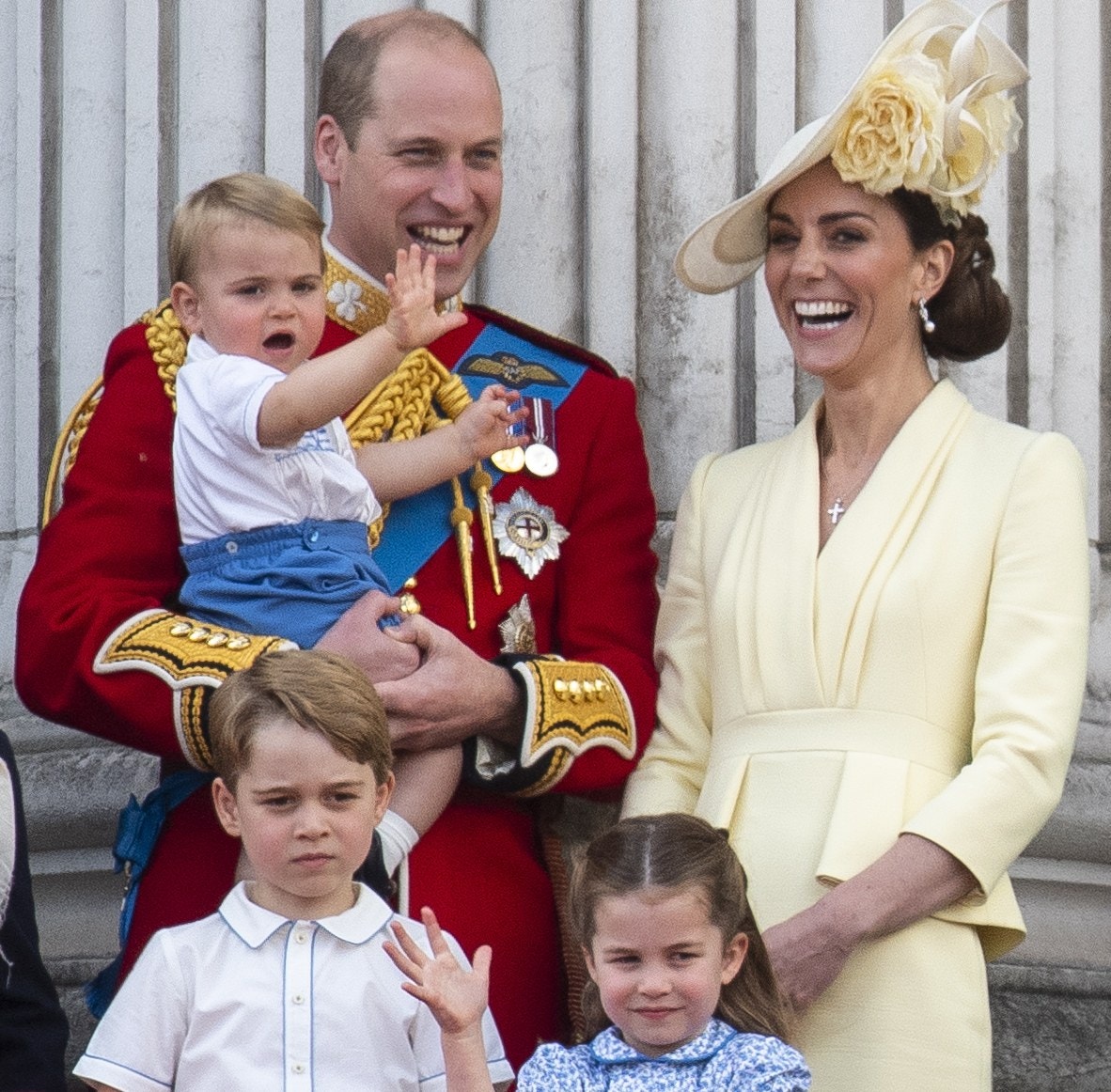
Kate Middleton and Prince William have their hands pretty full with their three adorable kids, Louis, George, and Charlotte (who looks so much like Prince William that he recently confused her baby picture for his). Still, people have often wondered if they might expand their family at any point, and tabloids have certainly had fun encouraging the idea. But Middleton spoke to a few members of the public while visiting Bradford this week, and reportedly put the rumors to rest by saying she and Prince William aren’t thinking about more kids.

Sources say Kate Middleton made the comment to a fan who asked if she and Prince William planned on adding any members to the family. “I don’t think William wants any more,” Middleton said, according to Hello! That seemingly puts an end to all the speculation—for now, at least.

Victoria Jones/PA Images via Getty Images

Of course, Middleton has said a few things that have made people wonder if she might possibly have more babies on her mind. Last year, about a year after giving birth to Louis, she was out in Northern Ireland and crossed paths with a five-month-old baby, who she allegedly cooed over and admitted, “Makes me very broody.” She also joked, “I think William might be slightly worried.”

But feeling “broody” is one thing and full-on planning is another, and it seems like the Cambridges are committed to being a family of five . Plus, they have a ton going on, between a packed schedule of royal engagements and helping to figure out complications in the Sussex separation. (Prince William was reportedly part of a meeting that the Queen convened earlier this week.) And in between it all, Middleton has reportedly said she wants the kids to spend more time with Archie. Now, hopefully people will stop asking these two if they want more kids.


Source link

Categories
Health

Meghan Markle and Prince Harry Aren't Spending Christmas With the Queen This Year


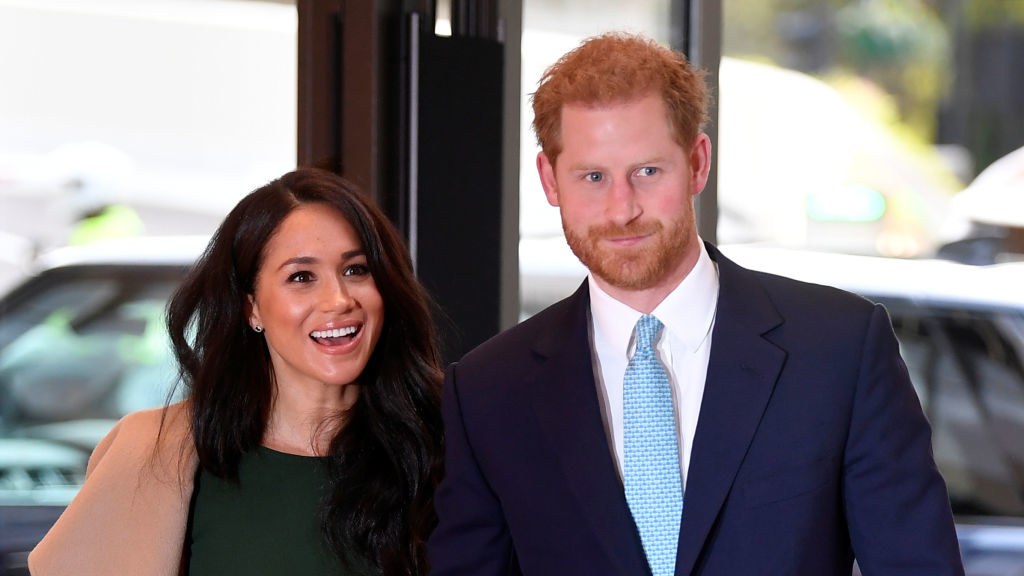
After Meghan Markle and Prince Harry opened up about the hardships of public life in a recent documentary, sources speculated that the couple was considering taking an extended family break. Now, it looks like that quality time is coinciding with the holidays: On Wednesday, a spokesperson for the Duke and Duchess of Sussex announced that Markle and Prince Harry won’t spend Christmas with Queen Elizabeth II this year; instead, they’ll be hanging out with their baby and Markle’s mother Doria Ragland.

Royal reporters tweeted a statement issued by the spokesperson that read, “The Duke and Duchess of Sussex are looking forward to extended family time towards the end of this month. Having spent the last two Christmases at Sandringham, [the couple] will spend the holiday this year, as a new family, with the Duchess’ mother Doria.” While people may try to spin this into drama about the rumored riff between Prince Harry and Prince William, or the media scrutiny Meghan Markle discussed, the spokesperson made sure to emphasize that this is totally within protocol and it’s been approved by the queen herself. “This decision is in line with precedent set previously by other members of the Royal Family, and has the support of Her Majesty The Queen,” she added.

It’s also worth remembering that it’s normal for the royals to spend Christmas away from Buckingham Palace. Prince William and Kate Middleton spent the holidays with Middleton’s parents in Bucklebury in 2012 and 2016, and as the statement reminds everyone, Markle and Prince Harry were at Sandringham the last couple of years. The message doesn’t specify where exactly the Sussexes will be, so it’s unclear if Ragland will come to the U.K. But we’re crossing our fingers that maybe this extended family time means Markle, Harry, and Archie will come stateside.


Source link

Categories
Health

10 Relationships in Romantic Comedies That Aren't Problematic, According to Experts


“It’s like watching attraction catch fire in slow motion—and the attraction is multi-faceted. They listen to each other, they make each other laugh, they learn about each other,” she tells Glamour. “The chemistry is palpable and yet it’s not all about physical attraction, and it all takes place practically in real time over the course of an evening.”

For Dr. Bonoir, this on-screen representation of romance is both accurate and dreamy. She notes that, in particular, it’s not the relationship itself that’s meant to be idolized, but how the love interests meet. It’s the active listening, respect, and attention paid to each other that’s so unusual and highly appreciated.

“They build off of what each other is saying,” she says. “They meet each other’s vulnerability with respect and care. They entrust each other with aspects of themselves. They show attentive body language. They prioritize each other’s feelings and preferences. They ask good questions of each other and truly listen to the answers.”

For Dr. Pamela B. Rutledge, Groundhog Day, While You Were Sleeping, Something’s Gotta Give, and Love, Simon all check out.

“[Groundhog Day] centers on the transformation of Bill Murray’s character from a self-focused and smug newscaster into someone who emerges as both lovable and admirable. This reinforces the importance of internal values over looks and other superficial attributes,” she explains.

Adds McRitchie, “On the surface, [Groundhog Day] might not look like your average run-of-the-mill rom-com, as it centers mainly on the male character and the changes he must make in life to be ‘worthy’ of the love of the woman he wants. Years later, it does not surprise me to realize that it is perhaps the closest a movie can come to encapsulating the therapy process: if you want change to happen, you have to be that change. There is no magic romance fairy waiting to wave her wand.”

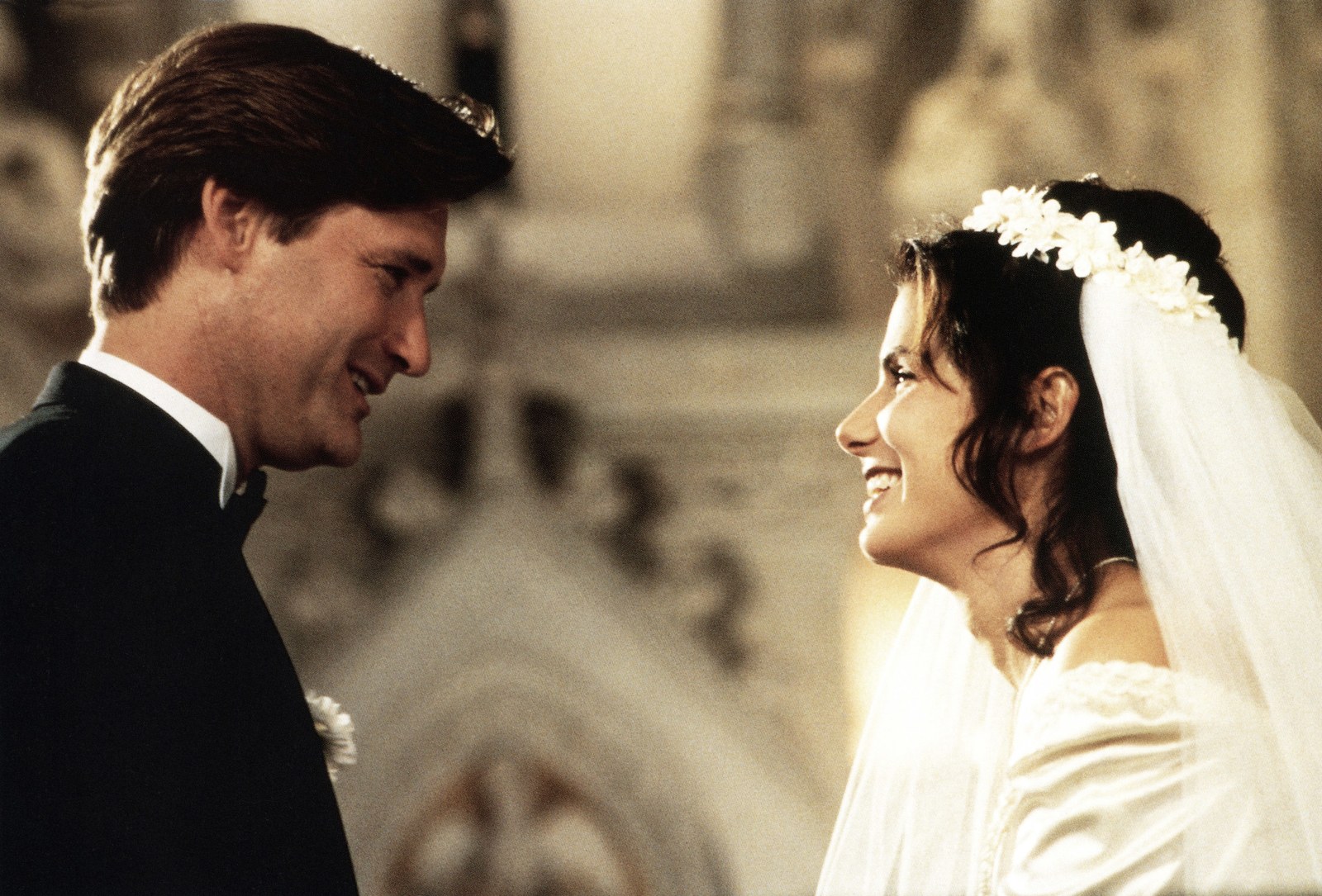
Bill Pullman and Sandra Bullock in While You Were Sleeping.

©Buena Vista Pictures/Courtesy Everett Collection

Meanwhile, Dr. Rutledge says While You Were Sleeping, with Sandra Bullock and Bill Pullman, “also underscores the importance of values⁠—humor, family, kindness—over superficial attractions with superb acting from the ensemble cast.” (It should be noted, though, that Bullock’s character in While You Were Sleeping does display some aspects of an unhealthy obsession. She lies about being the fiancée of a man in a coma, and the plot of the film snowballs from there.)


Source link

Categories
Health

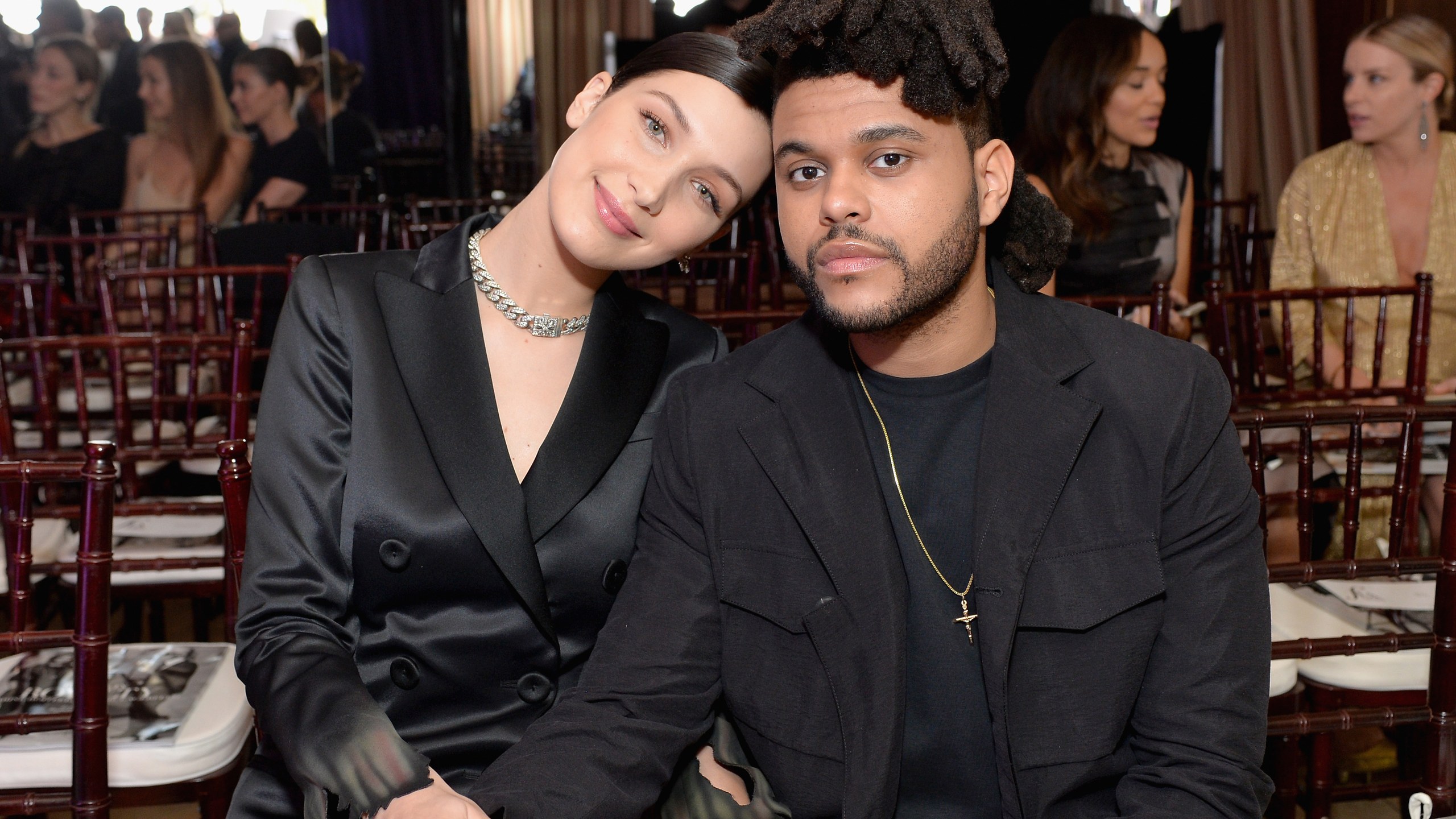
Bella Hadid and The Weeknd Aren't Getting Back Together After All


Bella Hadid and The Weeknd’s on-again, off-again relationship had been settled in the off category for over two months. Then on Friday, E! News reported that Hadid and The Weeknd (née Abel Tesfaye) were back together because The Weeknd joined Hadid’s family and friends in New York City to celebrate her 23rd birthday. That’s proof they’ve reconciled, right?

Wrong. The former couple may have been seen sharing tequila shots and talking at the bar, but there wasn’t much going on beneath the surface. Before speculation about a reconciliation could pick up steam, The Weeknd’s rep set the record straight. The two did hang out on Hadid’s birthday, but they’re not dating. “They just attended as friends,” The Weeknd’s rep told People.

The Weeknd also chimed in to squash rumors that he and the supermodel were dating with a few veiled posts on his Instagram, People adds. “Imagine obsessing over someone’s relationship that u don’t know sh*t about,” he captioned one post.

Hadid’s birthday celebration had more going on than a speculation-spawning reunion with her former boyfriend. She rang in 23 surrounded by siblings Gigi and Anwar Hadid, plus celebrity friends like Lily Rose Depp and Dua Lipa. Hadid shared a few shots from the party on her Instagram, posing with a white rose and hugging Depp.

Hadid and The Weeknd reportedly started dating for a second time after reconnecting at Coachella in 2018. Fans of the couple looked on as they shared matching outfits and Instagram stories until they broke up in August. “They are in different places right now, physically and mentally,” a source shared with E! News following the late-summer split.


Source link

Categories
Health

Good Sex Matters—And Too Many Women Aren't Having It


For the past several weeks, whenever anyone—friends, parents, my therapist, in-laws—asks me which topics I’m working on these days at Glamour, I’ve taken a deep breath, looked them in the eye, and said: female pleasure.

There’s been a lot of awkward silences.

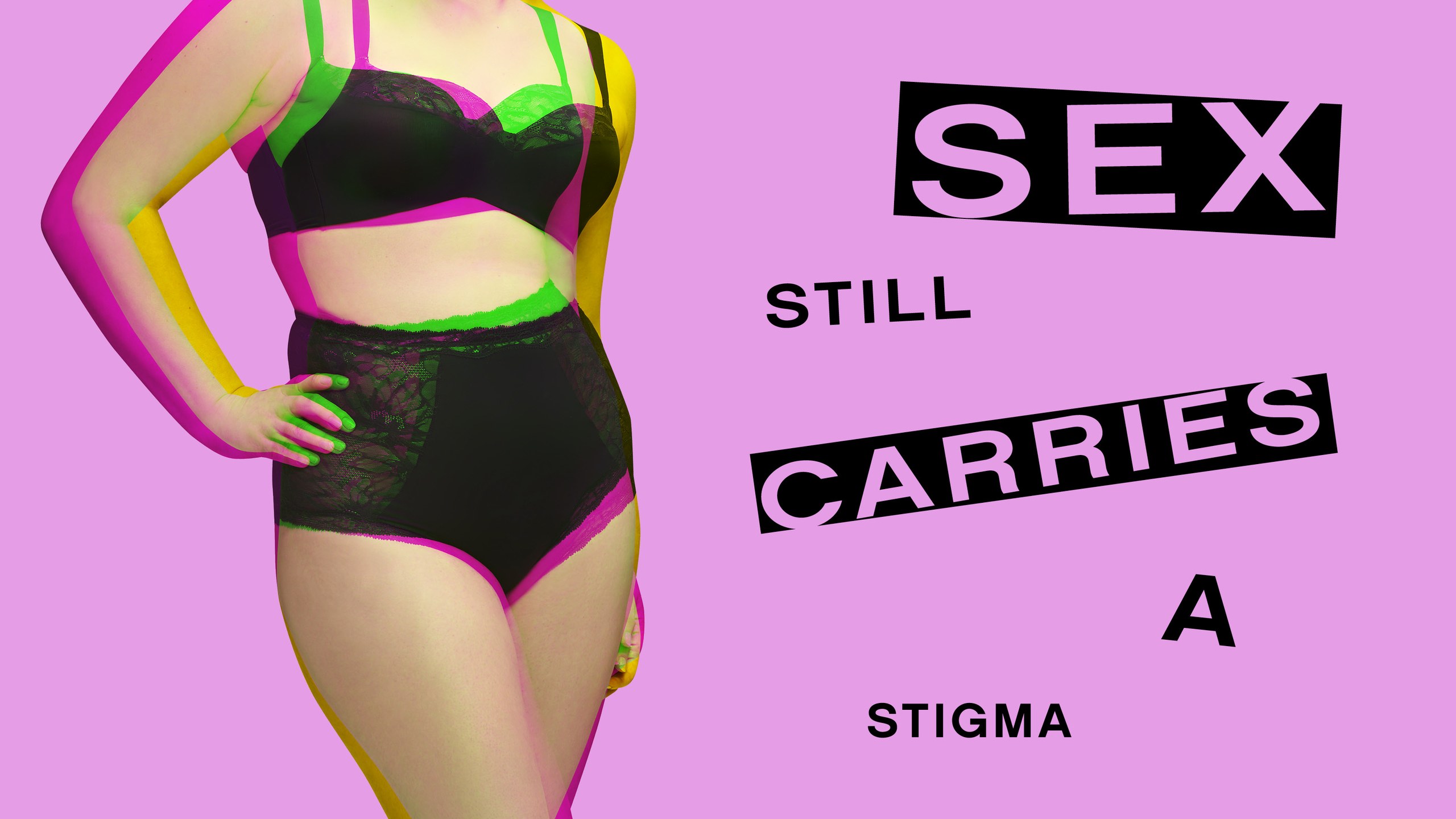
We’re more sex positive than ever as a culture. But we still haven’t erased some fundamental truths: women’s bodies are still policed, sex education is still lacking, and talking about sex still carries a stigma. “We have never, ever, in the entire history of the world, been enabled to bring the female lens to bear on sexuality, and the world is a poorer place for it,” says Cindy Gallop, founder of Make Love Not Porn.

“Female pleasure really is considered less of a priority,” says Jennifer Wider, M.D., women’s health expert and partner of sexual wellness brand K-Y. (The first systematic mapping of pleasure in the female brain didn’t occur until 2011—decades behind the scientific study of men’s sexual pleasure.) Cue the countless headlines about the orgasm gap—a term which sums up the chasm several studies have found between the number of orgasms women and men in heterosexual relationships have. But the gap goes beyond the bedroom. Even in an era where porn stars make political headlines, female pleasure is conspicuously absent from the conversation. Even in places where sexual wellness should be right on the top of the list of discussion topics. “When we go to the gynecologist, we’re asked, ‘Are you sexually active? Do you want birth control? And do you want to be tested for STDs?’ says Cindy Eckert, CEO of Sprout Pharmaceuticals and the woman behind female sexual desire drug Addyi. Rarely does whether or not you actually enjoy your sex life ever come up.

The stigmas surrounding women and sex—and especially good sex—run deep. So deep that the very idea of what it means to have good sex is murky, filtered by unrealistic portrayals of women on screen who who often orgasm seductively after five seconds of penetration.

The real definition of good sex is simpler, and so much more complex all at the same time. “Good sex is sex that makes you feel great,” says Gallop. “I don’t mean as in ‘Oh, you just had a phenomenal orgasm and you feel great about that.’ What I mean is literally how comfortable you feel in your sexual skin. I’m talking about feeling at one with yourself as a sexual being, feeling perfectly at ease with how you express yourself sexually, feeling accepted in every possible respect, and therefore feeling really great about sex and all its manifestations.”

Good sex, in other words, is sex that makes you feel like Beyoncé. “There is no objective, outside measure of that at all,” Gallop says. “There is no formula. There is no rule book.”

This is not about about ways to get your partner to better satisfy you in bed (though women’s magazines, including Glamour, have certainly filled the internet with countless articles on that). This is about women owning their own pleasure—partner or no partner. It’s about putting an end to the taboo that makes talking about something as intimate as your pubic hair grooming practices fair game over drinks with your friends, but talking about your favorite masturbation techniques feel cringey.

The pleasure gap and leaves women with a literal deficit. “I can’t tell you how many women I’ve seen over the years—brilliant women, successful women, women who have achieved anything and everything—who are bankrupt in their relationship to themselves and their bodies,” says Nan Wise, Ph.D., a certified sex therapist, cognitive neuroscientist who studies pleasure in the female brain, and author of the aptly named book Why Good Sex Matters. “Good sex is about enjoying the experience. Good sex is about a pleasurable connection with yourself.”

The Power of Good Sex

The ripple effects of that are powerful—like self-care on steroids. “I think as we become educated consumers of our own bodies, we become better citizens: more connected, more powerful, more empowered,” says Wise. “Who we are sexually is an absolute fundamental driver of everything to do with how we feel about ourselves, how we feel about other people, our relationships, our life, our happiness,” echoes Gallop.


Source link