Categories
Health

Should We Be Wearing Gloves for Coronavirus Protection? Experts Explain


The protective equipment you should really be focusing on, the experts say, is masks. “These are actually quite critical, and more so than gloves,” He says. “A widespread mask policy will become increasingly important as we try to transition from social distancing to a more normal semblance of society. It will be critical to wear masks when we go out to ensure we are not infecting others if we’re not even aware we’re infected. Wearing masks ensures that we keep essential workers to minimal exposure to ourselves when we go out. Gloves do not really have that same effect.”

If you do buy reusable gloves, are you taking them away from health care workers?

“Demand is unprecedented at this time, as every country is having issues with COVID and thus need PPE all at the same time,” says He. “It’s the classic ‘toilet paper problem,”meaning that when everyone scrambles to buy something at the same time, it runs out. The supply chain—i.e., the system of companies that use materials to make things like gloves and masks—breaks down.

This problem is putting essential workers in danger. “I have heard from nurses all over the country that they have been reduced to one surgical mask per shift, or even worse, per week,” Norton says. “New York City nurses are literally wearing garbage bags because they are out of protective gowns. Nurses in Michigan are out of Tylenol. This is not a joke—this is happening, and the United States needs to do better.” Grocery store workers, delivery people, and others who are on the front lines are also at greater physical risk if they don’t have access to appropriate PPE.

So is there a moral obligation to avoid buying gloves, or to donate any extra gloves that you own? “It depends,” says He. “Nitrile gloves are very useful for health care workers, but also grocery store workers, nursing home members, people who work closely with high-risk populations like homeless shelters or jails and prisons. We can’t forget these places, or COVID will spread. So I do usually advocate for these places to get the disposable gloves.”

If you do buy reusable gloves, the key, He says, is for people to “buy and use what they need.” The worst thing you could do is to hoard PPE.

Okay, but what if I will just feel better if I wear gloves?

If you do choose to wear gloves, there are best practices, according to the CDC guidelines for health care workers (you can also apply these tips to the reusable gloves that He recommends):

  • Gloves should be the very last thing you put on.

  • Gloves should fit snug around the wrist.

  • Take them off if they are torn.

  • Never wash or reuse disposable gloves.

CDC

The CDC’s guidelines for healthcare workers, for properly removing gloves

Generally, you need to treat your gloved hands as you would your ungloved hands—know that every time you touch something with gloved hands, like your cell phone or your car door, you may be using contaminated hands. And of course, you need to wash your hands after using gloves.

I’ve been seeing gloves everywhere…on the ground.

If you do decide to wear gloves, and you take them off before touching another thing to avoid spreading germs, that’s great! If you take them off and throw them directly on the ground in a public space, that’s litter!

Highly populated areas are reporting a huge uptick in street trash in the form of disposable gloves that are being thrown on the ground. If you do that, you’re not helping keep yourself safe—you’re just littering, and potentially endangering sanitation workers.

If essential workers can risk their lives to keep us safe and healthy, we can do the brave, selfless, heroic thing…and throw our trash in the trash can.

Jenny Singer is a staff writer for Glamour. You can follow her on Twitter.



Source link

Categories
Health

They Didn't Find Love on The Bachelor. Now They're Relationship Experts.


For Bachelor alum Taylor Nolan, it took getting off the franchise to find her voice. “I’m someone with strong opinions who isn’t scared of speaking her mind,” she says. But she found herself changing on the show. “I was heavily filtering what I was saying out of fear of backlash, out of fear of only half of what I was saying getting aired.” So Nolan uses her podcast, Let’s Talk About It, to speak openly about her dating life and mental health. “As long as one person benefits from something that my guest shared or something that I shared, that’s perfect,” she says. “There’s a lot of connection in shared pain.”

That extends to Instagram, too. When Nolan was still engaged to fellow Bachelor in Paradise contestant Derek Peth—they’ve since broken up—she made an effort not to post happy couple-y photos when things weren’t, in fact, so happy. “Our relationship was so highly romanticized on a reality TV show,” she explains. “Not posting those shiny, romantic photos when shit wasn’t actually good was fighting against some of that pressure.”

Instagram is fast becoming a cesspool of anxiety for contestants, making outlets like podcasts all the more appealing. “You get all this fame, overnight, and you’re riding this super-high high, and then the next season comes along and you lose hundreds of thousands of followers,” Gates says. “It does something to your self-worth.” The future of the post-Bachelor world, she thinks, lies beyond perfectly curated posts. “Fans don’t want the edits in photos, they want to see you as a person, which explains the rise of video, TikTok, people doing podcasts. I think everyone is craving authenticity.”

When Unglert launched Help! I Suck At Dating, he was more than happy to serve up said authenticity but was under no illusion that he had any expertise to offer. Fresh off a disastrous Bachelor in Paradise season in which he juggled two women, he had viewers call in and give him love advice. Fast forward two years: He’s graduated from the Bachelor franchise, in a committed relationship, and surprised to find that he’s become an unexpected resource for matters of the heart (something, he notes, wouldn’t have happened in “a million years” had he not gone through the show).

“I have a lot of friends who have started confiding in me a lot more for dating advice, which I think is really funny,” Unglert says, adding cheerfully, “I always preface everything by saying, ‘Look, obviously I don’t know anything I’m saying. But I think this is what you should do…’”

Thea Glassman is a freelance entertainment writer, with bylines in The New York Times, The Hollywood Reporter, Vanity Fair, and VICE. Find her on Twitter @theakglassman.


Source link

Categories
Health

10 Relationships in Romantic Comedies That Aren't Problematic, According to Experts


“It’s like watching attraction catch fire in slow motion—and the attraction is multi-faceted. They listen to each other, they make each other laugh, they learn about each other,” she tells Glamour. “The chemistry is palpable and yet it’s not all about physical attraction, and it all takes place practically in real time over the course of an evening.”

For Dr. Bonoir, this on-screen representation of romance is both accurate and dreamy. She notes that, in particular, it’s not the relationship itself that’s meant to be idolized, but how the love interests meet. It’s the active listening, respect, and attention paid to each other that’s so unusual and highly appreciated.

“They build off of what each other is saying,” she says. “They meet each other’s vulnerability with respect and care. They entrust each other with aspects of themselves. They show attentive body language. They prioritize each other’s feelings and preferences. They ask good questions of each other and truly listen to the answers.”

For Dr. Pamela B. Rutledge, Groundhog Day, While You Were Sleeping, Something’s Gotta Give, and Love, Simon all check out.

“[Groundhog Day] centers on the transformation of Bill Murray’s character from a self-focused and smug newscaster into someone who emerges as both lovable and admirable. This reinforces the importance of internal values over looks and other superficial attributes,” she explains.

Adds McRitchie, “On the surface, [Groundhog Day] might not look like your average run-of-the-mill rom-com, as it centers mainly on the male character and the changes he must make in life to be ‘worthy’ of the love of the woman he wants. Years later, it does not surprise me to realize that it is perhaps the closest a movie can come to encapsulating the therapy process: if you want change to happen, you have to be that change. There is no magic romance fairy waiting to wave her wand.”

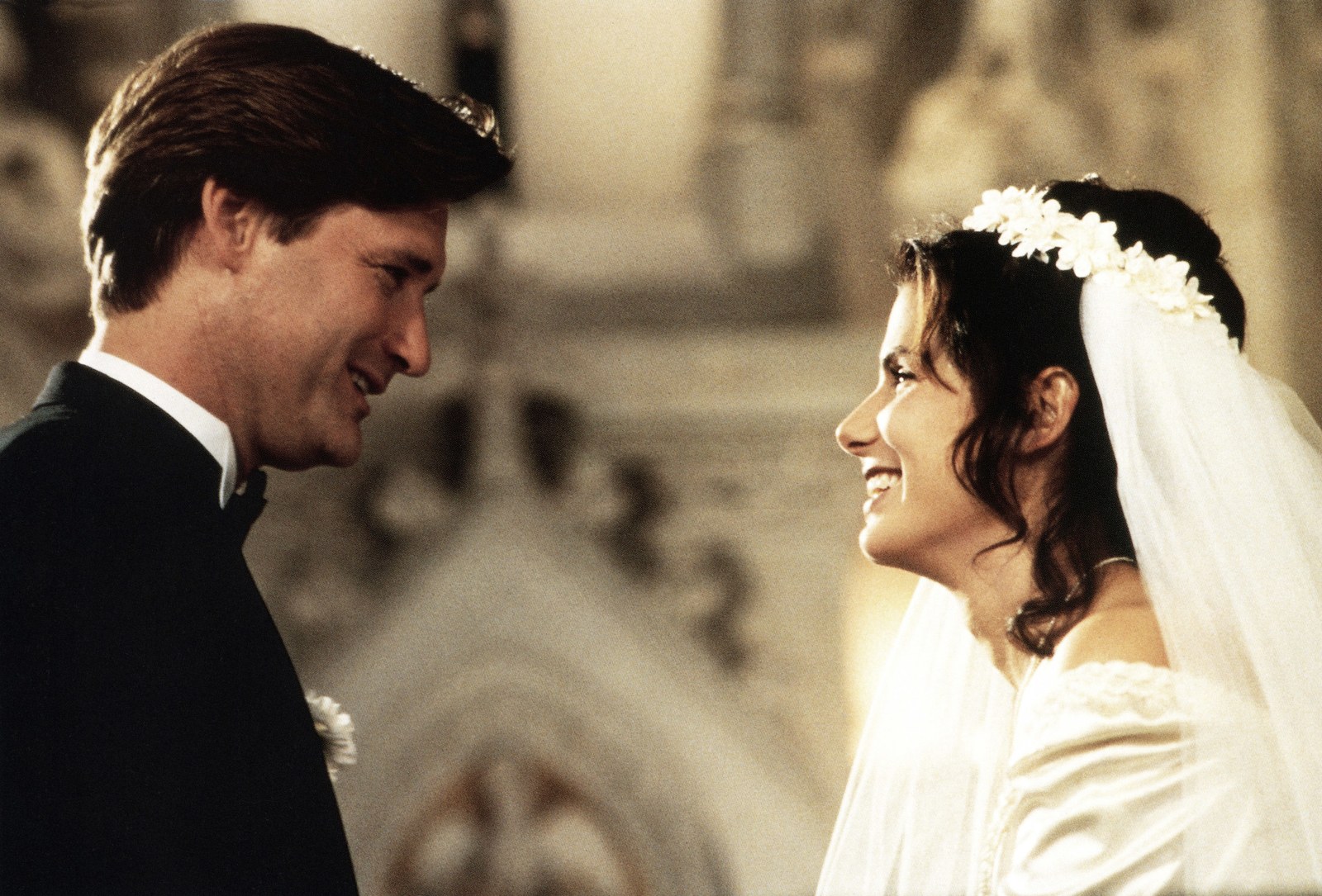
Bill Pullman and Sandra Bullock in While You Were Sleeping.

©Buena Vista Pictures/Courtesy Everett Collection

Meanwhile, Dr. Rutledge says While You Were Sleeping, with Sandra Bullock and Bill Pullman, “also underscores the importance of values⁠—humor, family, kindness—over superficial attractions with superb acting from the ensemble cast.” (It should be noted, though, that Bullock’s character in While You Were Sleeping does display some aspects of an unhealthy obsession. She lies about being the fiancée of a man in a coma, and the plot of the film snowballs from there.)


Source link

Categories
Health

How to Deal With Difficult People, According to Khloe Kardashian's Former Assistant and Other Unlikely Experts


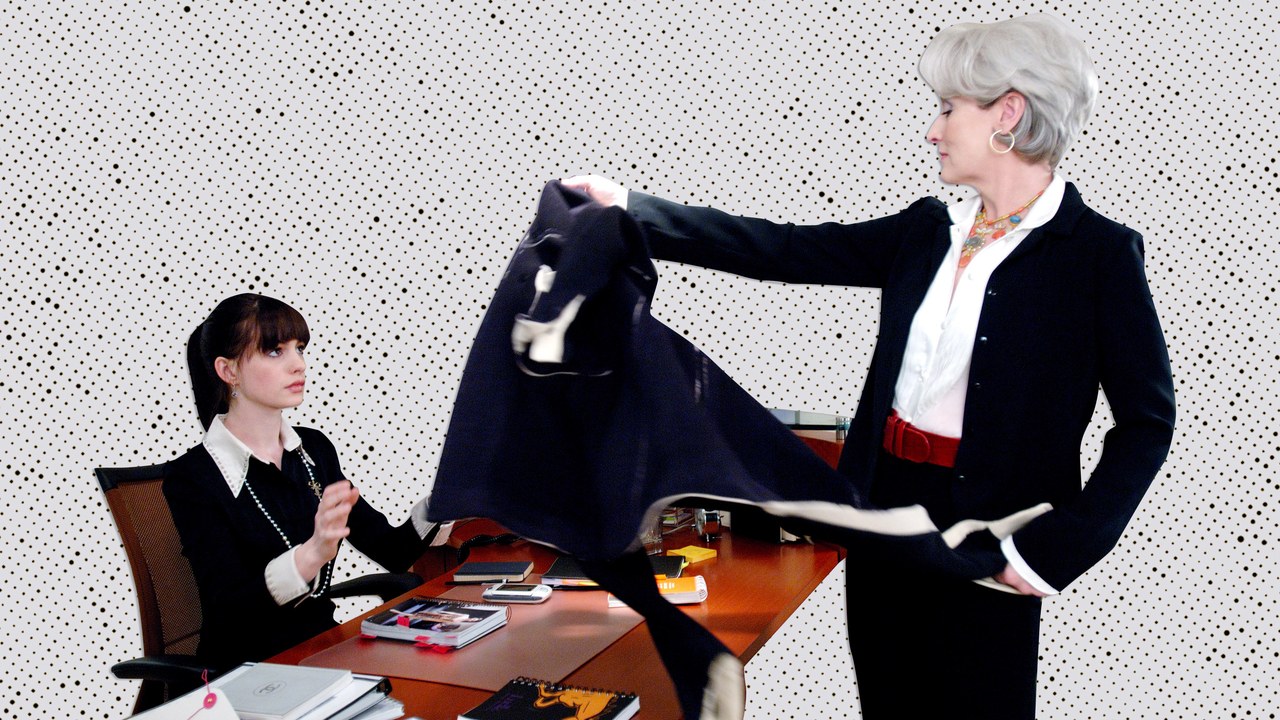
This summer Netflix released the most honest film about what it’s like to work for a horrible boss since, well, Horrible Bosses. The beloved romcom Set It Up. tells the tale of Harper (Zoey Deutch), who is the assistant to Kirsten (Lucy Liu), a high-powered media impresario in the vein of The Devil Wears Prada‘s immaculate Miranda Priestly.

In one especially dark sequence, Harper runs around the office wearing Kirsten’s Fitbit—so she can hit her desired 10,000 step count—and has to order “that thing Kirsten likes from that place with that delivery guy” for Kirsten’s 11:00 PM second dinner. The film paints a dismal picture of what it’s like to work for a difficult person—but as the expression goes, real life is stranger than fiction. The tasks Harper is asked to do in the movie don’t hold a candle to the stories we heard while talking to the assistants and caretakers of the rich and famous.

To deliver the ultimate guide in how to tolerate impossible coworkers, bosses, friends, and relatives, we spoke with the assistant who used to fetch Oreos for Khloe Kardashian’s impossibly ‘grammable cookie jar, the Upper East Side nanny who assisted in a parent’s weed delivery, and the Below Deck star who had to import a particular brand of nuts (from another country!) for a client while she and her crew were on the high seas. Below, their their wildest, weirdest stories—and their best advice for how to deal with difficult people.

Former Assistant to Khloe Kardashian

“During my time working for Koko, a lot of my job was to go grocery shopping. If you’ve ever seen Keeping Up With the Kardashians you know what immaculate kitchens the sisters have, and I was in charge of stocking up on the snacks, or what I like to call “prop food.” I remember one day in particular when I was tasked with buying organic fruit for a scene they were shooting in Khloe’s kitchen.

“At first, I was asked to buy fresh, organic pineapples (which were, of course, out of season). After driving 45 minutes to a farm on the outskirts of Calabasas I was able to procure the pineapples. But as soon as I returned to the house, I was immediately sent back out—without so much as a thank you—to purchase another out of season fruit, plums. Being in charge of tracking down hard-to-find foods was frustrating and often felt fruitless (pun intended), but I had to remind myself that even the small things that I was in charge of that seemed banal were all a part of the larger operation. Even if you’re doing something thankless and aren’t getting that “thank you” from your boss, know that you’re making their life easier—and day go smoother—and for that they’re immensely grateful (even if they don’t tell you).” — Anonymous, Los Angeles

Divorce Mediator

“As you can imagine, people are often not at their best when they are going through a divorce. I’ve learned to be compassionate, and to try to get a sense of what they are experiencing. It often involves a lot of fear of the unknown, of transitioning into a new life, and grief for the relationship they had (or thought they had.). I work hard to understand them, and to acknowledge their reality, while helping them stay positive and mange their emotions so we can keep the conversations we have during mediation positive and productive.

“When you’re working with highly emotional people, help them parse through their feelings. When people are upset, they can often express their feelings in an unhelpful way, like yelling. The best thing to do in that scenario is help your client find a better way to articulate what they want and need. You can even do this in subtle ways, like asking them simple questions to calm them down and get to the root of the problem. It will be better for you—because nobody likes getting yelled at—but also will help them get what they want much faster and easier.” — Joy Rosenthal, Rosenthal Law & Mediation, New York

Upper East Side Nanny

“Working for the elite families of New York City is a balancing act. On any given day, I’m expected to fill in for wealthy Upper East Side moms as they go to their boutique fitness classes, tennis lessons, or lunch meetings. That leaves me to pack snacks, cart along book bags filled with art projects and chapter books, and make sure we arrive to any activity the children might have that day. While that in and of itself is difficult, I have found it even more challenging to meet the demands of the difficult mothers. From having my bosses ask me to stay “a little late” while they head out to a party (only to be woken up at 4 AM), to picking up flowers for a bris ceremony, or being asked to check three stores for a specific brand of pasta for a two-year-old, my days are never boring. I’ve even been asked to use my discretion after watching parents meet with their weed delivery person in their son’s room!


Source link

Categories
Health

I Learned How to Stop Procrastinating by Letting Experts Analyze My Distraction Diary


I shared the full journal with Carlton University’s Timothy A. Pychyl, Ph.D., author of Solving the Procrastination Puzzle, and Christine Li, Ph.D., founder of the Procrastination Coach. Both told me that while this level of procrastination isn’t the worst they’ve seen, there are simple skills I could learn to stop the bad behavior all together. And after following their advice, I was able to pay better attention to the tasks at hand, which meant articles written faster and, for the first time ever, inbox zero.

Below, Pychyl and Li share their tried-and-true methods to drown out distractions and get work done—whether or not the polar vortex has iced out your attention span.

Turn off your notifications.

Between the CNN alerts we get on our phones, the Slack messages we receive at all hours on our computers, and the countless new emails that hit our inbox every day, we’re inundated with notifications. While it’s important to be on top of communication, the incessant “pings” can slow your pace at work. “You shouldn’t have notifications active when you’re working on other tasks,” Pychyl says. “We simply don’t have that much willpower and self-control, so we shouldn’t rely on it. We need to set up the environment to work in our favor, not against us.”

For the true radical, Pychyl recommends turning phones off or putting them far away from your workspace. I’m a cell phone junkie, which is why I’ve tried to force myself to test this out. Yesterday I left my phone in my bag for over two hours—embarrassingly, a record—and all I missed were a couple texts from my mom that said things like, “How’s your day, sweetie?” Which is nice, but not urgent.

Don’t toggle between assignments.

How many tabs are open on your computer right now? Between email, that article you wanted to read, a presentation you’re in the middle of preparing, and the Google Doc you’re contributing to, there’s so much going on on your screen, it’s hard to pay attention to just one task at a time. But if you’re catching up on a few messages, and only adding one paragraph at a time to that project—it can feel like you have so much to do, but you aren’t making any progress.

Focus on one task at a time. “Train yourself to focus completely when you are doing your big work, and then save the smaller tasks for another block of time,” says Li. “Commit to working with this type of single-minded focus by writing your plans down in a time block format, where each task gets a particular block of time on your calendar—and don’t switch between assignments for the entirety of that time period.” Li also recommends using a paper planner. “The act of writing tasks down helps us feel more committed to doing them.” I’ve always been loyal to the classic Moleskine, but lately I’ve been eying this one from Ashley Mary.

Practice mindfulness.

No matter how hard a worker you are, you’re bound to hit a slump. Everybody’s attention wanders at some point. What’s most important is that you’re able to bring your focus back to the task at hand. A practice that Pychyl has found helpful for strengthening this skill is mindfulness meditation. “As soon as we sit to meditate, our minds wander. We think about everything and anything else,” he says. “But mindfulness meditation involves acknowledging that our minds have wandered, that we have thoughts and feelings, and then just bringing our attention back to the breath. This practice is a strong foundation for our everyday lives, as we learn that our attention does wane, but that we can bring our attention back to where we want it to be.” You can test it out for a few minutes on a lunch break or before you go to bed.


Source link