Categories
Health

Kourtney Kardashian Got Scalp Injections to Treat a Bald Spot


Ever since she figured out how to manage her relationship with Scott Disick, Kourtney Kardashian‘s storylines on Keeping Up With the Kardashians have been a relatively drama-free. But during the show’s season 17 (!!!) premiere Sunday night, the eldest sister was facing a beauty emergency.

During a scene with Kim, the sisters discuss a not-small bald spot that has formed on the top of Kourt’s head. “Kourtney, you have a really big spot on the top of your head,” Kim said. “Look down, Kourtney. Oh my god, I’m afraid for your life. Have you seen that?” “No, but I feel it,” Kourtney replied. “It’s a hole in my head. I swear it’s from my ponytail, it was so tight that I had a bump on my head like this.” Obviously, Kim is being overly dramatic, but the spot is noticeable in the clip below.

“Hair loss is not always genetic in nature,” Dr. Steve Fallek, plastic surgeon and medical director at BeautyFix Med Spa, tells Glamour. “Physical and mechanical stress can weaken and even damage the hair follicle leading to hair loss. Tight ponytails can certainly pull your hair out of the hair follicle and is a common cause of hair loss. Coloring your hair or treating your hair with harsh chemicals can also contribute to this. Weight loss, nutritional changes, medications, as well as stress are other typical factors for hair loss.”

Of course, when you’re a Kardashian, you have pretty much any beauty treatment available to you at any given moment, so Kourtney heads to see Dr. Jason Diamond later in the episode to address the bald spot with scalp injections. “Today I’m getting PRP [platelet-rich plasma], which is where they take your blood and spin it and they use your plasma and they inject it in my head for my hair to grow back,” she said.

Plasma treatments for conditions like alopecia are becoming more popular, and Kourtney did a pretty good job explaining the basics. Blood is taken from the patient and put into a centrifuge to separate out the plasma that will then be used for the injections. According to the Cleveland Clinic, the plasma “helps repair blood vessels, promote cell growth and wound healing, and stimulate collagen production.”

“Given its name, PRP is rich in platelets which have a large number of multiple growth factors, which help the hair follicles to grow,” Fallek says. “The PRP is then injected into your scalp where there is hair loss. A topical anesthetic is normally applied prior to injections and the treatment takes about five to 10 minutes.” He says that treatment is varied, but that most doctors will inject areas of alopecia monthly for three months initially and then twice a year for maintenance. You can expect to notice improvement after two to three months.”

Here’s hoping Kourt gives us an hair growth update soon.


Source link

Categories
Health

How to Treat Eczema, Especially When It's Severe


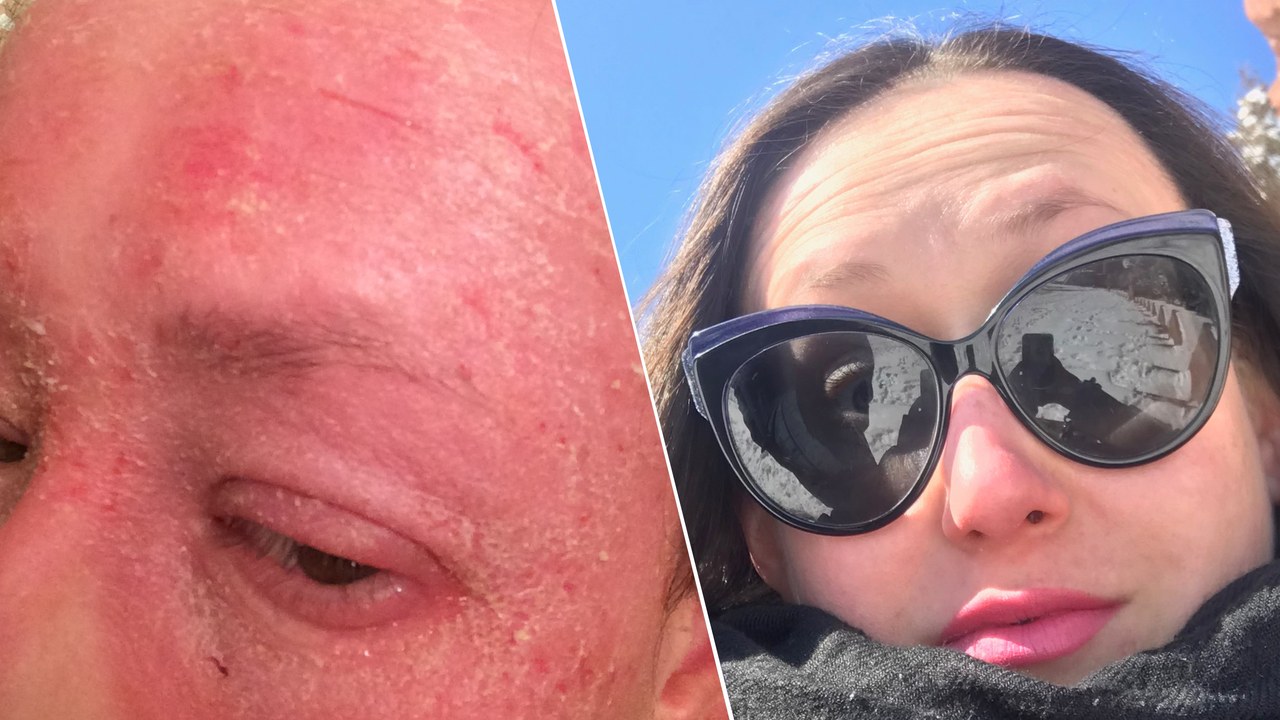
I’ve learned a lot about severe eczema (or atopic dermatitis, as it’s officially called) in the past six years since I’ve developed it. Flaky, red, patchy, cracked, oozing, weeping, swollen, crusty, rashy—that doesn’t begin to cover its effects. The symptoms can vary wildly daily, even hourly. It’s an endless round of roulette where your body’s largest organ is at stake. I can’t really predict what I’ll fall asleep with nightly, wake up to every morning or be sidetracked by come midday. Eczema can manifest as an intense itch behind one knee with no visible symptoms or a raised, bumpy rash trailing across my stomach. Or, half my forehead suddenly red and puffy, then wet and weepy at the inevitable slightest scratch. It’s complicated—for those living with it, and even for the professionals that study it.

“We don’t yet know all the factors leading to the development of eczema, but we do understand more and more that it’s a combination of several genetic and environmental factors,” says Elizabeth Wallace, M.D., Assistant Professor of Dermatology at the University of Colorado. “Eczema results from dysregulation of the immune system, which leads to inflammation in the skin.”

Here’s what we do know undeniably: “It’s extremely itchy; that’s the hallmark,” says Heather Summe, M.D., a dermatologist at New York’s Northwell Health Medical Group Dermatology. “Skin cells usually are held together, forming a barrier that helps skin retain its moisture and prevents things from getting in—people with eczema have a defective barrier. As a result, your skin loses moisture more easily, which also makes it more likely for allergens and irritants to get in.” When this happens, inflammation and sensitization can also spur other conditions like asthma and seasonal allergies. These, along with eczema, form what derms call the “atopic march.” (The takeaway: Besides its immediate effects, eczema can make our bodies more susceptible to other conditions too.)

How to Treat Eczema

I’ve learned to constantly be on alert when touching gym equipment, sleeping in hotel sheets, trying clothes on in a fitting room, or even applying mascara. A stranger’s perfume in a crowded elevator or subway car could set my skin off. So can public hand soap or scented detergents. Above all, less is more when it comes to topical products.

“Go for minimal ingredients and less fragrance, because many people with eczema are allergic to fragrance,” advises Emma Guttman, M.D., Director of the Laboratory of Inflammatory Skin Diseases at Mount Sinai’s Icahn School of Medicine.

“Avoiding triggers is also really important,” Wallace says of the factors that spark flare-ups. My own triggers are both varied and inconsistent, so it’s difficult to play detective. To give you an idea, the list includes climate, weather changes, dust, pollen, stress, inadequate sleep, alcohol, spicy foods, and my own sweat.

To treat my eczema, I’ve been prescribed five different topical steroid treatments, the most effective being Triamcinolone Acetonide .1% ointment, which I sometimes dilute with moisturizer for large areas. Options abound beyond topical steroids for moderate to severe case, like immunosuppressants, immunomodulators, and biologic injections. These require a doctor visit, but there’s also plenty of over-the-counter remedies and hacks you can try. Below, the ones that have saved my skin.

The Right Way to Wash

According to Dr. Summe, you really only need to cleanse the underarms, groin and feet. Use a gentle, fragrance-free, low-pH cleanser and keep showers and baths brief (10-15 minutes, max). My favorite formula is CeraVe’s facial cleanser, which I use from head to toe. (I bring the travel-sized bottle to the gym and on vacation.) The formula contains ceramides, which form a protective platelike barrier on the skin. In cold, dry weather, I alternate CeraVe or Cetaphil washes with Eucerin’s Skin Calming Body Wash, a light oil-based formula that feels richer but washes off cleanly.


Source link

Categories
Health

How to Treat Sunburn and Fix Redness Instantly


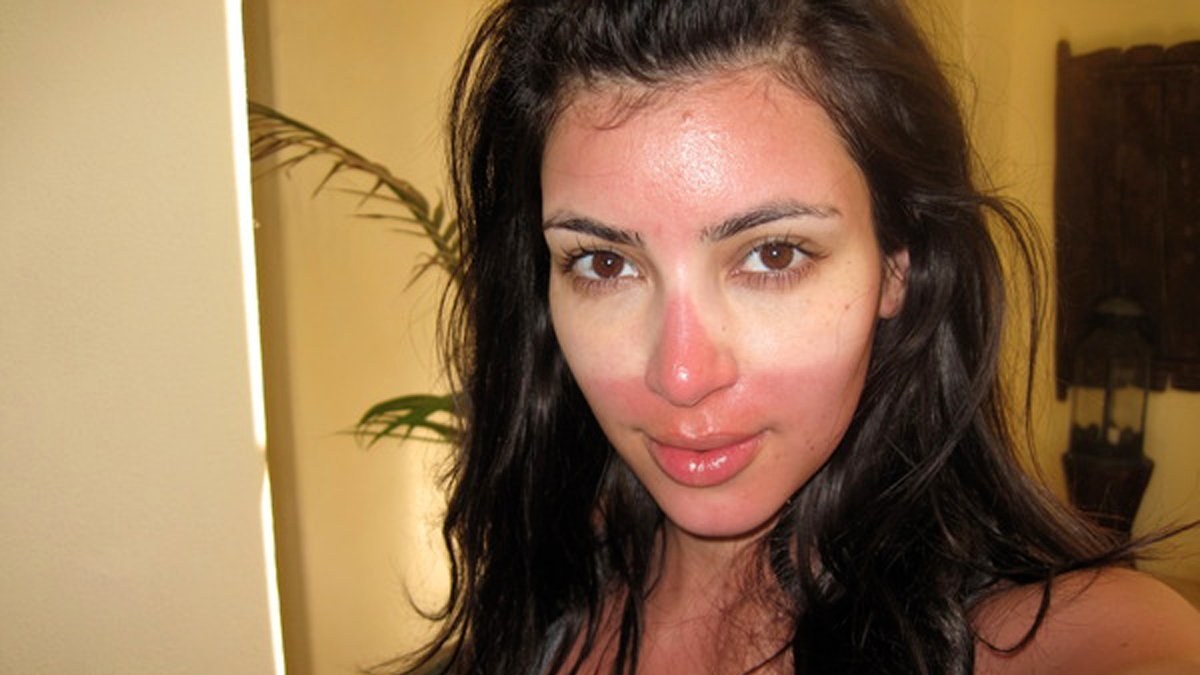
You can be more on top of your sunscreen game than a Kardashian is with contouring, and yet somehow, some way, the sun will find you—always at the most inconvenient time and in a way that’s so brutal, you swear you’re never going to step outside again.

So even though we’ve already armed you with our best sunscreen recommendations and warned you that (like these poor souls) you’re probably putting your sunscreen on wrong, accidents obviously happen. It’s a long summer ahead. Prepare yourself for the worst by knowing how to treat a bad sunburn—and cover up the damage.

How to treat sunburn:

Stepping into the shower after a sun-filled day can feel like setting fire to your skin, but this is actually the perfect time to fast track the healing process. Before doing anything else, dermatologist Francesca Fusco, M.D., recommends popping an aspirin or Tylenol to immediately reduce inflammation and help with pain management. Then, take a cool shower and wash the burn with an aloe-vera-based cleanser like Naturopathica Aloe Cleansing Gel to remove grime and any sunscreen residue on your skin.

Once the area has been cleaned, apply a cold compress soaked in a mixture of milk and ice cubes to topically ease sore skin. “The cold temperature, the protein in milk, and the pH level will have a soothing and drawing-out-the-heat effect on skin,” Dr. Fusco explains. Try to do this immediately after a shower to combat pain before it really gets bad.

How to prevent sunburn from peeling:

Now that you’ve treated the area, your skin needs moisture—stat. To stop skin from flaking and peeling, slather on lotions that contain ceramides and antioxidants like vitamins C and E. For burns that need deep moisture, celebrity makeup artist Pati Dubroff, who works with Margot Robbie, recommends applying a thick moisturizer like Weleda Skin Food Cream before putting any makeup on your skin. If this feels too rich for you or you have oily skin, try Excipial 10% Urea Hydrating Healing Lotion instead to soothe and soften the damage before it gets a chance to peel.

How to color-correct the redness:

If you’re not about that tomato look, it is possible to keep a sunburn under wraps—you just need the right products. But perhaps to your surprise, foundation isn’t one of them. As hard as it is, fight the urge to put it on, and instead, begin with a light application of green-tinted color-correcting primer. Because green neutralizes redness on your skin, dab it onto the places that burnt the most (most likely the bridge of your nose and under your eyes). Just don’t layer it on too thick. Sheer is the way to go, otherwise, it’ll look caked-on.

How to conceal sunburn and tan lines:

First, step back and take a look at where your burn is the most noticeable. That’s where you’ll be applying a light layer of tinted moisturizer to further help tone down redness. Dubroff says to stick to cream-based makeup instead of powders, since powders are mattifying and could draw more attention to the areas you’re hoping to hide. “A sheer, tinted moisturizer with luminosity properties that’s one shade darker than your original skin color (pre-sunburn) works much better than any full-coverage foundations,” she says.

If your sunburn is less of an allover situation and more of a spot-treatment job, dab concealer onto only the reddest parts of your face. “Use a concealer with a yellow undertone on parts that are super-burnt to help blend it in,” Dubroff says. Translation: If you fell asleep with sunglasses on at the beach, dab concealer around the red ring surrounding your eyes to blend it into the rest of your skin color.


Source link

Categories
Health

I Tried Masseter Botox to Treat My Jaw and Teeth Grinding


Earlier this spring, I boarded a plane to Munich for the express purpose of sculpting my cheekbones with 1 milliliter of hyaluronic acid fillers. While I originally had no other plans for my short time in town, I realized upon arrival that it was a prime opportunity to add Botox to the itinerary. If I was already sitting in the dermatologist’s chair preparing to house a cannula in my face, I was definitely ready for the relatively painless injections that Botox entails.

Let me rewind for a moment to avoid giving off the impression that I run around flippantly sticking needles in my face. Although the origin story behind my cheek fillers can basically be summed up as, “I wanted to try it once,” I had a more concrete and pressing reason for testing out Botox.

Botox has a reputation as a wrinkle-targeting injection, which makes sense, given that the derms I’ve spoken to confirm this is the most frequently requested treatment. It also has several other applications I’ve become acquainted with throughout my years working in the beauty industry. My colleagues seem to particularly love masseter Botox (sometimes referred to as jaw Botox), a treatment with twofold results. First, depending on your face shape, it can slim your jawline, although the results are much less obvious than Kybella or filler reconstruction. And second—the promise that initially hooked me in—it prevents you from clenching and grinding your teeth, a skill I could medal in thanks to years of stress.

There are fixes for teeth-grinding that don’t involve needles; gua sha and face rolling are both options meant to help release tension in your facial muscles, but they are no match for my longtime habit. There are also mouth guards, which dentists love to suggest almost as much as I hate wearing them. When a coworker told me she had created tiny holes in her teeth from consecutive nights of stress-grinding (“Wow, same!” I cried) and subsequently fixed the problem in a single Botox session, I leaned in closer. “Tell me everything,” I said in awe.

That is how I ended up asking dermatologist and Royal Fern founder Timm Golueke, M.D. for an extra set of injections. If you already sat through my excruciatingly detailed description of fillers, have no fear because masseter Botox is a total breeze in comparison. There are four injections total, two on each side, directed straight into your masseter muscle. You can feel this muscle along the side of your jaw when your teeth are clenched; it controls chewing and raising your jawbone. But when it’s in a constant state of tension, you may spend many mornings waking up to headaches, jaw pains, and (eventually) Swiss cheese molars, none of which are a particularly good time.

Reversing this long list of complaints is surprisingly quick. Dr. Golueke instructed me to turn my head to the side and bite down before giving me two quick jabs toward the back of my jaw, delivering four units of Botox to each side of my face. (He estimates the total cost at $90, but this will vary based on where you go for your appointment). Each injection lasted perhaps half a second and was over before I could fully react to the sensation of a tiny needle plunging into my skin. We then repeated the process on the other side. I would love to report more details about this procedure, but that was the end of it. There was no swelling, no pain, no need to ice pack the lower half of my face. In fact, there was no need to even look in the mirror at this point—because the results would take two weeks to show.


Source link

Categories
Health

8 Reasons You Have Redness on Your Face and How to Treat It


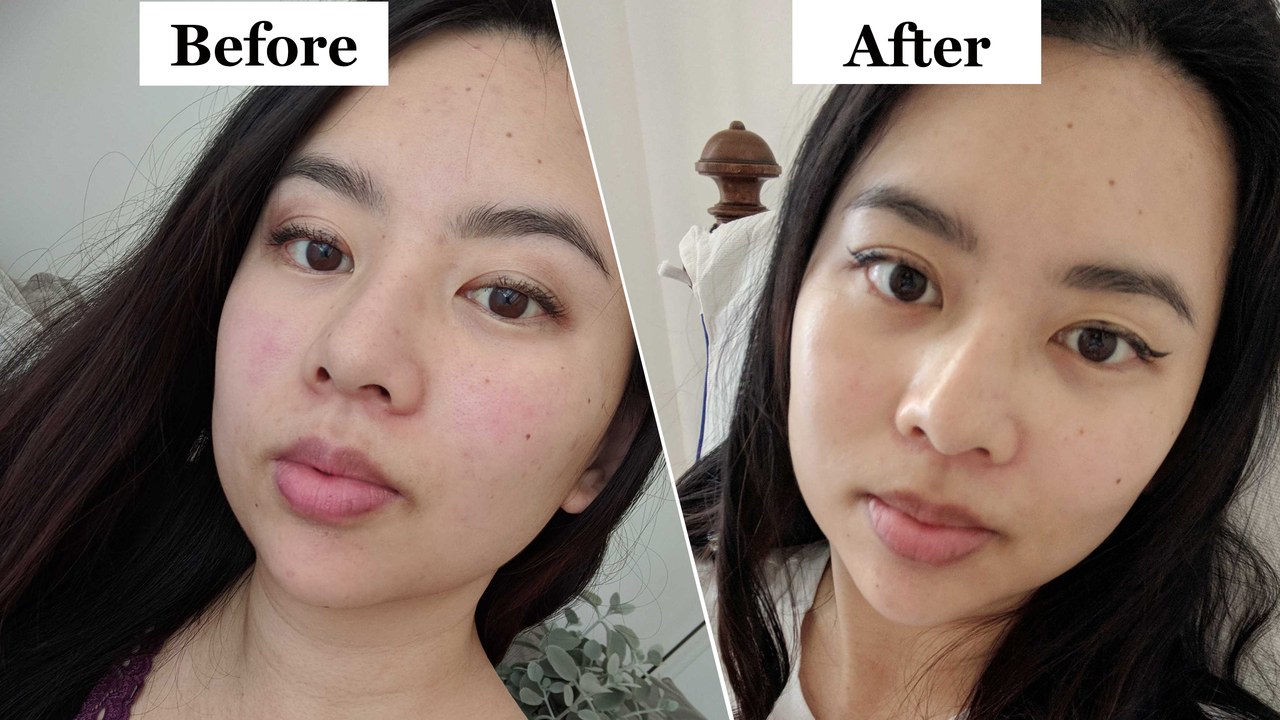
Facial redness is one of those mysteries I’m never quite sure how to solve. It’s apparent when my face seems more flushed than usual—but not always so clear what I should do about it, or even why I have it. Case in point: I’ve apparently spent my whole life with a mild case of rosacea (which I suspected for years, but never confirmed up until a month ago). And last year, when I experienced what turned out to be an eczema flare-up, even the dermatologist I visited had to walk me through a very long series of questions before determining exactly what I was experiencing.

There’s a wealth of information out there on the many types of facial redness, but it can get incredibly overwhelming to sort through it all. Instead of suggesting that you Google multiple variations of “Why is my face red?” and play a guessing game, I spoke to three top dermatologists about the most common causes of redness and how to treat each one.

“Your face becomes red when blood vessels dilate,” says Dr. Joshua Zeichner, Director of Cosmetic & Clinical Research in Dermatology at Mount Sinai Hospital in New York City. “This means that more blood rushes to your skin, giving it a red appearance.” From there, however, it gets a lot more complicated. Ahead, find derms’ best tips for identifying, soothing, and treating any kind of flare-up, from over-exfoliation to seborrheic dermatitis.

1. Rosacea

Rosacea is probably the first thing that comes to mind when you try to self-diagnose facial redness. But, it’s not always the case—so it never hurts to get a second opinion from a derm. “Rosacea is a condition where your skin is sensitive and overly reactive to environmental triggers,” says Dr. Zeichner. “These triggers include extremes in temperature, stress, spicy foods, and alcohol.” It also varies in appearance. I previously thought it showed up as a persistent flush under your skin, but it can manifest in multiple forms. Dr. Jessica Weiser, a dermatologist in New York City, identifies the most common one as erythematotelangiectatic, this is the commonly seen “flat” redness and flushing. But, you might also notice papulopustular rosacea, which she characterizes as redness with a primary feature of “pimple-like pink and red bumps, some with whiteheads.”

As far as treatment goes, there are two things to know. First, there is no permanent “cure” for rosacea, although it can be managed, which Dr. Zeichner recommends you do as early as possible to prevent progression. Second, what you do depends on how mild or extreme your specific case is. There are topical options that constrict blood vessels and calm inflammation, like Rhofade, which Dr. Dendy Engelman, a dermatologist in New York City, suggests. In more severe cases, Dr. Weiser says you may need to consider low-dose antibiotics or laser treatments. In any case, expect to wait a minimum of four to six weeks to see noticeable improvement. The final thing you want to do is keep your skin barrier in good shape. Dr. Zeichner suggests gentle cleansers, soothing moisturizers, and total avoidance of exfoliating ingredients (both chemical and physical). A good tip: Where the rest of your routine is concerned, look for products designed for “redness relief.” (Clinique’s Redness Solutions line is fantastic.)

2. Eczema

Ah, eczema, the brooding mystery of skin conditions. This one can be surprisingly tough to diagnose, as I found out firsthand when I got my 2018 flare-up. “Eczema and allergic contact dermatitis are difficult to differentiate from clinical evaluation alone because both have inflamed pink dry patches that cause significant itching or a burning sensation,” says Dr. Weiser. If you think you have it, exit your nearest search engine and leave things to a professional. A dermatologist should carefully go through your medical history and personal care products to determine which one you’re experiencing. You might be prescribed a topical cortisone or anti-inflammatory cream to bring down the redness and inflammation. Keep the rest of your routine full of gentle, mild ingredients, avoiding fragrance altogether. Steer clear of retinol and embrace hypoallergenic labels, and you should see an improvement within one to two weeks. “These conditions generally flare with cold weather, change of climate, or change of skin care products, so they tend to respond readily when conditions are optimized,” says Dr. Weiser.


Source link

Categories
Health

Treat Yourself: Fashion Gifts to Get Yourself This Season


When you spend so much time browsing pages upon pages of product to find that perfect gift for someone else, you’re bound to get tempted to drop in a little something for yourself into your virtual cart. No one knows your taste better than you, after all—so why not treat yourself to a little something special this holiday? Maybe it’s the Everlane Day Heel you’ve had an eye on for forever, or that highly-Instagrammable Outdoor Voices set to wear in the new year. Whatever that wish-list item has been for you this year, now’s the time to finally check out. Ahead, we round up 30+ of the fashion gifts worth pocketing for yourself this season. Happy shopping.


Source link