Categories
Health

Salma Hayek Had an Epic Response to a Stranger Who Said She Had ‘Too Much Botox’


Salma Hayek perfectly shut down an online troll who told her she had “too much Botox.”

Here’s what happened: The Oscar-nominated actor posted a stunning selfie of herself enjoying some sun on Tuesday, February 18. She kept the caption simple: “#wind #aire.” But even still, the haters came out to give their unsolicited opinions. “Too much Botox,” one user wrote. “Not needed, Salma.”

But Hayek came in quick with her response. “I don’t have Botox,” she wrote. “But thank you for the advice because I was thinking maybe it’s time.”

See the iconic exchange for yourself, below:

I’m glad Salma Hayek isn’t sweating this one iota. It’s just another case of strangers being overly critical of celebs and making wild assumptions. Even if Hayek had gotten Botox, who cares? Aren’t we past the point in our culture where we’d judge someone for that?

If you are curious about Hayek’s beauty routine, she shared a few nuggets to The New York Times back in 2017. “I never cleanse my skin in the morning,” she told the paper. “My grandmother taught me that at night your skin replenishes all the things you lost during the day. Also, if I cleanse very well at night, why would it be dirty when I wake up?”

She also gave her two-cents on exfoliating, which she says “may make you look good in the short term, but not, I think, in the long term. I see many women in L.A. who have exfoliated so much they look shiny. I’ll use a mix of serums and oils depending on my skin that day.”

And one of her biggest philosophies is less is more. “At night I take off my makeup with coconut oil,” she also told The Times. “Then I use rose water to take off the residuals. You can use a hot towel with the rose water—you put a wet towel in the microwave—to do a little steam.”


Source link

Categories
Health

Why More Brides Are Getting Pre-Wedding Filler Injections and Botox


Planning a traditional wedding requires a few key things: a florist, the band or DJ, the cake, and the ability to keep track of finding, hiring, and paying for all of them. (Fun!) Now, you can add visiting a dermatologist to that laundry list. But forget a nice, relaxing facial—these days, more brides to be are springing for cosmetic injectables to smooth crinkles and plump lips before their wedding day.

“We have definitely seen an uptick in consultations with brides-to-be who want to get a skin care game plan even a year before the big day,” says Kristel Polder, M.D., a board-certified dermatologist at Dallas Center for Dermatology and Aesthetics in Dallas, TX. “Brides want to look good for all aspects surrounding a wedding—portraits, bachelorette party, wedding, and honeymoon.”

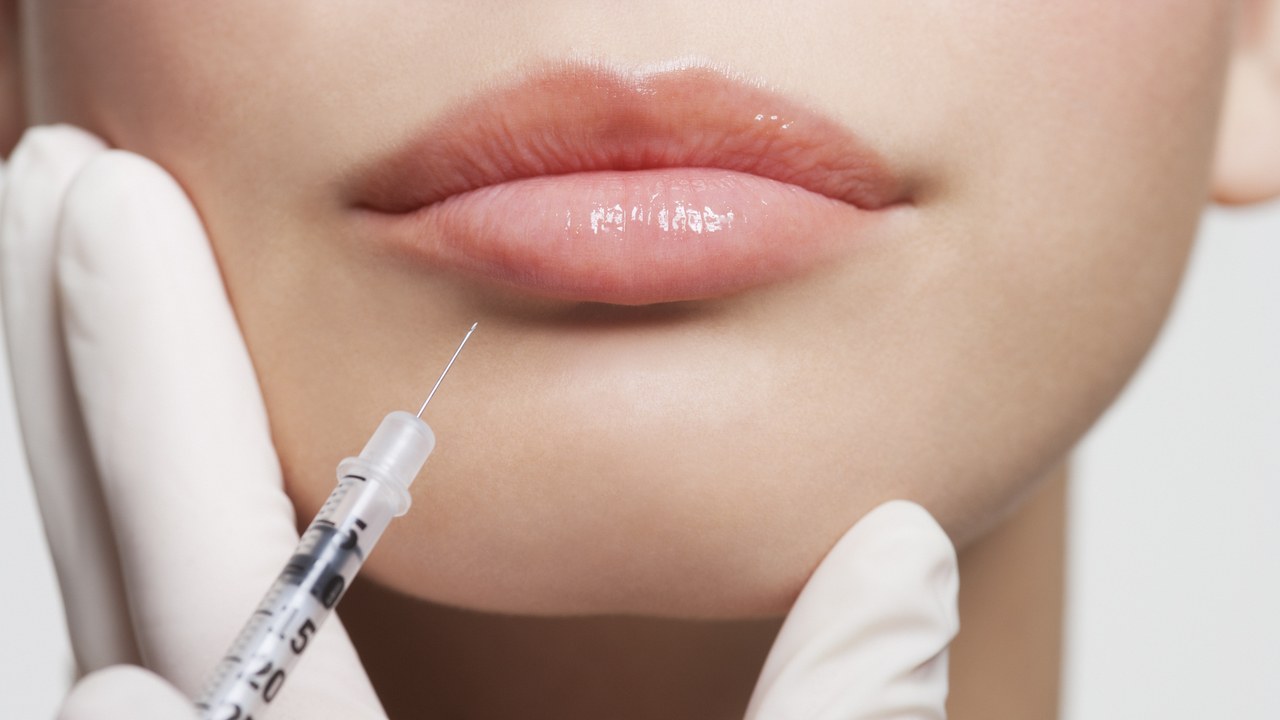
Cosmetic injectables are a natural fit for this. “Fillers have a longevity that allows you to maintain these results through the process,” Polder says. “Particularly with millennials, we’ve been asked for smaller dosing to test out fillers in their lips, cheeks, and under their eyes.” Meanwhile, neuromodulators (or “wrinkle reducers” as they’re more commonly called) such as Botox and Dysport have become popular among brides for specific areas of the face.

Polder’s clinical experience is reflective of the large-scale trend of pre-wedding injectables. RealSelf, a review site that tracks the popularity of cosmetic treatments, found that in the past year, neuromodulators accounted for 15% of nonsurgical pre-wedding treatments, with injectable fillers close behind at 14.15%. This follows the overall rise in the use of injectables, which are no longer solely within the realm of antiaging. That is, actual aging is no longer a prerequisite for cosmetic injectables.

Instead, contoured cheekbones, preternaturally smooth foreheads, and plump lips have taken over Instagram feeds and celebrity faces alike, underscoring the new role of cosmetic injectables as a way to sculpt and augment in addition to lift and firm—no matter your age. (Unsurprisingly, the look has been been dubbed “Instagram Face.”) And they’ve been embraced accordingly. According to the American Society of Plastic Surgeons, the number of filler procedures among people between 30 and 39 years old has grown by nearly 30% since 2010. (And of those, the number of hyaluronic acid filler injections in particular, such as Juvéderm or Restylane, has almost doubled.) Meanwhile, the number of neuromodulator procedures among patients between 30 and 39 has increased by nearly 35% to 1.3 million.


Source link

Categories
Health

Botox Bar Trend Raises Dermatologist Concerns Over Easy Injectables


“My biggest concern is not only the training, but also the experience in handling adverse events and complications,” says Naomi Lawrence, M.D., professor of Medicine and director of Dermatologic Surgery at Cooper Medical School, Rowan University. “Since there is no standardized residency or fellowship for non-physicians, the training really varies and is left up to the individual.” While this doesn’t mean the technician injecting you will do something wrong, depending on the practitioner and their expertise, it could mean they might not have the necessary scope of knowledge required to deal with potential side effects. For Botox, these can include temporary drooping or infection at the injection site. Improper application of fillers can lead to tissue necrosis or blindness in extreme cases—if products are accidentally injected into a blood vessel.

“These risks are always there, but an M.D. practitioner has superior knowledge of facial anatomy, skin physiology, fluid dynamics, and other topics taught in premedical studies and medical school that help them minimize these risks and effectively manage complications when they do occur,” says Murad Alam, M.D., vice chair of the Department of Dermatology at Feinberg School of Medicine, Northwestern University. Much like Lawrence, he rates the training levels for non-M.D. practitioners on a sliding scale, “from none at all to pretty good.” His main worry is that no matter how good, it will inevitably be less than that of a board-certified derm. “You would want even the most skilled technician to be supervised by an on-site, board-certified physician who is an expert in injectable procedures,” he recommends. Customers should also take note of M.D. practitioners who are injecting outside their scope of practice and lack specific training.

Part of the problem is that doctors and aesthetics bars seem to prioritize different guidelines when it comes to defining a “safe” experience. Garritano, Levy, Bland, and Ricketts primarily emphasize how much experience their technicians have with performing a single, specific kind of service. Ject’s Garritano, a board-certified, New York-licensed physician assistant, cites her lengthy experience working alongside plastic surgeons. “All Ject providers are physicians, physician assistants (PAs), or nurse practitioners (NPs), and are licensed and certified to practice medicine in New York,” she says. “They are experts in injectables, as this is their sole practice.” She adds that her employees are trained on how to manage any complication that could potentially occur. Clients, for their part, are happy with that info. Siegel says she researched Garritano’s qualifications online before going and also looked at their social media for reviews and photos. After this process, she was confident it was a good decision.


Source link

Categories
Health

I Tried Masseter Botox to Treat My Jaw and Teeth Grinding


Earlier this spring, I boarded a plane to Munich for the express purpose of sculpting my cheekbones with 1 milliliter of hyaluronic acid fillers. While I originally had no other plans for my short time in town, I realized upon arrival that it was a prime opportunity to add Botox to the itinerary. If I was already sitting in the dermatologist’s chair preparing to house a cannula in my face, I was definitely ready for the relatively painless injections that Botox entails.

Let me rewind for a moment to avoid giving off the impression that I run around flippantly sticking needles in my face. Although the origin story behind my cheek fillers can basically be summed up as, “I wanted to try it once,” I had a more concrete and pressing reason for testing out Botox.

Botox has a reputation as a wrinkle-targeting injection, which makes sense, given that the derms I’ve spoken to confirm this is the most frequently requested treatment. It also has several other applications I’ve become acquainted with throughout my years working in the beauty industry. My colleagues seem to particularly love masseter Botox (sometimes referred to as jaw Botox), a treatment with twofold results. First, depending on your face shape, it can slim your jawline, although the results are much less obvious than Kybella or filler reconstruction. And second—the promise that initially hooked me in—it prevents you from clenching and grinding your teeth, a skill I could medal in thanks to years of stress.

There are fixes for teeth-grinding that don’t involve needles; gua sha and face rolling are both options meant to help release tension in your facial muscles, but they are no match for my longtime habit. There are also mouth guards, which dentists love to suggest almost as much as I hate wearing them. When a coworker told me she had created tiny holes in her teeth from consecutive nights of stress-grinding (“Wow, same!” I cried) and subsequently fixed the problem in a single Botox session, I leaned in closer. “Tell me everything,” I said in awe.

That is how I ended up asking dermatologist and Royal Fern founder Timm Golueke, M.D. for an extra set of injections. If you already sat through my excruciatingly detailed description of fillers, have no fear because masseter Botox is a total breeze in comparison. There are four injections total, two on each side, directed straight into your masseter muscle. You can feel this muscle along the side of your jaw when your teeth are clenched; it controls chewing and raising your jawbone. But when it’s in a constant state of tension, you may spend many mornings waking up to headaches, jaw pains, and (eventually) Swiss cheese molars, none of which are a particularly good time.

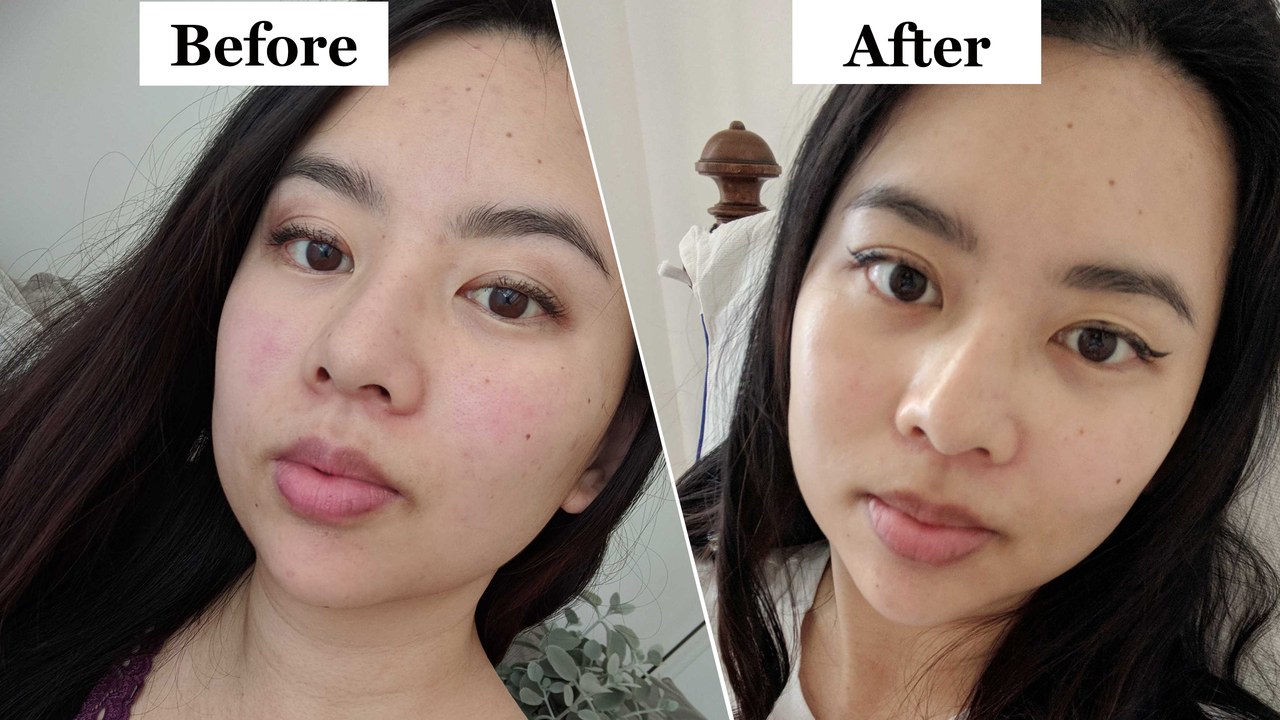
Reversing this long list of complaints is surprisingly quick. Dr. Golueke instructed me to turn my head to the side and bite down before giving me two quick jabs toward the back of my jaw, delivering four units of Botox to each side of my face. (He estimates the total cost at $90, but this will vary based on where you go for your appointment). Each injection lasted perhaps half a second and was over before I could fully react to the sensation of a tiny needle plunging into my skin. We then repeated the process on the other side. I would love to report more details about this procedure, but that was the end of it. There was no swelling, no pain, no need to ice pack the lower half of my face. In fact, there was no need to even look in the mirror at this point—because the results would take two weeks to show.


Source link

Categories
Health

Yolanda Hadid Just Revealed She's Done With Fillers and Botox


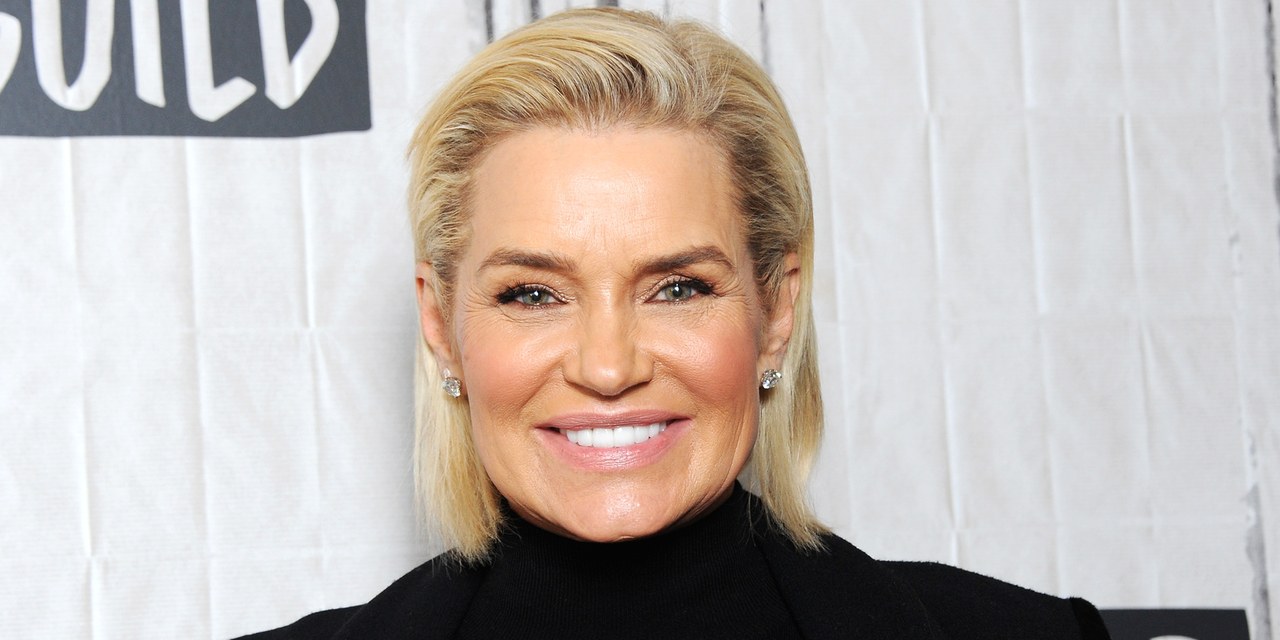
There’s really no question that Yolanda Hadid is a stunningly beautiful woman—and a quick look at any of the throwback photos her famous daughters Gigi and Bella post of her prove that it’s always been that way. But pictures, of course, don’t tell a woman’s entire story. During her time on The Real Housewives of Beverly Hills, viewers learned about Hadid’s health struggles with Lyme disease, and she has continued to document her journey on social media.

And her latest Instagram post is one of her most personal and revealing yet. On the heels of her birthday (January 11) Hadid reveals that, at 55, she’s now removed the breast implants, fillers, Botox, and extensions she felt pressured to get to keep up appearances. Or as she puts it, the things she “thought I needed in order to keep up with what society conditioned me to believe what a sexy woman should look like.” She goes on to stress the importance of health and making educated decisions about what you choose to do to and with your body, which is pretty sage advice in general.

“It took me many years of undoing some bad choices I made for myself before I finally found the freedom to sustainable internal beauty and acceptance of what is the best version of myself by no standards but my own,” she said. “It’s on us to learn to love our selves and celebrate our unique, one of a kind beauty at all ages as we move through this journey called ‘life.’ Beauty has no meaning without your health.”

Hadid has spoken about her decisions to get stop getting injectables before, and she famously had her breast implants removed on an episode of Real Housewives back in 2016. Back then, she said she’d found out that she had silicone from the implants floating in her body. “Your health is your wealth so please make educated decisions, research the partial information you’re given by our broken system before putting anything foreign in your body,” she continued.

Keep doing you, Yolanda. Here’s to a healthy and happy new year ahead.

Related Stories:
Kylie Jenner Reveals She Got Rid of Her Lip Filler
Chrissy Teigen Shut Down Someone Who Said She Looked Better ‘Before the Fillers’
9 Things I Wish I’d Known Before Getting Lip Injections


Source link