Categories
Health

How to Treat Sunburn and Fix Redness Instantly


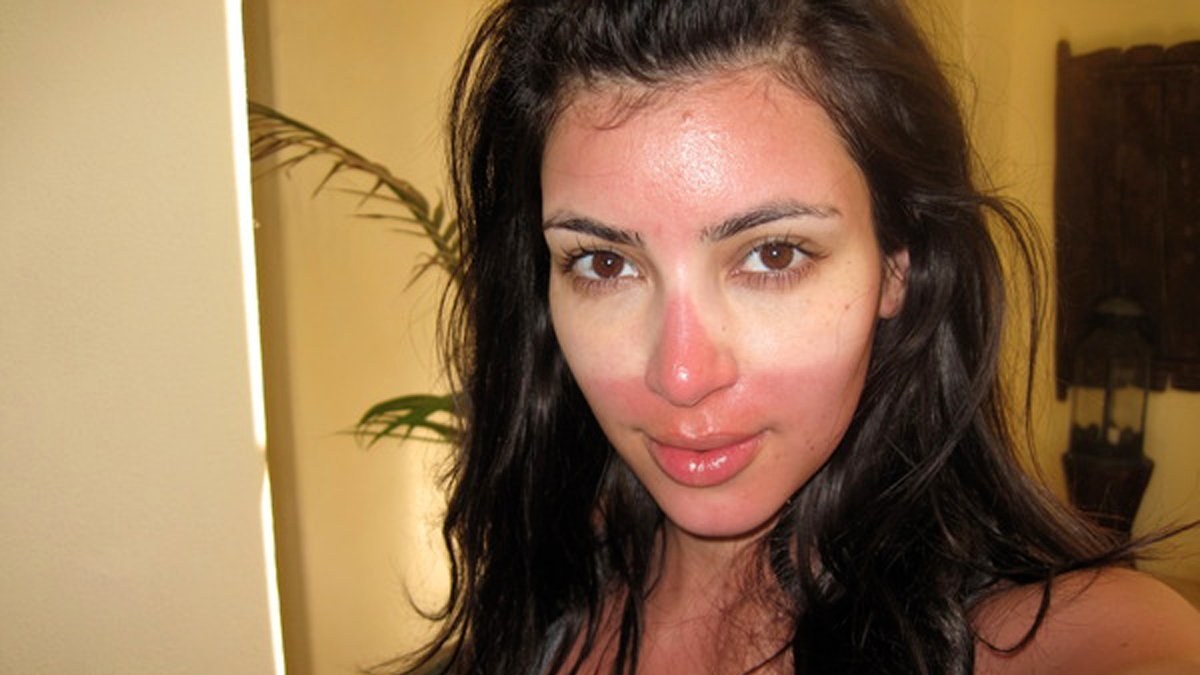
You can be more on top of your sunscreen game than a Kardashian is with contouring, and yet somehow, some way, the sun will find you—always at the most inconvenient time and in a way that’s so brutal, you swear you’re never going to step outside again.

So even though we’ve already armed you with our best sunscreen recommendations and warned you that (like these poor souls) you’re probably putting your sunscreen on wrong, accidents obviously happen. It’s a long summer ahead. Prepare yourself for the worst by knowing how to treat a bad sunburn—and cover up the damage.

How to treat sunburn:

Stepping into the shower after a sun-filled day can feel like setting fire to your skin, but this is actually the perfect time to fast track the healing process. Before doing anything else, dermatologist Francesca Fusco, M.D., recommends popping an aspirin or Tylenol to immediately reduce inflammation and help with pain management. Then, take a cool shower and wash the burn with an aloe-vera-based cleanser like Naturopathica Aloe Cleansing Gel to remove grime and any sunscreen residue on your skin.

Once the area has been cleaned, apply a cold compress soaked in a mixture of milk and ice cubes to topically ease sore skin. “The cold temperature, the protein in milk, and the pH level will have a soothing and drawing-out-the-heat effect on skin,” Dr. Fusco explains. Try to do this immediately after a shower to combat pain before it really gets bad.

How to prevent sunburn from peeling:

Now that you’ve treated the area, your skin needs moisture—stat. To stop skin from flaking and peeling, slather on lotions that contain ceramides and antioxidants like vitamins C and E. For burns that need deep moisture, celebrity makeup artist Pati Dubroff, who works with Margot Robbie, recommends applying a thick moisturizer like Weleda Skin Food Cream before putting any makeup on your skin. If this feels too rich for you or you have oily skin, try Excipial 10% Urea Hydrating Healing Lotion instead to soothe and soften the damage before it gets a chance to peel.

How to color-correct the redness:

If you’re not about that tomato look, it is possible to keep a sunburn under wraps—you just need the right products. But perhaps to your surprise, foundation isn’t one of them. As hard as it is, fight the urge to put it on, and instead, begin with a light application of green-tinted color-correcting primer. Because green neutralizes redness on your skin, dab it onto the places that burnt the most (most likely the bridge of your nose and under your eyes). Just don’t layer it on too thick. Sheer is the way to go, otherwise, it’ll look caked-on.

How to conceal sunburn and tan lines:

First, step back and take a look at where your burn is the most noticeable. That’s where you’ll be applying a light layer of tinted moisturizer to further help tone down redness. Dubroff says to stick to cream-based makeup instead of powders, since powders are mattifying and could draw more attention to the areas you’re hoping to hide. “A sheer, tinted moisturizer with luminosity properties that’s one shade darker than your original skin color (pre-sunburn) works much better than any full-coverage foundations,” she says.

If your sunburn is less of an allover situation and more of a spot-treatment job, dab concealer onto only the reddest parts of your face. “Use a concealer with a yellow undertone on parts that are super-burnt to help blend it in,” Dubroff says. Translation: If you fell asleep with sunglasses on at the beach, dab concealer around the red ring surrounding your eyes to blend it into the rest of your skin color.



Source link

Categories
Health

8 Reasons You Have Redness on Your Face and How to Treat It


Facial redness is one of those mysteries I’m never quite sure how to solve. It’s apparent when my face seems more flushed than usual—but not always so clear what I should do about it, or even why I have it. Case in point: I’ve apparently spent my whole life with a mild case of rosacea (which I suspected for years, but never confirmed up until a month ago). And last year, when I experienced what turned out to be an eczema flare-up, even the dermatologist I visited had to walk me through a very long series of questions before determining exactly what I was experiencing.

There’s a wealth of information out there on the many types of facial redness, but it can get incredibly overwhelming to sort through it all. Instead of suggesting that you Google multiple variations of “Why is my face red?” and play a guessing game, I spoke to three top dermatologists about the most common causes of redness and how to treat each one.

“Your face becomes red when blood vessels dilate,” says Dr. Joshua Zeichner, Director of Cosmetic & Clinical Research in Dermatology at Mount Sinai Hospital in New York City. “This means that more blood rushes to your skin, giving it a red appearance.” From there, however, it gets a lot more complicated. Ahead, find derms’ best tips for identifying, soothing, and treating any kind of flare-up, from over-exfoliation to seborrheic dermatitis.

1. Rosacea

Rosacea is probably the first thing that comes to mind when you try to self-diagnose facial redness. But, it’s not always the case—so it never hurts to get a second opinion from a derm. “Rosacea is a condition where your skin is sensitive and overly reactive to environmental triggers,” says Dr. Zeichner. “These triggers include extremes in temperature, stress, spicy foods, and alcohol.” It also varies in appearance. I previously thought it showed up as a persistent flush under your skin, but it can manifest in multiple forms. Dr. Jessica Weiser, a dermatologist in New York City, identifies the most common one as erythematotelangiectatic, this is the commonly seen “flat” redness and flushing. But, you might also notice papulopustular rosacea, which she characterizes as redness with a primary feature of “pimple-like pink and red bumps, some with whiteheads.”

As far as treatment goes, there are two things to know. First, there is no permanent “cure” for rosacea, although it can be managed, which Dr. Zeichner recommends you do as early as possible to prevent progression. Second, what you do depends on how mild or extreme your specific case is. There are topical options that constrict blood vessels and calm inflammation, like Rhofade, which Dr. Dendy Engelman, a dermatologist in New York City, suggests. In more severe cases, Dr. Weiser says you may need to consider low-dose antibiotics or laser treatments. In any case, expect to wait a minimum of four to six weeks to see noticeable improvement. The final thing you want to do is keep your skin barrier in good shape. Dr. Zeichner suggests gentle cleansers, soothing moisturizers, and total avoidance of exfoliating ingredients (both chemical and physical). A good tip: Where the rest of your routine is concerned, look for products designed for “redness relief.” (Clinique’s Redness Solutions line is fantastic.)

2. Eczema

Ah, eczema, the brooding mystery of skin conditions. This one can be surprisingly tough to diagnose, as I found out firsthand when I got my 2018 flare-up. “Eczema and allergic contact dermatitis are difficult to differentiate from clinical evaluation alone because both have inflamed pink dry patches that cause significant itching or a burning sensation,” says Dr. Weiser. If you think you have it, exit your nearest search engine and leave things to a professional. A dermatologist should carefully go through your medical history and personal care products to determine which one you’re experiencing. You might be prescribed a topical cortisone or anti-inflammatory cream to bring down the redness and inflammation. Keep the rest of your routine full of gentle, mild ingredients, avoiding fragrance altogether. Steer clear of retinol and embrace hypoallergenic labels, and you should see an improvement within one to two weeks. “These conditions generally flare with cold weather, change of climate, or change of skin care products, so they tend to respond readily when conditions are optimized,” says Dr. Weiser.


Source link

Categories
Health

Erborian's CC Cream Cancels Out Redness Like Magic


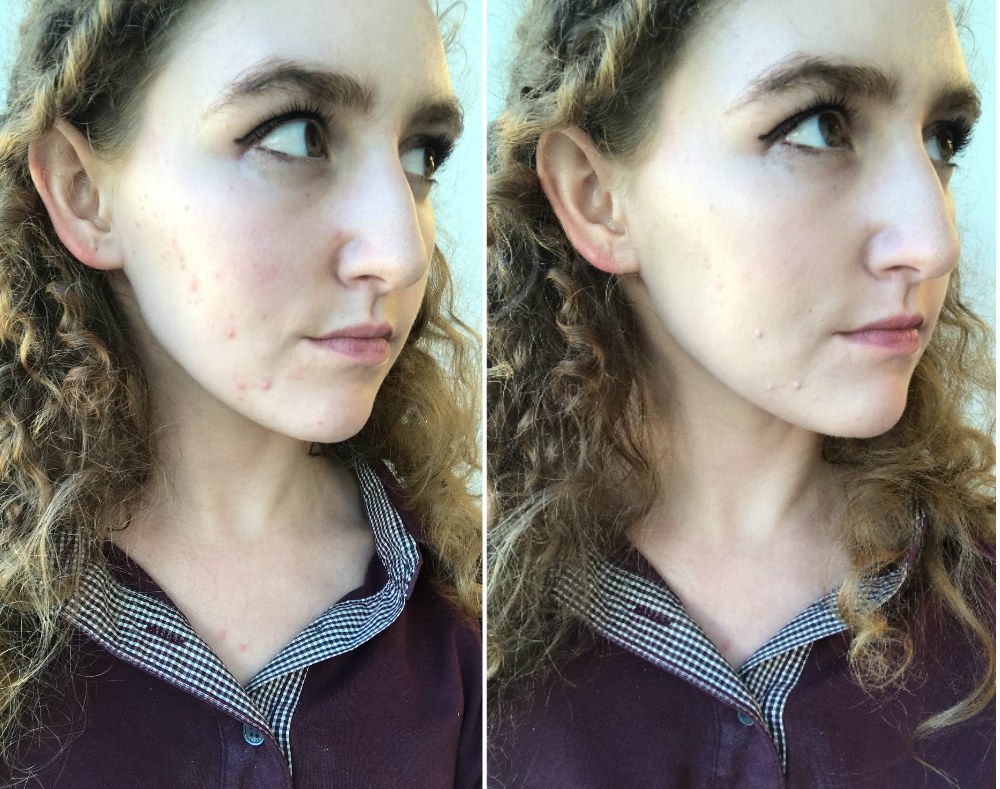
From certain angles, my skin is looking prime right now. For that I have to thank the golden trifecta of Vitamin C serum, retinol, and moisturizer—the three keep my combination, dry-leaning skin even and hydrated. There’s just one thing they can’t take on, and it’s the cystic acne scattered up and down my jawline. Some of the spots are peaked into whiteheads, but most are lurking painfully under my skin. It’s certainly not ideal, though there is a silver lining: And that’s that my current skin situation led me to finally get into color-correcting.

Color correctors saw a ground swell a few years ago when you couldn’t walk into stores without seeing green-, orange-, purple-, and red-colored face products by the dozen. Where concealer alone isn’t always powerful enough to neutralize dark undereye circles or redness, color-correcting products lean on color theory to balance out tones. Green lives opposite from red on the color wheel, so the former cancels out the latter. Purple neutralizes sallow, yellow tones, while orange and red balance out blue and purple dark circles.

It’s pretty easy to learn, but I’m not one to add any extra steps to my morning routine, so I’ve mostly ignored the category up until this point. But that was before I became addicted to the cult of Erborian’s latest release, the CC Red Correct. The French-Korean beauty brand is famous for its top-selling BB and CC creams, mostly because they blend into your skin so seamlessly, it’s like you’re not wearing makeup. Its new CC Red Correct takes that shade-matching technology and combines it with a subtle green tint and centella asiatica (a skin-healing ingredient) to help both conceal and correct.

Fresh out of the tube, the CC Red Correct looks like a minty-green, medium-thick moisturizer—more of a lightweight cream than a fluid liquid. I’ve seen some people use it like a primer, but since it blends into my skin so well, I like it as a one-and-done base product. In terms of pigment, I’d compare it to a medium-coverage foundation (I use about a nickel-sized amount, dotted across my jawline). It is pretty moisturizing, so if you have oily skin, I’d recommend topping the CC cream with foundation or powder. With the extra boost, its concealing power stays put through the day.

I’m also usually pretty wary of products that use encapsulated pigments (little beads of pigment in the formula that help the color self-adjust to your skin tone) because none have ever been just right in the past. Erborian’s, however, is the first to ever leave me impressed. I hate being able to see foundation sit on my skin, and it sidesteps that look by a mile. After a few seconds of blending, the base color matches my fair skin dead-on, while the green tint cancels out my redness completely. I can still slightly see the bumps on my jawline, but they’re less eye-catching without their bright, angry color. I call it a win.

Erborian CC Red Correct, $44, erborian.com

PHOTO: Rachel Nussbaum

Related Stories:
14 Glamour Editors on the Skin Care Tips That Changed Their Complexions
Laneige’s New Moisturizer Looks Like Whipped Cream for Your Face
5 Women Try the Summer Fridays Overtime Face Mask


Source link

Categories
Health

The Best Face Masks for Dry Skin, Acne, Redness, and More


Of all the beauty products we love (and hoard), face masks rank high up these among our favorites. Just try to name one skin care item that pairs as well with a glass of wine, bubble bath, or the latest episode of Riverdale. (You can’t. They rule.) That said, you can’t swatch a face mask in Sephora—though spot testing at home is always recommended—so it’s best to know how your skin will react before you start binge-masking. To make things easier on your face and your wallet, we’ve rounded up the masks that Glamour editors actually swear by, based on our biggest skin concerns. Read up on the best face masks for oily, dry, redness and acne-prone, and combination skin, then go forth and reap their rewards.


Source link