Categories
Health

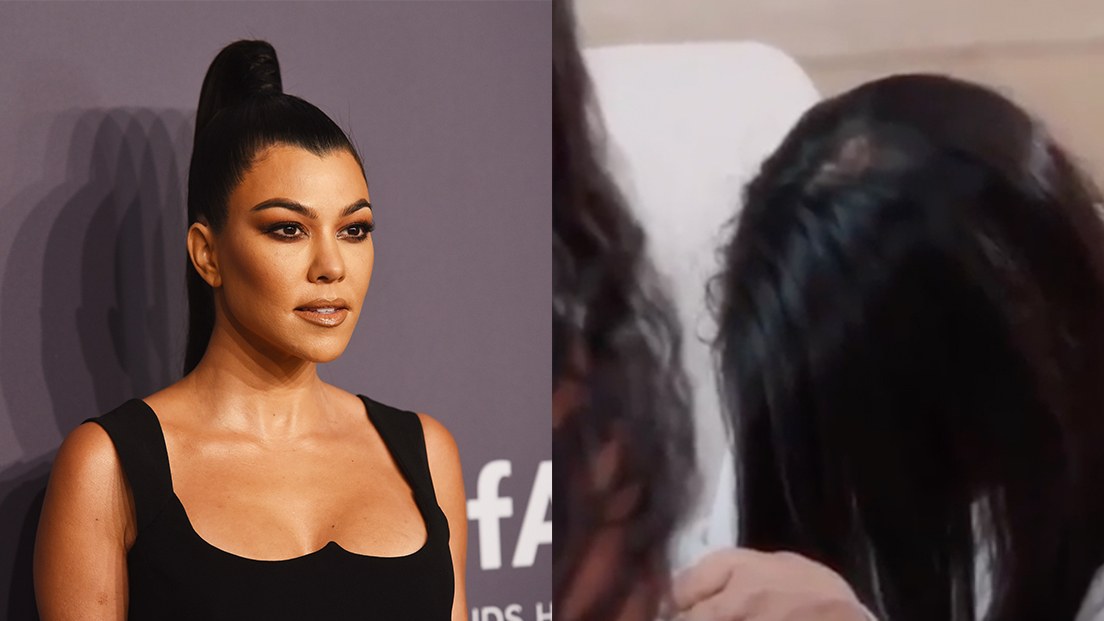
Kourtney Kardashian Got Scalp Injections to Treat a Bald Spot


Ever since she figured out how to manage her relationship with Scott Disick, Kourtney Kardashian‘s storylines on Keeping Up With the Kardashians have been a relatively drama-free. But during the show’s season 17 (!!!) premiere Sunday night, the eldest sister was facing a beauty emergency.

During a scene with Kim, the sisters discuss a not-small bald spot that has formed on the top of Kourt’s head. “Kourtney, you have a really big spot on the top of your head,” Kim said. “Look down, Kourtney. Oh my god, I’m afraid for your life. Have you seen that?” “No, but I feel it,” Kourtney replied. “It’s a hole in my head. I swear it’s from my ponytail, it was so tight that I had a bump on my head like this.” Obviously, Kim is being overly dramatic, but the spot is noticeable in the clip below.

“Hair loss is not always genetic in nature,” Dr. Steve Fallek, plastic surgeon and medical director at BeautyFix Med Spa, tells Glamour. “Physical and mechanical stress can weaken and even damage the hair follicle leading to hair loss. Tight ponytails can certainly pull your hair out of the hair follicle and is a common cause of hair loss. Coloring your hair or treating your hair with harsh chemicals can also contribute to this. Weight loss, nutritional changes, medications, as well as stress are other typical factors for hair loss.”

Of course, when you’re a Kardashian, you have pretty much any beauty treatment available to you at any given moment, so Kourtney heads to see Dr. Jason Diamond later in the episode to address the bald spot with scalp injections. “Today I’m getting PRP [platelet-rich plasma], which is where they take your blood and spin it and they use your plasma and they inject it in my head for my hair to grow back,” she said.

Plasma treatments for conditions like alopecia are becoming more popular, and Kourtney did a pretty good job explaining the basics. Blood is taken from the patient and put into a centrifuge to separate out the plasma that will then be used for the injections. According to the Cleveland Clinic, the plasma “helps repair blood vessels, promote cell growth and wound healing, and stimulate collagen production.”

“Given its name, PRP is rich in platelets which have a large number of multiple growth factors, which help the hair follicles to grow,” Fallek says. “The PRP is then injected into your scalp where there is hair loss. A topical anesthetic is normally applied prior to injections and the treatment takes about five to 10 minutes.” He says that treatment is varied, but that most doctors will inject areas of alopecia monthly for three months initially and then twice a year for maintenance. You can expect to notice improvement after two to three months.”

Here’s hoping Kourt gives us an hair growth update soon.


Source link

Categories
Health

How to Spot Signs of Suicide—and What You Can Do to Help


The deaths this week of fashion designer Kate Spade and celebrity chef Anthony Bourdain—who died Friday by apparent suicide—have once again placed a spotlight on what a new study finds is a rising trend.

The Centers for Disease Control and Prevention published a report Thursday that found suicide rates increased by 25 percent across the United States between 1999 and 2016. Twenty-five states saw a rise in suicides by more than 30 percent, the CDC finds, and suicide was cited as the tenth leading cause of death in 2016.

The CDC report also found suicide rates among women have grown at an even higher rate than the overall rate, with significant increases among women in 43 states, and that more than half of individuals who die by suicide had not been diagnosed with a mental health condition.

While there’s no clear connection between Spade’s and Bourdain’s deaths, high-profile suicides could have a deleterious effect on people experiencing emotional or psychological hardships, potentially leading to a contagion effect. As CNN points out, when Robin Williams died by suicide in 2014, there was a 10 percent increase in suicides recorded in the four months that followed.

Melinda Paige, an assistant professor in clinical mental health counseling at Argosy University and expert on self-injury, trauma, and vicarious traumatization—told Glamour.com that medical professionals frequently assess if an at-risk individual knows someone who’s committed suicide, and many times, people feel a sense of closeness to celebrities in the news.

Paige explained that oftentimes an individual at risk for suicide may feel they have “exhausted every option for ending their pain” and look for a way out. While mental health issues like PTSD or depressive disorders are medically treatable, she points out that cultural stigmas around these conditions often keep people from speaking up or seeking help, which makes prioritizing conversations around mental health so critical.

“That’s what keeps people silent—it’s shame. [Major depressive disorders are] nothing to be ashamed of, but in our culture, someone who’s mentally ill, there’s something wrong, there’s shame,” she said.

Paige said that one sign that a friend or family member might be struggling is often social withdrawal. If you’ve noticed a loved one pulling back or isolating themselves, Paige encourages empathy and action—reach out to them and say, “I noticed there have been changes in you. Are you OK?” She also advises not to be hesitant about suggesting they seek professional counseling for a proper assessment.

“Please don’t say ‘I understand,’ because you don’t,” Paige says. Instead, she suggests using language like “I’m just so glad you told me,” and give that person permission to feel with you so they’re less alone. According to Paige, it’s also OK to ask, “Are you considering suicide?”

“We might think that could be triggering for that individual, but it’s important to acknowledge the suffering of others. In our society people don’t talk about their suffering and that’s what increases the isolation, the sense that ‘I’m not OK’ and ‘I’m the only one dealing with this.'”

Knowledge is also critical to helping those who may be in crisis. Paige says increasing awareness that mental health issues are medical conditions can move individuals away from embarrassment and toward receiving the help they need—and deserve.

Resources for individuals in crisis include the National Suicide Prevention Lifeline, which can be reached at 1-800-273-TALK (8255) and provides free and confidential support 24 hours a day, seven days a week. Crisis support in Spanish is available at 1-888-628-9454. The deaf and hard of hearing can contact the Lifeline via TTY at 1-800-799-4889.

To help someone else in crisis—including those who are posting on social media about wanting to die or kill themselves, feeling hopeless, trapped, like a burden to others, or seeking revenge—you can call 1-800-273-TALK (8255).

Members of the LGBTQ community can call the TrevorLifeline for suicide prevention counseling services at 1-866-488-7386.

Veterans can find support on the Veterans Crisis Line by calling 1-800-273-8255 and pressing 1. Help is available 24 hours a day, seven days a week.


Source link

Categories
Health

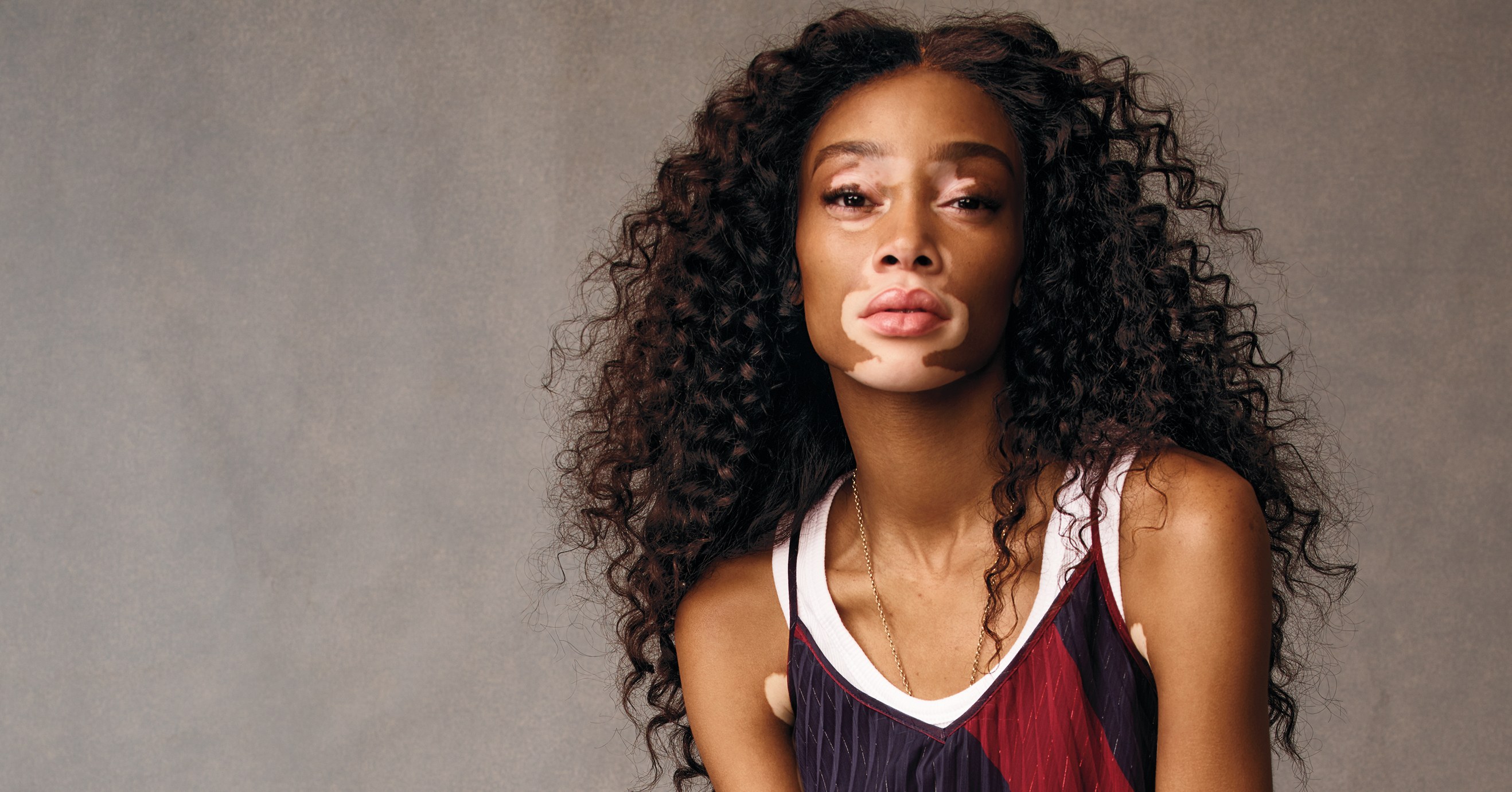
Best Hyperpigmentation and Dark Spot Treatments for Women of Color


If you’ve ever dealt with hyperpigmentation—those pesky dark spots caused by excess melanin production—you know it can sometimes feel like a nightmare to deal with. Just about everyone can suffer from the effects of the condition, but according to San Antonio-based dermatologist Lindsey Finklea, women of color are significantly more prone to getting it.

Whether it’s from sun damage, inflammation, or acne scars, the clusters of flat, dark patches and uneven texture are notoriously stubborn when it comes to fading on darker skin. The process only gets more frustrating with the myriad of different serums and creams on the market that claim to do the job but inevitably fall short. I personally have struggled finding products that work on my medium-to-dark complexion for years now, even with privileged access in the industry, so I did what I always do: turn to my trustworthy network of women of color on Facebook.

These women come from different backgrounds, income brackets, cities, and age groups, which allows me access to a diverse pool of solid, real-life suggestions. So, should you be in the same boat trying to narrow in on the products worth giving a shot, here are the products eight women of color swear by to tackle dark spots for good.


Source link

Categories
Health

This 'SNL' Parody of Arie Luyendyk Jr. From 'The Bachelor' Is Spot On


There are a few things we know after three weeks of watching this season of The Bachelor. First, Arie Luyendyk Jr. has been on a ~ journey ~ when it comes to love: He was on The Bachelorette five years ago, when he got his heart shattered by Emily Maynard. He’s also friends with former Bachelor Sean Lowe and Catherine Giudici, who are happily married with a baby. And he races cars. Otherwise, the guy is still kind of a mystery, even after hours of watching him watch a dozen women wrestle and crash into each other like bumper cars. Luckily, the season has given SNL plenty of material for its tradition of Bachelor parodies—giving us an almost too realistic impression of Arie and the women competing for his heart along the way.

Arie (played by Alex Moffat) is introduced as “Car Hunk,” who, “depending on the light, is handsome.” He meets all of the female contestants during a cocktail party before a rose ceremony and tries to get to know them. Of course, they each interrupt the conversations, asking, “Sorry, can I steal him for a sec?” The girls rotate in and out of the frame, sitting next to Arie and saying, “Mmm, I like this”—never really bonding with the Bachelor at all. Melissa Villasenor’s impression of short-haired Bekah is also dead-on brilliant.

SNL has done some pretty amazing parody sketches of past Bachelors, including Chris Soles as “Farm Hunk”, Ben Higgins as “Bland Man”, and Nick Viall as “Beard Hunk”. You might as well pull up a chair now, because they’re all gold.

Watch the full skit here:

[embedded content]

Related Stories:
Arie Luyendyk Jr. Is Your Next ‘Bachelor,’ and Honestly Who Asked for This?
‘The Bachelor’ Contestants Revealed: Here Are 29 Women Who Are Too Good for Arie Luyendyk Jr.
Meet Chelsea Roy, Our New Favorite ‘Villain’ on Arie Luyendyk Jr’s Season of ‘The Bachelor’


Source link