Categories
Health

How to Treat Eczema, Especially When It's Severe


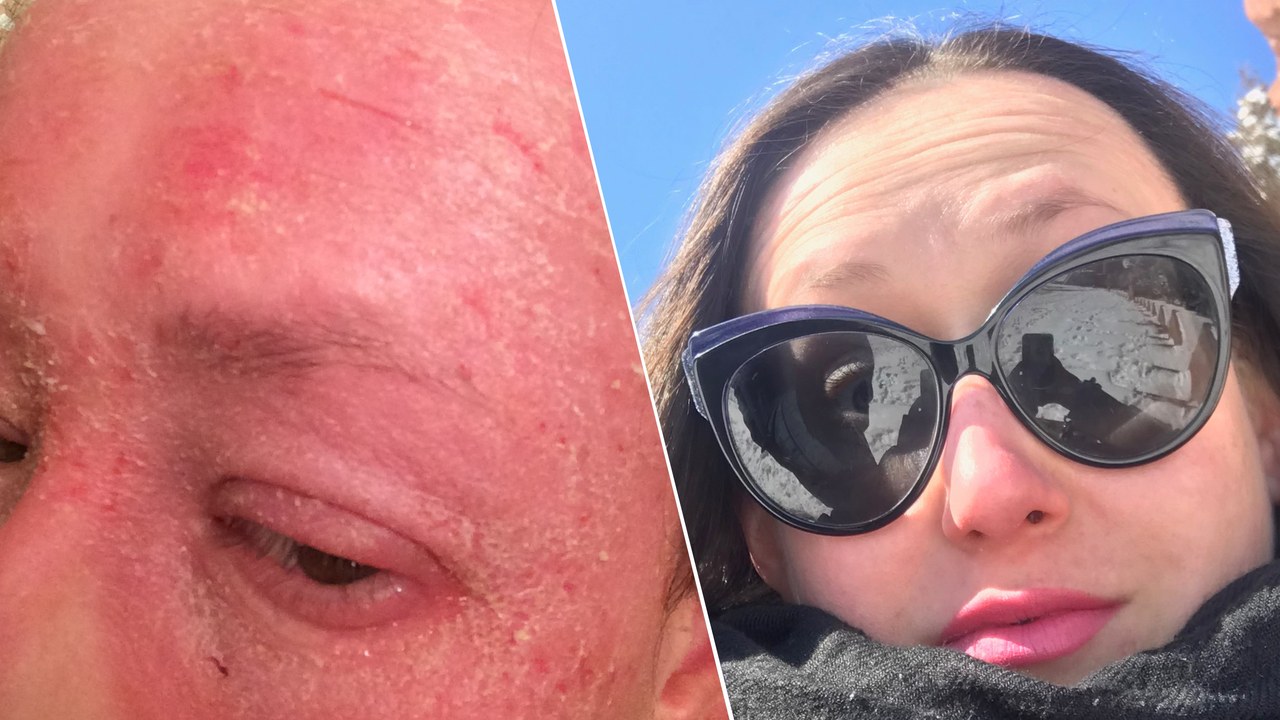
I’ve learned a lot about severe eczema (or atopic dermatitis, as it’s officially called) in the past six years since I’ve developed it. Flaky, red, patchy, cracked, oozing, weeping, swollen, crusty, rashy—that doesn’t begin to cover its effects. The symptoms can vary wildly daily, even hourly. It’s an endless round of roulette where your body’s largest organ is at stake. I can’t really predict what I’ll fall asleep with nightly, wake up to every morning or be sidetracked by come midday. Eczema can manifest as an intense itch behind one knee with no visible symptoms or a raised, bumpy rash trailing across my stomach. Or, half my forehead suddenly red and puffy, then wet and weepy at the inevitable slightest scratch. It’s complicated—for those living with it, and even for the professionals that study it.

“We don’t yet know all the factors leading to the development of eczema, but we do understand more and more that it’s a combination of several genetic and environmental factors,” says Elizabeth Wallace, M.D., Assistant Professor of Dermatology at the University of Colorado. “Eczema results from dysregulation of the immune system, which leads to inflammation in the skin.”

Here’s what we do know undeniably: “It’s extremely itchy; that’s the hallmark,” says Heather Summe, M.D., a dermatologist at New York’s Northwell Health Medical Group Dermatology. “Skin cells usually are held together, forming a barrier that helps skin retain its moisture and prevents things from getting in—people with eczema have a defective barrier. As a result, your skin loses moisture more easily, which also makes it more likely for allergens and irritants to get in.” When this happens, inflammation and sensitization can also spur other conditions like asthma and seasonal allergies. These, along with eczema, form what derms call the “atopic march.” (The takeaway: Besides its immediate effects, eczema can make our bodies more susceptible to other conditions too.)

How to Treat Eczema

I’ve learned to constantly be on alert when touching gym equipment, sleeping in hotel sheets, trying clothes on in a fitting room, or even applying mascara. A stranger’s perfume in a crowded elevator or subway car could set my skin off. So can public hand soap or scented detergents. Above all, less is more when it comes to topical products.

“Go for minimal ingredients and less fragrance, because many people with eczema are allergic to fragrance,” advises Emma Guttman, M.D., Director of the Laboratory of Inflammatory Skin Diseases at Mount Sinai’s Icahn School of Medicine.

“Avoiding triggers is also really important,” Wallace says of the factors that spark flare-ups. My own triggers are both varied and inconsistent, so it’s difficult to play detective. To give you an idea, the list includes climate, weather changes, dust, pollen, stress, inadequate sleep, alcohol, spicy foods, and my own sweat.

To treat my eczema, I’ve been prescribed five different topical steroid treatments, the most effective being Triamcinolone Acetonide .1% ointment, which I sometimes dilute with moisturizer for large areas. Options abound beyond topical steroids for moderate to severe case, like immunosuppressants, immunomodulators, and biologic injections. These require a doctor visit, but there’s also plenty of over-the-counter remedies and hacks you can try. Below, the ones that have saved my skin.

The Right Way to Wash

According to Dr. Summe, you really only need to cleanse the underarms, groin and feet. Use a gentle, fragrance-free, low-pH cleanser and keep showers and baths brief (10-15 minutes, max). My favorite formula is CeraVe’s facial cleanser, which I use from head to toe. (I bring the travel-sized bottle to the gym and on vacation.) The formula contains ceramides, which form a protective platelike barrier on the skin. In cold, dry weather, I alternate CeraVe or Cetaphil washes with Eucerin’s Skin Calming Body Wash, a light oil-based formula that feels richer but washes off cleanly.



Source link

Categories
Health

Gisele Bündchen Says She Once Considered Suicide After Severe Panic Attacks


Trigger warning: This post contains information that may be triggering to people who’ve experienced suicidal thoughts.

In a new interview with People, supermodel Gisele Bündchen opens up about the mental health scare that changed the course of her life.

“Things can be looking perfect on the outside, but you have no idea what’s really going on,” Bündchen said, explaining why she decided to share her mental health issues in her upcoming book, Lessons: My Path to a Meaningful Life. “I felt like maybe it was time to share some of my vulnerabilities, and it made me realize, everything I’ve lived through, I would never change, because I think I am who I am because of those experiences.”

Bündchen said she experienced her first panic attack in 2003, during a bumpy flight, and subsequently developed a fear of enclosed spaces, like tunnels and elevators. “I had a wonderful position in my career, I was very close to my family, and I always considered myself a positive person, so I was really beating myself up. Like, ‘Why should I be feeling this?’ I felt like I wasn’t allowed to feel bad,” she said. “But I felt powerless. Your world becomes smaller and smaller, and you can’t breathe, which is the worst feeling I’ve ever had.”

Bündchen told People she started looking for any way to make her panic attacks stop. “I actually had the feeling of, ‘If I just jump off my balcony, this is going to end, and I never have to worry about this feeling of my world closing in,'” she said. She sought the help of a specialist, and was prescribed Xanax, which didn’t sit well with her. “The thought of being dependent on something felt, in my mind, even worse, because I was like, ‘What if I lose that [pill]? Then what? Am I going to die?’ The only thing I knew was, I needed help,” Bündchen said.

She continued to meet with doctors, and eventually decided to completely overhaul her lifestyle. She changed her diet and added yoga and meditation to her routine. “I had been smoking cigarettes, drinking a bottle of wine and three mocha Frappuccinos every day, and I gave up everything in one day,” the mom of two said. “I thought, if this stuff is in any way the cause of this pain in my life, it’s gotta go.” She also broke up with then boyfriend Leonardo DiCaprio, explaining that she felt somewhat “alone” in her determination to change her life so dramatically—but there are no hard feelings between the former couple. “Everyone who crosses our path is a teacher, they come into our lives to show us something about ourselves,” she said. “And I think that’s what he was. What is good versus bad? I honor him for what he was.”

If you or someone you know is struggling with suicidal thoughts, please contact the National Suicide Prevention Lifeline at 800-273-8255.

Related Stories:

Here’s Why Gisele’s Trainer Says You Shouldn’t Be Aiming for Six-Pack Abs

Tom Brady Cut a Radio Interview Short After Host Called His Daughter a “Pissant”


Source link

Categories
Health

Lady Gaga Has Been Hospitalized for Severe Pain Ahead of Show in Rio


Lady Gaga shared with her fans that sadly she will no longer be able to perform at the Rock in Rio music festival in Brazil this weekend due to a recent hospitalization. She was taken to the hospital yesterday for “severe physical pain.” She wrote to her fans in an emotional Instagram post, revealing “it is not simply hip pain or wear and tear from the road, I am in severe pain.” (You might remember that in 2013, Lady Gaga cancelled some of her Born This Way Ball shows due to a hip injury, but it seems this is unrelated to that incident).

She went on to say “Brazil, I’m devastated that I’m not well enough to come to Rock In Rio. I would do anything 4 u but I have to take care of my body right now. I ask for your grace and understanding, and promise that I will come back and perform for you soon. ? I’m so sorry, and I love you so much. ?”

She also shared a more formal medical statement on her condition:

Lady Gaga takes her health seriously, and it’s clear she’s devastated that she won’t be able to make the show in Rio. She snapped a photo of her “Rio” tattoo and posted the meaning behind it on Instagram. “Remember years ago when I tattooed Rio on my neck, the tattoo was written by children in the favelas. ?? You hold a special place in my heart I love you.”

The festival, which starts today, will go on as planned and feature music from Maroon 5, Fergie, Aerosmith, Bon Jovi, Red Hot Chili Peppers and Guns N’ Roses, but certainly Lady Gaga will be missed. Here’s hoping for a smooth and safe recovery.

See More:

Selena Gomez Reveals She Had a Kidney Transplant in an Emotional Instagram Post

Francia Raisa on Donating Her Kidney to Selena Gomez: ‘Love You, Sis’

Um, Doctors Really Need to Start Taking Women’s Sexual Problems Seriously

The Real Reason Lady Gaga and Taylor Kinney Broke Up Is So Heartbreaking


Source link