Categories
Health

What Sweetbitter Gets Right—and Wrong—About Toxic Restaurant Culture


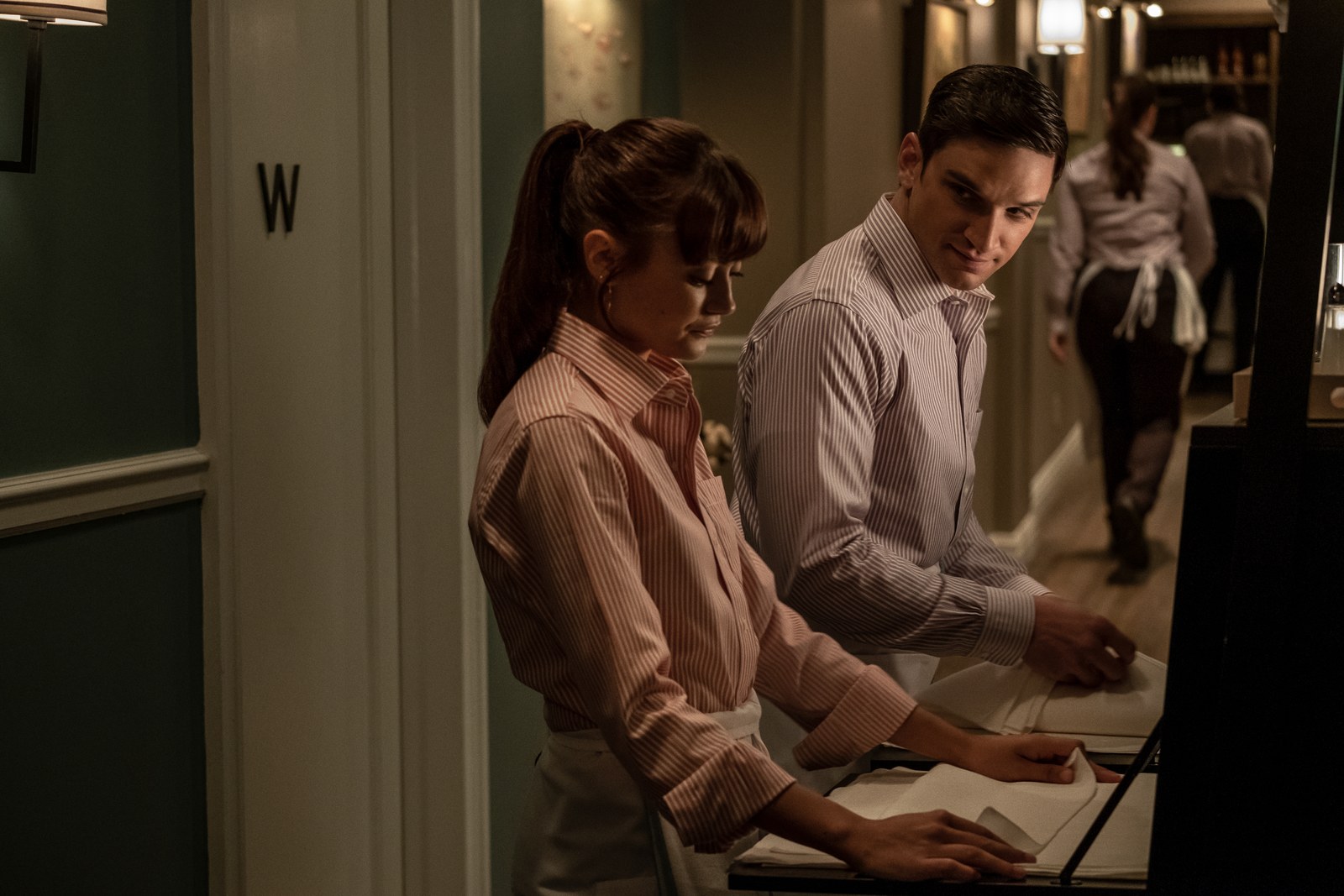
“[I think] Sweetbitter can’t tell the difference between making a joke about how a piece of ginger looks phallic and blatant racism and sexual harassment,” says Sophie*, 29. She’s worked as a barista, waitress, and bartender over the years and has, along with the other women interviewed here, watched the first season of the show.

In the real world, Sophie says she’s experienced harassment with disturbing frequency: She remembers seeing a chef snap the exposed thong of a server who had bent over to pick something up. In another incident, Sophie says she went to her boss, a restaurateur who encouraged staff to report harassment, in tears over the harassing texts a male coworker had sent after they got in an argument at work. The coworker was disciplined, and the texts stopped.

Macall Polay/STARZ

To Sophie, the most demoralizing aspect of restaurant work is actually mistreatment from customers—an issue which Sweetbitter addresses more directly in season two. One memory still makes her shudder: While working as a cocktail waitress, a customer commented that her “bra fit really well.” She felt she couldn’t tell him off without risking her job.

Sweetbitter focuses on sexual tension and partying, but it doesn’t really show how draining and demeaning it can be to work in the industry,” Sophie says. “Being treated like you’re second class or like you’re an idiot [by customers] gets exhausting.”

Lilly*, 29, has worked in food service for over a decade. She says one of her biggest challenges has been watching women, herself included, get overlooked for raises and promotions while male colleagues confidently sought out and were awarded these accolades. And like Sophie, she’s dealt with abusive customers.

“I was talked down to, spit at, shamed, and made to feel ‘less than’ for no other reason than my job. Classism is alive and well,” she explains. “Tess is an earnest twenty-something who always looks adorable. That was not my reality. I felt disgusting and mortified constantly.”

Sweetbitter does get a lot right, though. “I thought the way Tess was objectified seemed pretty accurate,” Lilly says. “She’s young and therefore immediately the target of aggressive flirtations. She’s also constantly navigating unwritten rules. I do think the show captures that sense of being brand new and entering a fully-formed universe.”

The scenes in which the staff enjoy free drinks at the bar after the restaurant’s closed are also familiar to the women I talked to. Sophie recalls feeling pressured to participate in these nightly rituals to build camaraderie amongst the team. Once, she agreed to take shots with a fellow server in the bathroom during dinner service, worried she’d alienate her coworkers if she refused. When they were caught, she nearly lost her job.


Source link

Categories
Health

What ‘Shrill’ Gets Right—and Wrong—About the Morning-After Pill Weight Limit


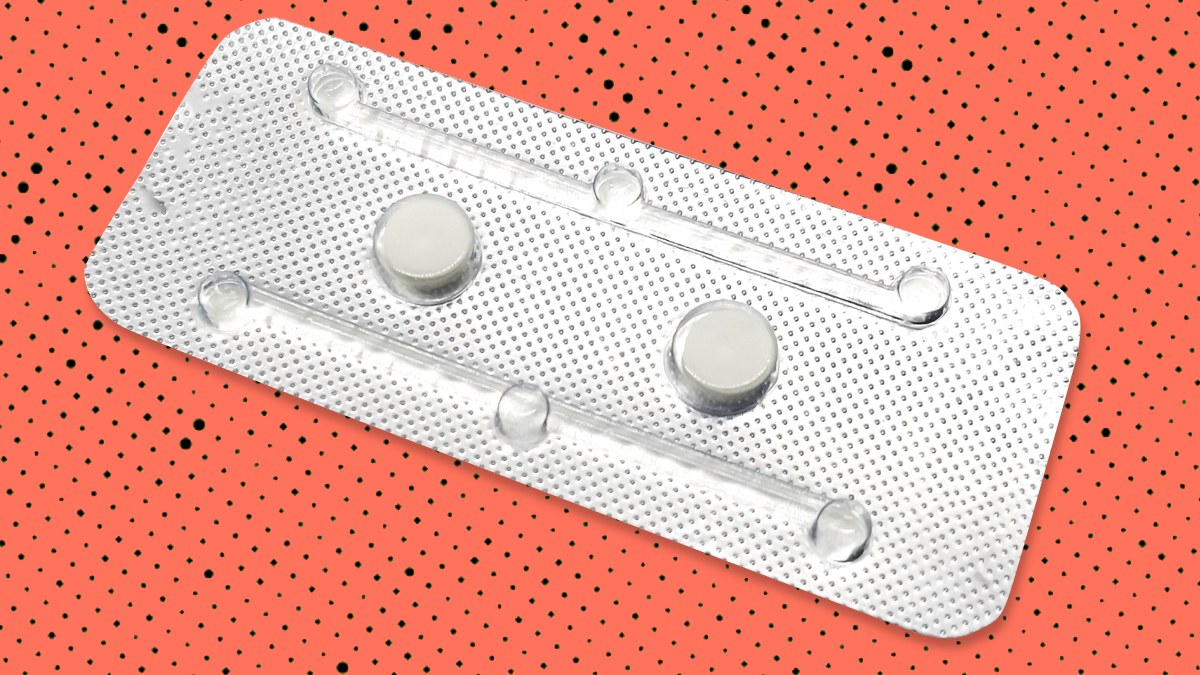
Shrill, a new show starring Aidy Bryant and cowritten by Bryant and author Lindy West, drops a casual bomb in its first episode, which premieres on Hulu today: There’s a morning-after pill weight limit.

Annie, the main character based on West in her hilarious memoir, realizes her period is late after an unprotected hookup with her shady nonboyfriend. Standing at the pharmacy counter, positive pregnancy test in hand, she asks how on earth she could be pregnant after taking the morning-after pill. “Do you weigh over 175 pounds?” the pharmacist asks coolly. “The morning-after pill is only dosed for women 175 pounds and under.”

The idea that the morning-after pill might not be effective for heavier women isn’t fiction. There are no warnings about efficacy and weight on the package of the emergency contraception Plan B, even though evidence suggests that the morning-after pill might be less effective for heavier women. “Women who are heavier are going to have a higher failure rate [with emergency contraception] than women who are of normal weight,” says Lauren Streicher, M.D., a clinical professor of obstetrics and gynecology at the Feinberg School of Medicine in Chicago. “Basically women who are obese have between a two- and fourfold higher risk of pregnancy than a woman of normal weight.”

Several studies back this up. A 2016 review of research on emergency contraception (EC) using levonorgestrel (like Plan B) and ulipristal acetate (like Ella) to prevent pregnancy found evidence that women over 175 pounds do indeed have a higher chance of getting pregnant after taking the morning-after pill—about 6 percent, which is about the same odds of getting pregnant without using any contraception.

Cue the collective What?! Why are women not warned about the morning-after pill weight limit?

The short answer is that there’s not quite enough data to warrant an FDA warning label detailing that the birth control method might not actually be an effective safety net for heavier women. Since pregnancies after taking EC are still rare, the data set is small and there are still woefully few studies on the effectiveness of birth control in larger-bodied women. In 2016 the Food and Drug Administration reviewed the available research and ruled the data was still “too limited to make a definitive conclusion.”

The higher risk of getting pregnant doesn’t mean larger-bodied women should forgo taking EC. “It doesn’t mean it’s ineffective—that would be completely the wrong word to use,” Dr. Streicher says. Officials in the EU actually did add a warning to the box of the European version of Plan B back in 2013, stating it became less effective for women weighing 165 pounds and totally ineffective for women weighing over 175, but the following year they reversed that decision, concluding that women of all weights should continue to take EC, since the “benefits are considered to outweigh the risks.”

“I tell patients anytime they use emergency contraception, there’s always a possibility of failure,” Dr. Streicher says, “and that if they’re overweight, that possibility of failure is more common. It doesn’t mean it’s ineffective—it means it’s less effective.”

The morning-after pill is never a 100 percent guarantee—everything from how soon you take it, to where you are in your cycle, to yes, weight, can impact how effective it is at preventing pregnancy. But if you’ve had unprotected sex, it’s still better than nothing, Dr. Streicher says.

That’s not exactly the most comforting thought. But heavier women do have another, more effective option: a copper IUD. The nonhormonal IUD works by creating a sperm-killing inflammatory response in your uterus, which starts working immediately (and can be inserted up to five days after unprotected sex). For most women a trip to the gyno for an IUD insertion is less preferable to popping a pill, but if you’re really worried about getting pregnant, it’s “the most effective method of emergency contraception,” for women at any weight, Dr. Streicher says. And you can of course leave it in for long-term birth control.

The important thing is that women are educated about the effectiveness of the morning-after pill—before they end up brandishing a positive pregnancy test at the pharmacist.


Source link