Categories
Health

To Cope with My Father's Suicide, I Had to Learn to Love My Grief


November 17 marks International Survivors of Suicide Loss Day, dedicated to those affected by suicide loss.

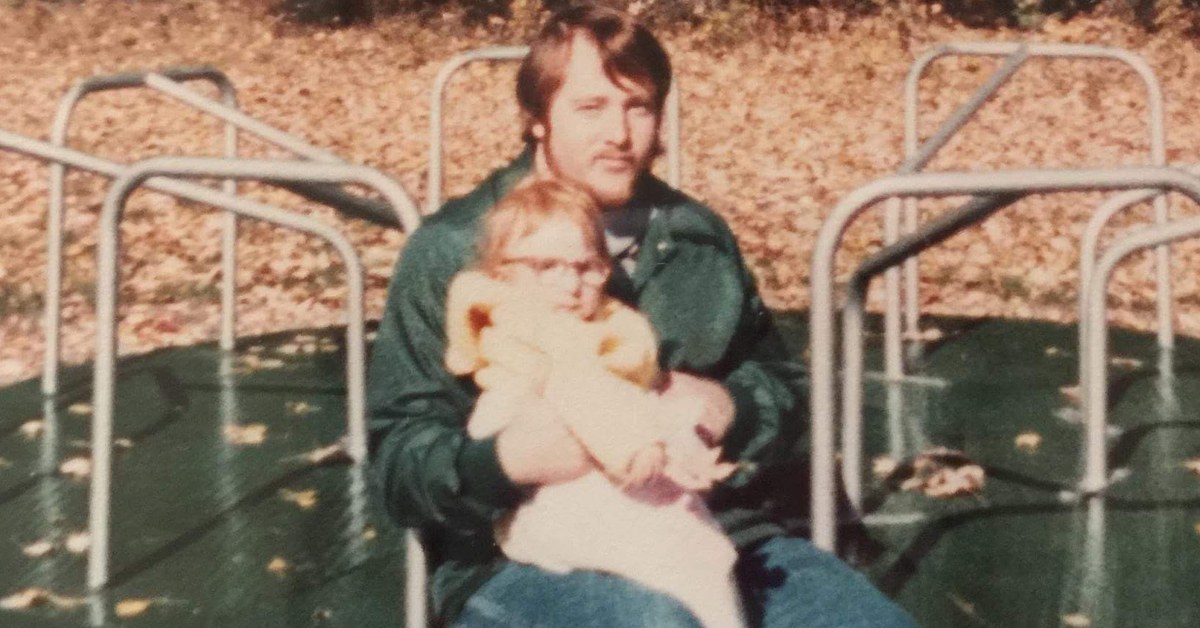
At 21, I thought I knew exactly who I was: Daughter, sister, friend, student, woman with a disability. I was halfway through college and felt like a butterfly excitedly fluttering it its cocoon, just itching to break free and fly. Then, on a regular Monday morning—15 years ago this year—my father died from suicide.

Just like that, my whole life changed. My father’s death was sudden, unexpected, devastating—but above all, it was confusing. For the first time in my life, I felt lost.

Didn’t the universe know this wasn’t supposed to be my life? The suicide of a loved one leaves you in limbo with no way out—full of unfinished business and unsaid words that you’ll never get the chance to say. It’s the ultimate in cruelty—suicide keeps taking things long after the person has died. You’re forever reminded that there should have been more. More birthdays. More family road trips. More memories. More time. More. More. More.

As my family grieved, I felt out of place. Twenty-one is a weird in-between age—I felt on the cusp of adulthood but still wanted the guidance and reassurance of my parents. There were grief books for widows and grief books for children and teenagers, but no one really talked about what it’s like to lose a parent when you’re in your early 20s. Unlike “widow” or “child,” there was really no label that quite described the sense of loss I carried.

No grief book could tell me what it would feel like to see reminders of my father: birthdays, holidays, little girls holding their dad’s hand. Even worse, there was no way to prepare myself for what it would feel like to graduate from college and not pick out my dad’s smiling face from the crowd as I accepted my diploma. When a loved one commits suicide, they’re both everywhere and nowhere.

The most distressing and concerning thing about being left in the aftermath of a loved one’s suicide, I came to realize, is that it decimates your sense of identity. I was no stranger to feeling different—growing up with a physical disability, I was used to feeling different from my peers—but my father’s death brought with it an entirely new sense of isolation. I suddenly felt like a stranger in my own life, isolated from the person I used to be.

A loved one’s suicide doesn’t just leave you mourning for their life, it also leaves you mourning for your own.

That’s the thing no one tells you about dealing with a loved one’s suicide: It doesn’t just leave you mourning for their life, it also leaves you mourning for your own. A part of me died that day too. It took me a long time to realize in the aftermath of suicide, you have to grieve not just for your loved one, but for yourself, too.

I found myself again in subtle ways, little by little. A decade in therapy helped me deal with the effects of my father’s death. Blogging about my journey also helped. But what has made the biggest difference in my well-being is letting myself lean into my grief instead of running from it.

We’ve been conditioned to believe that grief is a bad word and something to be avoided. We even like to tell people how to grieve, when to grieve and, perhaps most importantly, when to stop grieving and just move on. But the more I talked and wrote about my grief, the more I realized that grief isn’t the enemy. Everyone’s grief is different—it’s as unique and individual as the losses we experience—but owning my grief, finally helped me find some relief for all my anxiety and sadness. Grief is not out to get you—it can actually be there to help you.

I like to think my 21-year-old self is still with me, tucked inside my heart, maybe even right next to the spot where my grief resides. I think there’s a place for all three of us—my grief, the girl I used to be, and the woman I am today—to coexist. All three make up the fabric of who I’ve become and in a way, they’re all linked. You can’t really have one without the other two. There’s a certain beauty in that.

When I remember that, I can tell the 21-year-old girl trying to piece together her life in the fallout of suicide that everything is going to be okay. I can spread my wings and my grief and I can finally get the chance to fly.

Melissa Blake is a freelance writer and blogger covering disability rights and women’s issues. She has written for The New York Times, CNN and Glamour, among others.

Source link

Categories
Health

Gisele Bündchen Says She Once Considered Suicide After Severe Panic Attacks


Trigger warning: This post contains information that may be triggering to people who’ve experienced suicidal thoughts.

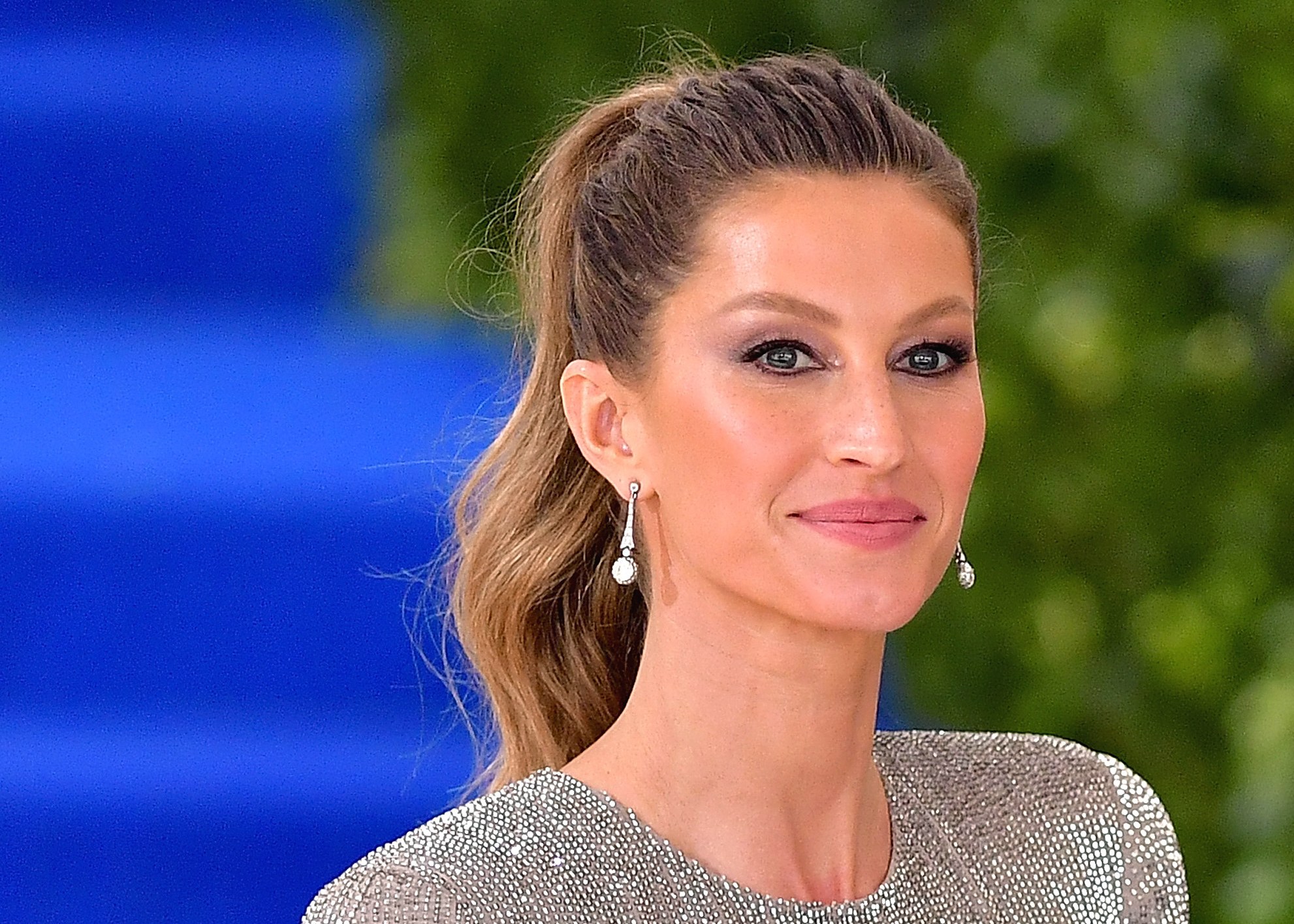
In a new interview with People, supermodel Gisele Bündchen opens up about the mental health scare that changed the course of her life.

“Things can be looking perfect on the outside, but you have no idea what’s really going on,” Bündchen said, explaining why she decided to share her mental health issues in her upcoming book, Lessons: My Path to a Meaningful Life. “I felt like maybe it was time to share some of my vulnerabilities, and it made me realize, everything I’ve lived through, I would never change, because I think I am who I am because of those experiences.”

Bündchen said she experienced her first panic attack in 2003, during a bumpy flight, and subsequently developed a fear of enclosed spaces, like tunnels and elevators. “I had a wonderful position in my career, I was very close to my family, and I always considered myself a positive person, so I was really beating myself up. Like, ‘Why should I be feeling this?’ I felt like I wasn’t allowed to feel bad,” she said. “But I felt powerless. Your world becomes smaller and smaller, and you can’t breathe, which is the worst feeling I’ve ever had.”

Bündchen told People she started looking for any way to make her panic attacks stop. “I actually had the feeling of, ‘If I just jump off my balcony, this is going to end, and I never have to worry about this feeling of my world closing in,'” she said. She sought the help of a specialist, and was prescribed Xanax, which didn’t sit well with her. “The thought of being dependent on something felt, in my mind, even worse, because I was like, ‘What if I lose that [pill]? Then what? Am I going to die?’ The only thing I knew was, I needed help,” Bündchen said.

She continued to meet with doctors, and eventually decided to completely overhaul her lifestyle. She changed her diet and added yoga and meditation to her routine. “I had been smoking cigarettes, drinking a bottle of wine and three mocha Frappuccinos every day, and I gave up everything in one day,” the mom of two said. “I thought, if this stuff is in any way the cause of this pain in my life, it’s gotta go.” She also broke up with then boyfriend Leonardo DiCaprio, explaining that she felt somewhat “alone” in her determination to change her life so dramatically—but there are no hard feelings between the former couple. “Everyone who crosses our path is a teacher, they come into our lives to show us something about ourselves,” she said. “And I think that’s what he was. What is good versus bad? I honor him for what he was.”

If you or someone you know is struggling with suicidal thoughts, please contact the National Suicide Prevention Lifeline at 800-273-8255.

Related Stories:

Here’s Why Gisele’s Trainer Says You Shouldn’t Be Aiming for Six-Pack Abs

Tom Brady Cut a Radio Interview Short After Host Called His Daughter a “Pissant”


Source link

Categories
Health

Fashion Designer Kate Spade Found Dead After Apparent Suicide


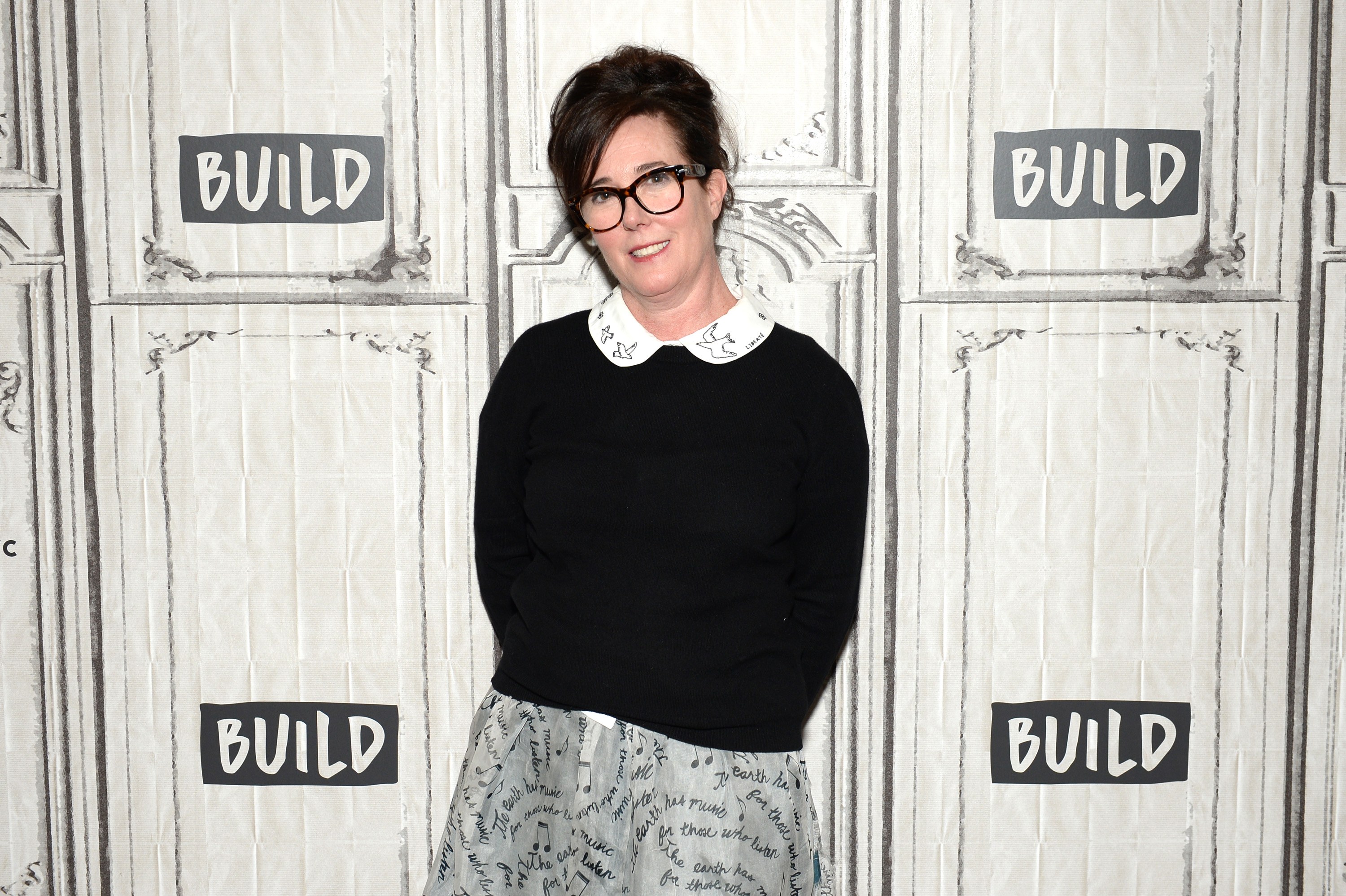
Fashion designer Kate Spade was found dead on Tuesday morning in her New York City home. Though few details have emerged authorities are reporting her death was an apparent suicide.

According to a New York Police Department spokesman, a housekeeper discovered Spade, who was “unconscious” and “unresponsive” in her Park Avenue apartment at around 10:20 a.m. Tuesday and was pronounced dead at the scene. She was 55 years old.

Spade launched her eponymously named handbag line in 1993 alongside her then-boyfriend Andy Spade who she met while attending Arizona State University. As TMZ reported, the two got married one year later in 1994 and watched their brand flourish over the years to include both clothing and jewelry lines. The pair also had one daughter together, Frances Spade.

The pair sold a majority stake of the company in 1999, CNBC reported, to the department store Neiman Marcus for an undisclosed amount of money. In 2007, the brand was then sold for $125 million to a group then known as Liz Claiborne. In 2017, the brand was sold again to Coach for $2.4 billion, however, neither Kate nor Andy saw a dime from that acquisition as they had both relinquished any remaining shares, according to Forbes.

“When we sold the company in 2007, it was really to focus on our family. It really was. It was a grind. I had just had a baby,” Spade told CNBC in 2016.

Following the sale of Kate Spade, the pair went on to launch a new line named after their daughter, Frances Valentine.

“My grandfather, father, brother, and my daughter’s name is Frances. And then Valentine was my mom’s dad’s middle name because he was born on Valentine’s Day,” Spade told WWD in November 2015 about the line’s name. Both the Kate Spade and Frances Valentine brands continue to be sold in stores and beloved by fans around the world today.

If you or someone know are in crisis, call the National Suicide Prevention Lifeline at 800-273-8255 or reach out to the Crisis Text Line by texting ‘Home’ to 741741.

This story is developing.


Source link