Categories
Health

The CW's Nancy Drew Review: It's an Even Sexier, Scarier Version of Riverdale


As for the Riverdale comparisons, McMann gets it. Both shows are melodramas that center on beautiful teens in frightening situations—but she makes it clear there are a few significant differences between the two.

“There are very natural similarities you can draw,” she says. “It’s a group of friends going around, solving mysteries, getting themselves wrapped up in some dark and scary things. But there’s a little bit more grittiness [in Riverdale]. I think our show is a little more subtle. Part of the whole Riverdale thing is that they’re playing comic book characters, and it’s a comic book world.”

McMann makes a good point here. Because Riverdale is based on Archie Comics, the storylines and characters can be a bit more outlandish. Archie, Veronica, and the gang are all painted colorfully with broad strokes, while the characters in Nancy Drew are more difficult to define. Take Nancy’s coworker Bess (Madison Jaizani)—she seems like a Cheryl Blossom archetype at first, but she softens as the pilot unfolds. And George Fayne (Leah Lewis), Nancy’s boss, appears type-A and straight-laced but is actually hiding a monumental secret. (I won’t tell you what.) In that respect, the show is a bit more grounded in reality than Riverdale.

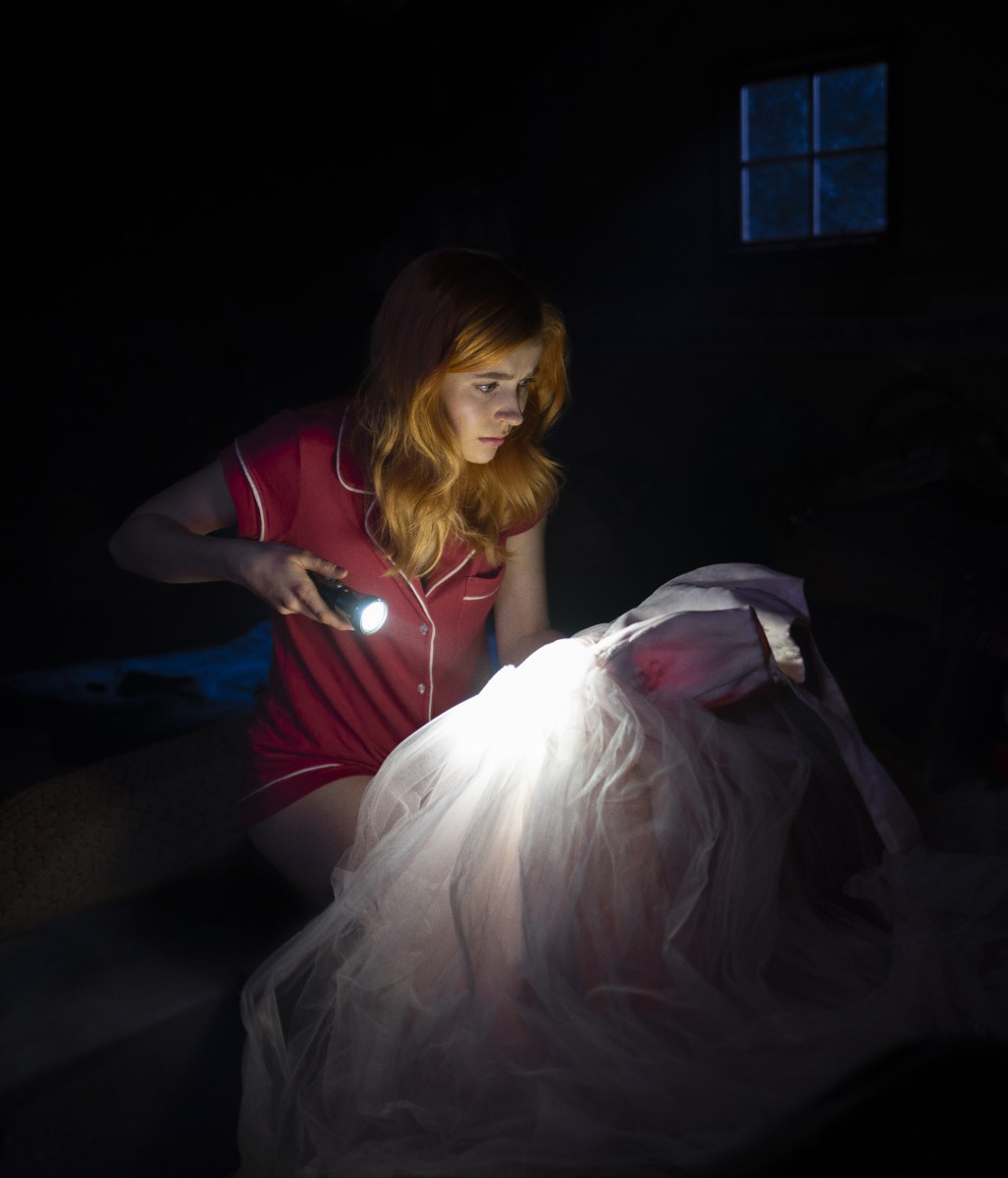
But it’s not realistic in other ways⁠—namely, the ghosts. Yes, there are spirits in this Nancy Drew reboot. One, in particular, is Nancy’s primary suspect in the show’s central murder mystery. I’m not kidding: She thinks a ghost killed a living, breathing human being. In this world it’s totally plausible.

“There’s a huge slant to the supernatural,” McMann says. “This is a ‘Ghosts are real. Very, very real’ story. There’s this darker side of the reality of all these supernatural beings and how actually terrifying they are. Though there have definitely been nods to the supernatural throughout the Nancy Drew book series and the original canon, it was definitely surprising to me when I first read the script. It still is as we get more and more scripts. I’m like, ‘Oh, we’re really going there.'”

McMann thinks the show’s horror elements make it more compelling. “It’s like this weird combination of Scooby Doo and Twin Peaks,” she says. (Riverdale, if you remember, also garnered Twin Peaks comparisons when it first debuted.) “It’s so mysterious and scary, but then the characters kind of make light of it. There are moments where it’s very intense, but then afterwards it’s like, ‘Hey, guys! Wow, wasn’t that wild?'”

© 2019 The CW Network, LLC. All Rights Reserved.

One thing McMann hopes viewers don’t find wild is Nancy’s inherently feminist characterization. In this version she’s viewed as a reliable crime scene investigator—the fact that she’s an 18-year-old doesn’t factor at all. “Nancy’s always been a little bit of a rebel, paving her own way and defying female expectations,” she says. “Nancy is who she is, and nobody’s questioning what she’s doing. There’s no, ‘Wow, she can do that and she’s a girl!’ Of course she can. Nobody questions it because that’s who she is, and that’s the world that we’re living in.”



Source link

Categories
Health

Tatcha Water Cream Review: A Savior for Winter-Dry Skin


There’s absolutely nothing that gets me excited about winter approaching—not snowstorms, not practical shoes, and definitely not the need to have to invest in a puffer jacket over a cute high-waist bikini. But there is one thing that makes cooling weather—and the annoying problems it brings—much more tolerable. And that’s Tatcha’s The Water Cream moisturizer.

For the most part my skin behaves. It doesn’t break out that frequently and it isn’t oily. But when winter comes around, it dries out faster than wet boots in front of a radiator, which is to say my more or less slapdash evening skin-care routine suddenly becomes a thing lest my face cracks off.

I’m typically not someone big on moisturizing. Much to my friends’ dismay, I usually end my night with a face wipe and call it a day. But I am someone who can be easily persuaded to buy things if they’re pretty, and nothing completes a top shelf like Tatcha. So last winter, when a particularly frigid week was wreaking havoc on my skin, I went down a Sephora rabbit hole and came up with the brand’s Water Cream.

Not only is it one of Tatcha’s best-selling products, it sold out twice over when it first launched, making it one of Sephora’s top-selling moisturizers. When you read the reviews—and better yet, what’s in the formula—you immediately get why.

For one, the cream is described as providing a “water-burst,” which is just as incredible as it sounds. Putting it on feels like hydrating your face with magic. Victoria Tsai, the founder of Tatcha, describes the cream as a “sprinkler for your skin.” The formula is made with Japanese wild rose, which is known to help even out skin texture, and Japanese leopard lily, to control any excess oil in order to prevent breakouts. But it isn’t just packed with botanicals; it’s also filled with powerful Japanese superfoods like green tea, rice, and algae that help restore radiance. To top it all off, the cream has 23-karat gold infused in it to give your skin subtle (but not shimmery) glow. And really, what’s more luxurious than that? Hm, maybe the tiny golden spoon it comes with?

Don’t be fooled by its size or the amount of moisturizer it scoops out, though. A little goes a long way. Just a pearl-sized amount (or one scoop) is enough to drench my face, which my skin promptly drinks up and repays me with a lack of dry, flaky patches—even in the dead of winter. The refreshing effect gives my face the appearance equivalent of a full eight hours of sleep—dewy and so incredibly bright.


Source link

Categories
Health

Netflix's The Politician Review: It's a Hilarious Mix of Glee, Scream Queens, and, The Act


“I love to take bites out of the very confrontational nature of Payton and the over-confidence and the sort of lack of empathy and lack of regard for anyone else’s motives and feelings, because I’m very much not like that,” Platt tells Glamour about his character, who, at one point in the pilot, literally ponders whether or not he’s a sociopath. “It was delicious to play someone who is so headstrong and walks into a room and believes he’s the best person in the room.”

Boynton has similar feelings about playing the antagonistic Astrid. “She can be such a powerhouse and power presence, and I love those moments,” she says. “That happens mostly at her worst, and I love that part of her. I love playing Astrid at her most aggressive. She has such a presence and is not in the slightest afraid to take up space in the room.”

That aspect of The Politician is definitely refreshing. The female characters on the show—whether that’s Astrid, Dusty, or Georgina—aren’t concerned with being “likable.” They have elections to win, scams to execute, or mansions to iconically glide around. These women aren’t necessarily realistic, but they’re not idealized, either. They’re self-indulgent, over-the-top, occasionally villainous, and always entertaining. Think Chanel Oberlin from Scream Queens after 15 espresso shots.

Which, again, isn’t everyone’s cup of tea. The Politician paints its characters boldly and with broad strokes. It’s satirical and cynical and, at times, a bit dark. That aforementioned tragic event is truly devastating—and while it’s given the reverence it deserves, the pilot moves quickly back to Payton and Astrid’s win-at-all-costs antics. There’s not a ton of emotional nuance and sensitivity in The Politician. Know that before going in.

Ben Platt as Payton in The Politician.

Netflix

There are, however, several parallels to another Murphy classic: Glee. Payton could easily be the younger brother of Rachel Berry, McKinley High School’s show-choir all-star who was determined to make it on Broadway. “Payton definitely has that blind Rachel Berry, I will get it by all means necessary [motto],” Platt says.

That being said, Glee was a polarizing show, and The Politician will undoubtedly be too. It currently has a 55 percent rating on Rotten Tomatoes, so critics are pretty much down the middle. What ultimately will determine your taste for The Politician is your opinion on Ryan Murphy content. This isn’t one of his made-for-the-masses productions, like American Crime Story. His humor and brand are written all over this, in its most extreme forms. Personally, I loved it. Some will hate it. Regardless, I think you should give at least the pilot a whirl—if anything to see Gwyneth Paltrow prune flowers in full glam. I could watch nine hours of that alone.


Source link

Categories
Health

Judy Review: There Will Only Ever Be One Judy Garland—But Renée Zellweger Gets Close


My grandmother is a highly accomplished pianist—though if she heard someone put it that way, she might object, humble to the heart. Born in middle America during the Great Depression, she began playing after my great grandparents noticed her plunking out pretend concerts on a windowsill, as though it were a keyboard. Lessons cost a nickel, she told me once. They were worth it. Before she was even a teenager, my grandmother earned money playing at local venues with her father in a family band.

As far back as I can remember, I’ve been mesmerized by her ability to pluck any melody from the air and translate it through her fingertips. And when I started piano as a child, she would often watch over my practicing. Sometimes, she would play and I would sing. “Somewhere Over the Rainbow” was one of our favorite duets. Back then, I thought it was beautiful—still do. But while I have long known every lyric, it took years for me to recognize the sorrow beneath the song.

The Wizard of Oz, for which the tune was written, premiered in 1939 and was adapted from Frank L. Baum’s novel of nearly the same name, published at the turn of the century. Judy Garland was a tender 16 when she appeared in the film, a touchpoint of her career. Born Frances Ethel Gumm to vaudevillian parents, she began performing onstage as a child and signed a contract with MGM at 13.

But though Judy Garland would grow into a screen icon over the next decade, headlining beloved hits like Meet Me in St. Louis and Babes in Toyland, stardom came at the cost of her childhood. She was failed by the people who should have been her protectors and advocates. The consequence was an adult life riddled with addiction, financial troubles, failed relationships, and abuse.

David Hindley / Courtesy of LD Entertainment and Roadside Attractions

These elements of Garland’s story have been explored in biographies before and with brutal specificity in Peter Quilter’s play End of the Rainbow, set during a stint of performances Garland did in London months before she died, at 47, from an accidental overdose. That same era is the backdrop for Judy, which stars Renée Zellweger as the titular lead and is now in theaters.

Directed by Rupert Goold, the movie pivots between Garland’s teen years and troubled adulthood: lascivious threats and cruelty from Louis B. Mayer, the MGM head at the time she was filming The Wizard of Oz; extreme dietary restrictions courtesy of the studio; pills to stay awake, pills to go to sleep. According to the film, Garland takes a gig—a nightly act for sold-out crowds at a posh club called Talk of the Town—to pay off debts and make money so she can provide a more stable home for her two younger children.


Source link

Categories
Health

Starface Pimple Patch Review – How They Work on Breakouts


Traditionally, having acne is an experience that’s been…less than pleasant. In addition to being embarrassing and literally painful, it can take a toll on your finances, your career, and even your mental health—something I’ve learned first hand over the decade I’ve been dealing with it. Ever since I started fighting pimples, I understood it was something you dealt with in secret, and so I smothered my zits in concealer and hid my prescription acne cream in my medicine cabinet.

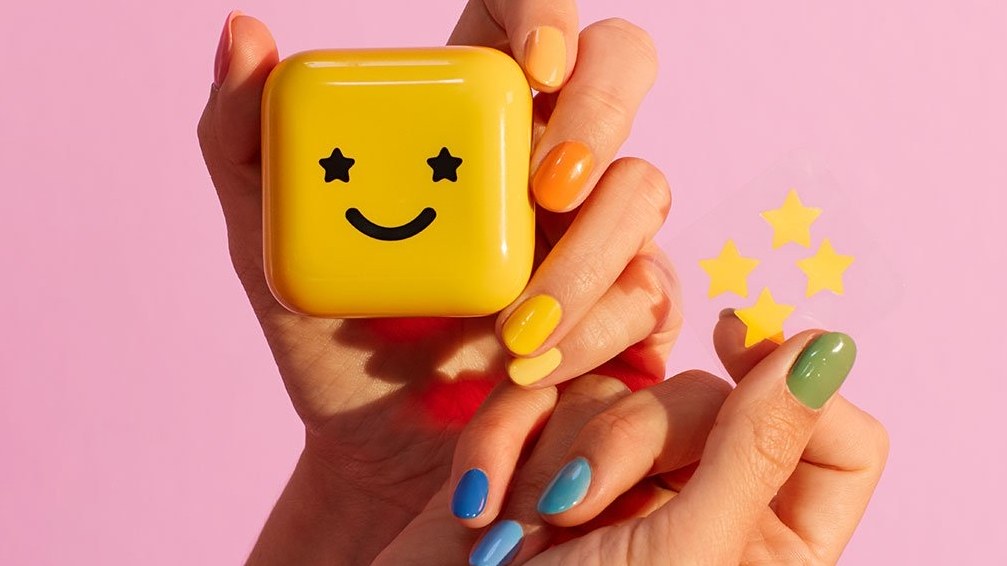
Thanks in part to the acne positivity movement, some of this stigma is starting to lift, and acne is (hopefully) becoming less of a big deal. Acne influencers (yes, really) are posting makeup-free selfies, women are starting to talk openly, and brands are helping to normalize that we all get zits. One of these brands is Starface, an acne-friendly brand that exclusively makes the star-shaped pimple patches you’re seeing all over Instagram.

The brand, co-founded by Julie Schott, a former Elle beauty director, is a “positively not boring” skin care line, meaning it has a fresh approach to fighting acne. Pimple patches are nothing new, but the brand’s messaging is—from the shape of the patches themselves to the cheeky Instagram captions written from the perspective of the product, it flips the script on everything we’ve been taught about acne. Most patches are meant to blend in and be invisible, but these call attention to blemishes. By being so cute, they’re like a little reward, akin getting a gold star on an assignment.

Personally, acne positivity is a little tricky for me to get behind. Acne is never something I will ever feel “positive” about, and so many brands get it wrong with this forced acceptance. It can also come across as a clear marketing tactic, with brands trying to sell you something to fix acne, while telling you to embrace at the same time. But Starface seems to share the same feelings about acne as I do (which could be, in part, because Schott has also dealt with acne her whole life and knows the struggle). I’m learning it doesn’t define me as a person, but it’s something I would rather not deal with given the choice.

That being said, when the Starface Hydro-Stars arrived on my desk, I practically shrieked with delight. The packaging, a yellow hard plastic “pod” that houses the patches, is incredibly cute, as are the patches, themselves. That night, I went home excited to give them a try, and washed off my makeup right away.


Source link

Categories
Health

Are Coolsculpting Results Worth It? I Tried It – Review


“Getting work done” is no longer the secret it once was. But if you’re considering going under the knife or needle, you deserve to be informed. In our series, Life in Plastic, we’re breaking down everything you need to know, from injectables to invasive treatments. Choose to change your looks or don’t—the point is, the choice is yours.

Let’s just get this out there: procedures targeting fat are divisive. As the movement to reclaim the word fat—and abolish the stigma around it—grows, so too does the increasing interest in cosmetic procedures and injectables. (According to the most recent data from the American Society of Plastic Surgeons, the number of liposuction procedures rose 5% in the last year, while non-invasive fat reduction treatments rose 6%.) The relationships we have with our bodies are complicated and rarely fall perfectly into one belief system.

It’s no wonder then that Coolsculpting, an FDA-approved nonsurgical fat-freezing procedure, has become one of the most popular treatments people ask me about on social media. I’ve worked as an on-camera beauty expert for the past eight years, and while it’s a misconception that everyone who gets procedures is hypercritical of their appearance or trying to adhere to idealistic beauty standards—I don’t feel compelled to look “perfect”—the reality is I had a lot of curiosity around it. I, like others, wanted to know if fat-freezing hurt, and mostly about the results. So when the opportunity to try Coolsculpting arose, I was willing to give it a go. And if it sculpted my body a little in the process? Cool.

What is Coolsculpting?

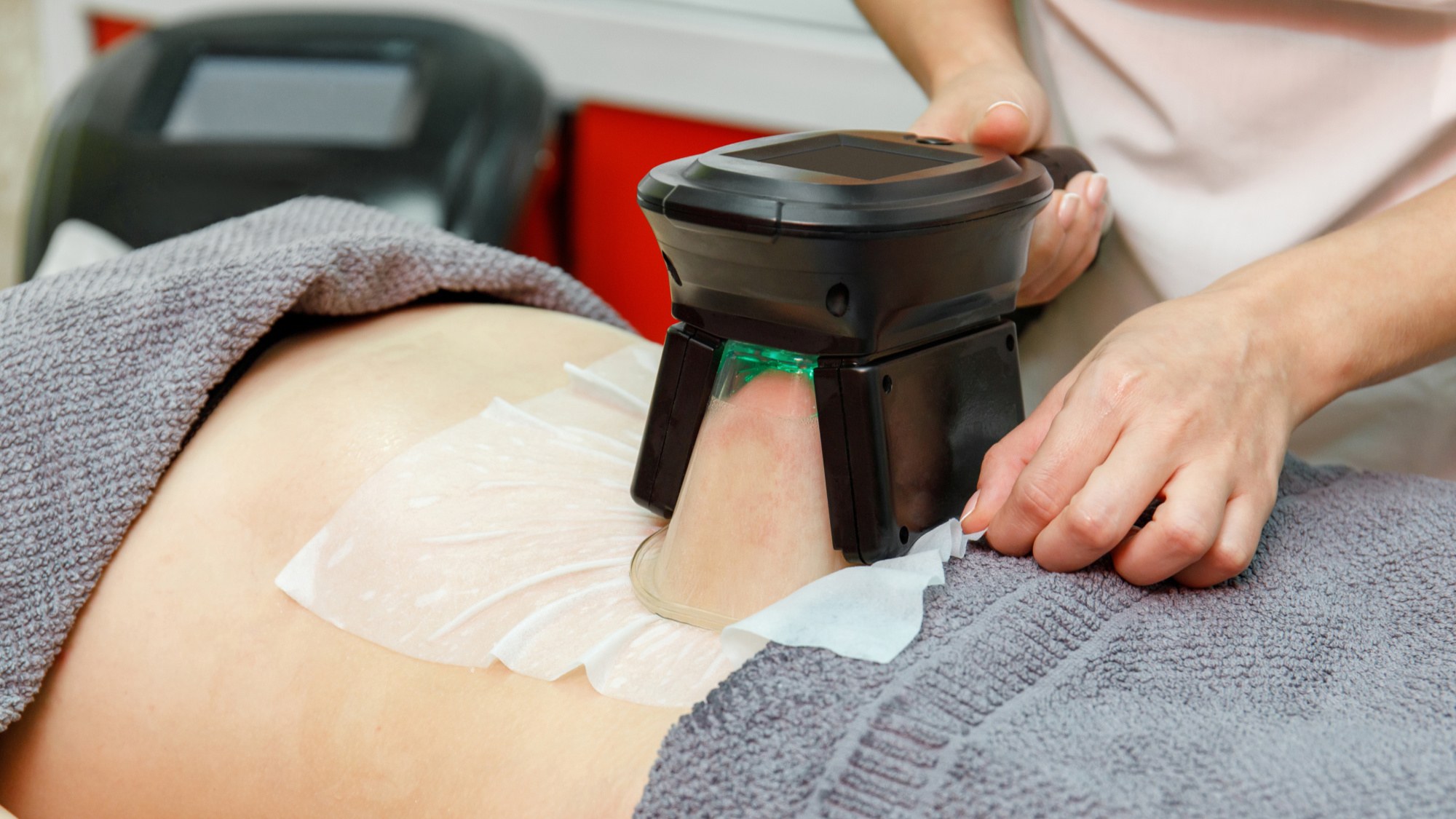
First things first: Coolsculpting is described as a “fat-freezing fat reduction” procedure. It’s non-invasive and has very little downtime, so doctors often position it as an alternative to liposuction. Scientifically known as cryolipolysis, the process involves using a vacuum-like applicator to suction targeted areas of fat. Then it deep-freezes your fat cells, which eventually causes them to die and be naturally expelled via your lymphatic system. (Yep, that’s exactly as it sounds.)

It’s cleared to work on the following areas: under your chin and jawline; on your thighs, abdomen, and flanks (i.e., “love handles”); for bra fat; and underneath your buttocks and upper arms. The caveat is that you have to have enough fat for the applicator to adhere to. Appointments are about 45 minutes long, and—at least in my experience—the procedure wasn’t painful.

The sensation when the applicator suctions on to your skin is extremely cold at first, but your skin numbs, almost like when your foot falls asleep. After they remove the machine, they quickly massage out the frozen area of fat, which most agree is the worst part. Before you know it, it’s over. I did my sessions with cosmetic surgeon Ashkan Ghavami, M.D. in Beverly Hills, CA. In total, we did three appointments: one for my chin and two for my abdomen, spaced six weeks apart.

It’s now been two years since I had Coolsculpting, and to this day, I am constantly asked whether or not I would do it again. The short answer is yes, and I would probably get my stomach and flanks treated as well. While I loved my Coolsculpting results, there are a few things I wish I had known beforehand to keep expectations in check. Below, here are eight things you should know before booking your own appointment.

Coolsculpting Doesn’t Guarantee to Keep Off Fat

Coolsculpting might be FDA-approved, but it doesn’t mean that your fat will disappear forever. If you gain weight, you may see the areas you treated gain weight as well. “The fat that died isn’t coming back, but fat can still grow,” says board-certified dermatologist Nancy Samolitis, M.D. of Facile Dermatology Boutique in West Hollywood. The protocol for Coolsculpting includes weighing you in before the first treatment in the event you gain weight afterwards. “If you’ve gained 10 pounds, it might even out, so you may look the same as your before picture,” she says. For the record, I have gained 10 pounds, and while I had more sculpted results after I got the treatments, new fat has since grown back in those areas.

Plan to Get at Least Two Treatments

In theory, you can see a reduction in fat on areas like your stomach, flanks, and chin in as little as one session. But Ghavami told me that two sessions are ideal for more permanent results. You might even want to book three sessions for larger areas like your abdomen.

It Takes a Few Months to See Results

I remember thinking I was going to walk out of the treatment with my fat magically gone, but that didn’t happen. Ghavami explained that I would see the best results after my second round. “Twenty to 25% of fat reduction is expected after two sessions,” he says. “Three to six months after the second session is when you’ll really see the best results.” He was right; one morning, I looked in the mirror and noticed that my chin and stomach were both noticeably slimmer. But you have to have patience.


Source link