Categories
Health

Judge Judy Is Ending After 25 Seasons


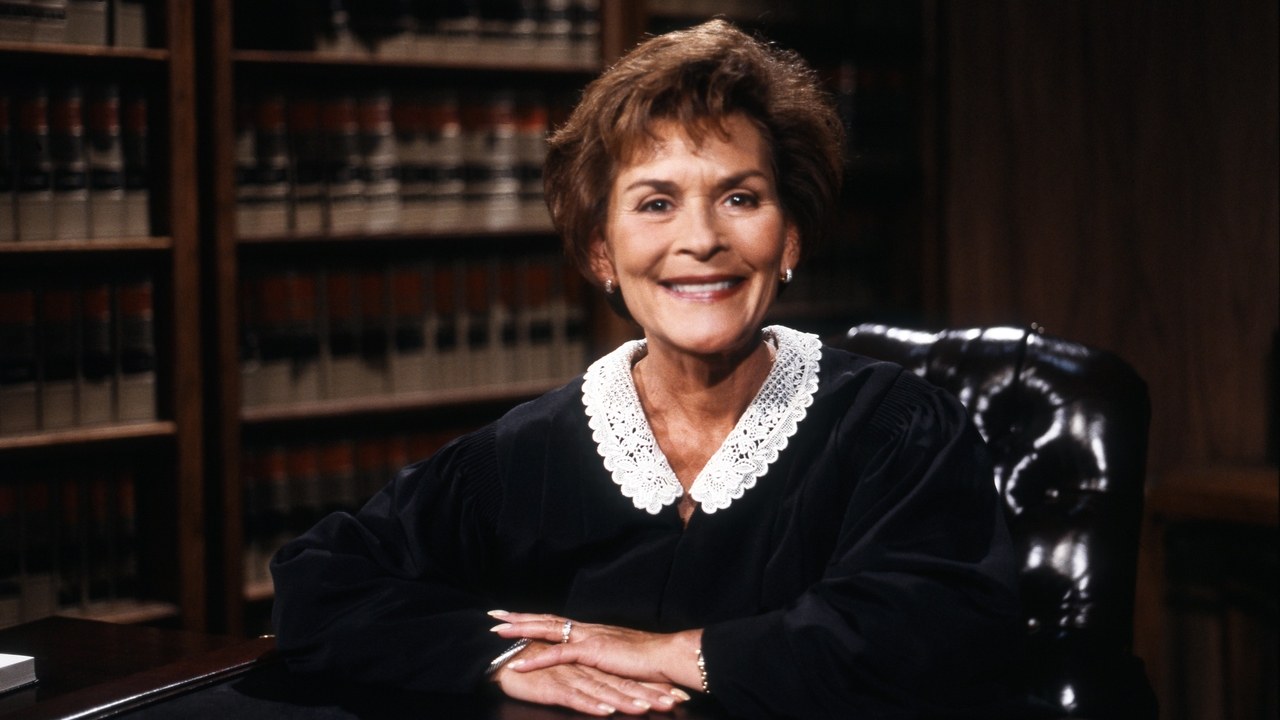
Judge Judy is ready to hang up her robe.

Judy Sheindlin, perhaps America’s most beloved member of the judiciary, announced that her popular daytime show will be ending its run after the 25th season which will air in 2020-2021. “Well, I’ve had a 25-year-long marriage with CBS, and it’s been successful,” she told Ellen DeGeneres. “Next year will be our 25th season, silver anniversary, and CBS, I think, sort of felt they wanted to optimally utilize the repeats of my program because now they have 25 years of reruns. So what they decided to do was to sell a couple of years’ worth of reruns.”

Seriously, Judge Judy has been part of the American cultural landscape for so long, it’s hard to imagine TV without it—but reruns will ensure it lives on forever. Oh, and the fact that Sheindlin will be launching a new show called Judy Justice. “The following couple of years you should be able to catch all the reruns that CBS has sold to the stations that are currently carrying Judy, and Judy Justice will be going elsewhere,” she said. “Isn’t that fun?” She said she can’t yet reveal where we’ll be able to see Judy Justice. Maybe it’s going to a streaming platform like Netflix?

At least we know there will be plenty of fodder for memes for years to come. It’s hard to spend more than five minutes on social media without a scolding Judge Judy GIF or image popping up in our feed.

Watch the Ellen clip, below:

[embedded content]

Of course, people put them all to good use while reacting to this news. “Nothing says I’m growing up like Judge Judy announcing her show is ending. This show and her impact is GENERATIONAL,” one person tweeted. Another wrote, “Seeing #JudgeJudy trending and realizing she’s still alive.”

Source link

Categories
Health

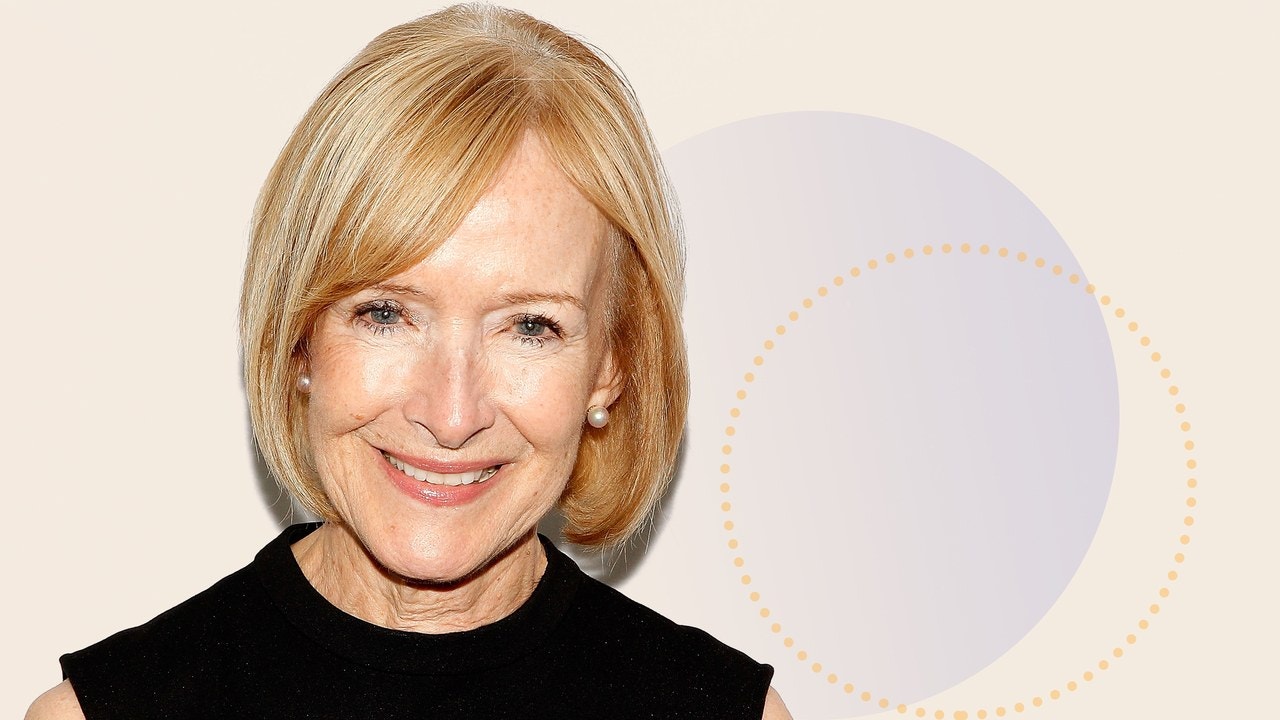
Judy Woodruff Has Moderated Too Many Presidential Debates to Count


So I think there were bonds that transcended the competition, because we were all kind of in it together. But we did all want to do well in our careers. We were all competitive. You had to be competitive to do this work. You couldn’t relax. But we had a lot in common. Several of us had young children. Lesley had a daughter. I didn’t have children at first, but after I was married I ended up having three children. Ann Compton had, I think, four. So we would compare notes about family and things like that.

On one of the most memorable debates she’s moderated.

I’ve moderated a lot of primary debates over the years. But the one that’s the most memorable for me was in 1988. It was the vice presidential debate for the general election between [former United States Secretary of the Treasury] Lloyd Bentsen and [former Vice President] Dan Quayle. Quayle was the choice of George H.W. Bush and Bentsen was the choice of Michael Dukakis, who had been the governor of Massachusetts.

The truly memorable line from that debate was at one point Dan Quayle compared himself—because of his youth and the promise he held for the future—to JFK. Bentsen used that and seized on it and said, “Senator, I served with Jack Kennedy, I knew Jack Kennedy, Jack Kennedy was a friend of mine. Senator, you are no Jack Kennedy.” And the room exploded. Those of us who were up there asking questions just figured, well, this is the end of this election. You know, he’s really showed him. But of course, Bush and Quayle went on to win the election even though Lloyd Bentsen had a great line that was the headline everywhere the next day.

On mentoring the next generation.

I try to be available as much as I can and reach out to younger female journalists when they arrive at PBS. Whatever their job is—whether they’re a desk assistant or a producer or on the air. I try to be available to them. I know it’s sometimes intimidating or forbidding for people to approach the anchor, but I try to be as available as possible and say, “Please come talk to me if there’s an issue or if you just want to just shoot the breeze or if you want to talk about your career or family or something, I’d like to be available.”

In the beginning of my career, there weren’t that many women. But today I’m so happy to be able to look around the newsroom and I see women who are researching, who are writing, reporting, shooting stories for us, editing. And I think we have a very open and frankly very diverse newsroom. That’s what we’re committed to. It’s bringing women along, bringing along people of color, people of all backgrounds.

I would put our newsroom up against just about any other when it comes to diversity. We’ve done quite a remarkable job I think, but the job is never done. I would never rest on our laurels and say, we have arrived. There are things we have to think about all the time. We are constantly thinking about whether our guests diverse. When we’re discussing the law or Congress or international affairs, foreign policy, have we thought about women, women’s perpsectives? Have we thought about guests who come from different nationalities and different ethnicities? The job is never done.

This interview has been edited and condensed.

Samantha Leach is the associate culture editor at Glamour. Follow her on Twitter and Instagram @_sleach.


Source link

Categories
Health

Judy Review: There Will Only Ever Be One Judy Garland—But Renée Zellweger Gets Close


My grandmother is a highly accomplished pianist—though if she heard someone put it that way, she might object, humble to the heart. Born in middle America during the Great Depression, she began playing after my great grandparents noticed her plunking out pretend concerts on a windowsill, as though it were a keyboard. Lessons cost a nickel, she told me once. They were worth it. Before she was even a teenager, my grandmother earned money playing at local venues with her father in a family band.

As far back as I can remember, I’ve been mesmerized by her ability to pluck any melody from the air and translate it through her fingertips. And when I started piano as a child, she would often watch over my practicing. Sometimes, she would play and I would sing. “Somewhere Over the Rainbow” was one of our favorite duets. Back then, I thought it was beautiful—still do. But while I have long known every lyric, it took years for me to recognize the sorrow beneath the song.

The Wizard of Oz, for which the tune was written, premiered in 1939 and was adapted from Frank L. Baum’s novel of nearly the same name, published at the turn of the century. Judy Garland was a tender 16 when she appeared in the film, a touchpoint of her career. Born Frances Ethel Gumm to vaudevillian parents, she began performing onstage as a child and signed a contract with MGM at 13.

But though Judy Garland would grow into a screen icon over the next decade, headlining beloved hits like Meet Me in St. Louis and Babes in Toyland, stardom came at the cost of her childhood. She was failed by the people who should have been her protectors and advocates. The consequence was an adult life riddled with addiction, financial troubles, failed relationships, and abuse.

David Hindley / Courtesy of LD Entertainment and Roadside Attractions

These elements of Garland’s story have been explored in biographies before and with brutal specificity in Peter Quilter’s play End of the Rainbow, set during a stint of performances Garland did in London months before she died, at 47, from an accidental overdose. That same era is the backdrop for Judy, which stars Renée Zellweger as the titular lead and is now in theaters.

Directed by Rupert Goold, the movie pivots between Garland’s teen years and troubled adulthood: lascivious threats and cruelty from Louis B. Mayer, the MGM head at the time she was filming The Wizard of Oz; extreme dietary restrictions courtesy of the studio; pills to stay awake, pills to go to sleep. According to the film, Garland takes a gig—a nightly act for sold-out crowds at a posh club called Talk of the Town—to pay off debts and make money so she can provide a more stable home for her two younger children.


Source link

Categories
Health

Judy Chicago Never Wanted to Have It All


Not that she wants to dwell on the past, but the fact is when artist Judy Chicago was fresh on the L.A. art scene in the 1960s, the best compliment a woman could hope to receive was that she painted “like a man.”

“And generally, there weren’t any compliments because most women artists were invisible. I was able to be somewhat visible,” Chicago insists now, with a note of pride. “But I kept running into obstacles.” Women couldn’t get a foothold in major shows. Dealers didn’t want to work with them. Their husbands wanted them at home, or their children needed them.

The odds—the men!—were stacked against them. And Chicago was determined to beat them. She wanted to make a contribution to art as a discipline. She wanted to create work that would be remembered. And she knew she couldn’t do that from the sidelines. So she began to wonder; how had women ever done it? To whom could she look for an example? But when she started to research her foremothers in the tradition, Chicago came up blank. “I wanted to see if women before me had encountered the same kind of challenges that I was facing, but I discovered that so much of what women had done—there was no record of it,” she recalls. “It had been erased.”

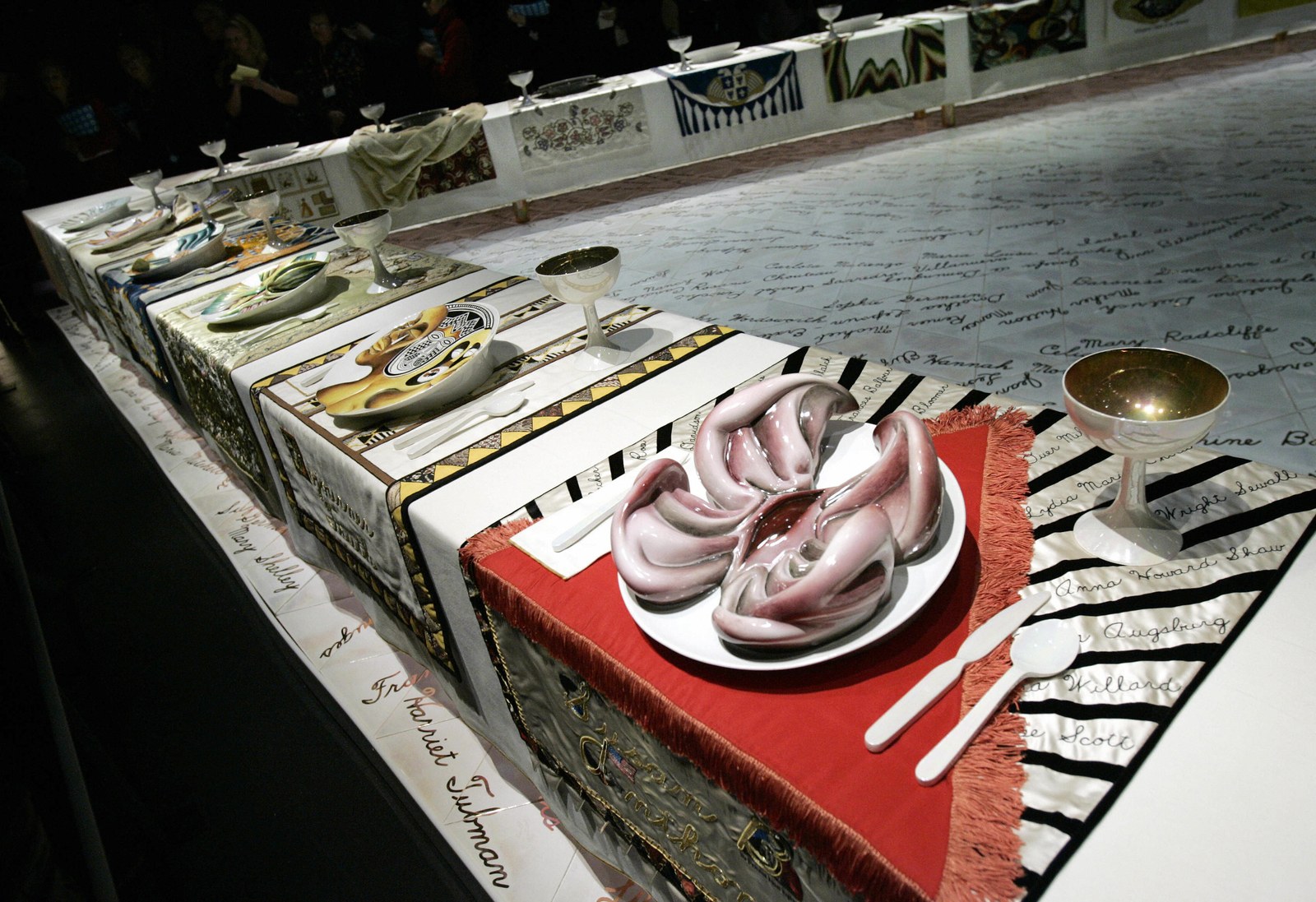
Judy Chicago, The Dinner Party, 1979.

STAN HONDA/AFP/Getty Images

Chicago unveiled the first of what would be a career filled with correctives in March 1979, introducing her most iconic work “The Dinner Party” at the San Francisco Museum of Modern Art. The massive installation was, as the New York Times recently put it, “theatrical, audacious and definitively feminist: a work of stark symbolism and detailed scholarship.” It was also replete with vaginas. The piece is made up of a triangle-shaped banquet table set with 39 plates. Each side is 48 feet, and each plate is labeled with the name of a woman Chicago thinks we should know. Not just other artists, but writers, adventurers, and activists; Sojourner Truth and Virginia Woolf and Georgia O’Keeffe. Within its first three months on view in San Francisco, over 100,000 people came to see it. But critics hated it, and reviews were vicious. It was amateur, graceless, and obvious, some said. It was too big, too loud, too much. After its stint at SFMoMA, Chicago put it in storage.

Ever since, Chicago’s mission has been twofold. First, to restore women to their rightful place in the art historical canon. Second, to ensure her own work wouldn’t meet the same fate as some at her proverbial table, consigned to the margins or worse; disappeared.


Source link