Categories
Health

Demi Lovato Calls Out Tabloid Reports on Her Recovery: "It's No One's Business But Mine"


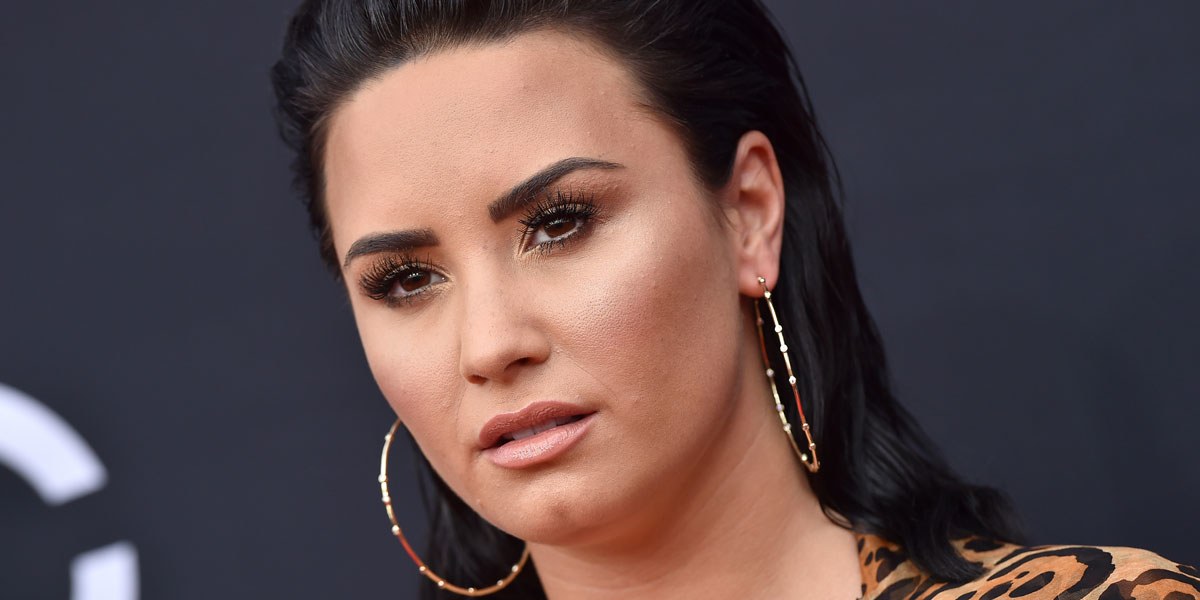
Demi Lovato has just shared an update on her recovery from what was reportedly a drug overdose in July—and clapped back at tabloids speculating about her health.

On Twitter Friday night (December 21), Lovato posted a series of tweets in which she defended her ongoing journey to sobriety. “I love my fans and I hate the tabloids,” she wrote. “Don’t believe what you read. People will literally make stuff up to sell a story.”

Lovato did not share where the rumors about her health came from, but she refuted them with a powerful statement: “I am sober and grateful to be alive and taking care of ME.”

She also added that when she wants to share her recovery journey in full, it will happen on her own terms: “Someday I’ll tell the world what exactly happened, why it happened and what my life is like today.. but until I’m ready to share that with people please stop prying and making up shit that you know nothing about. I still need space and time to heal.”

“Any ‘source’ out there that is willing to talk and sell stories to blogs and tabloids about my life isn’t actually a part of my life because most of the shit I see is soooooo inaccurate,” she said. “So newsflash: your ‘sources’ are wrong.”

She ended her message by reassuring fans that she is in a healthy place. “All my fans need to know is I’m working hard on myself, I’m happy and clean and I’m SO grateful for their support.”

“I’m so blessed I get to take this time to be with family, relax, work on my mind, body and soul and come back when I’m ready. I have my fans to thank for that. I’m so grateful, truly. I love you guys so fucking much ? thank you ??,” she continued.

Lovato has already opened up about her recovery after being hospitalized following the reported overdose in July. She shared her first update in a letter on her Instagram in September, which has since been deleted. “I have always been transparent about my journey with addiction,” she said. “What I’ve learned is that this illness is not something that disappears or fades with time. It is something I must continue to overcome and have not done yet.”

All reports from Lovato’s family since then suggest that the singer is getting healthy. In September, her mother, Dianna de la Garza, said in an interview that Lovato is “getting the help she needs” to recover. Later, her younger sister, Madison de la Garza, shared an update on her health in an October interview. “She’s working really hard on her sobriety, and we’re all so incredibly proud of her,” she said.

Related Stories:

Demi Lovato’s History With Substance Abuse, Explained

Demi Lovato Just Returned to Instagram With an Important Message

Demi Lovato Is Working ‘Really Hard On Her Sobriety,’ Says Her Younger Sister


Source link

Categories
Health

Adele Wrote a Touching Post About Her Best Friend’s Postpartum Psychosis Recovery


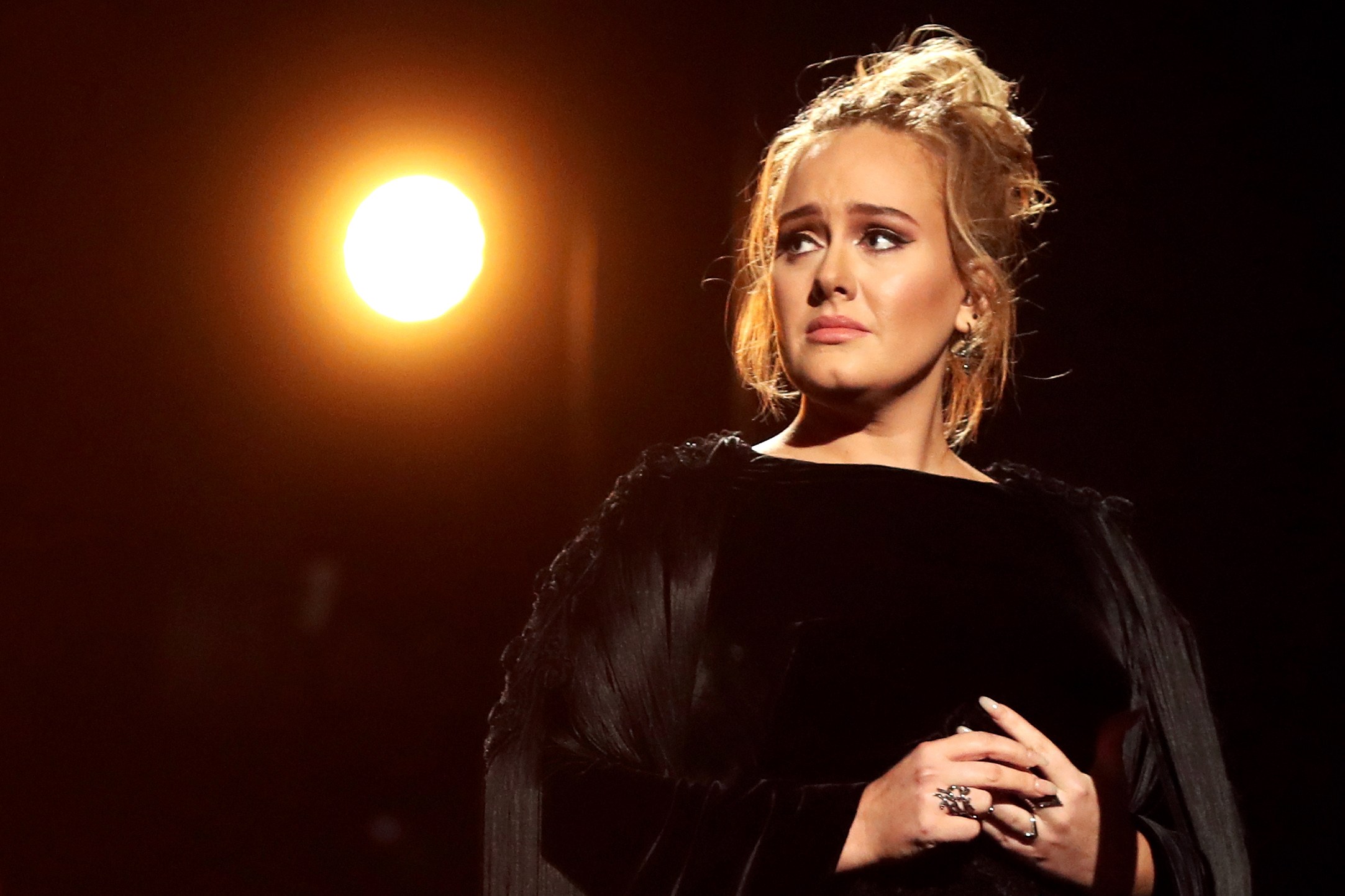
Adele is bringing awareness to a very important issue: postpartum psychosis, which her best friend, Laura, has experienced. On Monday (August 13), the singer posted a picture to Instagram of the two cuddling with Laura’s son (and Adele’s godson), alongside a poignant message.

“This is my best friend,” she wrote in the caption. “We have been friends for more of our lives than we haven’t. She had my beautiful godson 6 months ago and it was the biggest challenge of her life in more ways than one. She has written the most intimate, witty, heartbreaking, and articulate piece about her experience of becoming a new mum and being diagnosed with postpartum psychosis. Mamas talk about how you’re feeling because in some cases it could save yours or someone else’s life x [.]”

Adele included a link in her bio to Laura’s first-person blog post about her experience. In it, Laura documents what she calls “the worst time of [her] life.” “Since having my baby boy in February this year I’ve been suffering from and battling against post partem [sic] psychosis,” she began. “A rare and unpublicised illness that affects 1 in a 1000 women and is seen as a medical emergency (don’t worry I had never heard of it either until it tried to ruin my life). In my case it was built upon post-natal depression and exhaustion and escalated into a phase of what I can only describe as hell; mania, mood swings, insomnia, delusions, paranoia, anxiety, severe depression with a lovely side order of psychosis.”

She continued, “My pregnancy was a dream, I was totally prepared to be unprepared and have no history of mental illness and yet this cruel and savage sickness completely and unexpectedly swallowed me, smashed me and my family against the rocks. “

In the blog post, Laura describes a wide range of symptoms, from hiding congratulations cards to sleepless nights to mania, anxiety attacks, and thoughts of suicide . After an intervention, she spent two weeks in the hospital, and she’s currently in the midst of recovery with the help of family support, a psychiatrist, medication, and psychotherapy.

“Talking about this has been a huge part of my recovery and I was constantly searching for any stories that offered me hope or salvation in this dark and testing time so that’s why I’ve shared this and to raise awareness of this awful sickness and to confront the stigma attached to post natal depression and the pressure put on women to become mothers,” she wrote. “You have to talk. Birth and motherhood is a shock to the system and traumatic, and we shouldn’t have to suffer in silence.” You can read her full blog post here.

Related:

I Didn’t Think I Had Postpartum Depression Until It Was Gone

Adele Was Queen of the World at Her Titanic-Themed 30th-Birthday Party


Source link

Categories
Health

Hannah Gadsby Netflix Special Review: a Study in Female Anger and Recovery


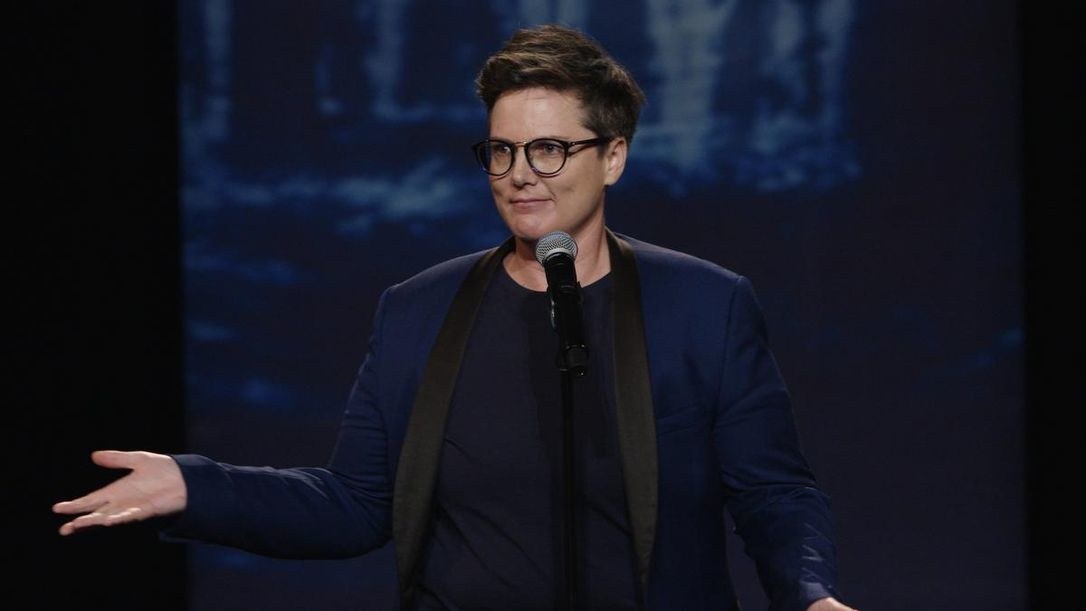
Netflix comedy specials don’t usually make me cry, but right in the middle of watching Austrialian comedian Hannah Gadsby’s Nanette, I broke down. And, up until that particular moment, I’d been having a great time.

Gadsby’s buzzy special takes on everything from her conservative upbringing in Tasmania to Pablo Picasso’s reputation as a notorious womanizer to the humorlessness of her fellow “lezzies” aren’t typical Netflix comedy-special territory. Maybe I was already a little sad because I knew what was coming (OK, maybe I was a little high, too), but there’s a specific moment in the middle of Nanette when Gadsby’s set takes a sharp turn and she announces she’s quitting comedy. She explains that she’s done with self-deprecating humor and dredging up her own painful past for jokes. I could hear the frustration in her voice, and it sounded a lot like my own.

In Nanette, Gadsby is angry—with the misogyny she’s seen in standup comedy, with powerful men who coerce and objectify women in the name of “art,” and with the men who’ve abused her.

So am I.

Like Gadsby, I’ve experienced abuse from men. It’s an experience and a trauma that informs my work, my relationships, and a huge part of my personality and identity. I can trace depression, insecurity, and constant self-sabotage back to these experiences, and they’re part of who I am. I’ve been sad. I’ve cried. I’ve hated myself. I’ve seen therapists who are comfortable helping me work through and express these particular feelings, but few have ever really acknowledged my anger or known what exactly to do with it or with me.

[embedded content]

Watching Nanette and hearing Gadsby describe the anger she still feels and can’t let go of, reminded me that I’m still angry, that my feelings are real. I’m angry at my abuser, and I’m angry at myself. Without any socially acceptable outlet for anger and rage, I, like many other women, have turned the anger on myself. So has Gadsby. “I’ve a built a career out of self-deprecating humor, and I don’t want to do that anymore,” she says in the special. “Because do you understand what self-deprecation means from somebody who already exists in the margins? It’s not humility. It’s humiliation. I put myself down in order to speak, in order to seek permission to speak. And I simply will not do that anymore. Not to myself, or to anybody who identifies with me.”

Traditionally, stand up comedy—and popular culture at large—hasn’t been friendly toward angry women. Comedian Margaret Cho’s controversial 2015 music video “I Wanna Kill My Rapist” was an angry ode to revenge that some fans and critics felt had “gone too far.” As Cho later told Women’s Health, “Being an angry woman is kind of like the scariest thing that you can be in terms of the patriarchy, because we’re the ones who burned our bras, we’re where feminism comes from.” When Cho reportedly opened her act at a New Jersey comedy club with jokes about rape and white privilege that same year, audience members walked out, and Page Six later called the incident a “meltdown,” reporting the story under the headline “Margaret Cho Loses It.”

As Gadsby herself points out, an angry woman who’s a comedian is considered shrill, overly emotional, or otherwise difficult. Angry male comedians, however, are a tradition as old as standup itself, a fixture in virtually any comedy club, anywhere. Both on screen and off, women are rarely, if ever, allowed to be angry, let alone given an hour-long Netflix special like Nanette that acknowledges their feelings openly.

For this reason, Nanette is powerful, and unlike any comedy Netflix has produced thus far. It’s funny, but unconventional, and arguably might not even be considered a comedy special at all. But if the purpose of comedy is to serve as an escape or a shared experience of witnessing a live person tell their story, perhaps we need to rethink the way comedy is defined.

“[Gadsby] makes us ask: Who is defining what’s funny? Who is being allowed to speak? What perspectives are we including?” comedian Sara Schaefer told Vulture in an interview earlier this month. “It made me think so much about my own comedy and how I’ve been afraid to get ‘too angry’ or ‘too smart’ or ‘too female’ onstage.” And it made me think about how much of my own time—off stage, in my private life—is wasted trying to get to the punchline before someone else can.

In a post- #MeToo entertainment culture, Nanette marks a drastic shift in the way audiences experience the work of women in entertainment. Gadsby forces her audience to bear witness to her pain and her rage, and is a massive victory for funny, angry women—those who are pissed off, who want revenge, who want our abusers to feel the same way they made us feel.

Hey, we can only laugh at ourselves for so long.


Source link

Categories
Health

Demi Lovato Posted a Side-by-Side That Shows How Far She's Come in Her Eating Disorder Recovery


In Demi Lovato‘s new YouTube documentary, Simply Complicated, she reveals that she relapsed from her eating disorder after breaking up with her longtime boyfriend, Wilmer Valderrama. “It’s an everyday battle,” Lovato told Glamour about recovering from the disorder, which she originally sought treatment for in 2011 (along with substance abuse and self-harm issues). “[But] the struggle is still very much there…What’s most important to me is that I just keep fighting, and I keep aiming for a goal of complete freedom. Even if that may not be possible, I’m going to aim for that goal.”

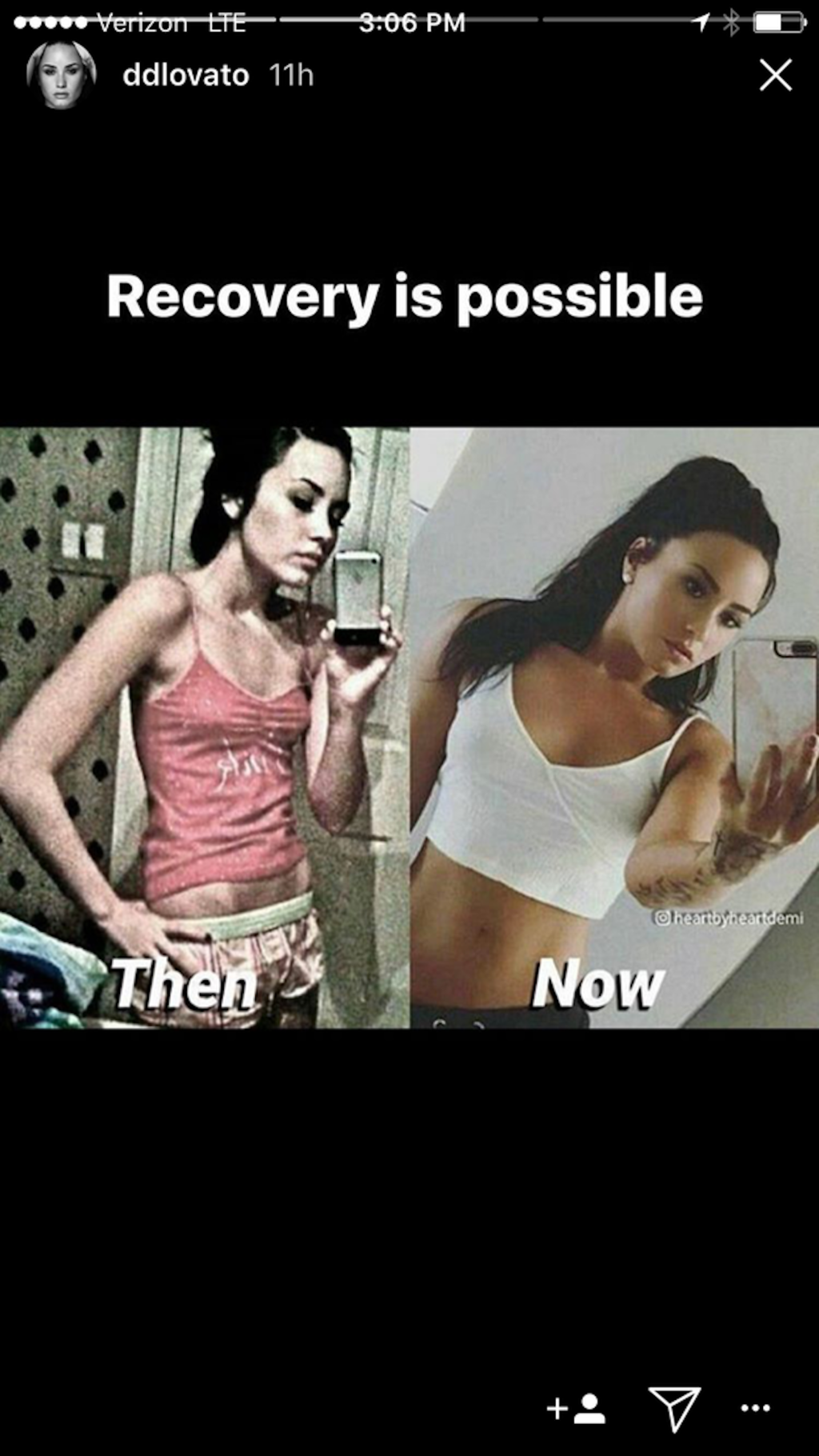
And a new photo Lovato posted to her Instagram Stories on Wednesday (October 18) shows just how far she’s come. The “Body Say” singer shared two snaps of herself side by side—one during what looks to be the height of her illness, where she’s noticeably frailer, and a second, more recent one from after her treatment—along with the message, “Recovery is possible.”

“I think [my eating disorder is] something that I’ll probably have to deal with for the rest of my life,” Lovato told Glamour while promoting the documentary. “Others in recovery for eating disorders say that too.” But Lovato’s side-by-side images are a powerful reminder of her strength and willingness to keep fighting. And the stunning visual will hopefully inspire other eating disorder survivors to stay on their own recovery paths.

Lovato’s documentary isn’t the first time she’s discussed her eating disorder and addiction issues. She opened up about being sober in in her November 2016 Glamour cover story issue.

“I feel healthy, I feel happy,” she said. “Back then I felt an emptiness inside of me, and I reached for so many things—a person, a substance, a behavior—to fill that void. And now there’s not a void anymore. The void is filled by me taking care of myself.… Getting sober was difficult. I went into rehab, I came out, and I didn’t stay sober. I still had issues occasionally. Now some days it’s difficult; some days it’s easy. “

Lovato’s proved she can stay the course, though: she celebrated five years of sobriety in March 2017. And this post proves she can access that same strength to fight her eating disorder, too.

Related Stories:

Selena Gomez Gushes Over Demi Lovato’s ‘Bold’ and ‘Real’ Documentary: ‘Love You’

Demi Lovato Addresses Her Sexuality in Her New Documentary


Source link