Categories
Health

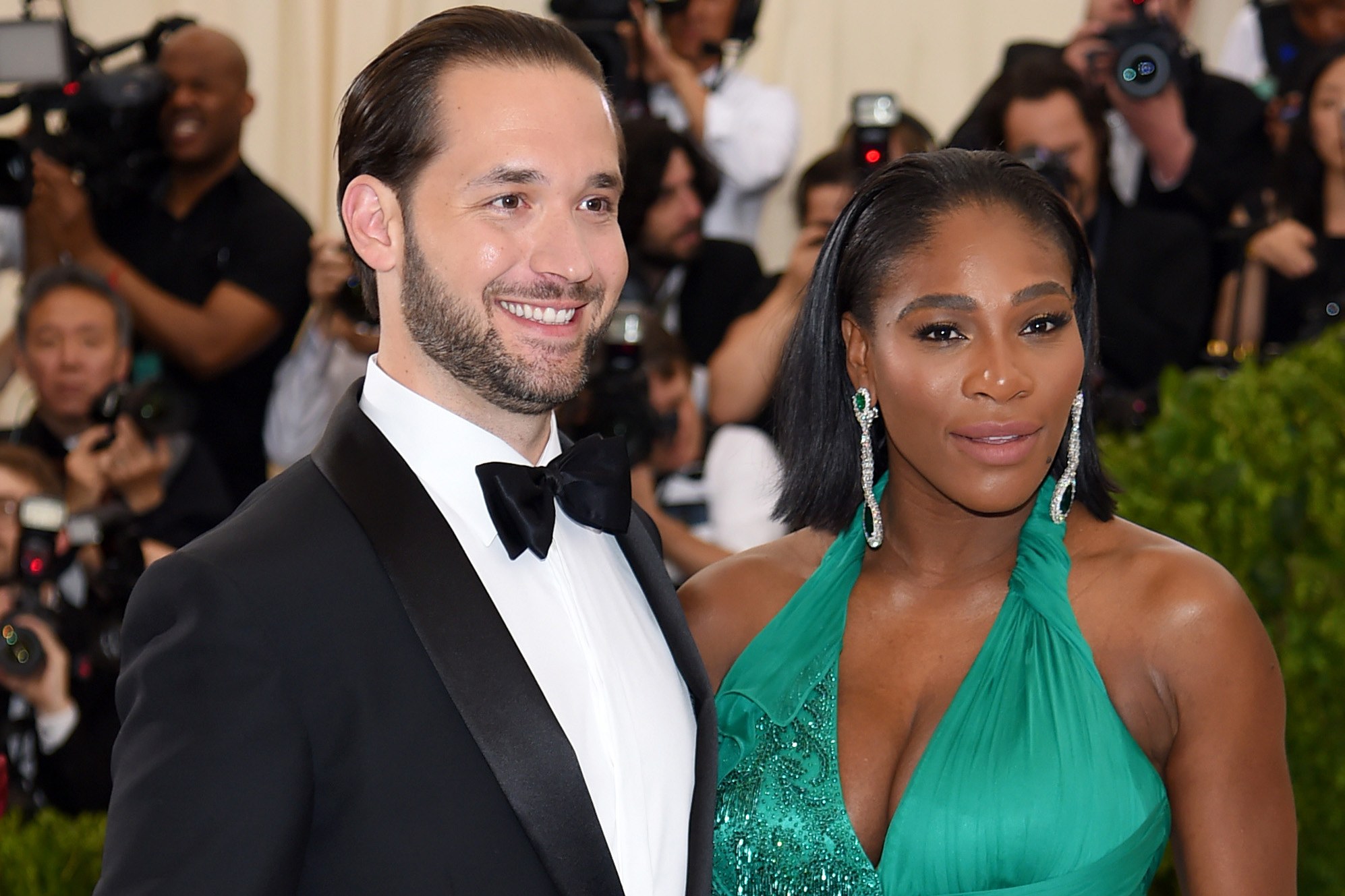
Alexis Ohanian Calls Out the Double Standard on Anger Between Serena Williams and Brett Kavanaugh


If you’re a woman, you’re already familiar with the double standards applied to us when it comes to expressing emotions. If you’re a woman of color, you know it’s even more egregious.

Alexis Ohanian, Reddit co-founder and husband to Serena Williams, called out that double standard in a Twitter thread, while also proving yet again that he wins at being the most supportive husband ever. Ohanian first responded to a tweet from Deborah Barros that said, “Funny how a black female tennis player is held to a higher standard to keep her emotions in check than a Supreme Court nominee.”

His comment was short and to the point, “It’s not funny, it’s bullshit.” (Williams, of course, was very publicly criticized by some for showing frustration over a number of questionable calls during her U.S. Open finals match against Naomi Osaka last month.)

But he wasn’t quite finished making his point and proceeded to get specific about the behaviors exhibited by Brett Kavanaugh in his testimony surrounding the sexual assault allegations made against him by Christine Blasey Ford. “Played the ‘father card’,” Ohanian continued. “Cried & screamed + Insulted everyone’s intelligence with lies about the definitions of phrases anyone with Google could debunk + Argued hysterically with sitting Senators, even going so far as to threaten them.”

“If you’re going to be a Supreme Court Justice — a job that requires maintaining sober judgement, it shouldn’t matter what questions you have to answer in your job interview, you keep it together.”

Kavanaugh did indeed cry, yell, and take a fairly menacing approach to being questioned on certain topics. So much so that he (or perhaps the GOP) felt something of a public mea culpa was necessary before the final vote in a Wall Street Journal op-ed.

“I was very emotional last Thursday, more so than I have ever been. I might have been too emotional at times,” he wrote. “I know that my tone was sharp, and I said a few things I should not have said. I hope everyone can understand that I was there as a son, husband and dad. I testified with five people foremost in my mind: my mom, my dad, my wife, and most of all my daughters.”

These are the kind of arguments that society-at-large considers valid for men—not so much for women. Good on Ohanian for calling it out!
MORE: Christine Blasey Ford Is Still Receiving Death Threats, Unable to Return Home After Kavanaugh Confirmation


Source link

Categories
Health

Hannah Gadsby Netflix Special Review: a Study in Female Anger and Recovery


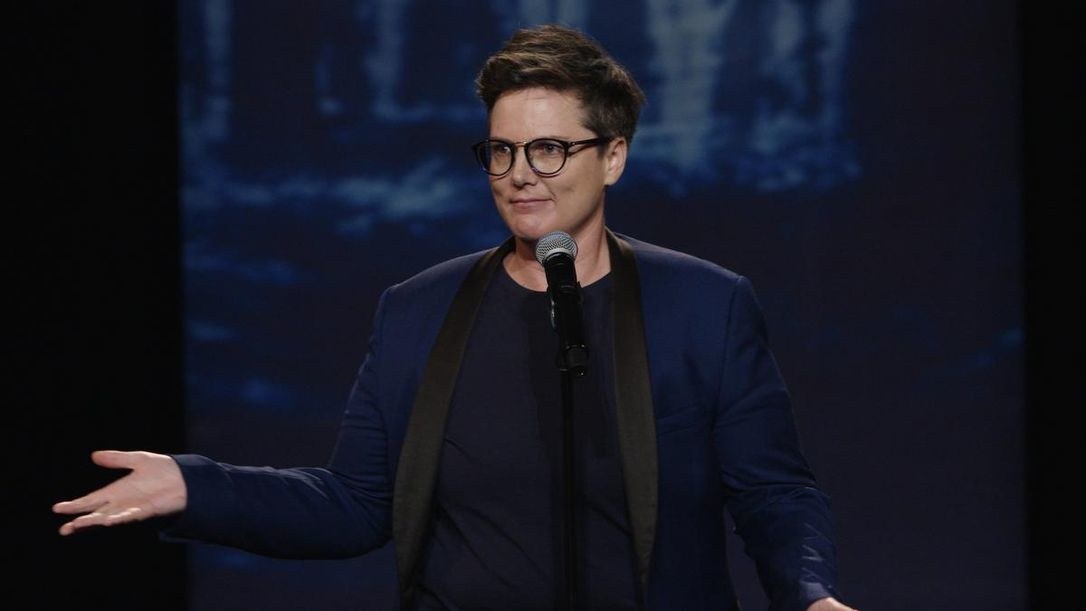
Netflix comedy specials don’t usually make me cry, but right in the middle of watching Austrialian comedian Hannah Gadsby’s Nanette, I broke down. And, up until that particular moment, I’d been having a great time.

Gadsby’s buzzy special takes on everything from her conservative upbringing in Tasmania to Pablo Picasso’s reputation as a notorious womanizer to the humorlessness of her fellow “lezzies” aren’t typical Netflix comedy-special territory. Maybe I was already a little sad because I knew what was coming (OK, maybe I was a little high, too), but there’s a specific moment in the middle of Nanette when Gadsby’s set takes a sharp turn and she announces she’s quitting comedy. She explains that she’s done with self-deprecating humor and dredging up her own painful past for jokes. I could hear the frustration in her voice, and it sounded a lot like my own.

In Nanette, Gadsby is angry—with the misogyny she’s seen in standup comedy, with powerful men who coerce and objectify women in the name of “art,” and with the men who’ve abused her.

So am I.

Like Gadsby, I’ve experienced abuse from men. It’s an experience and a trauma that informs my work, my relationships, and a huge part of my personality and identity. I can trace depression, insecurity, and constant self-sabotage back to these experiences, and they’re part of who I am. I’ve been sad. I’ve cried. I’ve hated myself. I’ve seen therapists who are comfortable helping me work through and express these particular feelings, but few have ever really acknowledged my anger or known what exactly to do with it or with me.

[embedded content]

Watching Nanette and hearing Gadsby describe the anger she still feels and can’t let go of, reminded me that I’m still angry, that my feelings are real. I’m angry at my abuser, and I’m angry at myself. Without any socially acceptable outlet for anger and rage, I, like many other women, have turned the anger on myself. So has Gadsby. “I’ve a built a career out of self-deprecating humor, and I don’t want to do that anymore,” she says in the special. “Because do you understand what self-deprecation means from somebody who already exists in the margins? It’s not humility. It’s humiliation. I put myself down in order to speak, in order to seek permission to speak. And I simply will not do that anymore. Not to myself, or to anybody who identifies with me.”

Traditionally, stand up comedy—and popular culture at large—hasn’t been friendly toward angry women. Comedian Margaret Cho’s controversial 2015 music video “I Wanna Kill My Rapist” was an angry ode to revenge that some fans and critics felt had “gone too far.” As Cho later told Women’s Health, “Being an angry woman is kind of like the scariest thing that you can be in terms of the patriarchy, because we’re the ones who burned our bras, we’re where feminism comes from.” When Cho reportedly opened her act at a New Jersey comedy club with jokes about rape and white privilege that same year, audience members walked out, and Page Six later called the incident a “meltdown,” reporting the story under the headline “Margaret Cho Loses It.”

As Gadsby herself points out, an angry woman who’s a comedian is considered shrill, overly emotional, or otherwise difficult. Angry male comedians, however, are a tradition as old as standup itself, a fixture in virtually any comedy club, anywhere. Both on screen and off, women are rarely, if ever, allowed to be angry, let alone given an hour-long Netflix special like Nanette that acknowledges their feelings openly.

For this reason, Nanette is powerful, and unlike any comedy Netflix has produced thus far. It’s funny, but unconventional, and arguably might not even be considered a comedy special at all. But if the purpose of comedy is to serve as an escape or a shared experience of witnessing a live person tell their story, perhaps we need to rethink the way comedy is defined.

“[Gadsby] makes us ask: Who is defining what’s funny? Who is being allowed to speak? What perspectives are we including?” comedian Sara Schaefer told Vulture in an interview earlier this month. “It made me think so much about my own comedy and how I’ve been afraid to get ‘too angry’ or ‘too smart’ or ‘too female’ onstage.” And it made me think about how much of my own time—off stage, in my private life—is wasted trying to get to the punchline before someone else can.

In a post- #MeToo entertainment culture, Nanette marks a drastic shift in the way audiences experience the work of women in entertainment. Gadsby forces her audience to bear witness to her pain and her rage, and is a massive victory for funny, angry women—those who are pissed off, who want revenge, who want our abusers to feel the same way they made us feel.

Hey, we can only laugh at ourselves for so long.


Source link