Categories
Health

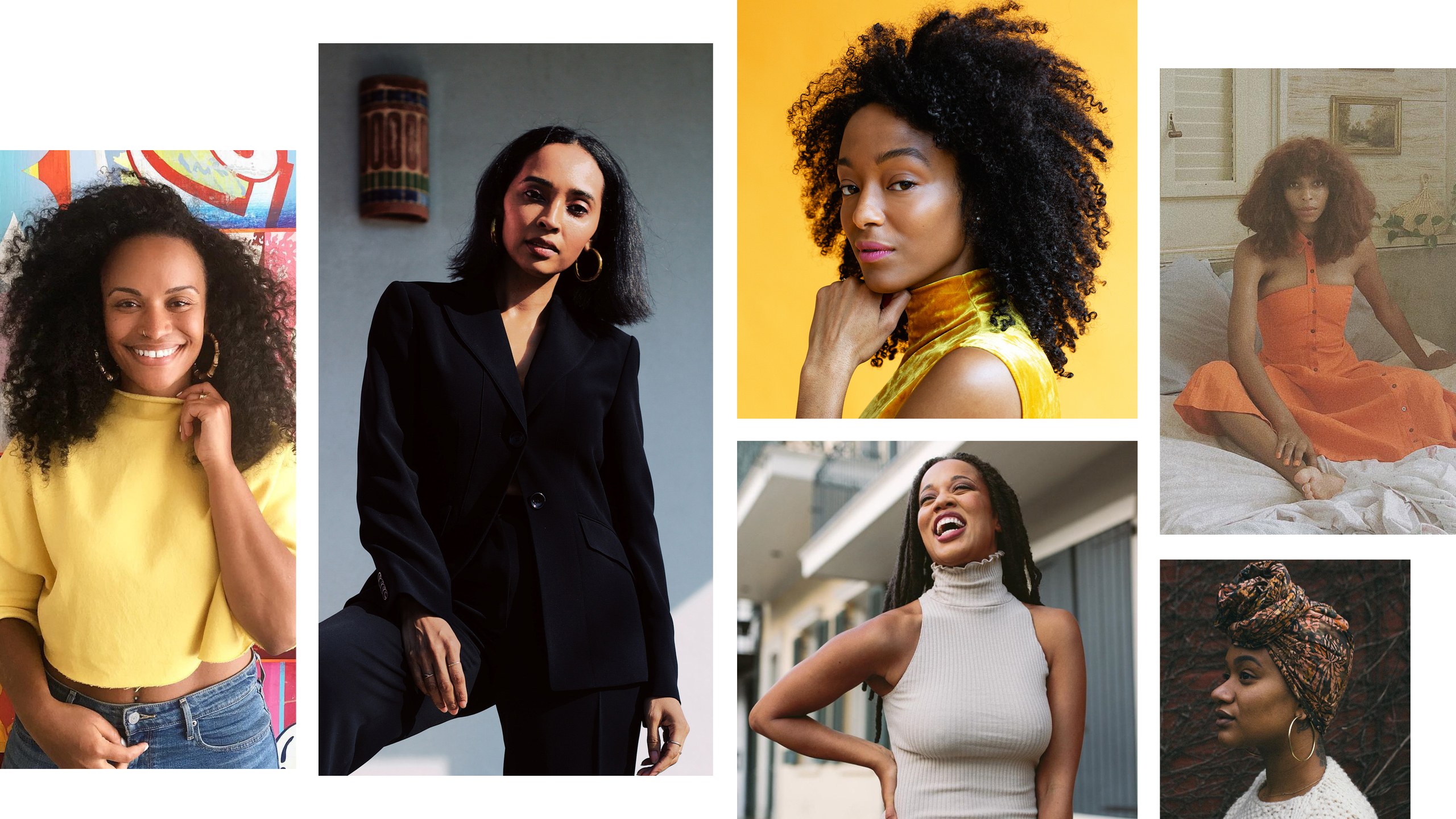
Black Female Wellness Influencers Are Taking Over


As a 24-year-old Black woman I, like many other Black women I know, did not grow up discussing important subjects like mental health, proper nutrition, and intergenerational healing. “Wellness,” the $4.2 trillion dollar global economy, was a foreign concept. For me, wellness meant getting my physical every month, eating my favorite fruits, and occasionally visiting a therapist when life got too out of control. But a recent break down in my health, triggered by the physical, financial, and emotional stress of working as a full-time entrepreneur, led me on a mission to explore ways to live a healthier lifestyle. That’s when I realized a disturbing flaw in the mainstream wellness industry: A stunning lack of Black women.

If you Google “wellness influencers,” the dozens of photos that pop up are overwhelmingly white. White women doing yoga. White women smiling over green juice. White women posed serenely with plants. If you’re a white woman looking for advice about your hair, skin, mental health, lifestyle changes, or self-care, you have a seemingly endless stream of content to peruse.

It’s a different story for women of color. If you’re a young Black woman like me, there are far fewer opportunities to find artfully curated content on Instagram related to our hair type, skin type, or overall well-being. There are far fewer opportunities to feel seen in the wellness world.

That historic lack of Black women in the wellness space isn’t just about followers and #sponcon dollars—it matters to women like me. The lack of visual representation of Black women in wellness has discouraged me from fully exploring what wellness means in my life. On the rare occasion that I did take yoga classes in high school (typically offered in predominantly white neighborhoods) I was surrounded by white women. It felt like they already had their own bond with the practice and with each other. “I was surrounded by all white everything for the majority of my first several years of practicing yoga,” says Lauren Ash, the founder of Black Girl In Om. “I became a yoga instructor and started BGIO because I wanted Black women to know that yoga is for us, that wellness is our birthright, that self-care, self-love, and self-empowerment are things that we do.”

For all the times I’ve felt like an outsider in the wellness world, I have—like so many other Black women I know—written it off as “white people stuff.”

“I think a lot of times when black women go into spaces where they don’t see themselves, we don’t fully release, we don’t fully breathe,” says Deun Ivory, BGIO’s artistic director and founder of The Body a Home for Love, a community that uses wellness to empower black sexual assault survivors. “In order to really practice mindfulness and be in a space where you can prioritize your healing and prioritize your self care, it’s important that you feel seen, it’s important that you feel celebrated and heard. You can only do that with a woman who looks like you.”


Source link

Categories
Health

Sophie Turner Just Trolled All the Influencers Promoting Weight-Loss Products


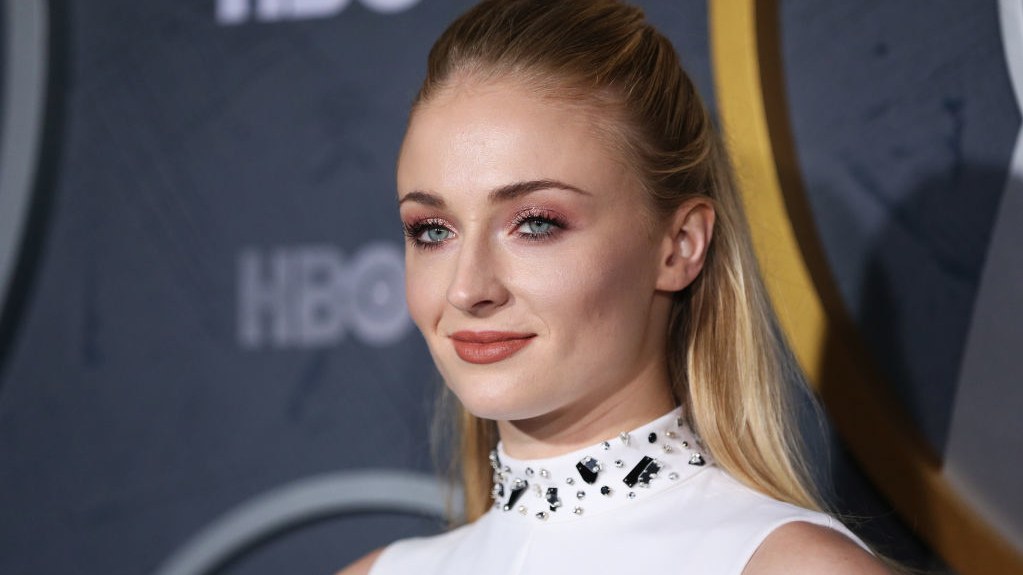
Sophie Turner is not here for influencers who want to promote harmful weight-loss products on social media. On Tuesday the Game of Thrones actor made a video eviscerating all the influencers out there using their platforms to post harmful weight loss “#ads.”

“Hey guys, just kind of going for my influencer look today,” Turner says in the clip with an L.A.-girl cadence. “Today I just wanted to promote this new powder stuff that you put in your tea. Basically, it makes you sh-t your brains out. It’s totally really, really bad for me to be promoting to young women and young people everywhere, but I don’t really give a f-ck because I’m getting paid money for it. Influencer life.” Where is her Emmy for this?

Sophie Turner isn’t the first celebrity to take issue with weight-loss spon-con. Jameela Jamil has voiced her concern several times, particularly taking aim at the Kardashians, who notoriously post #ads for brands like Flat Tummy Tea. “I don’t hate [the Kardashians],” Jamil told Glamour in September. “I just want them to stop selling laxatives, and then I will get off that dick. That’s all I’m trying to do. I’m not trying to attack anyone. But if you have a lot of power and influence and money, and you’re using yours irresponsibly, and other people aren’t aware that they’re being sold a lie, I’m gonna step on that dick.”

Instagram, thankfully, has taken measures to shield these potentially harmful weight-loss ads. The platform enacted some new, important policies in September. Under the new rules, users under 18 won’t be able to see posts promoting weight loss or cosmetic procedures with incentive to purchase product. Also, IG has nixed posts that make “miraculous claims” about a product. So if an influencer posts that they lost 10 pounds in three days just by drinking a tea, it will get flagged. Cheers to that.


Source link

Categories
Health

Skin Care Routines: How 5 Influencers Go From Summer to Fall


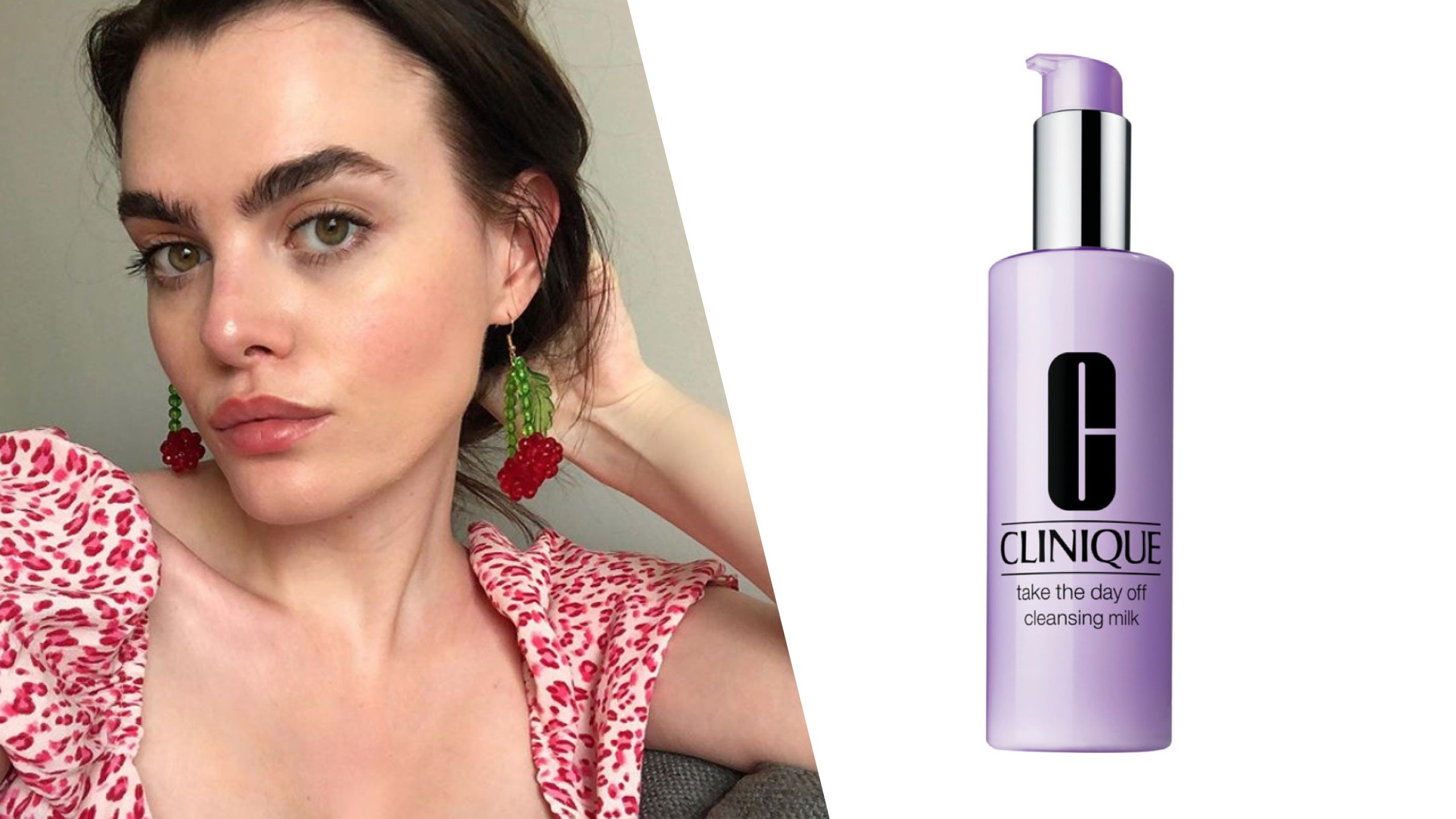
We all have those Instagram accounts we check daily, turn post notifications on for, and refer to in conversation like they’re our actual friends. If you’ve ever scrolled onto one of these photos and wondered “how does she do it?” you’re in luck. Welcome to our series, Insta Stalking, where we talk to the women behind the accounts we’re obsessing over about their beauty secrets. First up, five women reveal how they transition their skin care routines from summer to fall.

Like clockwork, at the change of every season, I get hit with a cold, and my skin freaks out. Out of seemingly nowhere, I’ll be dealing with both major breakouts and dry, flaky patches, no matter what season we’re entering. While it’s never fun, during the fall the dryness is particularly bad, since it serves as a reminder of the extreme dryness to come in the colder months.

What’s at least slightly reassuring is that everyone I’ve mention this to has a similar story about their skin freaking out recently too. Rachel Liverman, esthetician and co-founder of Glowbar, confirms it’s not crazy to blame your skin on the shifting seasons. “Seasonal changes affect nearly everyone; this is due to the level of humidity in the air,” she says. “As the weather changes and the air gets drier, so does your skin. You then turn up the heat in your house and car, which dries out your skin even more.”

Joshua Zeichner, M.D., a dermatologist in New York City, adds that this dryness can contribute to acne, and it’s important to hydrate your skin even if you’re acne-prone. “As the weather gets colder, it’s important to adjust your skin care routine,” says Zeichner. “Look for hydrating cleansers and rich moisturizers to maintain healthy skin barrier function.” Both Zeichner and Liverman recommend adding a more emollient moisturizer, as well as an extra-hydrating serum when the temperature drops. Don’t get too excited and switch out your whole routine, Liverman recommends only adding two new products at a time instead of doing a complete overhaul.

With that in mind, we spoke to women with some of the best skin on the Internet to see how they transition their skin care routines into the fall. From K-beauty steals to $300 creams, read on for their must-have products.

All products featured on Glamour are independently selected by our editors. However, when you buy something through our retail links, we may earn an affiliate commission.

Lissie Chappel, 28, freelance brand consultant in New York City

I had somewhat sensitive skin growing up. I went through an oily phase as a teen and had breakouts through my early 20s. When I hit 24, I started getting less breakouts, but my skin got more reactive and I developed rosacea. My redness was at its worst in the winter of 2017, so I cut out all products except for Caudalie Grape Water, Bragg Organic Extra Virgin Olive Oil, jojoba oil, and castor oil from Whole Foods. Skin is definitely a reflection of holistic internal and external factors, and during that time I was also getting a couple hives on my face, neck, and arms daily. I wasn’t able to make immediate changes to my diet, stress levels, work hours, or environment, so I eliminated skin care products. In the past two years, I built up my skin’s resilience and introduced products back in.


Source link

Categories
Health

White Influencers Appearing Black Is the Instagram Trend No One Asked For


For centuries, black women’s physical features have been seen as undesirable because of our inability to conform with “mainstream,” Eurocentric beauty standards. And yet, time and time again, when a famous white woman adopts those features endemic to women of color, it’s considered “cool,” “pretty,” or “trendy.” The debate is nothing new. Just look at the discussion around Kylie Jenner’s lips. She might have the option to get rid of them—or wear “boxer braids for fun—but for black women, these attributes are our genes and culture, not merely an accessory.

And, well, here we are again. The latest example to sweep the internet? White influencers and models appear to be passing as light-skin black or biracial women—also known as “blackfishing”—on Instagram.

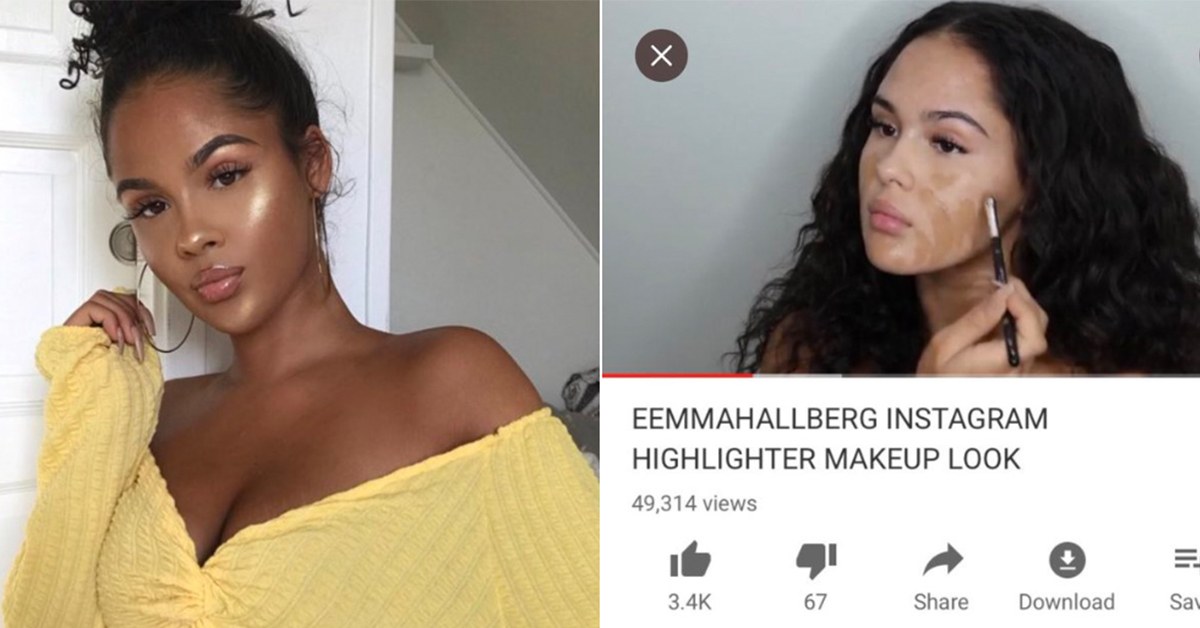
The conversation first bubbled up on Twitter, after one user shared a conversation between her and another one of her followers about a Swedish Instagram influencer with over 200k followers. Despite the woman’s appearance—deep, tan, racially ambiguous skin; full lips; and wavy hair—a deeper dive through Emma Hallberg‘s feed showed that before all the spray tans, her skin was actually quite pale. That tweet caused an uproar and a full-on debate about what it means to “look black.”

One user commented, “Some of y’all gotta stop trynna make this look OK..racial fetishism objectifies POC. I bet this girl thinks she looks more “aesthetic” when she makes herself look like a light skinned black girl.”

Another user commented, “White woman if you don’t realize the formula for instant social media fame and notoriety is to copy black womens’ style, appropriate black women culture and pretend to be a mix/light skin black woman then you’re lost in the sauce.” [all sic.]

“I genuinely believed this girl was Afro-Latina,” Deja told The Cut. “She had been mimicking black features and getting famous for it. She has been darkening her skin several tones deeper than her natural shade, braiding her hair to make it look similar to mixed people’s curl pattern, and even been featured on Instagram accounts made for black hairstyles and spotlighting black women. The sad part is she really fooled everyone into believing she was a mixed girl.”

According to Buzzfeed, the influencer self-identifies as white—which she’s confirmed to others on social media (Glamour has reached out for comment and will update when we’ve heard back.)

For example, after an old Snapchat photo resurfaced of her explaining how she got her hair wavy, Hallberg shared that she sleeps with braids in her hair to achieve this wavy look. And after old images surfaced when her skin was noticeably lighter, she was approached by another Instagram user asking if she was white and why her skin used to look so much lighter. She responded, “Yes, I’m white and I never claimed to be anything else.” She also went on to explain that those “before” pictures were taken after summer, where she gets the same tan every year.

“It made me sad that some of my natural features are hurting and upsetting people. It also made me upset and scared that I can’t look the way I look naturally, without receiving false accusations, hate, and threats,” she told Buzzfeed.“I do not have any specific intentions other than [to] show my passion for makeup and fashion.”

Unfortunately, Hallberg isn’t the only white woman who has been recently called out for the same act. Another Twitter thread started to shed light on several white influencers appearing to co-opt black features. Most of them aren’t from the U.S., where appropriation often gets lost in historical context, but nonetheless, with easy access to the Internet and the global conversations that take place around blackface, it’s no excuse.

As a woman of color, it’s disappointing to see that situations like these keep happening, and it’s equally as disheartening that black women are still being held to a different standard when it comes to our physical traits. White women work so hard to achieve the same looks we were born with—and they’re celebrated for them while we’re still shunned. I wish I had an answer to make all it stop. But until then, I’ll keep shouting into the void. Influencers, can you just not?

Related Stories:
8 Things I Wish I’d Known Before Getting Lip Injections
Kylie Jenner Reveals She Got Rid of Her Lip Filler
The Biggest Lip Mistake Kylie Jenner Ever Made and What She Learned From It


Source link

Categories
Health

Levi's Got 50 Influencers to Customize the Classic Trucker Jacket, in Honor of Its 50th Anniversary


The denim trucker jacket is arguably one of the most iconic pieces of American fashion, ever since that Summer of Love in San Francisco, when George Harrison famously sported Levi’s 70505 Type III topper and introduced an era of rock ‘n’ roll where fashion was synonymous with rebellion. That seminal silhouette was first introduced in 1967—which means that this year, it celebrates its big 5-0. To mark the milestone anniversary, Levi’s invited 50 creative influencers from around the world and a variety of fields, from music to art to fashion, to customize their very own trucker jackets, which were then showcased in a star-studded celebration in L.A.

“I just love the trucker jean jacket—well, I love all jean jackets,” actress Busy Phillips told Glamour at the event, fresh off her flight from Paris Fashion Week (and pink-hair-dyeing shenanigans). “Currently I have, like, at least 12. Is that crazy?!” We get it, Busy: Even five decades later, the Levi’s trucker still proves to be a timeless American wardrobe staple—and a pretty spectacular canvas for a group of very cool people to pour their creative energies onto.

Solange created a long white lab-coat-inspired version, while Karlie Kloss opted for cheeky über-crop; Snoop Dogg used his to pay homage to the West Coast, while Miroslava Duma combined hers with a trusty old hoodie. The one-of-a-kind designs are as diverse and fabulous as the talent themselves. For a peek at all these jackets, as well as styles remade by Karla Welch, Diplo, Justin Timberlake, and more, click through the gallery below to see how the world’s top fashionistas made a classic Americana look all their own.


Source link