Categories
Health

Fran Drescher Says a Nanny Revival Could Happen


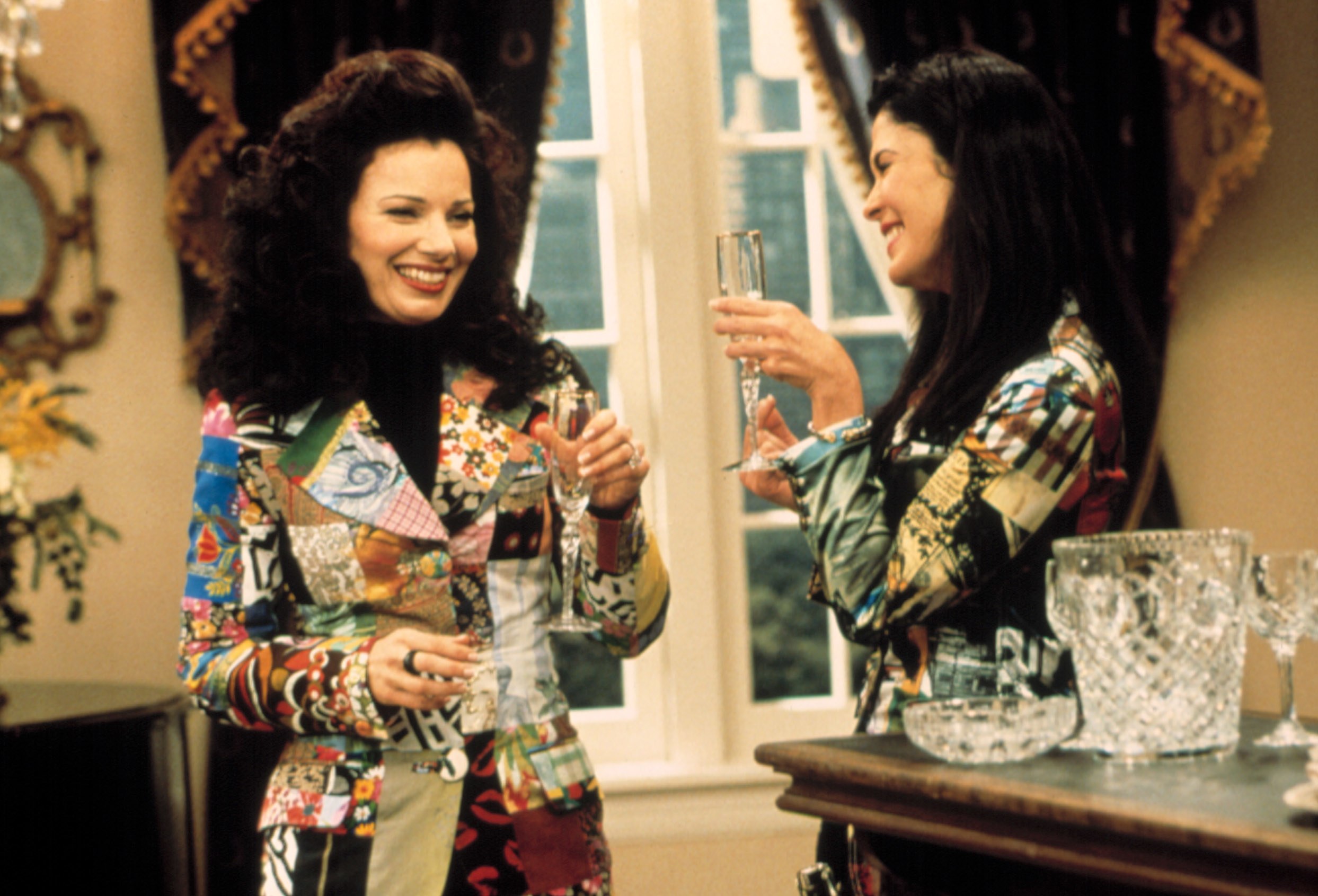
Fans of The Nanny rejoice: the classic ’90s sitcom just might be coming back to the small screen. On Monday, Fran Drescher said in an interview with Entertainment Tonight that she’s been “talking about” the possibility of a Nanny revival with co-creator Peter Marc Jacob (who also happens to be her ex-husband). “People really love that show,’ she told Entertainment Tonight. “It’s unreal.”

She also teased a “very big project” that she’s been working on with Jacob. “It’s going to be very exciting for the fans, but I’m not at liberty to announce it yet,” she said. “But it’s gonna be big.”

In the event that the Nanny does get brought back, Drescher said she hopes her character will be much more socially conscious. “She would’ve maybe gotten involved in more things [that] Fran Drescher is involved with,” she told Entertainment Tonight. “All kinds of things from environmental issues, to health, to civil liberties, that’s what I think Fran would be doing now — opening her big Queens mouth for the greater good.”

As for woke Fran’s storyline, Drescher said it would have to be set way after the original show ended. “The thing is our show would be the same characters 20 years later,” she said. “We can’t just pick up where we left off. But in a way, that could be really good because the show can have a whole fresh bend to it.”

The news of a possible Nanny revival comes three weeks after the cancellation of fellow ’90s sitcom Roseanne‘s revival. When asked about fans’ suggestion that The Nanny would be the perfect Roseanne replacement, Drescher told Entertainment Tonight that she’s “not mad at that suggestion.” “I mean, I’m waiting to get the call,” she said.


Source link

Categories
Health

Here's a Complete Rundown of What Will Happen During the Royal Wedding


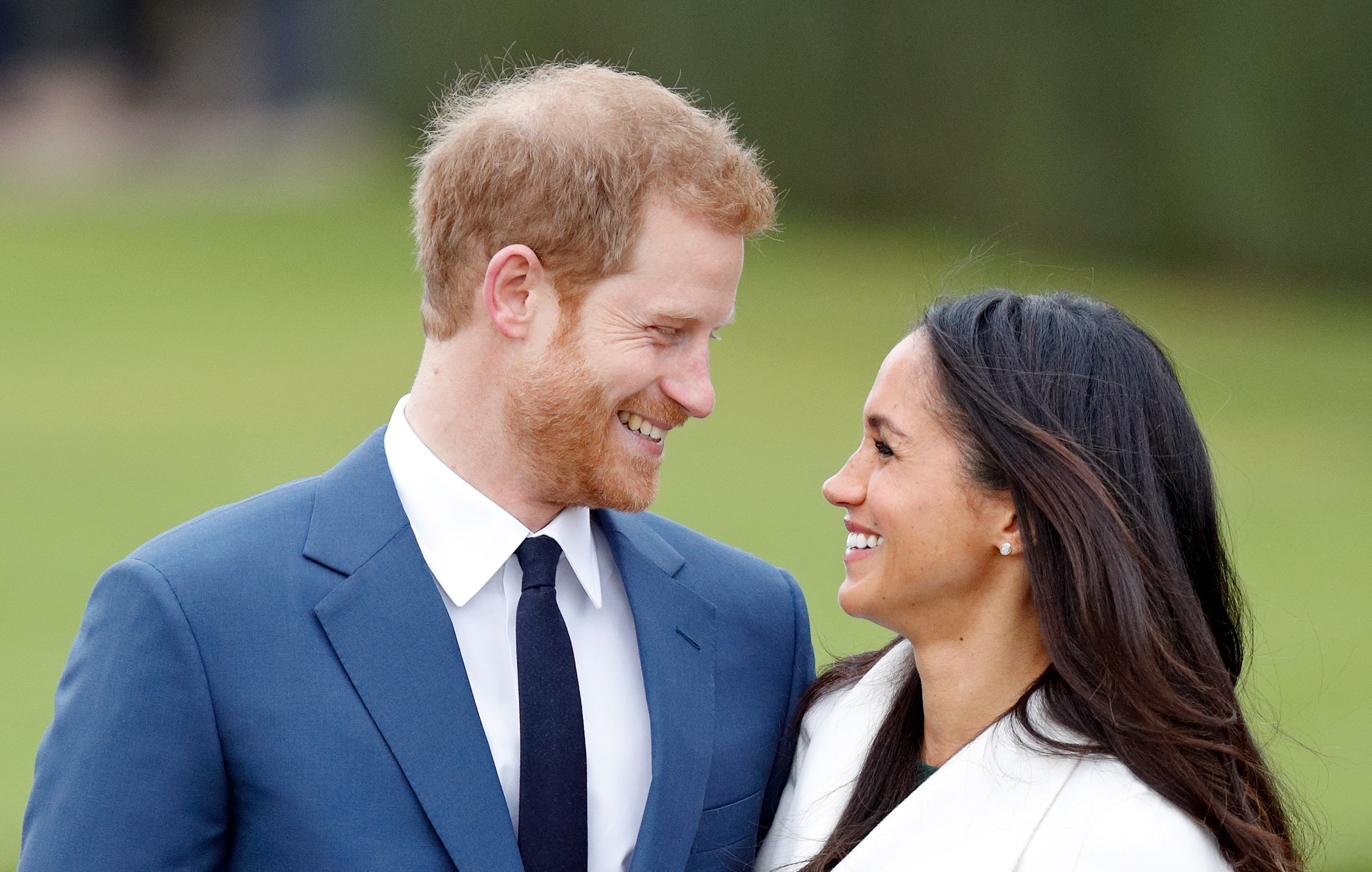
The countdown to the May 19 royal wedding of Prince Harry and Meghan Markle is officially on, and Kensington Palace has slowly but surely released details about the schedule for the day. After months of waiting, though, we finally have a minute-by-minute breakdown of the big day, which will take place at St. George’s Chapel, Windsor Castle. Here’s everything you need to know :

The Service

9 A.M. The 1,200 members of the public invited to stand inside the grounds of Windsor Castle will begin to arrive and stake out their spots.

9:30 A.M. The approximately 600 invited guests will arrive at Windsor Castle’s Round Tower and enter the chapel through the south door.

11:20 A.M. The royal family will arrive through a different entrance, the Galilee Porch.

11:45 A.M. Prince Harry will arrive on foot with Prince William to St. George’s Chapel West Steps. There they will greet 200 guests from Prince Harry’s charities in the Horseshoe Cloister near the West Steps, where they will enter the chapel.

11:55 A.M. Per royal tradition, Queen Elizabeth II will be the last to arrive, followed by Markle and her mother Doria Ragland. They’ll have just driven through the Long Walk, where they’ll wave to the public. Markle will also join up with her bridesmaids and pageboys before the West Steps, where she’ll meet her father and enter the chapel.

Noon The wedding ceremony begins, with the Dean of Windsor conducting the service. It will last until 1 P.M.

The Procession

1 P.M. The service ends, and the newlyweds will greet their charity guests in the cloister before beginning a 25-minute carriage procession in the Ascot Landau carriage through the streets of Windsor. The rest of the guests will walk from the chapel to the luncheon hosted by the Queen at St. George’s Hall.

The Receptions

1:30 P.M. The married couple will arrive at the reception in St. George’s Hall at Windsor Castle.

7 P.M. Markle and Prince Harry will leave Windsor Castle for their evening reception, where a select 200 guests will join them at Frogmore House (which also happens to be the location of their engagement photo shoot). It will be hosted by the Prince of Wales.

Obsessed with the Royals? Same. Click here to get Meghan Markle updates—and more—from Glamour’s daily newsletter.

Related Stories:


Source link

Categories
Health

Anna Kendrick's Iconic 'Cups' Performance in 'Pitch Perfect' Almost Didn't Happen


One of the most iconic scenes in the first Pitch Perfect film is Anna Kendrick‘s “Cups” audition. If you’re one of the three people on Earth who’s never seen this movie and doesn’t know what I’m talking about, here’s a quick boiler plate: Kendrick’s character, Beca, decides to audition for her college’s all-female acapella group (the Barden Bellas) by randomly hitting cups on the floor and singing “When I’m Gone” with no background music. It’s quirky and weird and ultimately lands her a spot on the Bellas. But here’s the interesting part: Kendrick didn’t come up with this herself. Way before Pitch Perfect happened, she actually found people on the Internet who had performed the song acapella with cups and learned it secondhand—just for fun. She had no idea it would come in handy for the film.

“Handy” is definitely an understatement, too. When it came time to film Pitch Perfect, the producers needed to make sure Kendrick and the other Bellas could actually sing. “They were like, ‘Can you sing something for us?’ and I was like, ‘I get to do [‘Cups’].’ I had no use for it before.”

Producers were so impressed with Kendrick’s “Cups” performance that they decided to put it in the film in place of what they’d originally planned for Beca’s audition—which was “I’m a Little Teacup.”

“I don’t know how I was supposed to play [‘I’m a Little Teacup’], so thank God they changed that,” Kendrick said. “I would’ve been like, ‘I don’t know how to make this scene work, guys.'”

Watch Kendrick explain this, below.

[embedded content]

Seriously, can you imagine Beca singing “I’m a Little Teacup” in front of terrifying Aubrey Posen? Talk about aca-awkward.

Pitch Perfect 3 hits theaters on December 22.

Related Stories:

Anna Kendrick Said No to a “Problematic” Love Interest in Pitch Perfect 3

Anna Kendrick Was Told to ‘Show More Skin’ in ‘Pitch Perfect 3’

Anna Kendrick Is Down for Pitch Perfect 4, Reviving All Our Wildest Dreams


Source link

Categories
Health

#MeToo Founder Tarana Burke on What Needs to Happen After the Hashtag


I have to admit that when actress Alyssa Milano first tweeted #MeToo, my initial reaction was panic. What if this becomes a popular hashtag, I thought, but it’s not related to the groundwork I laid out? You see, I first came up with the phrase in 2006, after an experience with sexual violence left me searching for the right words. Ever since, I’ve gone to schools and community groups all over to connect with young women—mostly black and brown girls—to let them know, “You’re not alone. This happened to me too.”

After the hashtag began trending, a friend said, “Insert yourself into the conversation.” So I posted a video to Twitter about how empathy can help survivors of sexual assault. It went viral in a way that was like, “We won’t let this black woman be erased from her work.” Then, a different kind of panic set in. I thought, “oh my god. This is mass disclosure across the internet and there’s no after care. Who’s going to have the discussion of what #metoo is really about?” I had to get my arms around it.

Since, I’ve been trying to pivot the conversation to what the solutions are. The hashtag has been amazing at drawing the kind of attention we’ve never seen to sexual violence. But, each and everyone of those people who shared it is an individual person who has a story and took a chance. So a few things have to happen next.

To me, 2018 will be all about processing #MeToo. The next step in the movement will be helping women navigate what happens after they disclose an experience. It’s about what happens if someone posts #MeToo and nobody “likes” their status and how to be advocates in our communities. How to talk to children about this. Discussing the sexual harassment teenagers deal with in school.

I’m driven by the gaps, the things that are missing, the areas where marginalized people exist — and where the least resources are available for them. There’s lots of online information about sexual violence, but there’s not a lot of information about how you as an individual can start dealing with the trauma.

We keep talking about how many millions engaged with the movement, but even if just 10 percent of those people stay committed to the work, we will have created an incredible army. Because, the power of #MeToo isn’t just naming it. Naming it is just the beginning of the journey.

Activist Tarana Burke (@TaranaBurke), 44, is the founder of the #MeToo Movement. She lives in New York.


Source link

Categories
Health

This Model Is Making the 'Unibrow Movement' Happen


Sophia Hadjipanteli is not your average Instagram model. Yes, she has almost 85,000 followers and a vibrant feed, but the reason for her social media fame is thanks to a little more than just an engaging page. The Greek Cypriot model and student has epic eyebrows—well, an epic eyebrow to be more specific—that lead her to create the #UnibrowMovement. According to Hadjipanteli, she doesn’t tweeze or wax her brows because she doesn’t want to, and why should she? No surprise, her mission to take a stand against beauty standards is resonating far and wide online.

In a recent Instagram post she shared that the main reason behind the moment is “about normalizing something that society pressures us to hide or fix.” However, this being the Internet where everyone has an opinion and a keyboard to voice it, a lot of people still feel the need to critique her and criticize her for her personal decision. But instead of getting upset by the hateful comments she rises above them. “I feel like striking high is being the bigger person—I try to educate [people online] in the most neutral, respectable, and encouraging way,” Hadjipanteli told Glamour. “I’m not just doing it for myself; it doesn’t affect me personally in most cases. I’m doing it for the people who message me and say that I inspired them or that they feel more proud and confident.”

Hadjipanteli points out that when society is used to a certain type of beauty standard, people become uncomfortable with anything that doesn’t fit inside that “norm.” This is where the #UnibrowMovement comes in. Her mission is simple, and one that is easy to get behind: “I just want magazines to embrace different types of people because I feel like the more diversity we have, the more it becomes normalized to see different kinds of people. And then, people feel less uncomfortable when they see others unlike themselves.”

You can’t deny, she’s a beauty.

Related Stories:
You Need to Hear This Billion-Dollar CEO’s Powerful Stand Against ‘Unattainable’ Beauty Ads
Emilia Clarke Just Pulled a Daenerys and Dyed Her Hair Platinum
Lorde’s Response to People Hating on Her ‘Unibrow’ Is Perfect


Source link

Categories
Health

The World is Getting Safer, Healthier, and More Prosperous. Meet the Leaders Making it Happen.


It might not always seem like it, but the world is a much better place than it was just a generation ago—and it’s improving every day.

Really, it’s true—Bill and Melinda Gates have the data to prove it. Last week, their foundation released a report that looks at the progress the world has made on the United Nations Sustainable Development Goals, a blueprint for what the world should look like by 2030. Think of it as a report card on global health.

The verdict? We’re making progress. In 2016, six million fewer children died around the world than did in 1990, partly because more kids received vaccinations. Half as many women now die during childbirth as did a generation ago, because so many more of them give birth in hospitals rather than at home. Today, only nine percent of people live below the international poverty line, compared to 35 percent in 1990.

On Tuesday, the Gates Foundation and Unicef came together to hold a major event in New York City to celebrate all the progress that’s been made. The Goalkeepers Global Goals Awards were hosted by UN Deputy Secretary-General Amina J. Mohammed and Melinda Gates and honored six inspiring leaders who have changed the world in a major way.

Priyanka Chopra, Unicef Goodwill Ambassador (and Glamour fan favorite), was there to present the Goalkeeper Award for Leadership. She said it was a great reminder that we should all have hope for the future.

“I’ve met kids around the world in the harshest of circumstances and they had hope,” she told Glamour. “Who the hell am I, living the life that I do, in the privilege I do, to have no hope? They have hope so it’s a given that I do.”

And last night’s honorees were themselves an argument for hope. Take Marieme Jamme, the winner of the Innovation Award. Jamme was born in Senegal, and her mother gave her away at a young age, leaving her to be raised in foster homes and orphanages without any formal education—she was even trafficked to Paris as a young prostitute. But when she was 16, Jamme taught herself how to read and write, and today she’s a tech and education activist who is working to teach 1 million girls to code by 2030.

[embedded content]

When she was a young girl, Jamme wore clothes that Unicef gave to her orphanage. So to be honored by Unicef now? “It’s unbelievable,” she says.

“Today, I am privileged, so now what I’m trying to do is go back and say to the leaders, think about the people who are like I was. My mission is to make sure that we as a society put empathy, compassion, and kindness to use for these people who are forgotten, to give them the skills they need to succeed right now. When you teach a girl to read and write, she becomes so powerful.”

Laura Ulloa, who won the Young Goalkeeper Award, also preached empathy. She was kidnapped by the FARC when she was just 11 and held for nearly a year. But while she was in captivity, she started having conversations with her captors and realized that they were also victims themselves. Now she’s dedicated her life to reintegrating former guerrillas back into society. “Communication is essential, because when we’re not communicating well is when we start having disputes and disagreements, and that can turn into war,” she said.

“But the other thing I think is fundamental is to help those who are in need. We can go through life and see people suffering and we can get used to that, and breaking up that pattern is essential.”

[embedded content]

In fact, that’s just the thing the Gates Foundation wants all of us to do. Even though the world is better than it used to be, there’s no guarantee it will keep getting better—and the current political upheaval makes it less certain than ever. In the U.S., the president has already proposed huge cuts to foreign aid, and some other countries have taken similar approaches. If progress stalls, it could change the lives of millions, even billions, of people, and women and girls are especially vulnerable.

“What keeps me up at night is the plight of the kids in the decisions that are made by adults,” Chopra said. “We have all these different countries and religions and we’re always dividing ourselves, but we have just one world. What kind of world do you want to leave for your children?”

So, what can you do to make sure we keep improving? Read the report, share it with your friends, tweet about it using #Goalkeepers17—anything to raise awareness! Put pressure on your elected leaders to make progress toward meeting the Sustainable Development Goals. And take the advice of Ria Sharma, who won the Leadership Award for her work with acid attack survivors.

“Activism is a field that is hard and is demotivating, because it takes so long to see progress,” she says. “But if you can believe that change is a gradual process, then I think you are on the right path.”


Source link