Categories
Health

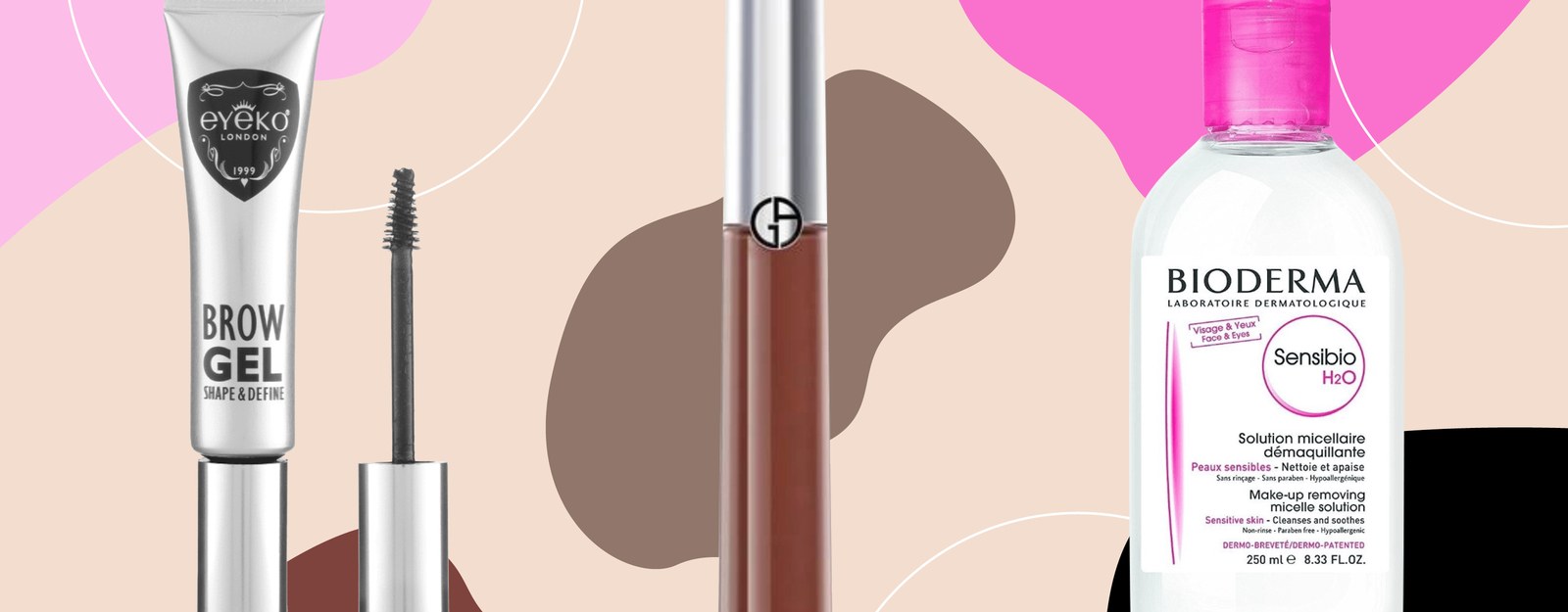
The Best Makeup for Dry Eyes


One of my favorite truths to tell during the icebreaker game Two Truths and a Lie is that I’m legally blind in my right eye. Really, both of them have such bad astigmatism to the point that, no, I do not qualify for corrective laser surgery, and without my glasses or contact lenses, I could barely make it down the block without wandering into a stop sign.

And while that’s fine and all—we all have our burdens to bear—what’s been especially challenging is my dry eyes. I don’t put in my lenses until the last possible moment before leaving my apartment, I keep a bottle of eye drops in my bag at all times, and if my lenses aren’t out by dusk, I start doing this thing where I blink very slowly, like a sloth (probably), to maximize the amount of time my eyes are closed. It’s awkward to whip out eye drops over drinks with people for work, or at karaoke, or during a date. Someone’s talking about how their grandma just died and I have to be like, “Hold on one sec, I need my artificial tears.”

Makeup only complicates matters, since I’m constantly fussing with my eyes. Powdery shadows are persona non grata, as are heavily pigmented, super-thickening mascaras. Whatever I wear needs to hold up to the eye drops, too, and the oil on my fingertips (I don’t rub my eyes, but ease the discomfort by gently pressing my index and middle fingers into either corner). So I’m strategic: I go for longwear formulas and only apply makeup to my upper lashline and eyelids. Here’s what I’ve found, through much trial and error, to be the best makeup for dry eyes.


Source link

Categories
Health

This Bubble Mask Is the Best Savior If You Abuse Dry Shampoo


I’m not sure what caught my attention first: the scalp treatment or the word bubble.

It makes sense that Kristin Ess, the stylist who spawned a line of high-quality, surprisingly affordable hair products and has masterminded many a celebrity cut (see Lauren Conrad and Jenna Dewan), would look beyond the roots. After all, healthy hair comes courtesy of a healthy scalp.

Her recent collection is all about the scalp, a term that doesn’t have to work very hard to entice me at the moment. Of all my winter gripes—dryness, dullness, the usual—I’ve been catching little flakes strewn through my hair, and they’re for sure not snow. Since they’re not the yellowish, oily flakes created by dandruff, I can only assume that I’m dealing with your average dry scalp. The detoxifying bubble mask seems as though it could do the trick.

First: If you’re unsure how, exactly, to use a bubbling scalp mask, Ess helpfully posted a thorough how-to and demo on Instagram. A budding Luddite without Instagram, I missed these, which is why I failed to shake the bottle well enough and ended up squirting some very cold liquid into my hand.

I eventually figured it out, finding it to be a mousselike foam. As soon as I applied it onto the part in my hair, I could feel the cooling, tingling action (which supposedly boosts scalp circulation, which in turn stimulates hair growth). Then I heard the popping. Technically, it’s the sound of oxygenated bubbles lifting away grime, oil, and impurities, as Ess writes in an Instagram post, but to my ears, it was reminiscent of Pop Rocks and deeply satisfying. There’s also salicylic acid in the formula, the gentle exfoliator you might recognize from your acne face wash. In this case, it’s sloughing off dead skin cells so you can rinse them away in the shower—versus them floating onto your shoulders in the middle of a conversation with your boss.

I massaged the mask in at my roots. I felt like it wasn’t evenly spreading, so although the instructions say to use a golf ball-size amount, I blew through at least a grapefruit’s worth of bubbles. The tingling eventually subsided, but the popping continued for a few minutes, even as I got in the shower and wet my hair. My scalp and roots felt so fresh and clean that I probably could’ve skipped the shampoo (though I didn’t this time) and gone straight to conditioner.

It’s like the opposite of dry shampoo: Instead of adding stuff to absorb dirt and oil (and creating residue in the process), this mask lifts them away and then disappears by popping. Genius. And while it obviously doesn’t have the same convenience factor, it only takes two or three minutes, tops—eliminating the one thing that’s kept me away from masks in the past. I have zero interest in sitting around for 15 minutes with goop in my hair.

And despite the flash-bang look of it, it’s not all diversion tactics. While the bubbles and popping are cool, they offer real results. So far I’ve noticed far fewer flakes after just one use. And maybe it’s just because I miss the experience, but damn, I can’t wait to use it again tomorrow morning.

Kristin Ess Scalp Detoxifying Bubble Mask, $14, target.com

Related Stories:
How to Cure a Flaky, Dry Scalp: Treatment and Causes
Scalp Exfoliation Sounds Gross, But It’s Given Me the Shiniest, Bounciest Curls Ever
Bye Forever, Itchy Scalp: Dandruff Products Are Chic Now


Source link

Categories
Health

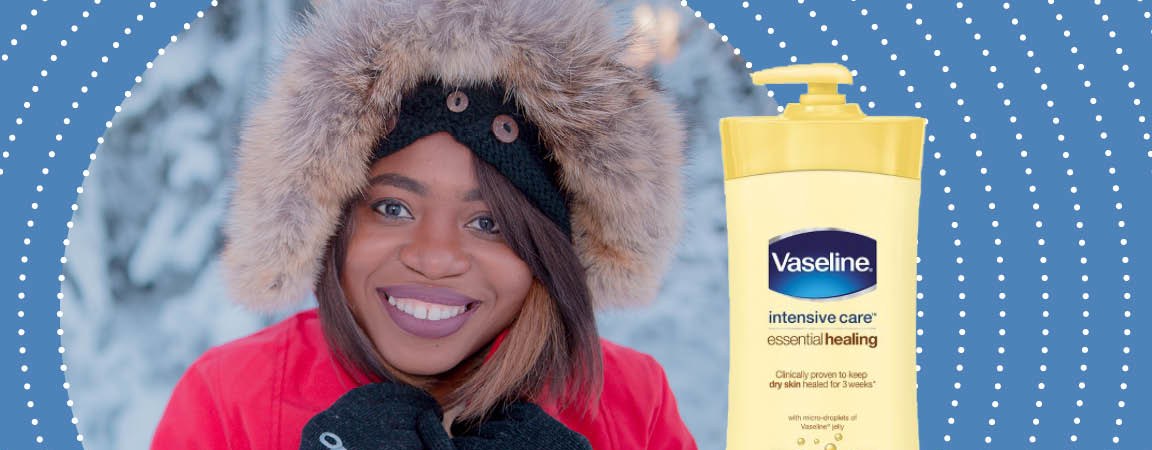
The Best Body Lotions for Dry Winter Skin, According to Women in Alaska


Asking a beauty professional—whether it’s a celebrity hairstylist, makeup artist, or Instagram influencer (hi, 2018)—for advice is always a safe bet. But dig a little deeper, and you’ll find there are plenty of other women out there who are legitimate authorities in their own right. In our column Unlikely Experts, they give real reviews and recommendations. Whether it’s surfers on the best conditioners, bikers on the best cleansers, or ballerinas on the best foot creams, it’s fair to say these women know best.

Over 80 inches of snow fell in Alaska last year. Our friends up in the Last Frontier know cold, but that doesn’t mean they spend the winter locked inside with a humidifier and space heater. Born and bred Alaskans prefer to take advantage of the great outdoors all year long, with its breathtaking landscapes and scenic hikes. But along with hats and gloves, locals have learned how to use beauty products to protect their skin from the frigid winter air.

Alaskan winters aren’t just extreme when it comes to cold—they’re also dry, with little moisture in the air to help nourish skin. Nearly every Alaskan we spoke to mentioned just how chapped and flaky their skin can get during the long winter months, which makes a good moisturizer essential. As much as we trust our dermatologists and home remedies, these women are the true winter skin experts, with full-fledged routines that tackle eczema, dry skin, and more.

With plenty of winter still ahead, we turned to 12 Alaskan locals to share their go-to body lotions for avoiding dry winter skin. Check out their recommendations, from drugstore favorites to beloved local brands, ahead.


Source link

Categories
Health

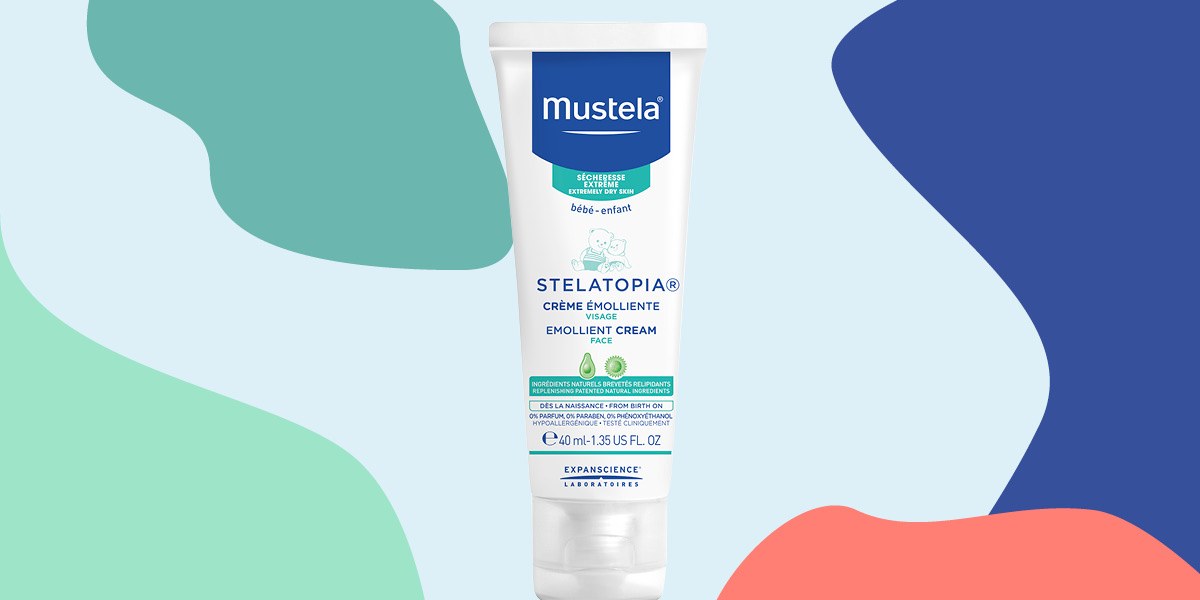
Mustela Stelatopia Emollient Cream is the Best Drugstore Moisturizer for Dry Winter Skin


In the summer, my face is an oil slick—or as kinder souls have put it, “so glowy!” Then, one day, fall turns to winter and severe dry patches begin appearing beneath my eyes and around my nose. It happens every year, like clockwork.

In the past, this signaled a mad scramble to find any solution that actually worked. Back before I knew better, I tried the multi-pronged layering approach, sandwiching serums between face mists and ointments and salves while muttering under my breath about the complexities of my skin’s love language. This fixed the problem to some extent, but it also meant going to bed with my face marinating under an inch of greasy product (woe to my pillowcases if I happen to turn over in my sleep). It was also totally out of the question for my morning routine—if a tiny gust of wind blew so much as a stray leaf my way, I was done for.

It took a few years of trial and error, but eventually, I discovered a far easier, smarter option. And I will happily reveal it to you now because it only requires that you make a trip to your nearest Target (where you’re probably already planning to go for snacks, holiday decorations, and more things than you can carry anyway). Once you enter, walk toward the skin care aisle and then keep on moving; what you want isn’t located here. Instead, set your sights on the baby section, where you’ll find a few shelves stocked with my holy grail French skin care brand, Mustela.

Mustela is a line geared toward those between the stages of newborn and toddler; the products are all tested on a patented baby epidermal model (please do not ask me what this means, but I know that no actual baby faces are involved in the process) and evaluated by a third-party toxicologist to ensure safety. I’m not exactly in that target audience, but the products work fine on adults as well—just consider them a great choice for sensitive skin. Everything I’ve tried from them has been incredibly effective, even when my face is at its most dry and inflamed. The Hydra-Stick with Cold Cream is my faithful plane companion—a creamy, comforting block that pulls double duty as lip balm and moisturizer. The Cleansing Wipes never leave my face feeling stripped or overly dry. And the tiniest bit of 1 2 3 Vitamin Barrier Cream under my nose saves me every allergy season, when my skin becomes chapped and red otherwise.

The one I go back to again and again, though, is the giant tube of Stelatopia cream, which I slather on generously. (For $23, I can afford to apply liberally.) I dispense a pea-sized amount in my palm morning and night and pat it into my skin. Sometimes I combine it with a serum if I’m in need of a brightening or firming boost, but often I wear it alone, content to let it work its magic without any extra frills.

While the formula doesn’t feature the kind of plush, rich texture I’m used to from ultra-nourishing creams, it more than makes up for the lack of sensorial experience with its restorative properties. The lotion comes out fluid and light, sinking into my skin almost instantly and leaving no residue behind. As soon as it meets a dry patch, I can almost feel my face sighing in relief. There are formulas that hydrate and formulas that heal—this does both, which makes sense as it’s designed for eczema-prone complexions. This is thanks to avocado perseose (a new-gen biomimetic—essentially, a patented ingredient that mimics the skin’s barrier function) and sunflower oil distillate, the two key actives in the ingredients list.

“They work together to reinforce the skin barrier, maintain moisture, and minimize water loss,” says FAAD Associate Professor of Pediatric Dermatology, Latanya T. Benjamin, MD. To break that down further: Your skin barrier keeps pollutants out and the good stuff in. When it’s compromised (whether by the elements or by other culprits like too much exfoliation), your skin easily becomes dry and irritated. Ceramides are a lipid that form this barrier, so naturally, you want more of them. Similarly, sunflower oil distillate also helps replenish your lipids and reduce inflammation at the same time. Together, they do everything I was looking for in those 8 layers of product I formerly buried myself in. If I could add these two ingredients to everything I use between November and April, I would. Then again, I really only need this single tube.

Mustela Stelatopia Emollient Cream, $23, target.com

Related Stories:
All the Natural Skin Care Products I Use to Fight Dry Skin in the Winter
6 Annoying Winter Skin Issues—Solved
The No-Frills Face Cream That Tackles the Toughest Dry Spots


Source link
Categories
Health

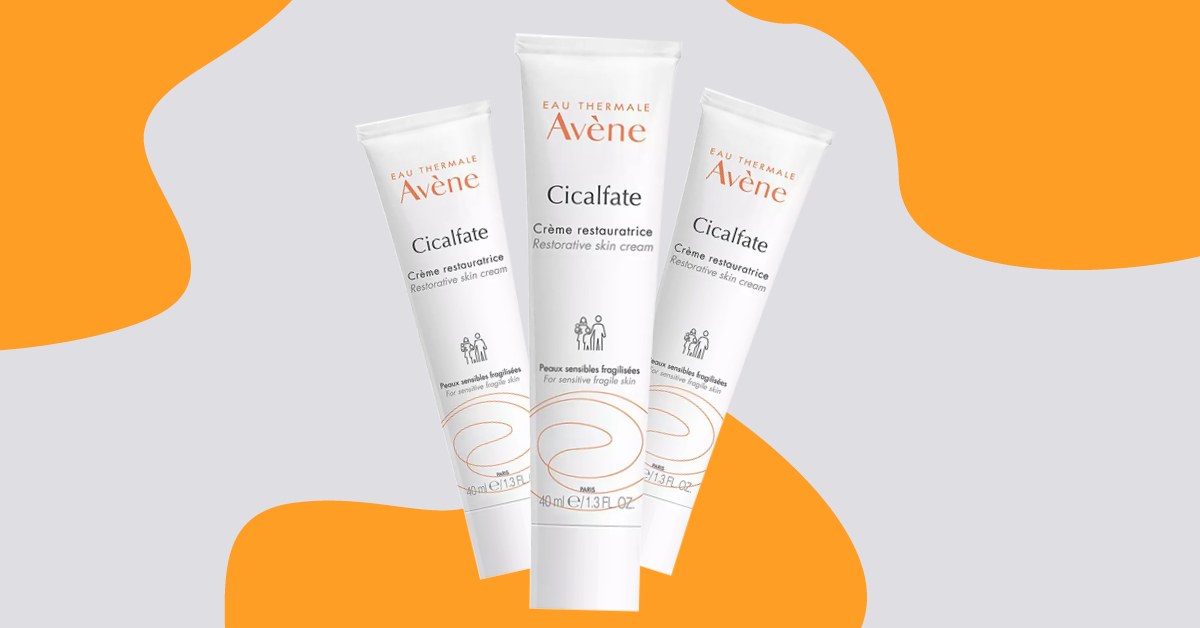
Avene Cicalfate Repair Cream Tackles the Toughest Dry Spots


There’s something about back-to-school time that calls for a refresh. That’s why this week, we’re throwing it back to the basics: putting “easy” makeup hacks to the test and a spotlight on the simple products that’ll make a big difference. Class is now in session.

Whenever someone asks about my skin type, my response is usually akin to the shrug emoji. While I’m sure there are people who know if they’re dry, combo, or oily off the bat, I’ve experienced the gamut of skin issues over my 34 years. I’ve had eczema since I was eight; a tendency to get hormonally induced cystic zits; and extremely sensitive skin. Yet despite the obvious disparity between extremely dry and extremely acne-prone skin, I’ve found one product that helps cure it all: Avene Cicalfate Repair Cream.

While I’ve known about Avene’s Thermal Spring Water for some time—it’s one of the OG face mists—its other skin care products always seemed rather unassuming. The packaging for the repair cream, like the mist, comes in a nondescript white tube that isn’t quite as catchy as the other more Insta-friendly stuff on shelves. But I recently was on the hunt for a product that strengthens your skin barrier, a term I’d been hearing quite a bit about from dermatologists, which led me to pick up a bottle. The barrier refers to your skin’s functionality, resilience, and protection between it and the environment. In less scientific terms: It helps keep moisture in and skin-damaging irritants (like pollution and free radicals) out. So when your skin barrier is fragile or busted—either because of too-harsh products or environmental stress—it can lead to dry, flaky, irritated, or sensitive skin.

What Avene’s Cicalfate Repair Cream does, then, is build back up your skin barrier thanks to a unique water-in-oil texture. The thermal spring water and glycerin, a humectant that attracts water, in the formula work to instantly flood your skin with hydration, while the oil creates an impermeable barrier to lock it in.

When I first tried the cream, I used it on a zit I spent too much time picking. (Yeah, I know, I know; picking is bad.) An unsuccessful squeeze with slightly too-long nails left a small scab on my chin that felt enormous to me. I used no more than a pea-size drop and dabbed it gently over the spot after I finished my nightly skin care routine. Then after letting it soak in for about 30 minutes, I hit the sack. When I woke up the next morning, the redness, inflammation, and dryness were nonexistent.

Same goes for the scaly, burning patches of eczema I get on the delicate skin around my eyes, especially during seasonal changes. Because the cream is incredibly thick and emollient—while also entirely fragrance-free and hypoallergenic—it feels incredibly soothing on angry spots. I did a little more research into the product’s ingredients and found that the micronized zinc also helps to temper aggravated skin conditions in an extremely gentle but effective way. “Applied topically, zinc oxide can repair damaged, sensitive skin, which is why it’s used in diaper rash creams, for example,” says cosmetic chemist Ginger King. Copper and magnesium too have been shown to speed up wound-healing and reduce inflammation, respectively.

Since then, I’ve gone on to use the cream as basically a cure-all spot treatment. It’s great in case you ever overexfoliate, for ruddy noses during cold season, or to calm your skin after a harsh mask or acid. Likewise, I’m pretty clumsy, and I’ve found the stuff to help clear up cuts and scrapes I procure seemingly out of nowhere.

Arguably the best thing about it, though, is the affordability and availability. It’s not some miracle cream you can find in only three Parisian pharmacies. A tube costs only $28 and will last you months at a time, since each treatment requires such a tiny dot of product. And while I’ll probably always have some sensitive spot to treat, at least I’ve now got a quick fix for it.

Avene Cicalfate Repair Cream, $28; dermstore.com

Related Stories:
6 Strange But Effective Skin Care Ingredients That Actually Work
Why pH-Balancing Cleansers Will Give You Better Skin
Best Face Oil for Every Single Skin Type


Source link

Categories
Health

Best Moisturizing Gel Socks for Dry, Cracked Feet and Heels


“You know, you should really use a foot cream.” I knew the pedicurist tending to my feet wasn’t trying to be rude, but like breaking in a new pair of leather boots, it rubbed me the wrong way. “Ew, yeah, what the hell do you do to your feet?” my best friend chided me from the next seat over. Their rough state has been a running joke since high school, but the truth of the matter is I’ve tried just about every tool and treatment there is to manage how dry and cracked my feet get. It doesn’t matter the time of year, they’re always callused, uncomfortable, and—in more polite company—embarrassing.

For the most part, it’s something I’ve gotten used to. I’ll come home, kick off my shoes, and wonder how my paramedic boyfriend can have feet that look better than mine. I’ve gone through every butter, cream, and pumice stone. Even the heavy-duty stuff like those face brushes for your feet haven’t made a difference. Baby Foot, the viral foot peel that makes you shed dead skin like a snake, helps for about a week. And yet, my feet seem to immediately revert back to their baseline.

Then, one day, I came across a review for these gel socks. Let’s first address the aesthetics head-on: they’re not cute. But they’ve managed to do what no cream before them has been able to do: Soften and smooth my haggard feet.

The inside of the socks are lined with a hydrating gel, so they deposit ingredients like vitamin E and jojoba oil while you wear them. They’re cold and squishy but never moist. As someone who has a general distaste for socks (I know there’s probably a correlation somewhere to this), they’re surprisingly comfortable to sleep in; pleasant even. On nights when my radiator’s on full blast, I’ll pop them in the fridge before climbing into bed. Then I’ll stare in amazement as I peel them off in the morning. Emphasis on peel: they feel vaguely like a suction cup.

I’ve since bought three extra pairs, including the more neutral-gray XpresSpa version, which are about $10 more but slightly chicer, if you can even say that about a foot product. They’re easy to clean—you just throw them in the washer—and can be worn with foot cream that doesn’t bother you. (It was too squishy for me.) Neither one totally erases calluses, but I swear they’re life-changing. If not for the money they’ve saved me on extra pedi scrubs, then for the fact that I can play Candy Crush in my massage chair in silence.

BelleSha Spa Moisturizing Gel Socks, $10, amazon.com

Related Stories:
I’ve Never Loved Anything More Than This $14 Hand Cream
10 Glamour.com Editors on the Best Moisturizers for Dry Skin
Your Head-to-Toe Dry Skin Survival Guide


Source link