Categories
Health

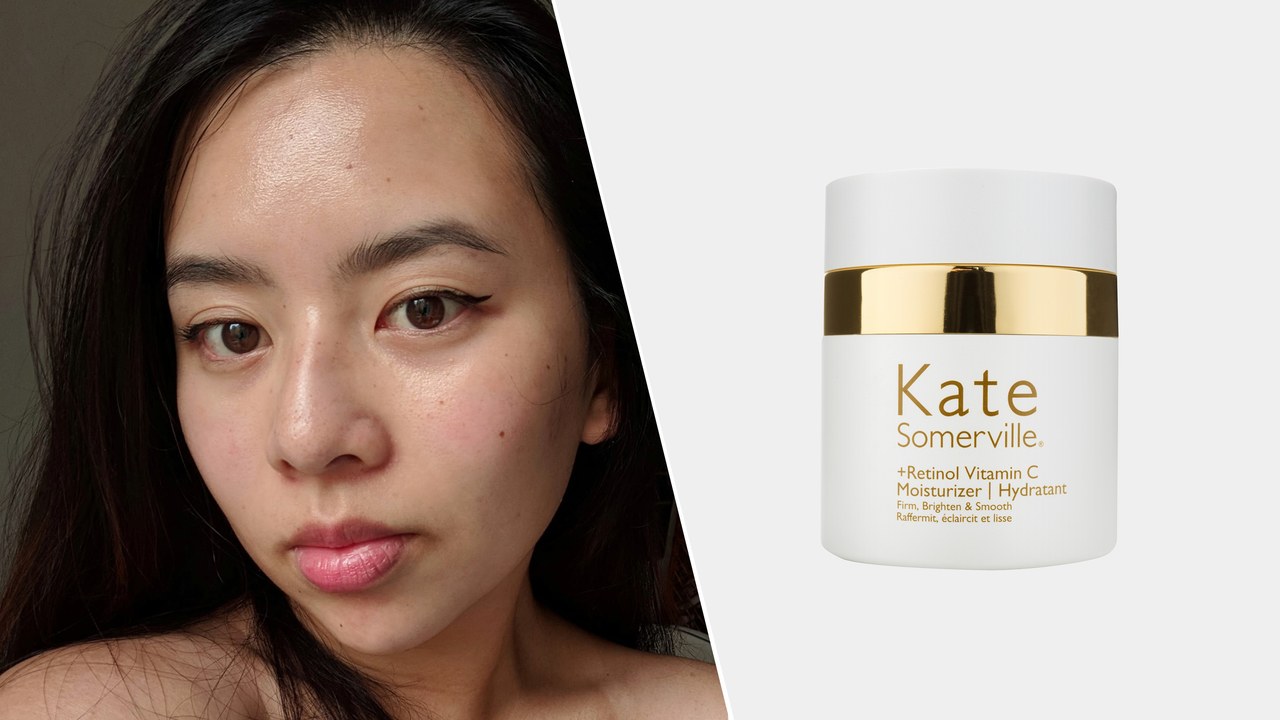
The Best Retinol Cream I've Tried: Kate Somerville +Retinol Vitamin C Moisturizer


I have a confession: As much as I confidently advise all my friends, colleagues, and random strangers to slather their faces in the best retinol creams and serums, I rarely go anywhere near them myself. As someone who takes pride in being glowy, you’d think I’d be be stocking up. The vitamin A derivative has been proven to speed up the turnover rate of your cells, which translates to a smoother, clearer complexion. It’s one of the few ingredients that dermatologists have backed for years, and I’ve seen its effects on others firsthand, but my routine has remained conspicuously retinol-free for years.

The best way to explain my avoidance is that my previously acne-prone self was introduced to retinol through its prescription cousin, Retin-A, also known as tretinoin or retinoic acid. If you haven’t tried it before, it’s strong, much stronger than retinol. After one week of using it, you will realize exactly how much skin can flake off your face per day (a terrifying amount, as it turns out). If your doctor, like mine, instructs you to apply it more frequently than you should, you’re in for one red, inflamed complexion before your acne eventually clears.

One miserable year with Retin-A was enough to put me off anything that sounded remotely similar to the word. In theory, I knew retinol was much gentler—and extensive beauty research had taught me that the way to incorporate it into your beauty routine is gradually, using it a few nonconsecutive days a week and buffering with moisturizer if needed. In practice, I always ended up reaching for something else.

Fate intervened when I had one too many late nights and ate one too many slices of home-baked cake this summer, and my skin had some feelings about it. Aside from breakouts on my cheeks and clogged pores on my nose, my complexion just looked somewhat duller and sadder overall. I did what I always do in this situation and went into the giant cardboard box that doubles as my disorganized beauty closet. And in its depths, the first thing I unearthed just happened to be a gleaming bottle of Kate Somerville +Retinol Vitamin C Moisturizer. It seemed like the right time to welcome it into my life.

Resolving to proceed cautiously this time, I began slowly incorporating it into my routine for a week. “It takes two to four weeks to adjust to retinol,” says dermatologist Joshua Zeichner, M.D., confirming everything I learned the hard way. “I typically recommend applying retinol-based products every other night and advancing as tolerated over the next month.”

I followed his instructions, never applying it more frequently than every other night, and sometimes leaving an extra night in between for good measure. The brand says it’s possible to use this nightly, but I decided it wasn’t the right time for me to live on the edge. To be extra safe, I concentrated the moisturizer only on the areas that needed it most—dispensing a single pump of lightweight, silky cream out of the airtight tub. I’d then dab tiny amounts over layers of essence and serum on my nose, mid-cheeks, and chin. I was also careful to avoid the apples of my face, which are prone to mild rosacea and thus don’t really appreciate any disruption of the retinol sort. This process was strictly reserved for nighttime only (as retinol should always be)—and always followed by copious amounts of sunscreen during the day. I paired it with my latest year-round obsession, the Dynamic Skin Recovery SPF 50 Moisturizer from Dermalogica. I kept this up for two weeks, and—wow.
Source link

Categories
Health

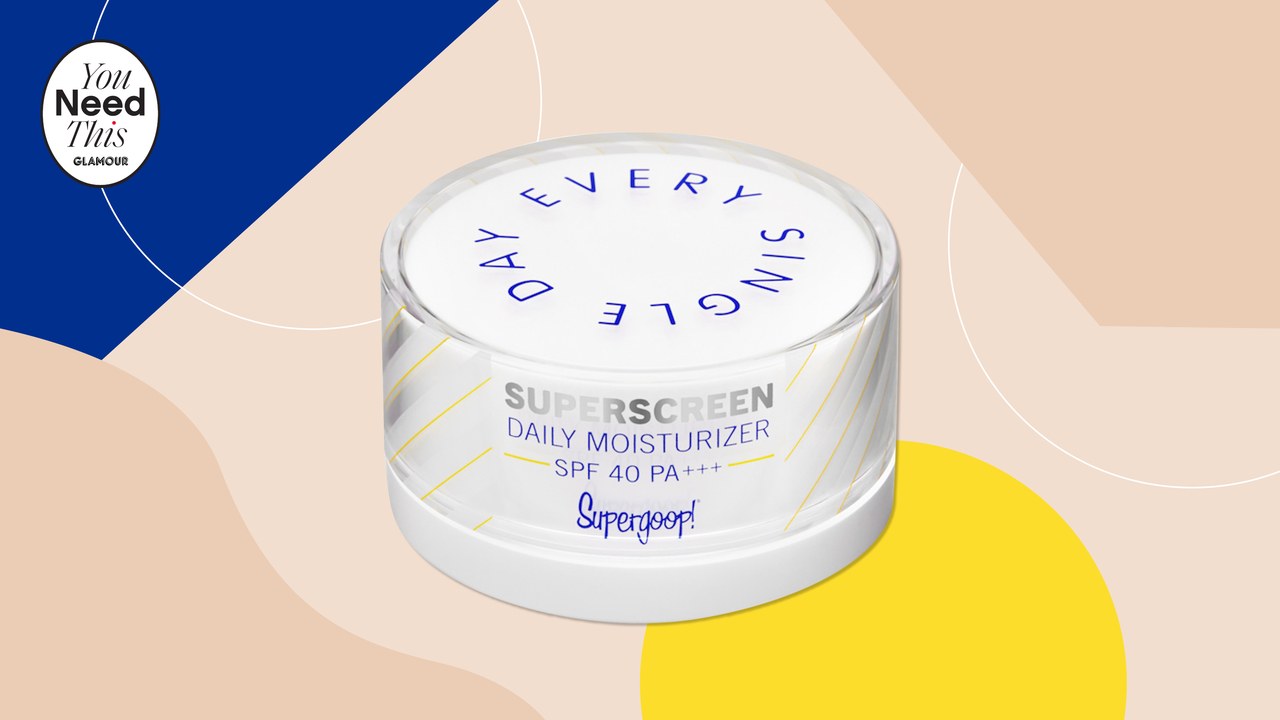
Supergoop! Superscreen Daily Moisturizer Is the Only Sunscreen I Wear


Forgive me Father for I have sinned. I’ve broken the biggest beauty rule in the book—one that has been drilled into my head since I was a fledgling beauty addict stealing my mom’s fashion magazines. I never wear sunscreen (pause for shock and horror). I know I’m supposed to wear it everyday, but my reality is closer to once every few months, when I know I’m going to be out in the sun for an extended amount of time. I’ve heard it said that if you’re not wearing sun protection, the rest of your skin care is essentially useless, but I still can’t bring myself to change my ways.

My aversion to sunscreen comes down to two major factors, the first being that I am simply very lazy. As someone who’s chronically running 15 minutes behind at all times, my morning skin care routine has to be as quick as possible. Adding a sunscreen and then giving it time to sink in before moving on to my makeup frankly just takes too long.

The second factor is the majority of sunscreens don’t work for me. I’ve experimented with texture, brands, mineral and physical forms, and hadn’t found the right fit. They either pilled up, were too matte or too shiny, or disrupted my makeup. Most sunscreens also break my out or irritate my sensitive eyes, and I was starting to think SPF just wasn’t for me. Sure, I’d be wrinkly later on, and not wearing sunscreen isn’t doing any favors for my hyperpigmentation, but at least I don’t have to deal with all the drama now.

I’d dabbled in moisturizers with SPF (as opposed to layering a separate sunscreen over my moisturizer), but I found most were too low in SPF to really make a difference, and I was too married to my favorite moisturizer to make the swap. Time was on my side though, and right as I ran out of my beloved Embryolisse the Supergoop Superscreen Daily Moisturizer SPF 40 arrived at my desk.

The Superscreen is a daily moisturizer with SPF 40. It comes in a very Instagrammable pot and has a bouncy, whipped texture that I can only describe as pudding-like. There’s a light floral fragrance with a hint of Play-Doh that I actually kind of like.

I’d tried Supergoop before and had unfortunately broken out shortly after, but I was sucked in by Instagram hype yet again and decided to give the Superscreen a try. I’m pleased to report not only did I not break out, but my skin looked amazing. It soaks right in, and my skin feels immediately plump and bouncy, which could be attributed to the formula’s inclusion of blue-green algae, an ingredient with nourishing benefits and antioxidants. The cream is rich enough to hydrate my dry skin and leave a pretty glow, but doesn’t leave an oily residue. And most importantly, it creates a perfect canvas for makeup, with no flashback or pilling.

The formula also contains Cerium, an element that protects from blue light damage. The jury is still out on if blue light has an affect our skin, and it personally feels a little gimmicky to me, but it’s nice to know I’ll be protected if it does turn out to be dangerous. The other thing to note is that this is a chemical sunscreen with avobenzone, homosalate, and octisalate as the active sun protection ingredients. According to a new FDA proposal, there are only two guaranteed safe ingredients to use, Zinc Oxide and Titanium Dioxide, because they sit on top of your skin. These actives are currently being reviewed for human safety by the FDA, but haven’t been deemed unsafe. They are reef safe though and won’t cause damage to the oceans.

I’ve turned a new leaf, and since I tried Superscreen about two months ago, I’ve worn sunscreen everyday—my all-time record. And that’s nothing to scoff at.


Source link

Categories
Health

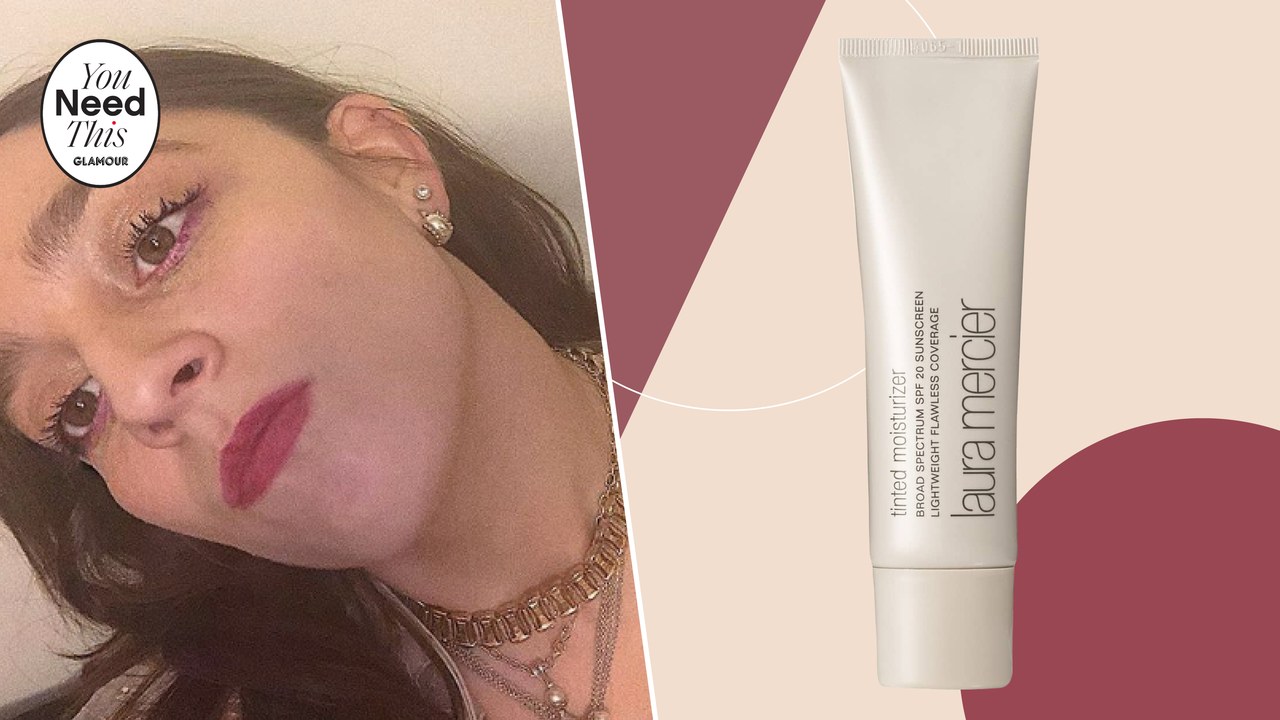
Laura Mercier Tinted Moisturizer Gives You the Glowiest Skin Ever


Foundation has never been part of my makeup routine. I’m partial to a natural dewy look, and every foundation I’ve ever tried has always gone on too cakey, too heavy, and too thick. So I resigned myself to believe my skin tone will forever be uneven. Better that than cake face, right?

Then one fateful day in December, I hired a makeup artist on GlamSquad to do my makeup for a wedding. As we were chatting about how I wanted to look, I casually offered up my skepticism about foundation. “Nothing works on me; I can’t use it,” I told him. He raised his eyebrows, reached into his bag and said, “Well you’ve probably never tried this.”

This referred to Laura Mercier’s Tinted Moisturizer, which he told me he “swears by.” He went on to extoll its virtues, telling me about how he uses it on “absolutely everyone,” whether they think they need foundation or not. He said he’d even converted full-coverage foundation lovers on to its light-as-air finish. His enthusiasm intrigued me, but I wasn’t sold until he put it on.

Seeing it on my skin, I completely understood where this guy’s fervor came from. The change was subtle but unmistakable. The tinted moisturizer gave my face that natural, dewy glow I wanted without looking like I was wearing anything at all. I even liked the way it looked before he put any other makeup on, which is something a mascara addict like myself would honestly never say. I usually feel naked without any eye makeup on, but this tinted moisturizer was really changing everything.

The real test came when I was actually at the wedding—dancing, sweating, and doing other things that makeup usually hates. The product held up for hours and looked just as good while I was staring at myself in the mirror at 2 A.M., questioning my decisions at the open bar.

The next day I decided this wasn’t just a formal occasion look, I needed this tinted moisturizer immediately. So I did what anyone would in that situation—I Googled it. Apparently I’m the only one who wasn’t in on its magic. The reviews and five-stars for it were in the thousands.On Nordstrom alone, Laura Mercier’s Tinted Moisturizer has 2,500 glowing reviews. On Sephora it has 4,000!

I’d been slightly hesitant to actually buy it, because at $46, it’s not the cheapest. But after reading the hundredth review by someone who claimed they “couldn’t leave the house without it,” I clicked add to cart—and I’ve never regretted a decision less.

When I’m in a rush, the tinted moisturizer is the only product I’ll put on. It gives me the confidence of a full face of makeup while also making me look like I just came back from a beach vacation. It also blends really nicely with all of the other makeup products I use routinely, like Milk Makeup flex concealer and Glossier Cloud Paint. Plus, it lasts forever! The tube itself is not that large, but I’ve used it every day for four months now and I haven’t run out. (A little on a Beautyblender goes a long way.)

So now when people tell me that they hate foundation I turn to them and say, “Well you’ve probably never tried this.” Weeks later, they’ll come to me and say, “I can’t leave the house without it.” But, of course, I already know. How couldn’t they?

Buy Now: Laura Mercier Tinted Moisturizer, $46, Nordstrom


Source link

Categories
Health

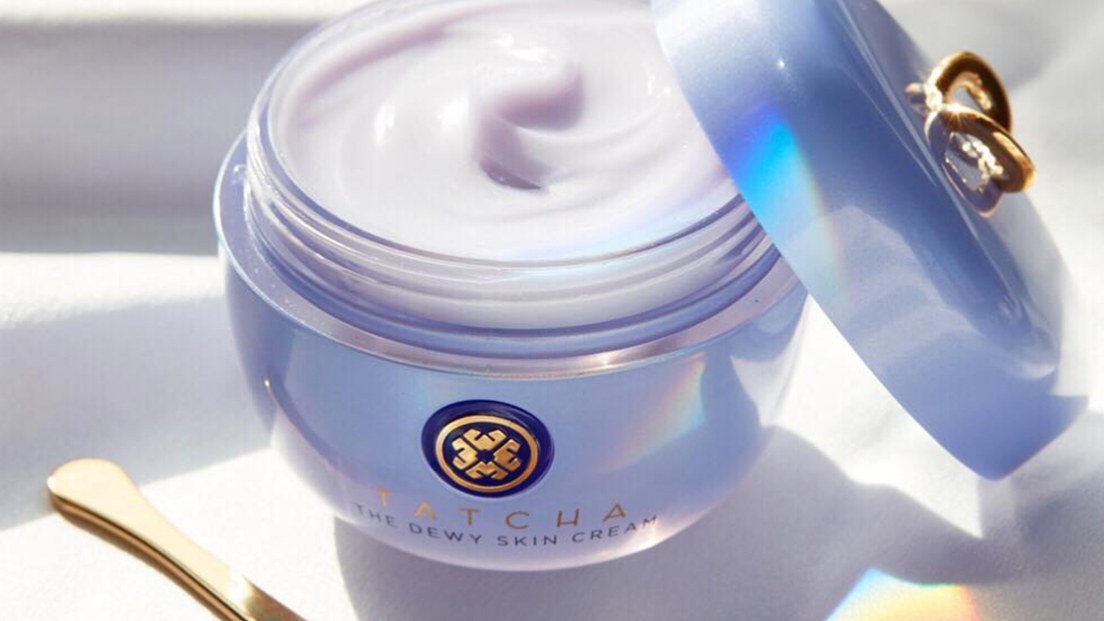
Tatcha The Dewy Skin Cream Is the Best Moisturizer for Glowing Skin


There’s no shortage of material possessions that spark joy for me: sweatpants that qualify as daywear, croissants of every variety, and $435 LED face masks that double as Instagram props. Moisturizers, even the very best ones, rank somewhere near the bottom of this list. I need them in my life, but they’re just not that exciting. The most effusive I’ll ever be about a face cream is to say that it does its job without any additional bells and whistles. I have a soft spot for one $23 version you can pick up at Target in the baby aisle. It hydrates and soothes, and it doesn’t pretend to have powers beyond those simple tasks. I leave the brightening, plumping, glow-boosting work to flashier things—like power ingredients-packed serums or resurfacing acid peels.

I would be lying if I said I changed my mind when every beauty editor I knew began raving about Tatcha’s Dewy Skin Cream. Look, I love Tatcha—the brand has inspired me to set exceedingly high standards for my blotting sheets (if it’s not flecked with gold leaf, why are you even telling me about it?) and body lotions (you mean it’s not infused with indigo and won’t leave me smelling like the spa? Pass). But, it was a moisturizer. How life-changing could a moisturizer possibly be? Even the knowledge that it was inspired by Mario Dedivanovic (Kim Kardashian’s makeup artist) and would reportedly give my complexion the texture of a “freshly steamed dumpling” elicited no more than a feeble eyebrow raise at first.

Then, one recent Sunday evening, I really did everything you can possibly do wrong for the general wellbeing of your complexion. In my defense, if you’re going to pour me a well-chilled glass of white wine and plop a pint of Ben and Jerry’s Half Baked ice cream in front of me, I’m not going to be act like they’re not there. One fantastic dinner party and way too much sugar and alcohol later, I climbed into bed somewhere around 1:30 A.M., too lazy to go through my usual, meticulous skin care ritual. (I did still remove my makeup, though. I mean, I have some standards.)

I woke the following day with a strong suspicion that my face had taken on the flattering gray pallor of a corpse. Four hours of early morning German grammar drills did nothing to help that situation. With each repetition of the Konjunktiv II Vergangenheit form, I could distinctly sense another piece of my soul exiting my body—and another sign of life leaving my face. By the time I got home, drastic measures clearly needed to be taken. Hobbling into my room, I suddenly spied a previously forgotten pot of Dewy Skin Cream hanging out under my bed (this job comes with certain perks) and recalled all the fervent, steamed dumpling praise it had inspired. It seemed like the perfect opportunity to put those claims to the test.

This is the part where I admit that everyone was correct and I now feel as though I’ve spent my entire life being lied to about the true potential of face cream. The formula is packed with purple rice bran, which does way more than lend the contents a charming lilac hue. The ingredient is rich in anthocyanin, an antioxidant that helps your complexion recover from stress and pollution. Other botanical extracts, like algae, thyme, and marjoram are added to intensely hydrate, reinforce your skin barrier, and retain more water. There’s also ginseng, which contains the same amino acids found in collagen.

Apparently, when you mix this up—and sprinkle in whatever magic Tatcha adds at the end—you get the first moisturizer that has ever made an instant, dramatically noticeable difference to my face. This is not one you have to use patiently for many days and nights in a row to reap the rewards, although you certainly could. And unlike some other products that are billed as “glowy,” it doesn’t contain microshimmers or light-reflecting particles to accomplish any of these results. I pat it on, my face drinks it in, and then I simply look better. Shadows recede, signs of life come flooding back, and my skin takes on a freshly-watered, luminous quality. It’s truly miraculous.


Source link

Categories
Health

The Difference Between Foundation, Tinted Moisturizer, BB Cream, and More


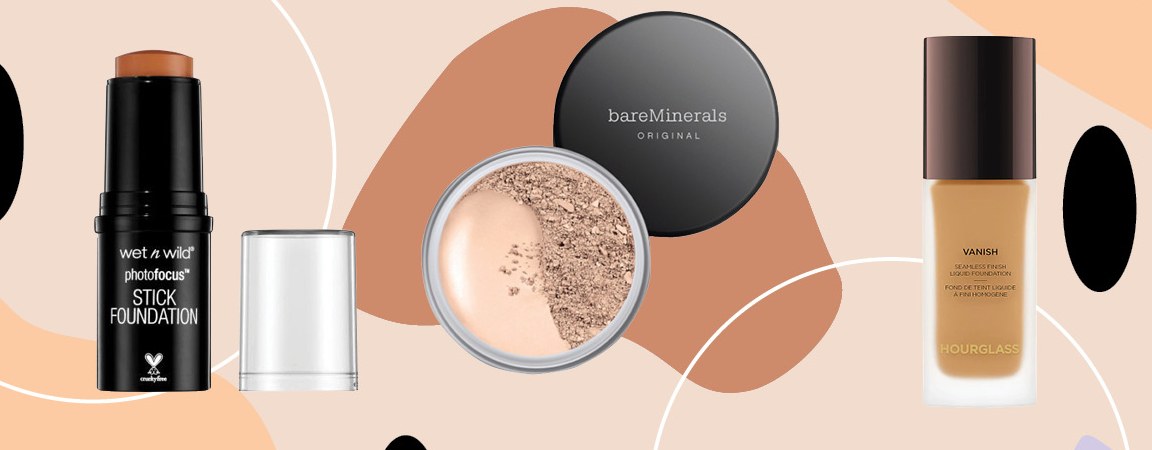
Base makeup used to be simple. You had you choice of foundation, tinted moisturizer, and powder. Call it the Instagram effect, but skin is in, and in the past few years complexion products have really taken off leaving us with more options than ever—maybe too many options. Among all the liquids, creams, sticks, and tints, narrowing down what formula works best is overwhelming. And that’s not even taking shade range in account. On the plus side, all these options means more of a chance of nailing down the exact coverage and finish you’re after. To help break down the difference between a CC, BB, cushion, and more, we asked celebrity makeup artist Andrew Sotomayor to spill his knowledge. Read on to get the basics on bases.


Source link

Categories
Health

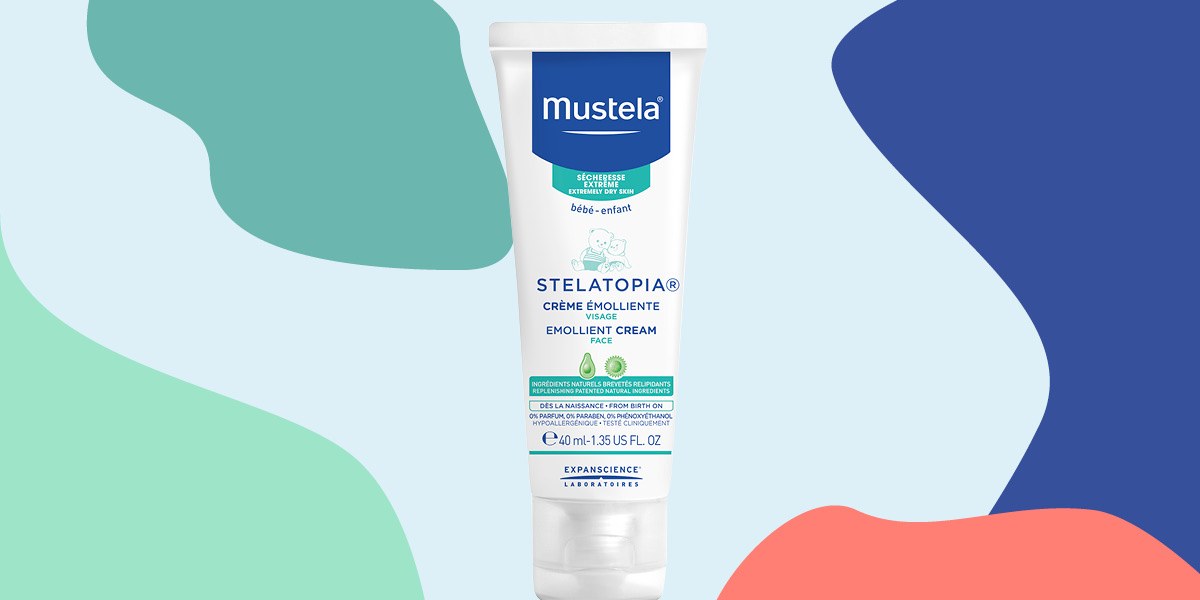
Mustela Stelatopia Emollient Cream is the Best Drugstore Moisturizer for Dry Winter Skin


In the summer, my face is an oil slick—or as kinder souls have put it, “so glowy!” Then, one day, fall turns to winter and severe dry patches begin appearing beneath my eyes and around my nose. It happens every year, like clockwork.

In the past, this signaled a mad scramble to find any solution that actually worked. Back before I knew better, I tried the multi-pronged layering approach, sandwiching serums between face mists and ointments and salves while muttering under my breath about the complexities of my skin’s love language. This fixed the problem to some extent, but it also meant going to bed with my face marinating under an inch of greasy product (woe to my pillowcases if I happen to turn over in my sleep). It was also totally out of the question for my morning routine—if a tiny gust of wind blew so much as a stray leaf my way, I was done for.

It took a few years of trial and error, but eventually, I discovered a far easier, smarter option. And I will happily reveal it to you now because it only requires that you make a trip to your nearest Target (where you’re probably already planning to go for snacks, holiday decorations, and more things than you can carry anyway). Once you enter, walk toward the skin care aisle and then keep on moving; what you want isn’t located here. Instead, set your sights on the baby section, where you’ll find a few shelves stocked with my holy grail French skin care brand, Mustela.

Mustela is a line geared toward those between the stages of newborn and toddler; the products are all tested on a patented baby epidermal model (please do not ask me what this means, but I know that no actual baby faces are involved in the process) and evaluated by a third-party toxicologist to ensure safety. I’m not exactly in that target audience, but the products work fine on adults as well—just consider them a great choice for sensitive skin. Everything I’ve tried from them has been incredibly effective, even when my face is at its most dry and inflamed. The Hydra-Stick with Cold Cream is my faithful plane companion—a creamy, comforting block that pulls double duty as lip balm and moisturizer. The Cleansing Wipes never leave my face feeling stripped or overly dry. And the tiniest bit of 1 2 3 Vitamin Barrier Cream under my nose saves me every allergy season, when my skin becomes chapped and red otherwise.

The one I go back to again and again, though, is the giant tube of Stelatopia cream, which I slather on generously. (For $23, I can afford to apply liberally.) I dispense a pea-sized amount in my palm morning and night and pat it into my skin. Sometimes I combine it with a serum if I’m in need of a brightening or firming boost, but often I wear it alone, content to let it work its magic without any extra frills.

While the formula doesn’t feature the kind of plush, rich texture I’m used to from ultra-nourishing creams, it more than makes up for the lack of sensorial experience with its restorative properties. The lotion comes out fluid and light, sinking into my skin almost instantly and leaving no residue behind. As soon as it meets a dry patch, I can almost feel my face sighing in relief. There are formulas that hydrate and formulas that heal—this does both, which makes sense as it’s designed for eczema-prone complexions. This is thanks to avocado perseose (a new-gen biomimetic—essentially, a patented ingredient that mimics the skin’s barrier function) and sunflower oil distillate, the two key actives in the ingredients list.

“They work together to reinforce the skin barrier, maintain moisture, and minimize water loss,” says FAAD Associate Professor of Pediatric Dermatology, Latanya T. Benjamin, MD. To break that down further: Your skin barrier keeps pollutants out and the good stuff in. When it’s compromised (whether by the elements or by other culprits like too much exfoliation), your skin easily becomes dry and irritated. Ceramides are a lipid that form this barrier, so naturally, you want more of them. Similarly, sunflower oil distillate also helps replenish your lipids and reduce inflammation at the same time. Together, they do everything I was looking for in those 8 layers of product I formerly buried myself in. If I could add these two ingredients to everything I use between November and April, I would. Then again, I really only need this single tube.

Mustela Stelatopia Emollient Cream, $23, target.com

Related Stories:
All the Natural Skin Care Products I Use to Fight Dry Skin in the Winter
6 Annoying Winter Skin Issues—Solved
The No-Frills Face Cream That Tackles the Toughest Dry Spots


Source link