Categories
Health

The New Postpartum Depression Drug Zulresso Comes With a Catch


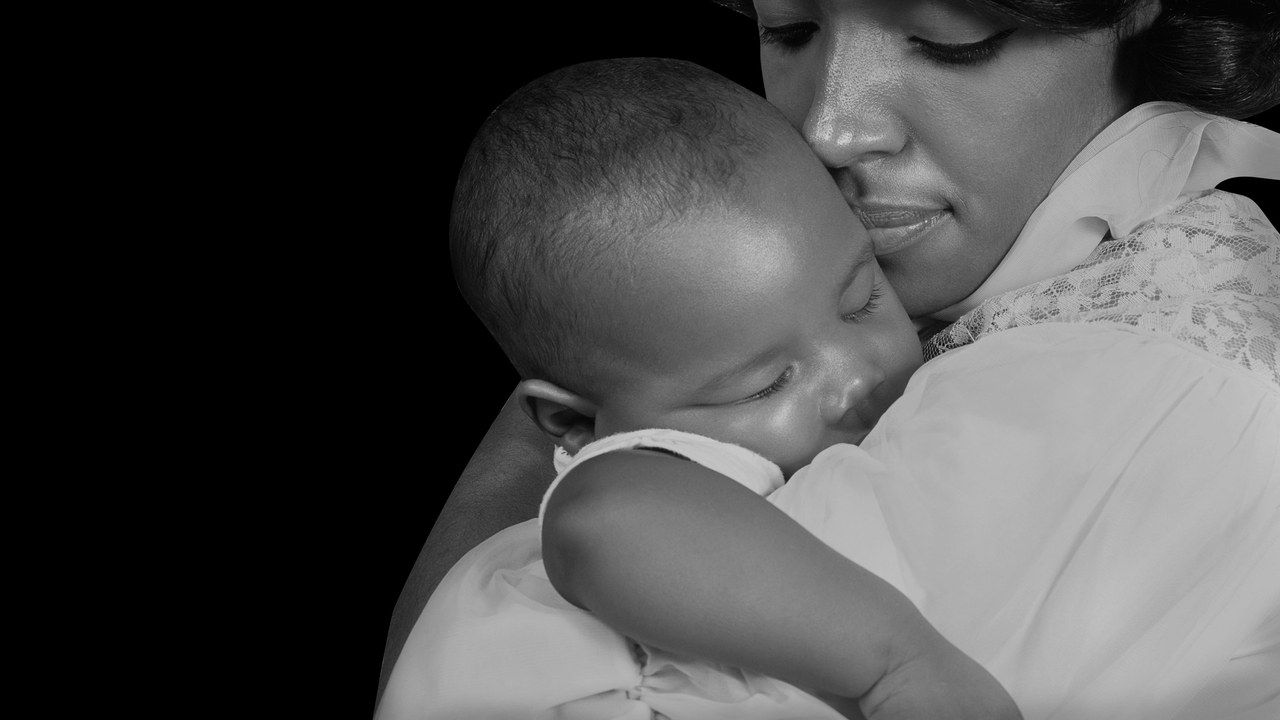
When you’re pregnant, the promise is that motherhood will make you the happiest person on earth. That’s a far cry from reality for many women, but for the one in seven dealing with postpartum depression, the new-mother whiplash is much more severe. For these women, options are scarce. “Postpartum depression has been neglected—it’s been underdiagnosed and undertreated,” says Samantha Meltzer-Brody, M.D., director of the perinatal psychiatry program at the UNC Center for Women’s Mood Disorders. “So many women suffer. Screening is spotty, treatment is spotty, and it’s one of the greatest causes of maternal mortality.” So it’s groundbreaking news that this week the FDA officially approved the first postpartum-depression drug therapy.

The approval is a true game changer. Currently available treatments for postpartum depression, usually prescription antidepressants, can take anywhere from four to six weeks to start working. That may seem like a lifetime for a new mom suffering with severe symptoms. The new drug brexanolone, which will be sold under the name Zulresso by Sage Pharmaceuticals, starts working almost immediately. In clinical trials of women with moderate to severe postpartum depression, most women saw improvements within the first day, says Dr. Meltzer-Brody, the principal investigator for the trials. And women still felt relief 30 days after just one treatment.

So how does it work? “What’s really exciting in terms of postpartum depression is that this is a hormone-based therapy,” Dr. Meltzer-Brody says. Zulresso is a synthetic form of allopregnanolone, which the body makes as it breaks down the fertility hormone progesterone. During pregnancy, levels of progesterone reach all-time highs, but after giving birth, levels of the hormone drop quickly, which researchers think could be tied to postpartum depression. Zulresso is administered via an IV.

That’s where things get a bit trickier. The IV infusion lasts 60 hours, and women have to be monitored closely while the drug is being administered. That means for women to receive the treatment, they’ll have to check in to a certified medical center for two and a half days, a big chunk of time during those early days when a mother is still bonding with her newborn, or perhaps already back at work and juggling many demands on her time. But Dr. Meltzer-Brody says that women in the trial found those hours spent in the clinic to be a “minor inconvenience” compared with the precious weeks they’d otherwise have to wait for more traditional antidepressants to kick in. “For women who are depressed, who are not able to return to work, who are not able to care for their baby—there are so many economic burdens and impacts of untreated depression that you have to weigh,” she says.

The treatment, which Sage estimates will be available in June, doesn’t come cheap—the average cost per patient is $34,000, not including the stay at the clinic, according to The New York Times. Insurance coverage, which is currently being negotiated, will be vital to making sure women have access to Zulresso. “Our philosophy has really been about making sure there’s going to be access for patients,” says Mike Cloonan, Sage Pharmaceutical’s chief business officer. He says the company has been talking to more than 500 insurance providers for more than a year, raising awareness of postpartum depression and the issues facing women. “We feel very confident that we are going to have access for patients based on the feedback that we’ve received,” he says. Sage is also pledging to roll out a suite of tools to help patients navigate insurance, financial assistance, and where to go for the 60-hour infusions. “We’re trying to surround the patient with the support they’ll need throughout this process,” Cloonan says.



Source link

Categories
Health

Migraine Relief Is Finally Accessible to Patients Living in Years of Migraine Hell Thanks to a New Drug


In my decades dealing with the vicious pounding in my skull, I’ve tried just about everything to get it to stop: I cut out alcohol, soy sauce, balsamic vinegar, chocolate, aged cheeses, overripe bananas (banana bread is bad news), bacon, pizza, gluten, down pillows, crack-of-dawn flights, exercise, ponytails, hats, movie theaters, dinner parties, social small talk, sleeping in rooms over 70 degrees, too much screen time… The list went on.

I tried every over-the-counter medication (the equivalent of jumping into a bull pen armed with a toothpick); every available prescription drug (only useful once an attack had already brought me to my knees); and every natural tincture I could get my hands on (ironically most herbal concoctions actually gave me migraines). I tried acupuncture, mouth guards, osteopathy, Reiki, massages, and a migraineur’s fave: banging my head against a wall. At best, I found little relief.

In the nineties, pharmaceutical companies released a class of drugs called triptans, which helped significantly with stopping migraines once they started—but still, no magic pill existed to prevent them. That didn’t stop doctors from trying all the options available; faulty-brained folks like me could be prescribed antidepressants, anti-seizure meds, and beta blockers—all pills for another purpose that patients had accidentally discovered reduced their migraines.

I was throwing an entire arsenal of drugs and therapies but none could shove the bully in my brain aside. Instead, they unleashed insomnia, jitters, weight gain, fatigue, uneven brows, and a near nervous breakdown. I felt like I was living my life in purgatory—always waiting for the next blow to my head.

I thought I would be forever doomed to this migraine-induced hell, but recently science (praise you, science!) has delivered a breakthrough to those of us desperate to leave our days of writhing in pain in dark rooms behind.

In 2017, my neurologist, Peter McAllister, M.D., co-founder and medical director of the New England Institute for Clinical Research, told me about a promising new drug. Researchers had discovered a specific peptide released during a migraine episode, part of a chain reaction that triggers that ice-pick-in-eyeball pain I’d been trying to eradicate for four decades. Dubbed a “CGRP Blocker,” the drug travels directly to the site of this pesky peptide and stops the bugger in its tracks. “This is the first preventative drug designed specifically for migraine,” says Dr. McAllister, who was a principal investigator on the studies behind the development of the drug. In his experience as a neurologist, it was like night and day for migraine sufferers, he told me.

Only one issue: the please-let-it-be-a-miracle drug wasn’t yet available. I held my breath for six months, fantasizing about the new life I might have—as I had every time I heard about a potential “cure.” I would spend time with my kids every morning, instead of hiding under the damp towels they fetched for my head. I would enjoy a vacation without inevitable days spent locked in my hotel room whimpering after the blows of another migraine. I would feel the simple bliss of being able to take a yoga class or leisurely swim without paying in pain the next morning.

Then in happened: in May of last year, the FDA approved the first CGRP blocker (Amgen’s Aimovig) and it was as if heaven itself had opened up. Cue the chorus of angels: ahhhhhh! I tried to manage expectations. It might not work for me—until this point nothing had—but when my first cooler pack containing the drug arrived last September, I could barely contain my excitement.


Source link

Categories
Health

Kim Kardashian Is Working to Get Another Non-Violent Drug Offender Released From Prison


Nearly three months after Kim Kardashian asked President Trump to commute the sentence of Alice Marie Johnson, a non-violent drug offender who was set to spend a lifetime behind bars for her first offense in 1996, she’s now setting her sights on another act of clemency. Per Page Six, Kardashian is reportedly working with the White House yet again to pardon a man named Chris Young, who was sentenced to life in prison for marijuana and cocaine possession following a 2010 arrest.

Like Johnson, Young was a first-time offender, which makes his sentence all the more egregious in the grand scheme of the criminal justice system.

Kardashian announced her plans on Jason Flom’s Wrongful Conviction podcast, saying she spoke to the judge who issued the sentence. Interestingly, that judge, Kevin Sharp, would later resign in protest in regards to Young’s case, saying the state of Tennessee forced his hand in the sentencing. “Yesterday, I had a call with a gentleman that’s in prison for a drug case—got life. It’s so unfair. He’s 30 years old. He’s been in for almost 10 years,” Kardashian explained on the podcast. “I was on the phone with the judge that sentenced him to life who resigned because he had never been on the side of having to do something so unfair, and now he is fighting alongside us to get [Young] out.” She also said she’s frequently in contact with President Trump‘s aide and son-in-law, Jared Kushner, who she described as “passionate” about prison reform.

Round two of Kardashian’s fight for justice comes after she visited President Trump in the White House earlier this summer, where she was successfully able to convince the president to commute Johnson’s sentence. “I think that he really spent the time to listen to our case that we’re making for Alice,” Kardashian explained after their meeting. “He really understood.” But not without the most bizarre photo op of the year:

Related: Kim Kardashian’s Letter to Her Future Self


Source link