In just a matter of days, the coronavirus pandemic has drastically altered the American way of life. Many schools and restaurants are closed, along with museums, aquariums, and movie theaters.
On the positive side, we live in an age where technology offers us opportunities to virtually tour many of these spots from the Met to the Royal Opera House in London. Channeling our anxiety and pent-up energy into more productive and educational activities is never a bad thing, right?
To that end, here’s a running list of way to get your culture fix while you’re stuck at home, socially distance from the world.
Museums
The Metropolitan Museum of Art, the Musée d’Orsay, the Museum of Modern Art (MoMA), the National Gallery in Washington, D.C., the Tate, and the Art Institute of Chicago—those are just a handful of the museums who have online galleries available for viewing. Check out Google’s handy arts and culture home page for an easy guide. Or check out their social media pages for some art history lessons.
Art Experiences
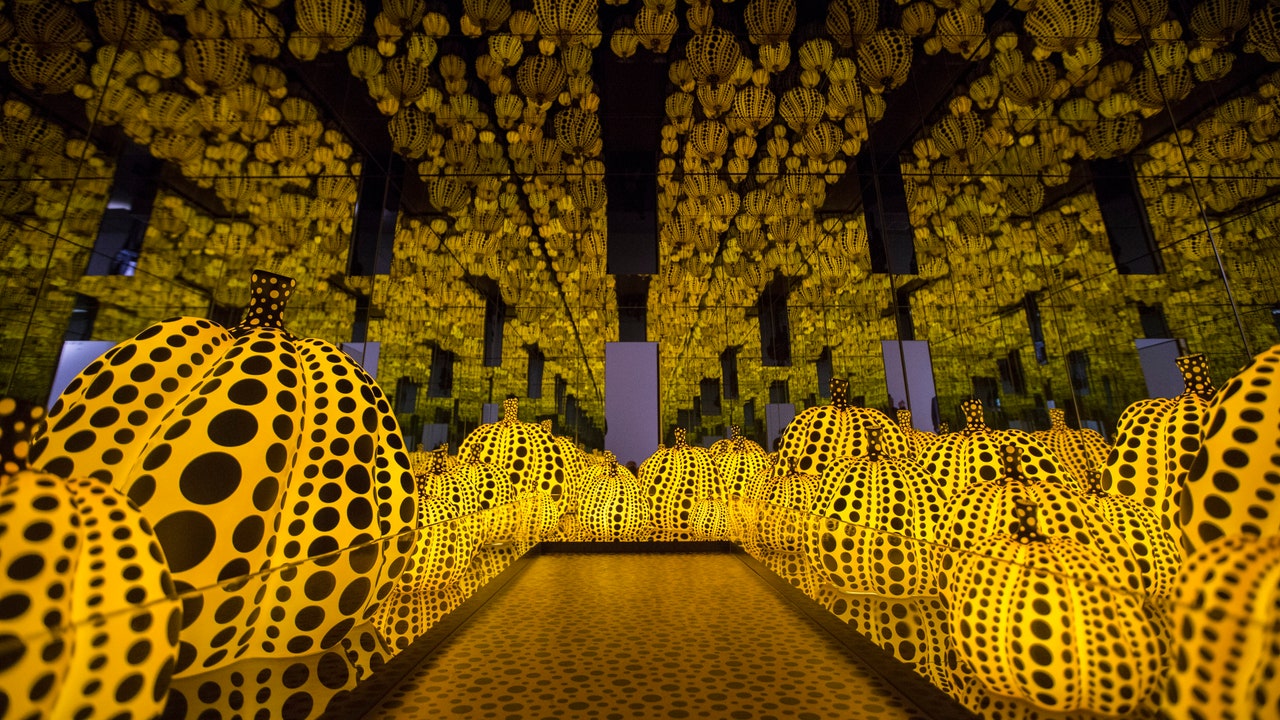
Yayoi Kusama: Infinity Mirrors: The Japanese artist’s exhibit has been traveling the country, but you can get a taste of what it’s like now via video.
[embedded content]
Banksy murals: Check out the street work of the mysterious artist from the comfort of your couch.
Symphonies, Plays, and Ballets
Vancouver Symphony: The orchestra’s final live performance (for a while) on March 15 was live-streamed and is still available for viewing here.
As for when I’ll fly again, I have allergies, which means at some point I’m likely to experience some of the symptoms (a sore throat and cough) that comes with the virus, so I want to get some confirmation and advice from a healthcare professional. My temperature has been normal, and I’ll continue to monitor that as well.
Meanwhile, colleagues have started a Facebook support group, but as emotional as I’ve been, I don’t want to add to someone else’s level of anxiety. We are caregivers and first responders for our passengers, so it’s a little odd to be the one that needs the comfort. I’ve been relying on my husband and friends more than ever.
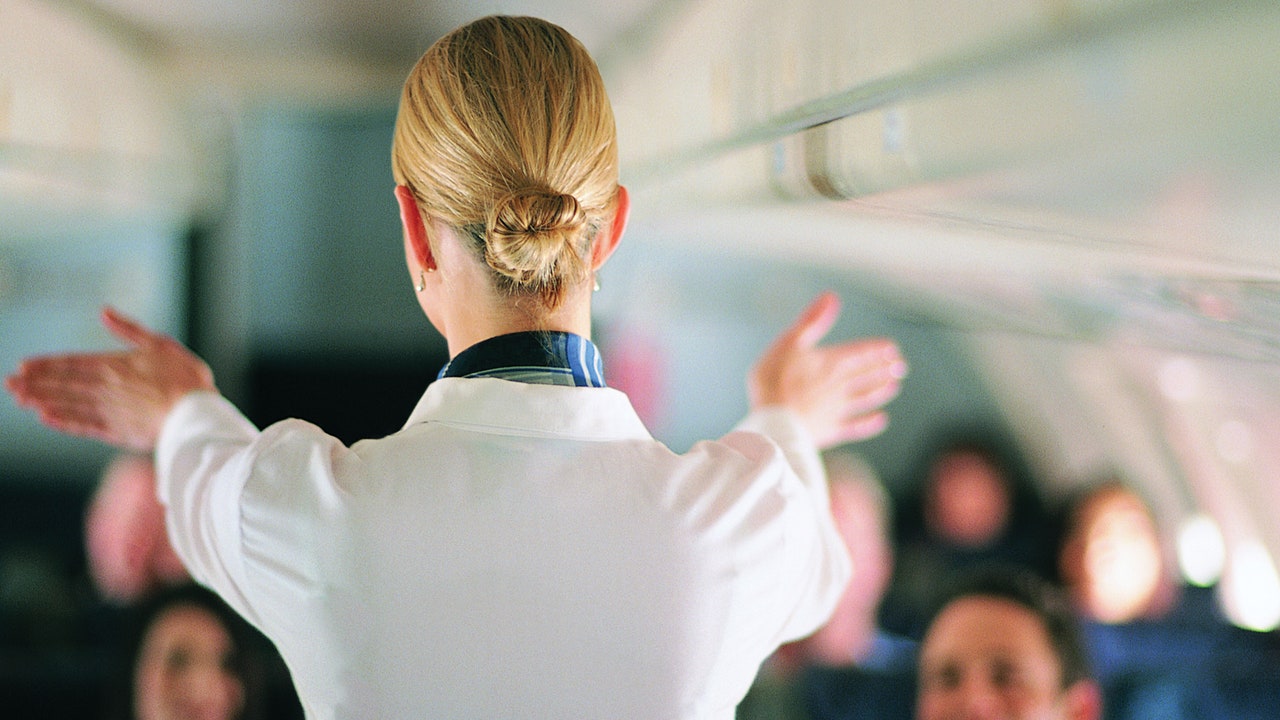
But if there’s one thing I take pride in, it’s how the airlines have responded to the pandemic. In addition to extensive cleaning, my airline has been providing hand sanitizer and wipes on the airplane for people, and I also hand out masks to people who request one.
On the planes, most of us are wearing gloves while we’re serving. One of my co-workers is even layering her hands with four sets of gloves. As soon as she’s served someone, she’ll peel that one off and then serve the next person. Then when she’s cleaning up, she’ll use another set of gloves. Maybe it sounds excessive, but we’ll do whatever it takes. Our company just wants to keep our passengers as healthy and safe as possible. That’s why when the coronavirus started spreading, the airline sent recommendations on how our service would change, and that’s continuing to evolve. I know another carrier has removed everything except single serve water bottles on their planes. Everything is changing day by day, hour by hour.
A few days ago, a couple of passengers reached out and hugged me when disembarking and told me to stay safe. I stiffened up and they remembered and said, “Oh sorry, I’m healthy.” Listen, I get it. People are very loving, and it’s hard to flip that switch so quickly. Then there are those who wear masks and gloves and want to be as wrapped up as possible. Take what precautions you need to.
Everyone keeps asking if I’m scared right now, but to be honest, I haven’t been that apprehensive. I’m more sad that I can’t fly. I’ve always been pretty vigilant when it comes to staying healthy, but perhaps now I’m scrubbing my hands as if I’m prepping for surgery. No wonder they feel like sandpaper!
On the flights, I’ve also noticed passengers trying to create more social distance between others. Our gate agents have to be aware of the weight and balance issues on each aircraft, but they’re doing what they can to accommodate social distancing.
Our cleaning crews have always been really wonderful, but I’ve never seen such a large formidable team come onto our airplanes and clean them so diligently. My mouth dropped open when I saw that the cleaning crew take up a third of the jet way. There’s probably a group of 10 to 15 people now that vacuum, clean every surface, wipe down every tablet ray, overhead bin, air vents, armrest, seatbelt, etc. You name it, every surface is being disinfected. That’s just how we have to operate during this crazy time.
I’ve heard people say planes have never been cleaner, and it’s probably true. Still, if you’re nervous to fly, take hand sanitizers and a face mask with you if that makes you feel more confident. And talk to the flight crew when you board. Tell them you’re nervous, and they can probably tell you all the different steps the airlines are taking to make you safe and keep things clean.
Last week my flights were still two-thirds or more full, but the flight I just missed was at around 50%, due to cancellations. Going forward, I think there’s a lot of uncertainty still on how that’s going to play out, but the only thing constant in our industry is change. And now, because of what’s going on as a result of the pandemic, there are going to be major changes. But eventually we will build back up. We always do.
I’ve been so proud of the work that my coworkers and our leadership and everybody’s been doing. We’re all in this together and we’re doing everything we can to make you feel safe. We’re delivering loved ones to see the people that they love, and that crosses my mind a lot these days. Even though the travel industry is a business, we’re going to do everything in our power to get through this together. 9/11 was a stunning time in history and I think we’re in another stunning time in history. You can let it overwhelm you, or you can focus on how these difficult times help build character and strength. I’m doing the latter.
Jessica Radloff is the West Coast editor at Glamour.
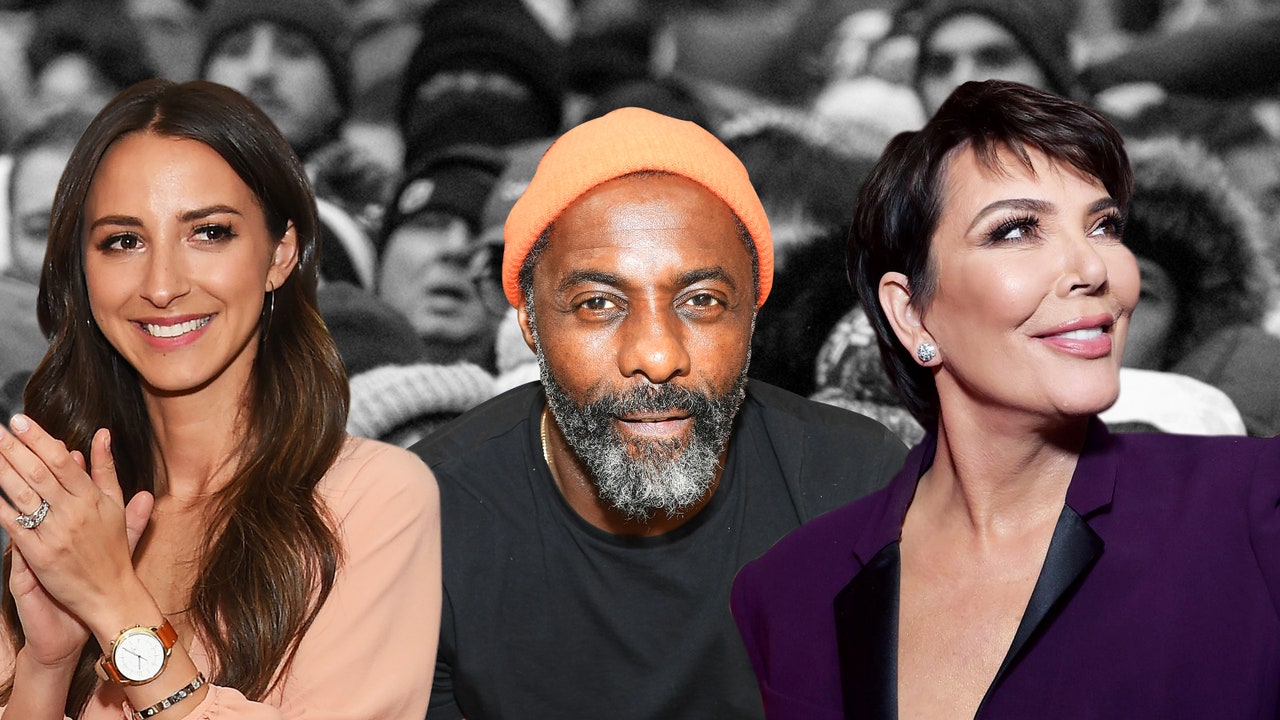
Kris Jenner was tested for coronavirus, a source toldEntertainment Tonight. She had reportedly been exposed to a person at a birthday party who was later diagnosed with COVID-19. (Jenner tested negative.) “Jenner wanted to make sure she was being proactive in getting tested,” the source said.
The same week, also in Los Angeles, a man who performed CPR on his wife as she died after contracting coronavirus was told he did not meet criteria to be tested for the virus, the Los Angeles Timesreported. Doctors told him that he wouldn’t be tested unless he showed certain symptoms of the virus.
The man’s daughter told the paper that the hospital said test kits were available in limited quantities, and that, though he was running a low fever, her father could only be tested if he were “hospitalized in critical condition.”
Meanwhile, four players on the NBA’s Brooklyn Nets tested positive for COVID-19, even though, reportedly, only one was showing symptoms.
A journalist for the New York Timeswrote that it took him five days to get a coronavirus test in New York, despite running a fever of over 100 degrees.
Two days earlier, actor Idris Elba said he received testing for Coronavirus and was confirmed to have COVID-19. “I have no symptoms so far,” he shared. He had already been taking extra precautions, he wrote, since he was exposed to someone who had the virus.
The current moment in America feels like a cross between the premise of a Marvel movie and a really high production value Bernie Sanders ad: A state of emergency has been declared in the United States in the face of a deadly pandemic that no scientist fully understands. Testing is one of the only available tools. The rich and powerful seem to have access to the test that everyday people do not. Hospitals may soon be overwhelmed.
Americans have always valued money, connections, and clout. But right now, it seems like they could be the difference between, if not life and death, then between feeling secure and feeling terrified.
Coronavirus tests are scarce in the United States due to, according to reports, a series of breakdowns in the public health sector—too much bureaucracy, poor organizational systems, not enough equipment. And the federal government has been slow to respond to the pandemic, compared to other countries. The U.S. has tested, according to the best available data, around 125 people for every one million people in the country. In comparison, Australia has tested more than 1,000 people per million, Italy has tested more than 2,000 people per million, and South Korea has tested more than 5,000 people per million.
As the coronavirus (COVID-19) pandemic goes on, individual stories about how the changes in American life—from school and business closings to lost wages and social distancing—are affecting families are starting to surface.
Experts and government officials at the local, state, and federal levels have continued to warn Americans about hoarding food and supplies, but many store shelves are empty as people try to plan for being stuck at home. However, when you over-buy and stock your home with things you don’t need quite yet—others may go without. And that’s exactly what happened to Lauren Whitney, a mom whose TikTok video about trying to buy diapers for her child went viral.
After trying a few stores, Whitney recorded a video of herself in tears at Walmart when she couldn’t find the diapers she needed. “To all you crazy people buying out all the diapers, how am I supposed to diaper my child if I can’t afford 20 at a time like you can?” she said. It’s truly heartbreaking and a snapshot of what a lot people across the country may be feeling during an incredibly uncertain time on so many levels.
“In the moment when I was filming the clip, I was feeling stress, frustration, and fear for my family,” Whitney tells Glamour. “It had been a bad week for me and seeing the shelves bare was the straw that broke me.”
Many on social media were quick to offer words of support.
In a follow-up video, Whitney said she was thankful to everyone who offered to help. “We’re okay,” she said. “We’re not the richest of people, of course, but we’re not destitute.”
As the coronavirus (COVID-19) spreads in America, many experts and civilians are looking to Italy as possible glimpse of what our future might hold. That country is currently on lockdown with residents only allowed to leave their homes for absolutely necessary reasons in an effort to slow down the spread of COVID-19.
As of Monday, March 16, the total number of coronavirus cases in Italy was 27,980, up 3,000 from just the day before. Some experts believe Italy is about 10 days ahead of the United States in this ever-evolving situation, which is one of the reasons many states and cities are restricting movement by citizens and closing schools, restaurants, and bars.
In a new video released by the CDC, Italian residents of all ages were asked to film messages to themselves from 10 days ago. What would they told their past selves about the virus’s spread, the ways that life would so drastically change, and what they could have done differently had they known what today would look like?
Their messages are sobering, to say the least, as Italians describe their transitions from normal daily life to quarantine and warn others about not taking the pandemic seriously by continuing to go out just for fun.
Take a look:
“A huge mess is about to happen.”
“The worst case scenario? That’s exactly what will happen.”
“A whole nation stuck at home. Didn’t see that coming, uh?”
“There are currently kids our age intubated and in intensive care.”
“We’ve seen worrisome videos from France and the U.S. of people not taking this thing seriously. This issue is more serious than most of the world believes.”
“You’ll realize that just being able to breathe air in your own house—it’s something you should already be grateful for.”
Watch the full video for yourself below:
[embedded content]
As this crisis in America continues to evolve and shift, it’s important to listen to guidance of the scientists and doctors who are telling us to stay home as much as is possible. And perhaps take a cue from Italians, too, who know better than us what’s coming next.
In a memo released to its sellers on Tuesday, Amazon announced it will prioritize essential shipments to its U.S. warehouses until April 5. The merchant restriction comes as an effort to meet the surging demands of online shoppers due to the coronavirus pandemic. What does this all mean for Amazon shoppers and its millions of Prime members? Can we still place orders? The short answer is, yes—but it changes things.
The e-commerce giant said it would be “temporarily prioritizing household staples, medical supplies, and other high demand products coming into our fulfillment centers so that we can more quickly receive, restock and deliver these products to customers.” By “prioritizing,” Amazon means it will focus on medical supplies and high-volume orders in the following six categories: baby products, health and household, beauty and personal care, grocery, industrial and scientific, and pet supplies.
The precaution mainly affects third-party sellers, who can still sell nonessential items independently but will not be able to use Amazon’s warehouses—leaving them with an unforeseen excess of up to 60 days’ worth of inventory. It also means they’ll have to figure out an alternative packing and shipping method if their products aren’t already in, or on their way to, an Amazon warehouse as of today.
Naturally, small businesses that rely on Amazon for exposure and sales are worried they’ll lose a ton of business. Until April 5, this could affect how soon you get your package (third-party sellers will need to source boxes and packing material, so there may be delays) and whether you need to pay extra for shipping.
Amazon has decided to pivot its strategy in the wake of governments’ across the world urging people to practice social distancing, creating a ripple effect where consumers are relying on online retailers to stock up groceries and other household basics like toilet paper, soap, and hand sanitizer. But the sudden wave of bulk buying has prompted many technical glitches and out-of-stock messages, as well as sellers trying to price-gouge customers amid a wave of global panic.
In other news, in a blog post from March 16, Amazon announced it would add 100,000 new full- and part-time positions in its fulfillment centers across the U.S. The note also stated it will invest over $350 million globally to increase pay by $2 per hour in the U.S., 2 pounds per hour in the U.K., and approximately 2 euros per hour in many E.U. countries for employees and partners who are in fulfillment centers, transportation operations, and stores or those making deliveries so that others can remain at home.
Here’s the full message from Amazon:
Hello from Fulfillment by Amazon,
We are closely monitoring the developments of COVID-19 and its impact on our customers, selling partners, and employees.
We are seeing increased online shopping, and as a result some products such as household staples and medical supplies are out of stock. With this in mind, we are temporarily prioritizing household staples, medical supplies, and other high-demand products coming into our fulfillment centers so that we can more quickly receive, restock, and deliver these products to customers.
For products other than these, we have temporarily disabled shipment creation. We are taking a similar approach with retail vendors.
This will be in effect today through April 5, 2020, and we will let you know once we resume regular operations. Shipments created before today will be received at fulfillment centers.
You can learn more about this on this Help page. Please note that Selling Partner Support does not have further guidance.
We understand this is a change to your business, and we did not take this decision lightly. We are working around the clock to increase capacity and yesterday announced that we are opening 100,000 new full- and part-time positions in our fulfillment centers across the US.
We appreciate your understanding as we prioritize the above products for our customers.
Thank you for your patience, and for participating in FBA.


.jpg)