Categories
Health

I Went on National TV in My Lingerie. It Changed What Body Positivity Meant to Me.


Sure, it was a little weird to stand next to Kathie Lee and Hoda in my sexy pajamas. Sure, I was a little uncomfortable. Sure, I was having visions of accidentally projectile vomiting on Kathie Lee Gifford. But I went with it. And the world kept spinning. (Also, important to note: I did not vomit on anyone.)

I wish I could say I walked off the set feeling empowered and confident. But the truth is, I went to watch the clip after we wrapped and my stomach dropped. I immediately started picking myself apart: My cellulite was visible; I looked angry (my default facial expression when I’m feeling most high-stakes emotions); I kept fidgeting. This reaction wasn’t new for me—it’s been my knee-jerk response to seeing images of myself that I wasn’t in control of for the last decade.

Still, there was something different about this.

I had heard a voice screaming in my head to stop, to not pass go, to turn around—and I tuned it out, walked onto the set of the Today Show, and modeled sexy pajamas. I had professional hair and makeup done and stood in great lighting for 10 seconds. I didn’t feel embarrassed or horrified. I felt like I had just woken up.

For so many years, my choices (in fashion, and in everything else) weren’t affected just because of that loud, angry voice telling me what my body was and wasn’t allowed to participate in. It was because I trusted it. I thought it was saving me—from ultimate humiliation, from embarrassment, from someone thinking I wasn’t good enough. Now, I knew that voice was a fucking liar.

The thing is, when you do that big, ridiculous, scary, terrifying thing that every part of you insists you’re not supposed to do—because of how you look, because of what you weigh, because of the size of your clothes, because you might fail—and the world manages to go on, you wake up. You wake up to the fact that for a long time, you’ve been saying no to opportunities both big and small.

You remember saying no to pool parties. You remember wearing a cardigan in the middle of summer and sweating for no reason. You remember deleting thousands of photos, millions of memories. You remember it all. And then, you say no more. No more of that. You say it’s time to make up for lost time, and then? Then you start saying yes.

Olivia Muenter is a writer and editor based in Philadelphia. Follow her at @oliviamuenter.


Source link

Categories
Health

The Best Body Shimmers for 2019


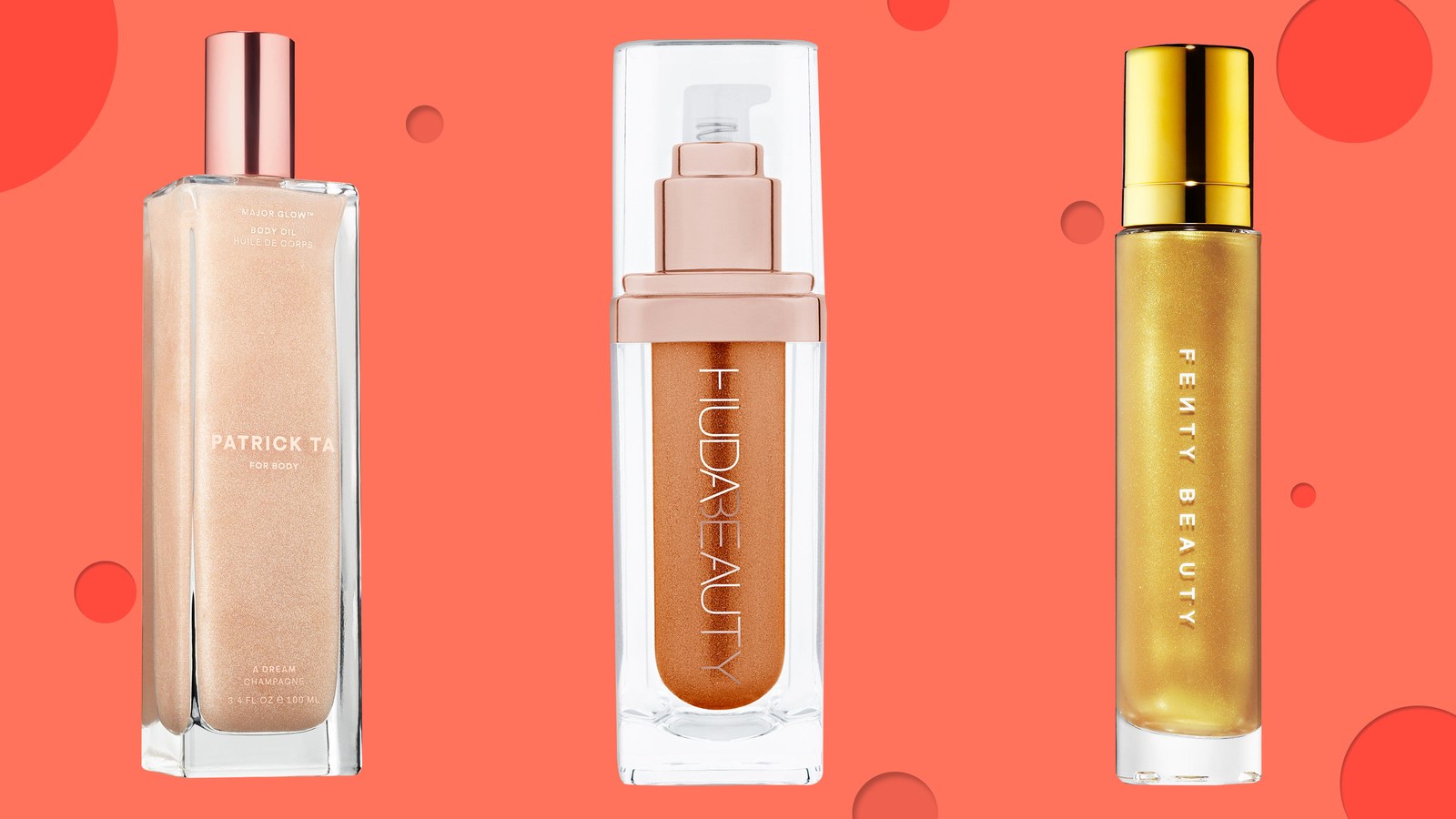
As a tween in the mid aughts, I coveted Urban Decay’s edible body shimmer powder. Seeing it was a bit suggestive (and I was 12), I wasn’t allowed to have it. I made due with a glitter body gel from Claire’s. It may have made me look like an arts and crafts project than a bronzed pop star (the look I was going for), I loved it. Years passed, and body shimmer fell out of style, and along with French manicures and Uggs, it was labeled as dated, even tacky. But I still had a bit of a soft spot for it.

Of course, body shimmer didn’t totally go away: It still had a place on set at photoshoots and on stage for performances. But on a day-to-day basis, on a non-famous person? Not as much. I missed it. So you can imagine how happy I was when last summer, both Rihanna and J.Lo released their own body shimmers to the mass market. There was no chunky glitter or gloppy gel in sight—their poufs, oils, and gels were sophisticated and chic. And now, more brands are following suit.

This new wave of body shimmer is perfect for adding a little bronze or just making you feel like your best, most sparkling self. Seeing as the options available have gone from zero to a hundred in the past year, we had Glamour editors put the best shimmering oils, powders, and gels to the test. Read on for our favorites, and be prepared to glow all summer.


Source link

Categories
Health

Body Hair Removal: Every Option and Which Works Best for You


Body hair removal is as much of a personal choice as any other beauty treatment. We can’t deny that for many, there’s been a lengthy history of societal pressure to remove it—but as the conversation around how we present ourselves progresses, it’s a good time to remind yourself that the decision is ultimately your own. If you want to leave it alone, then feel free to let it grow. Alternately, if you’d like to remove your body hair, there’s a long list of options currently available.

So, if you’re curious to explore them, we’re bringing you all the relevant information. We spoke to dermatologists, trichologists, and beauty experts to demystify how each process works and the pros and cons of each. Below, our detailed guide to six different types of body hair removal you can choose from.

How It Works: Even if you haven’t tried this one before, you’re likely familiar with the process. Hot wax is applied to your skin, grabs on to the roots of your hair, cools down and then gets pulled off. In order for it to be done effectively, you need to have at least a few millimeters of hair growth above your skin so the wax can properly attach. Your aesthetician may also trim your hair before waxing; when your hair is too long, it can cause extra pain as it comes off (speaking from personal experience).

“This actually removes the organ responsible for hair growth, the follicle or root, out from underneath the skin,” says Dominic Burg, M.D., chief scientist for Evolis Professional. “It not only removes your hair, but also damages the cells and apparatus needed to grow a new hair in its place, so new hairs come in finer and less substantial, more so with repeated waxing.”

Pros and Cons: Waxing can be done on any hair type and is relatively affordable depending on whether you do it at home or which salon you go to. At home, most kits will run you $5 to $30, while salons typically charge $30 to $90 (Brazilians are more expensive than basic bikini waxes since they’re more involved).

Dr. Burg also notes that it’s quick, reduces growth over regular sessions and can remove large areas of hair. On the flipside, “it can cause inflammation and irritation to your skin,” says dermatologist Joshua Zeichner, M.D.. Those with sensitive skin types should try a patch test first and it might be a good idea to apply gentle, anti-inflammatory creams to the treated areas afterward. Want more advice from pro waxers? Click here.

How It Works: Here’s a quick hair biology lesson: All of your hair goes through cycles of growth (anagen), regression, rest (telogen), and fall. “The hair on your body has a short growth phase and a medium-long resting phase,” explains Dr. Burg. “Each type of hair has its own cycle and you can surmise what this is by looking at the length, thickness and growth rate. Leg hair has a medium growth phase and a long resting phase of around six months, whereas pubic hair has a resting phase of three months.”

Laser hair removal works best during the active growth phase, which means you will need several sessions to see semipermanent or permanent results. An intense beam of light bypasses the surface of your skin and gets absorbed by hair follicles, destroying their ability to generate new hair over time.

Pros and Cons: You’re unlikely to experience ingrown hairs with this method and while sessions can be expensive, results will also last much longer than methods like waxing or shaving. Chris Karavolas, owner of New York’s Romeo and Juliette Laser Hair Removal, estimates that clients need six sessions on average, “spaced six to eight weeks apart are needed in order to achieve permanent hair reduction.” The sessions themselves are short; underarms and bikini can be treated in five to 10 minutes, while a larger area like your full leg may take 20 to 30 minutes. While pricing will vary by geographic location, Karavolas estimates a full package (for permanent reduction) costs around $3,500 for legs, $1,000 for underarms, and $1,000 for your bikini line.


Source link

Categories
Health

11 Best Body Oils That'll Leave Your Skin Super Soft


There are beauty products that are necessities like a good cleanser, a reliable spot treatment, and a concealer that makes me look like I got enough sleep to be a functioning human. Then there are ones that are totally extra and make me feel like I’m living my best life, like pretty much anything Pat McGrath puts her name on. There’s a bit of a grey area, though, and some products straddle the line between the two, my current favorite being body oils. They have a purpose, sure, to moisturize your body, but they do their job in the most luxurious way possible.

Using a body oil takes moisturizing from a chore to a full-blown experience. When I rub myself down with a body oil after a shower (always moisturize your body when it’s damp!), I’m not in my subpar Brooklyn bathroom, I’m in a gorgeous spa somewhere in the Italian countryside preparing for my date with Timothèe Chalamet. Fantasy aside, they really work—they make my skin smell amazing and softer than any lotion can (I especially love to use one on my legs after shaving).

Dr. Ellen Marmur, a dermatologist in New York City, says that this extreme softness is because oils mimic the natural lipids found in our bodies and “like serums, they sink in between the cells and create a better smoother skin surface.” They also have protective qualities that some lotions don’t and are great at really locking in moisture. Dr. Joshua Zeichner, director of cosmetic and clinical research department of dermatology at Mount Sinai Hospital, adds that oils have natural emollient ingredients that help soften rough skin. Because of these qualities, they can be especially helpful if you suffer from super-dry skin or eczema, especially heavier oils like avocado.

A quick word of warning: If you tend to break out on your shoulders or back, lotion might be the better option for you, as oils can exacerbate body acne. But if you do reach for an oil, Dr. Zeichner recommends looking for ingredients like tea tree, coconut, or lavender oils, which are light enough to keep you breakout free.

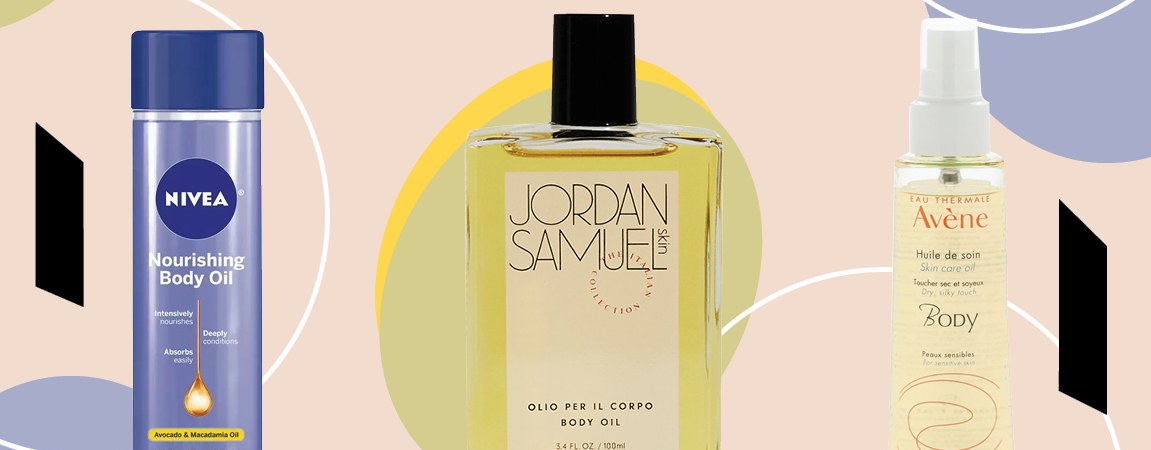
If you want to get in on the fantasy, I’ve rounded up some of my favorites, as well as derms’ suggestions. Read on for the best body oils.


Source link

Categories
Health

As a Pregnant Woman with a History of Anorexia, Comments About My Body Feel Like Slaps in the Face


Trigger warning: The following contains language describing eating-disorder behaviors.

My body has always felt open to public commentary. When I was 11, aggressive anorexia took hold of me, landing me in the hospital and halting my growth and development. In the decades since, the anorexia has come and gone in waves, and with it my body size has fluctuated somewhere between way too skinny and pretty normal—but I’ve always been small enough to invite an endless stream of public commentary.

These comments, though constant, never seem to get easier to process: a sloppily chosen adjective can make or break my week. Some comments have the power to send me into a spiral of self-destructive thoughts, like when someone describes me as “short” (a word that my distorted mind used to take as a synonym for fat). Others have the power to thrill me—or, rather, my anorexia. I’ve sought these out, remarking on how cold I am in the hopes someone would respond with “Well, you don’t have any meat on your bones!” I’ve suggested sharing clothing with average-size friends just to hear them vehemently reject the premise that we could fit in the same pants.

This is all to say that I’m accustomed to, even rely upon, people commenting on my body. I’ve worked hard to learn healthy ways to handle them. But now that I’m seven months pregnant, dealing with the constant comments about my body has become much more complicated.

It’s not news that pregnant women’s bodies invite a lot of unsolicited remarks. A meta-analysis of 17 studies exploring pregnancy and postpartum body image found that “women perceived their bodies as public property during pregnancy, with family, friends, and strangers touching their stomachs or making personal comments about their appearance.” In the book Gendering Women, the authors write that “almost every pregnant woman finds themselves subjected to ongoing commentary about their physical appearance.” But we don’t need stats or scholarly research to tell us this—it only takes observing pregnant women in the world around you to realize that this happens to pregnant women All. The. Time.

When you think about it, any comment about a pregnant woman’s changing body is pretty inappropriate; you wouldn’t place your hand on your friend’s stomach to remark that her obsession with the Great British Baking Show is showing, but that doesn’t stop many of us from doing it to pregnant women. It’s easy to see why people think it’s OK: because somehow this type of weight gain is “acceptable” while non-pregnancy pounds are not. Magazines and Instagram tell us that all women are thrilled by (and want to show off) their “bump.”

To be fair, pregnancy is straight up insane, and people often can’t curb their curiosity and amazement. I get that. But that doesn’t mean it’s OK to assume talking about a pregnant woman’s body is fair game. Unless she specifically wants to talk about it, assuming you can make her size and shape the subject of discussion violates her personal boundaries. You don’t know what emotions an innocent-sounding comment might elicit. For someone with a history of anorexia like mine, these comments are like triggers in a minefield, threatening to ignite disordered thoughts that might be laying dormant.

I, perhaps naively, didn’t fully appreciate this before I got pregnant. I assumed that since those close to me know my history with anorexia, there would be no potentially triggering comments. Man, was I wrong. Before I’d even started showing, a family member excitedly told me I definitely “looked pregnant.” Later a friend, feeling the sides of my belly, declared with fascination, “Oh wow, it goes all the way around!” Recently, the first words that greeted me upon entering another friend’s home were “You’re so big!” The examples go on, punctuated with unsolicited belly rubs that make me cringe at the thought of my expanding waistline.


Source link

Categories
Health

Is it Time to Call B.S. on Body Positivity?


Because I’m a trainer and a gym owner, January means one thing: The floodgates are open, and resolution-fueled gym-goers are pouring in. As for many gyms around the country, January is our busiest month—new clients sign up in droves, classes are full, and our personal trainers are all squeezing in workouts before they’ve even had their coffee. I should be excited for the onslaught of new clients and the re-upped commitment from old ones. But I’m not—I dread resolution season.

It’s not because I don’t love the work. I really do love working with people to help them reach their goals. But I hate how this time of year always seems to reinforce and intensify the horrible messages we get about our bodies. Every January, people pour into my gym rattling off a laundry list of things they want to change and reasons they hate their bodies. It’s soul crushing.

I used to greet their gripes with my perky refrain of body positivity. “Your body is awesome,” I would tell them, in as many permutations as I could muster. But the more I preached self-love, the more the message felt problematic.

Body positivity sounds like such a nice idea, until you realize it’s not always attainable. It promises that posting a picture of your rolls on Instagram will suddenly make you fall in love with them. But throwing away a lifetime of body hang-ups is way more complicated than adopting a few “empowering” hashtags. Believing we “should” love everything about our bodies makes us feel like failures when we don’t. Sometimes it seems that body positivity doesn’t leave any room for insecurities and frustrations, which every single one of us struggles with.

I call bullshit.

I started to notice how harmful the one-dimensional message to love your body can be when I was talking to my clients. When clients confided in me about their body insecurities, I responded by telling them that they should love their body just the way it is. But I was telling them that their experience—the insecurities, the doubt, the shame—wasn’t valid. I was gaslighting them with praise.

Body positivity can feel like pressure.

Don’t get me wrong, I love that the body-positivity movement has helped us celebrate our bodies, no matter the shape or size. It’s helped us address toxic messages about bikini bodies and messed-up ideals of perfection that have been lurking in our cultural conversation for decades. It’s been the catalyst to change the narrative—and push brands to keep up. But the pull between the “love yourself no matter what” message and the realities of what it’s like to actually do that creates a tension that I see every day. People feel guilty for not loving their body.

“Body positivity can feel like pressure,” says Claire Mysko, CEO of the National Eating Disorder Association. “The reality is that we live in a culture that makes it pretty tough to feel positive about our bodies every day.” It’s a worthy goal to work toward, but when we start blaming ourselves for not loving every single thing about our bodies all the time, it can make us feel even worse. “That’s when ‘body positivity’ can be a problematic term,” Mysko says. It can create one more way for you to feel bad about yourself. So, rather than preach body positivity, I’m making a shift toward working on body acceptance in 2019.

You don’t have to want to post your body hang-ups on Instagram to prove that you love yourself.

“Acceptance is about making peace with our bodies,” Mysko says. “It’s about striving to treat our bodies with respect—wherever we are in that journey.” In other words, you don’t have to feel positive about all aspects of your body all the time. We all have days when we look in the mirror and just aren’t feelin’ it. That’s OK. That’s normal. That does not make you a failure.

The key to body acceptance is, rather than demonize your jiggly belly or cellulite-sprinkled thighs, to work toward accepting them. You don’t have to want to post them on Instagram to prove that you love yourself. Your body hang-ups also don’t have to be “wrong” or “bad”—they’re simply a part of the way you’re built.

As a trainer, I’ve found that the first step in making body acceptance a reality is shifting your focus from how your body looks to what your body can do. People come to me all the time, saying they want to lose 20 pounds or fit into a size 6 again. But my response is always the same: I want people to stop thinking about appearance as a metric to judge themselves. What your body looks like shouldn’t dictate how much you love it.

I’ve come to believe it’s not the power of positive thinking that will erase the bad messages we’ve internalized; it’s the act of radical acceptance. There’s no hashtag or trend that can get you there. We need empowered communities, built on acceptance and supporting incremental change—that’s what we should resolve to strive for this year. The rest of it is just B.S.

Alyssa Royse is a certified trainer and gym owner in Seattle.

Photo by Getty Images


Source link