Categories
Health

Kim Kardashian Says She Delayed North West's Birth to Get a Manicure


Given the amount of time that Kim Kardashian has been living her life on screen, it wouldn’t be strange to think we know just about everything about her. Of course, that’s not true—but the reality star-entrepreneur does show us much of the good, the bad, and the ugly of her day-to-day existence.

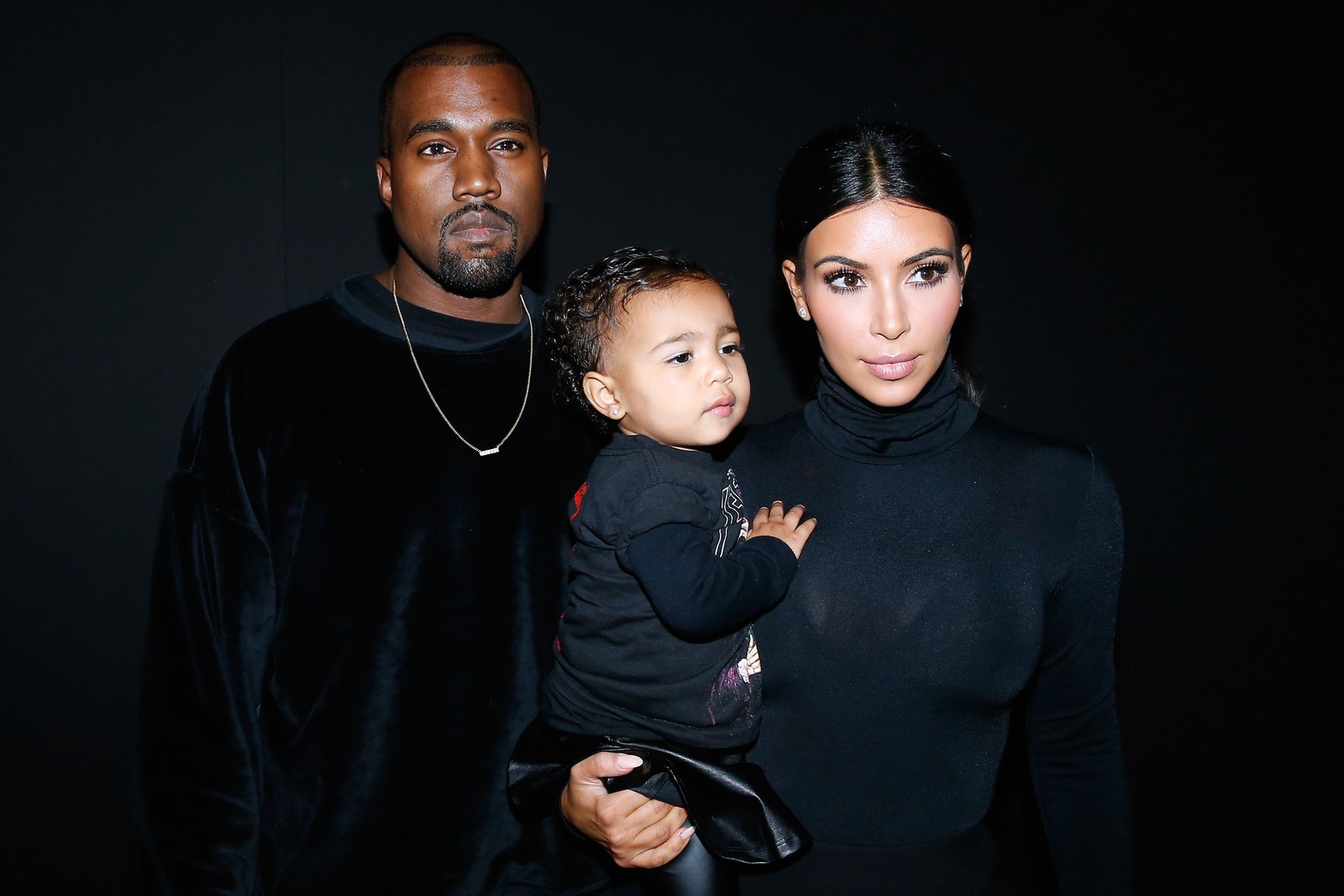
But even six years after welcoming her daughter, North West, we’re still learning more about the circumstances surrounding her birth. Keeping Up with the Kardashians viewers will remember that there was a bit of drama surrounding North’s brith, as Kim secretly rushed to the hospital and mom, Kris Jenner, and her sisters tried to figure out how to handle the situation as calmly (and paparazzi-free) as possible.

On her BFF Jonathan Cheban’s podcast, FoodGod: OMFG, Kim revealed that she made sure to squeeze in some grooming and a snack before North’s arrival. “I go, ‘I need a McGriddle at McDonald’s,’” Kim said she asked Cheban, per People. “‘Do you mind driving me to get a bikini wax?’”

Getty Images

“I had to actually, like, squeeze her inside of the car and pull her out to get this wax,” Cheban said. “And then afterwards we go to get a McGriddle in McDonald’s, and we’re racing so fast.”

Kim says that after she got home from her wax, doctors informed her that she needed to get to the hospital for delivery because of preeclampsia, a high blood pressure condition that can be dangerous for expecting moms. “My nails were dark,” she said. “It was when I was still in my Linkin Park after-dark phase with my burgundy nails. And I was like, ‘No, no, no, I’m having a girl, like, I really need a nice light pink nail for delivery.’ So I told the doctor, ‘Are you sure I have to deliver right now, can you give me, like, two hours?’ And he was like, ‘Fine, meet me in two hours.’”

Obviously, everything worked out just fine. North West was born happy and healthy on June 15, 2013, and she’s been iconic ever since.


Source link

Categories
Health

We Have the Same Birth Control Options as Our Grandmothers. We Need a Better Plan A.


It’s 10:30am on a Sunday and I’m standing in line to buy Plan B. The guy in front of me is wearing a dirty blanket like a cape, carrying a supersized Heineken and shouting. This is not how I expected my weekend to wrap.

A few months ago I decided to go off the pill. I’m 34, married and, ironically, in my day job I support increasing women’s access to birth control around the world. It wasn’t because I wanted to have a baby (I don’t) or because I think the pill is evil (see employment status above), but rather because I’d been on it since around the time I hit puberty—and I’d suffered anxiety and depression just as long. The research is still inconclusive but studies have linked the two; I thought it was about time for me to test out some non-hormonal methods, joining the 20 percent of women who quit taking their birth control because of the side effects.

I didn’t plan to be without a goalkeeper for long. Indeed I booked an appointment for a copper IUD four months ago—it’s the one long lasting non-hormonal method on the market and I’d thought “that’s perfect for me.” I’d even naively moved forward with the insertion process despite the worried looks of the doctor and her forewarning that this method was most popular with women who had already had children, that it would be “snug” in my wee little baby motel, and that the process could be “uncomfortable.”

She didn’t say: getting this forced through your tiny pre-baby cervix and into your virginal uterus will feel like fire has engulfed your abdomen, your legs will shake and you may consider passing out as you slip into cold sweats. It was the most painful experience of my life. Which is saying something—my pain threshold is so high that I once had an undiagnosed lower back fracture for three months. I had to ask the doctor to stop halfway through. Thank you to insurance for covering both insertion and removal in one go.

I realized after that appointment that I literally had one modern non-hormonal option left if I wasn’t going to use condoms, diaphragms or sponges: fertility apps. So, two years into marriage with a mundane sex life, I figured “Hell. Let’s give it a try.”

It was nice to understand my body more. But it was also highly inconvenient. By conservative measure, all women are at “high risk of pregnancy” for about half their cycle. Meaning we only get a few “in the clear days” just before our period. The “worst” days are the five before we ovulate and the day after. But ovulation can vary (my left ovary likes to activate days earlier than my right, I learned) and the signs of ovulation can be inconsistent. In my case, for the first three months off the pill I had clear ovulation cramps; they would show up like clockwork right around when the app said I was fertile. It made it easier to trust the algorithms and wait for the danger zone to pass.

But this month, my cramps decided to go on hiatus. Suddenly I was left with nothing more to go by than an app that says I have a 5.4 percent chance of getting knocked up. The Husband and I agreed to use alternative methods on those high risk days. But last night he forgot and I failed to remind him in a timely fashion. Ergo my trip to buy Plan B.

My situation is not unique. For the past 50 years women have been marketed the freedom of birth control so passionately—and we’ve had protect our right to access so vehemently—that no one has stopped to say this whole “choice” thing is a myth—there’s not one on-demand, non-hormonal contraceptive on the market. And we should all be really pissed about that.


Source link

Categories
Health

Baby Archie's Birth Certificate Is Here—and It Reveals a Lot


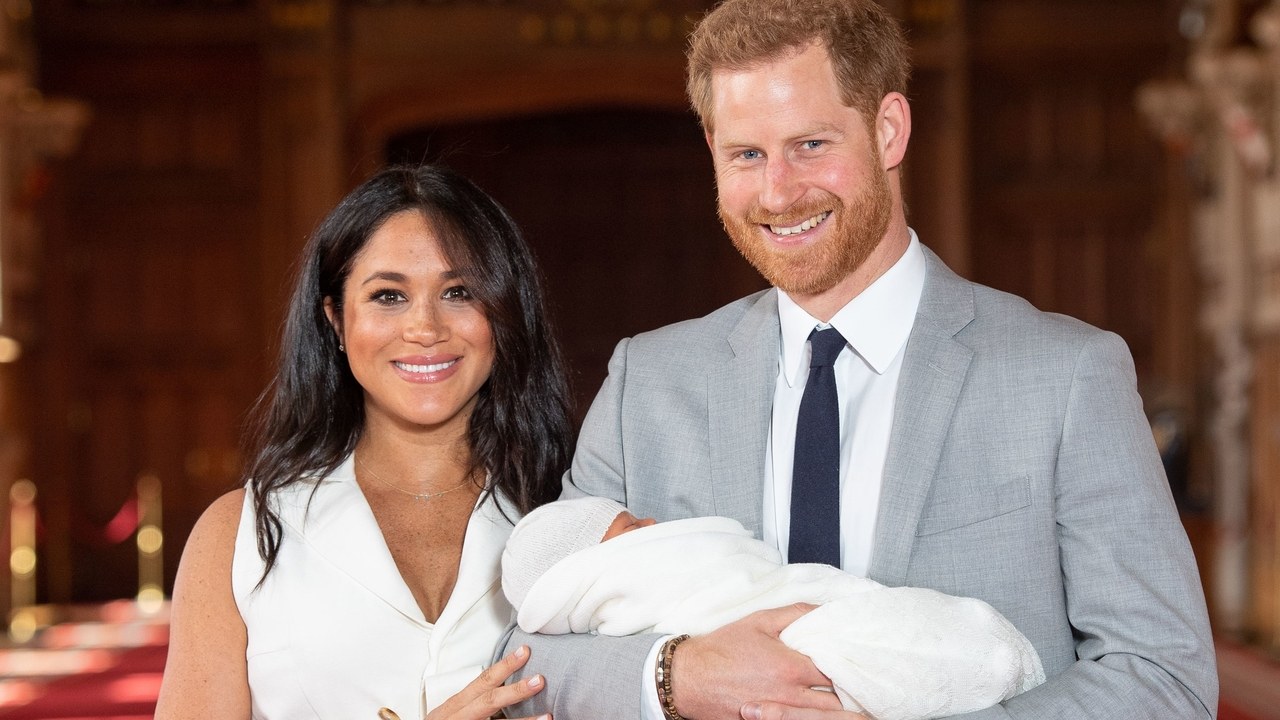
After what felt like years of anticipation, Meghan Markle and Prince Harry welcomed their first son, Archie, on Monday, May 6. Two days later, the couple gave a brief interview about their new lives as parents but didn’t reveal much information. Any more questions fans have, though, can probably be answered with Archie’s birth certificate, which the royal family made public on Friday, May 17.

It contains some illuminating details, like Archie birthplace: Portland Hospital, located in Westminster. (There was speculation Markle was planning on doing a home birth, but that didn’t pan out.)

Other interesting tidbits from the birth certificate? The official occupations of Meghan and Harry: prince and princess of the the United Kingdom. Also, we have confirmation that Archie’s first name is, in fact, just Archie. It’s not short for Archibald or something more formal.

The time of birth isn’t listed on this certificate, but Buckingham Palace wrote on Instagram that Archie came into the world early morning, May 6. We also already knew his birth weight: 7 pounds, 3 ounces.

Check out the certificate for yourself, below:

“It’s been great. Parenting is amazing,” Prince Harry told reporters on May 8. “It has only been, what, two and a half, three days…. We are just so thrilled to have our own bundle of joy and to be able to spend some precious time as he slowly starts to grow up.”

Markle hasn’t given many quotes about motherhood yet, but she did say, “It’s magic. It’s pretty amazing. I have the best two guys in the world, so I’m really happy…He’s just been a dream. It’s been a special couple of days.”

Meanwhile, the well-wishes from family and friends keep pouring in. Baby Archie met Kate Middleton, Prince William, and Prince Charles all this week for the first time. “I’m very pleased and glad to welcome my brother to the sleep-deprivation society that is parenting,” Prince William joked to journalists about two weeks ago.


Source link

Categories
Health

Your Vagina After Birth: 10 Things to Expect


Having a baby is no joke—it usually involves hours of labor and then suddenly you’re responsible for a little human being. And then there’s the fact that, in many cases, this baby actually came out of your vagina. The reality: It doesn’t snap back into place immediately after delivery.

So what actually happens to a vagina after birth? Will it bleed? Will it hurt? When can you have sex? Here, 10 things to expect from your vagina after birth.

1. You’ll experience postpartum bleeding.

After delivering your baby, expect to experience postpartum bleeding for up to six weeks. During the first ten days, expect heavy bleeding and bright red blood. You can also expect to see small clots (no bigger than a quarter) during the first three days. This is all normal, as your body sheds the extra tissue and blood from your uterus (this discharge is called lochia). After the first ten days, the bleeding slows down. You will continue to bleed lightly or spot, however, for up to six weeks after you give birth vaginally or by Caesarean section.

2. You’ll have uterine contractions (a.k.a. cramps).

You’ll experience cramps as your uterus shrinks to its pre-baby size. This process is called involution. For many first-time mothers, the pain is negligible. After subsequent births, the pain can be more intense since the uterine muscles have been compromised. Either way, this is a positive sign that your body is doing what it should be doing, and can be addressed with a warm compress and/or ibuprofen. It will subside in about three days.

3. Your vagina will be sore.

It’s not a question of whether you’ll be sore, but of how much you’ll be sore. More than 53 percent of births cause tearing around the vaginal opening, according to the American College of Obstetricians and Gynecologists. Depending on the severity of the tearing, your vagina and perineum could be sore for four to 12 weeks. Significant tears can necessitate stitches after birth or, in some cases, surgery to repair the damage. Even without tearing, you will be left with a bruised perineum.

4. Your period will seem off when it returns.

When your body begins ovulating again, your period could be different than how it was before getting pregnant. Thanks to all the hormonal changes going on, you could end up with a lighter or heaver period.

5. You’ll have a (slightly) wider vagina.

Things can also feel looser down there post-childbirth, but it tends to gradually go back to normal. If, however, you have a very large baby (or have had many babies), it might not go back to exactly the way it was before. The telltale indicator is tampons: If you insert a regular tampon and it ends up sliding out over time, that can be a sign that your vagina is ever so slightly wider than it was prebirth. Luckily, Kegel exercises can help tighten things up again quickly. Practicing Kegel exercises five minutes a day, three times a day, can work wonders. Doctors advise keeping up with this regimen during pregnancy as well, to condition the pelvic floor muscles ahead of the birth.

6. You might pee yourself a little.

Childbirth can weaken the pelvic floor, and the pelvic floor muscles help you control your bladder. Translation: It’s not uncommon to experience urinary incontinence post-birth, especially when engaging in activities like jumping, running, or even sneezing and laughing. Again, though, it’s Kegel exercises to the rescue.

7. You’ll have to wait about six weeks to have sex.

Doctors usually advise women wait to have sex. “After a woman has a baby, it takes about six weeks for a woman’s vagina to heal from a delivery,” says board-certified ob-gyn Pari Ghodsi, M.D.. During that time, sex is off-limits. It’s important give yourself—and your vagina—a break after giving birth. “It is important for a woman to realize that things take time,” says Dr. Ghodsi. “It won’t feel the same at first, but with time, things typically go back to normal.”

8. Your orgasms could feel weaker.

When you do go back to having sex, you may think your orgasms feel less powerful post-birth. You’re not imagining it. That same weakened pelvic floor that’s causing leakage is also responsible for weaker orgasms—which is also more incentive to keep practicing those Kegels. In time, your orgasm should go back to being its original earth-shattering self.

9. Your vagina will feel dry if you’re breastfeeding.

Nursing can cause estrogen deficiency, which in turn causes vaginal dryness, explains Christine Greves, M.D., a board-certified ob-gyn at the Winnie Palmer Hospital for Women and Babies.

It’s not a permanent problem by any means—the dryness will only last as long as you’re nursing—but in the meantime, introducing water-based lube into your sex life can make all the difference. You can also get a prescription topical estrogen cream that will help combat the dryness.

10. Your labia could be a different color.

Your vulva and vagina before and after birth can look totally different. Pregnancy causes a rise in estrogen and progesterone, which in turn causes an increased blood flow. That increased blood flow can cause the labia to darken and even cause a slight change in shape. The change in shape is also due to the surge in blood — the labia majora may retract, and their retraction can cause the labia minora to appear larger or even show for the first time. In any event, the coloring and shape usually return to their original appearance when your hormones and blood flow level out after birth.


Source link
Categories
Health

Prince Harry Just Low-Key Confirmed That Meghan Markle Hasn't Given Birth Yet


Meghan Markle is thought to be on maternity leave right now, which means the royal baby watch is officially underway. In fact, some people have been speculating that the Duchess of Sussex already gave birth—but Prince Harry seems to have disproved that theory today, April 25, when he stepped out for an event in London alongside his sister-in-law Kate Middleton.

Why would that point to there being no royal baby yet? Because Prince Harry is an actual prince, meaning he likely wouldn’t leave Markle alone if she was in labor or at home with a just-born baby. The fact that there’s no baby yet would explain why he made the appearance at the Anzac Day Service of Commemoration and Thanksgiving at Westminster Abbey.

Plus, he looked pretty relaxed in photos—not at all like a new dad who hasn’t been sleeping after welcoming the tiniest addition to the royal family into the world.

Samir Hussein
Prince Harry Duke of Sussex attends the ANZAC Day Service of Commemoration and Thanksgiving at Westminster Abbey
Mark Cuthbert
Catherine Duchess of Cambridge and Prince Harry Duke of Sussex attend the ANZAC Day Service of Commemoration and...
Mark Cuthbert

According to a source who spoke to People, Prince Harry had logistics in place at the event since the baby could come at any second. The insider said that he was “pleased he can attend today’s service, as planned. With their baby due, his name was not printed in the program in case he was unable to do so.”

Still, fans of the royal family are staying vigilante for baby news, particularly because the couple has indicated that they’re probably not going to partake in all the fanfare and photoshoots that usually come with royal baby announcements. In fact, a rare statement from Buckingham Palace explained that Prince Harry and Markle plan to keep things relatively quiet.

“Their Royal Highnesses have taken a personal decision to keep the plans around the arrival of their baby private. The Duke and Duchess look forward to sharing the exciting news with everyone once they have had an opportunity to celebrate privately as a new family,” the statement read.

That means context clues are going to have to guide the baby watch—and Prince Harry being out and about is a pretty good one.


Source link

Categories
Health

Birth Control Side Effects You Should Never Put up With—And When to Switch


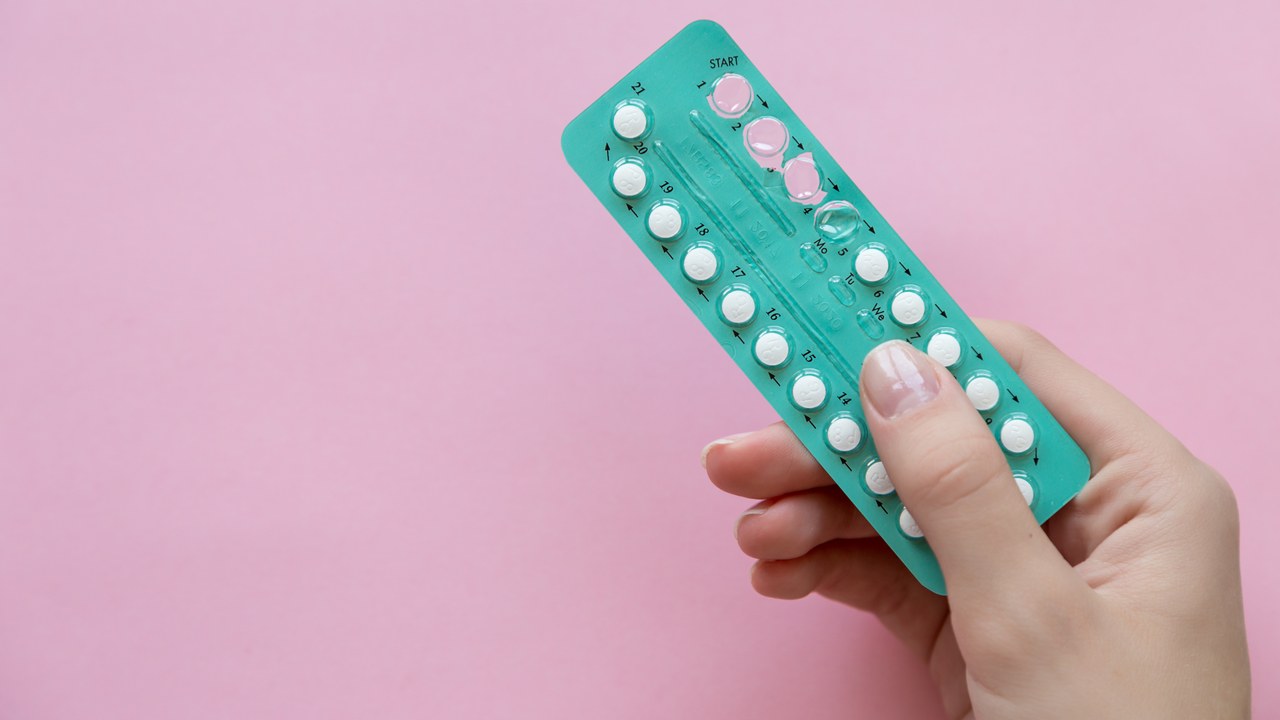
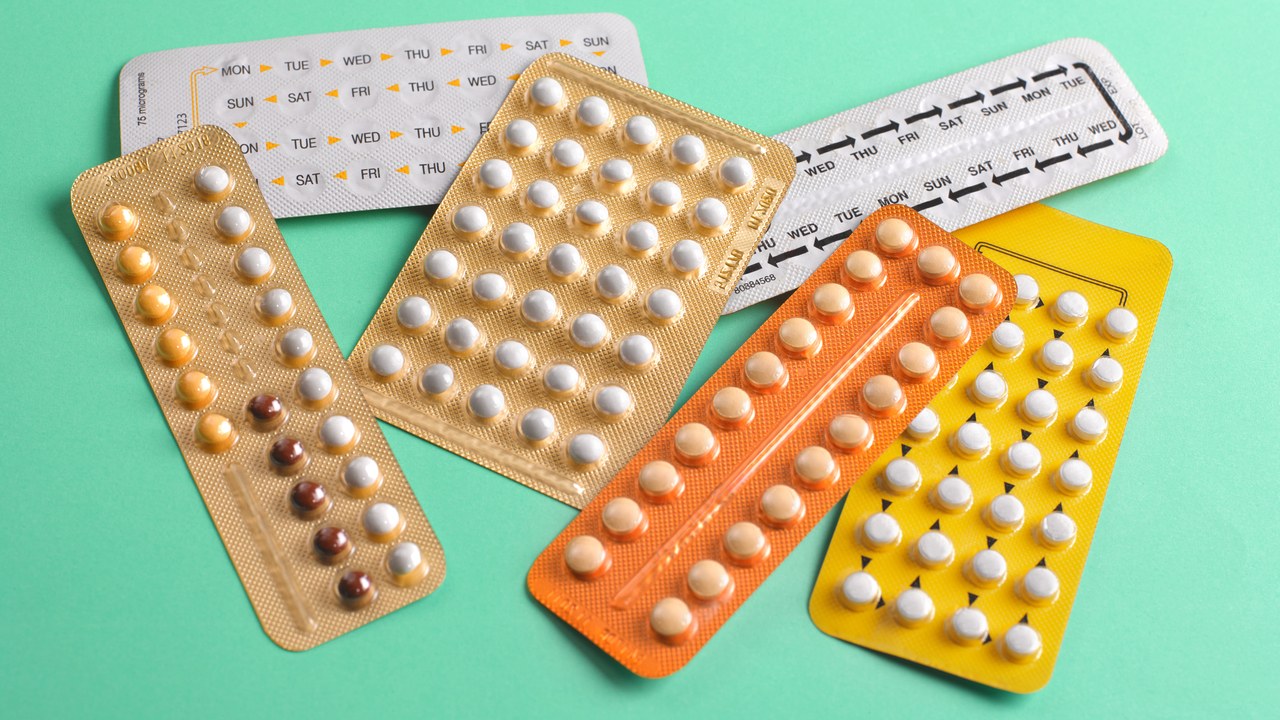
The birth control pill is an an imperfect—though still awesome—invention. Even though it’s been one of the most popular birth control methods for decades, many women have a love-hate relationship with their pill. On top of the fact that the basic idea hasn’t changed since it first became a contraceptive option in the 1960s (three weeks of daily pills followed by an unnecessary placebo week—really?), side effects of the birth control pill range from annoying to truly problematic.

But not all versions of the pill affect women the same way. There are two main categories of birth control pills—combined hormonal pills, which contain doses of estrogen and progestin, and “mini pills,” or progestin-only pills—and the type you’re using matters. “Everyone’s body is different and can react differently to the pill depending on many factors—a big one being their own health history,” says Janell Sanford, Pharm.D, pharmacist in charge at The Pill Club. in other words, you might simply tolerate one form of the pill better than another.

So, how do you know when you need to switch? We asked the experts what’s normal, which side effects of the pill you should never put up with, and when it’s time to switch.

Anytime you tinker with your body’s hormonal balance, there are bound to be side effects. But the good news is, most of these are temporary, and will go away after your body has a couple of months to adjust, says Sanford. “For example, although weight gain is not a confirmed side effect of birth control, some pills can cause temporary water retention which feels like weight gain, and usually resolves after one, two, or even three cycles,” she says. Some of the most common side effects women report: spotting, mood changes and breast tenderness.

Other side effects are more serious. “The major health consequence of estrogen containing birth control pills is a slight increased risk of blood clots,” says Mary Jane Minkin, M.D., clinical professor of obstetrics, gynecology and reproductive sciences at Yale University School of Medicine. If you notice chest or leg pains, swelling or redness in your legs, shortness of breath, eye problems or blurry vision, call your doctor ASAP. Severe headaches or abdominal pain can also be a sign something more serious is going on, says Sanford. If you have a severe headache that doesn’t go away with over the counter painkillers or abdominal pain that doesn’t feel like your average cramp (and especially occurs on the upper right side of your stomach) let your doctor know.

If you notice any of the serious side effects above, talk to your doctor ASAP. For the more common—but still annoying—ills, here’s how to talk to your doctor about finding a better fit.

If you’re still spotting after a couple of months…Breakthrough bleeding is more likely to happen on lower-dose birth control pills. “Some women will develop spotting when they shouldn’t be bleeding,” says Dr. Minkin. “Switching it up to a slightly stronger pill [with a higher dose of hormones] might just be helpful.”

If your libido is tanking…The pill also has the potential to affect your sex drive. If you’ve noticed your libido feels lower since starting a new brand of birth control, Dr. Minkin recommends talking to your doctor about switching to a progestin levonorgestrel pill, which might be a better fit for your body.

If you’re getting headaches…If you’re getting low-grade headaches since starting a new pill, talk to your doctor about switching to pill with a lower dose of estrogen, says Dr. Minkin.

“I always encourage women to keep notes about what side effects you experience on which pill,” says Dr. Minkin. If your doc prescribes a new brand and you suddenly notice a change in your mood that wasn’t present with your last pill, for example tell her. Even if you’ve tried a few different pills and still don’t feel like you’ve found the right fit, these notes can be especially helpful to help your doctor help you figure out the right type of birth control for you. “For someone who has never taken a pill before, and is in good health, I would suggest starting with a pill with 20 micrograms of estrogen,” says Dr. Minkin. “And always discuss any concerns about side effects with your provider-who can guide you.”


Source link