Categories
Health

This $12 Scar Cream From Amazon Saved My Skin After a Facial Gone Wrong


About a month ago I had a really wonderful facial that suddenly took a very dark turn. After a thorough consultation and what was perhaps the best face massage of my life, my aesthetician moved on to extractions. Now, extractions are never fun, but these were particularly painful because of congestion and an under-the-surface breakout on my forehead that required a lot of picking and squeezing.

I wasn’t surprised to have quite a bit of discomfort, but I was surprised by what felt like a needle (I had my eyes closed the whole time and my brain was in spa mode, so I wasn’t paying attention) picking and slicing at a milia (hardened pus trapped below the skin—very chic) close to my left eye. I left my facial with the glow I was promised, but I was also covered in red spots, the biggest being a dark wound where the milia was extracted.

I tried not to cry while tipping my aesthetician, and immediately canceled my plans for the evening. As soon as got home, I wiped away my tears and buried myself in research on what to do to fix this mess.

The damage before using Hiruscar

Bella Cacciatore

If it seems like I’m being a touch dramatic, let me give you some background. For some reason, my skin is a delicate flower that holds on to redness—like the temporary one you get after a facial—for years. I’ve been told by my dermatologist that this is postinflammatory hyperpigmentation, not scarring. But still, it’ll linger. At 22, I’m still working on marks I have from high school breakouts. That’s why I wasn’t thrilled to have a large wound right by my eye, which was all but guaranteed to become a red spot.

Deep in the comments section of one of my favorite sites, I came across a scar ointment from Thailand called Hiruscar. The reviews convinced me this could fix my problem, but to be safe I cross-checked with some other sites. MakeupAlley? Glowing reviews. Amazon? Tons of five stars. I’ve never clicked one-step checkout so fast.

Two days later (bless Amazon Prime in these situations), the tiny tube arrived at my doorstep. Hiruscar is a clear gel that has a very slight oniony smell (more on that in a second) and absorbs quickly. It’s not greasy or oily. For the best results, the brand recommends using it three times a day, but I’ve only been using it once.

According to Hiruscar’s website, the gel’s healing powers come from its six key ingredients. That onion smell I mentioned? It can be attributed to allium, a compound found in garlic (remember when Instagram had us rubbing garlic on pimples?) that has microbial properties that can help reduce redness in inflamed skin. Hiruscar also has aloe and vitamin E, which are well-loved for their healing and redness-reducing properties; vitamin B3, which hydrates and can improve skin elasticity; allantoin, which provides moisture and helps with cell turnover; and mucopolysaccharide polysulphate (MPS), an anti-inflammatory compound.

That was about a month ago. I’ve been applying the gel on the spot on my eye once a day, every day, and it has all but vanished. I first noticed it lighten after about a week of using Hiruscar. It’s still a little pink, but that’s still much less noticeable than my usual postblemish pigment. I’ve started using the gel on some older spots on my cheeks, in conjunction with my usual acid regimen, and have noticed a bit of lightening—nothing too dramatic, but I’ll happily take all the help I can get.

Source link

Categories
Health

I Tried Microneedling at Home, and It Transformed My Skin


The first time I witnessed the magic of microneedling, I sat in a room at a dermatologist’s office, holding my sister’s iced tea and watching her face bleed. (She’d gotten enough topical anesthesia to numb an elephant—don’t worry.) But the results were worth it: Her skin was glowing and clear just in time for her wedding.

So when NYC dermatologist Dendy Engelman, M.D., recommended at-home microneedling as a possible solution for acne scars, I was intrigued. I could do this? On my couch? While watching the final episodes of The Unbreakable Kimmy Schmidt? I couldn’t sign up fast enough, having recently endured a months-long breakout that’s left my skin blotchy and uneven.

“Microneedling is the creation of small micro-channels and injuries to your skin with acupuncture-size needles down to various depths, depending on how deep the needles are set at,” says Melissa Kanchanapoomi Levin, M.D., a dermatologist at Entière Dermatology in New York City. “By creating these micro-injuries to your skin, your body will respond naturally by stimulating and producing collagen, which can treat fine lines and wrinkles, enlarged pores, stretch marks, acne scars, and textural concerns.”

But all of that payoff is the work of in-office microneedling, which, like my sister’s experience, requires a licensed aesthetician or dermatologist as well as good layer of anesthesia, depending on your pain tolerance. Still, though microneedling at home won’t nab you the same results nor any to the same extent (as the needles are both shorter and duller), it can still offer benefits. “At-home rollers don’t pierce your skin as deeply as the medical-grade devices, but they can be used to enhance penetration of products—be it hydrating, brightening, or rejuvenating actives—that are applied postperforation as it creates these open channels,” says Dr. Engelman.

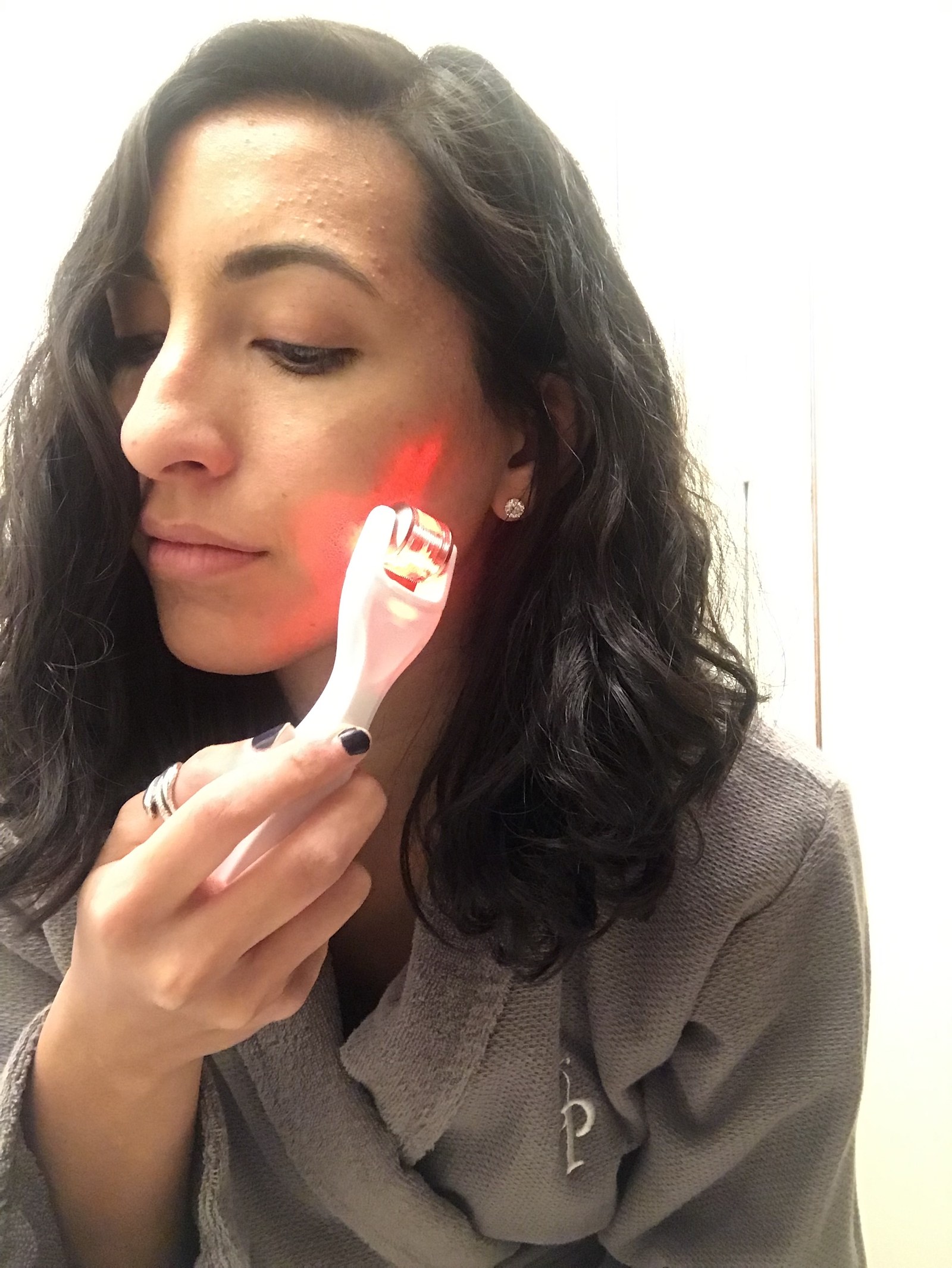
I went with the BeautyBio GloPRO Microneedling Facial Regeneration Tool ($199), which seems like a steep price until you consider that (a) the average cost of a single microneedling session is $625, and (b) most of these tools will cost you three figures. Then I plugged in the roller, which has a built-in LED red light to further address wrinkles and scars, and let it juice up for an hour. Jamie O’Banion, the CEO and founder of BeautyBio, suggests using it after cleansing and swabbing your skin with a cleansing wipe. “Make it part of your nightly routine: Cleanse, prep, roll, treat, and complete,” she says. “Ensure all your face and eye makeup is removed, then prep by swiping a Prep Pad across target treatment areas.” These pads, a few of which are included with the microneedling roller, are alcohol-free and contain an antibacterial complex to kill any germs lingering on your skin.

I accidentally started without reading the directions (old habits die hard), but the good news? It’s pretty foolproof. Unlike devices that work on a timer, the microneedle roller turns on and off the old-fashioned way—that is, with a button. So I had no idea how long I was rolling it around certain sections of my face and still didn’t experience any redness or irritation. (I now know that you’re supposed to roll each area for 15 seconds.) I began with my chin, moved up to either cheek, and finished with my forehead. You’re supposed to roll over each area in a pattern. “Go over the area in an asterisk: up and down, side to side, diagonally left up to right, and diagonally right up to left,” says Dr. Engelman.

Deanna Pai

The microneedling itself was fine: You can feel pricks, but it wasn’t painful. Then, because I’m a glutton for punishment, I topped it with some glycolic acid. Reader, it hurt. Fortunately, it subsided pretty quickly, and I followed up with my usual antioxidant serum and lightweight moisturizer. The next morning I awoke to find that the dark spots on one cheek looked diffused—and while it seems counterintuitive, some redness had dissipated from my problem areas. My skin looked a little calmer and noticeably brighter.


Source link

Categories
Health

Summer Fridays' New R+R Mask Is Saving My Winter Skin


The second the temperature drops below 50 degrees, my fussy, combination skin gets dry, scaly, and irritated. Despite swapping my lighter products for oils and balms, overnight masking, and upping my water intake, there’s no soothing the dryness. Now I’m fighting acne and dull flakiness, and it feels like the journey to good skin is an uphill battle I’m never going to win.

Enter stage left, the R+R mask, a new pampering mask from the well-loved brand Summer Fridays. Despite only having two products on the market and being less than a year old, the brand has skyrocketed to cult status thanks to its Instagram-friendly aesthetic, influencer backing (it’s founded by Marianna Hewitt and Lauren Gores Ireland), and oh yeah, masks that really, really work.

The arrival of R+R on my desk couldn’t come any sooner, as it promises to revive and nurture dry, dull skin (as mentioned above, I am clearly suffering from both). Most of the mask’s nourishing powers come from the bouquet of oils it’s packed with, including argan, safflower, sesame, avocado, grape seed, and Bulgarian Rose. The oils are rich in fatty acids and antioxidants to deeply moisturize and repair skin.

The mask also contains a form of oil-soluble Vitamin C to help fight dullness and even skin tone. Finally, R+R—like the Overtime Mask—has both physical and chemical exfoliants to really slough off dead skin and jumpstart glow. The physical comes from the crushed rose powder, while the chemical comes from sucrose (a.k.a. sugar), an AHA. While it sounds like a lot, the oil provides a nice cushion, and I found it rather gentle, which is really what sets it apart from Overtime (that one is for more intense exfoliation).

The texture is one of the most unique masks I’ve ever used, it’s a clear jelly that definitely has a very oily, slippery feel to it. It also has rose petals and crushed rose petal powder suspended throughout, which I love as I’m a sucker for anything remotely rosy. As per the instructions, after applying the mask I gently rubbed it in for some light physical exfoliation. It’s a nice scrubby feeling that isn’t too harsh. Then, I let the mask sink in and all the yummy oils go to work.

Me with the R+R Mask on

I’m obsessed with the scent, which can only be described as delightful. It has a light rose smell that isn’t cloying or fake, just luxurious. It makes me feel like the mouse in this picture, but it’s not so over the top that it irritated my sensitive skin.

The brand suggests leaving the mask on for 10 minutes, but I left it on for a little longer both times I tried it. The first time I tested the mask I used it in the morning and thoroughly washed my face in the shower after. My face felt crazy smooth from the exfoliants and nourished from the oils, but not sticky or greasy. The mask doesn’t really sink it while you wear it, it kind of forms a layer that sits on top of your skin, so I was surprised at how deeply moisturized I felt, even after washing it off. I didn’t notice a huge difference in glow, but my skin felt cared for and my makeup went on smoother than usual. The second time I tried R+R, I used it before bed and used a damp washcloth to towel it off, but didn’t follow it with another cleanser. This time it left my face feeling comforted and wrapped in oils (in a good way), and I just put a moisturizer over top and went to bed. I woke up to smooth skin that looked a touch more radiant (Rome wasn’t built in a day people!).


Source link

Categories
Health

The Best Exfoliating Pads for Radiant, Glowy Skin


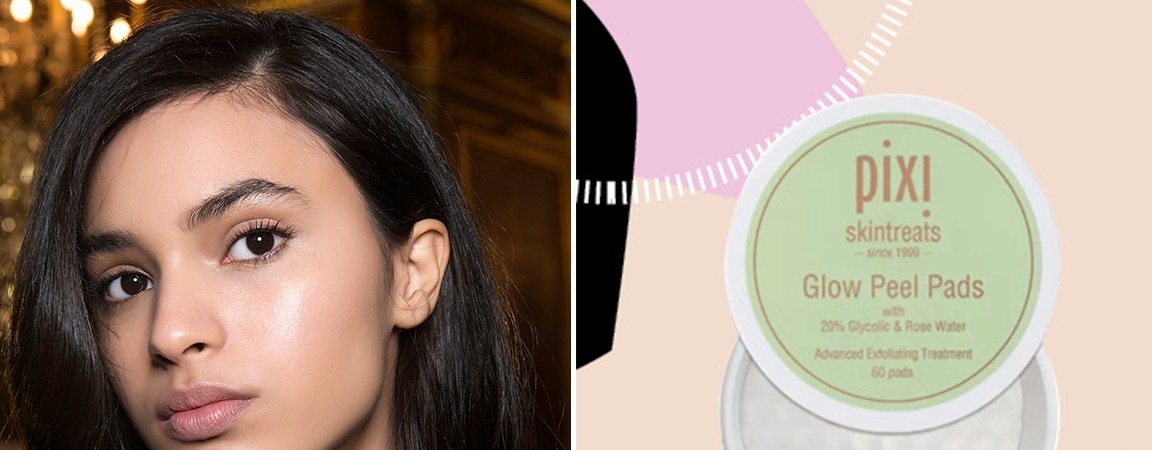
Peel pads changed my life. I’m not exaggerating. They’re so good that anytime someone complains to me about their acne, I basically toss an acid-soaked disc at them. I used to have very stubborn breakouts, relatively mild in severity but still enough that I’d have to excuse myself during dates to dab on more concealer in the bathroom. I dropped a ton of money on charcoal masks and spot treatments and all the salicylic acid in the land, and I now have so many half-empty bottles of benzoyl peroxide cleanser that I could bleach the contents of my closet with it.

Once I swapped in exfoliating pads for my old, not-so-effective acne-fighting products, though, my skin did a 180. I now go outside without makeup. I haven’t touched concealer in months. And, sure, I still get zits from time to time—inevitable, since my oil glands produce more grease than a dollar slice of pizza—but they have a shorter life span and are way less noticeable.

Peel pads are one of the most effective skin care products out there, but you don’t even have to take my anecdotal word for it. Its efficacy is by design. “The pad itself helps to further the exfoliation process,” says Craig Austin, M.D., a dermatologist in New York City. “It gently lifts dead skin cells while wiping your skin’s surface clean from debris and makeup.” Using your fingertips just doesn’t have that same exfoliating effect as the pad, and some pads are actually built to maximize that difference with a mesh or nubby texture.

Glycolic acid—my acid of choice—is the most popular ingredient in peel pads since it clears out pores, hydrates, brightens, and smooths out texture. But you don’t have to stop at acid. Exfoliating pads can be infused with reparative antioxidants, soothing aloe vera, and skin-firming peptides, which can guide you through the daunting task of figuring out which works best for you.

Another perk: They’re idiot-proof. “It’s unlikely to ‘screw up’ when using a peel pad or disc,” says David Colbert, M.D., a dermatologist at New York Dermatology Group in NYC. “Make sure the disc is moist and apply light pressure in a circular motion.” Still, a word to the wise: Read the directions. While some peel pads involve just a swipe and nothing more, others need to be rinsed off. Use it after you cleanse and give it a minute or two to work its magic before applying your serum or moisturizer (or both).

This exfoliating power may be the reason behind peel pads’ bad rap in the skin care world. The claim: They’re too harsh and irritating for sensitive skin. But unless you’re piling on eight different acids, peel pads are totally fine for all skin types. When you first start using a exfoliating pad, “make sure that you’re choosing an acid that is lower concentration, such as a 10 percent peel,” says Dr. Austin. Like other powerful ingredients (looking at you, retinoids), your skin may need a few weeks to adjust, so start by using pads every other night, only working your way up to every night once your skin becomes acclimated to it. (Once you notice less tingling, you can ramp up your usage.) If you notice any kind of irritation or pain and need relief stat, just splash water on your face. “This will stop the acid from continuing to penetrate your skin until you work up more of a tolerance,” Austin says.

And no matter your skin type, slow your roll with other types of exfoliation. “The biggest mistake people make when using peel pads is either overexfoliation with a facial cleansing brush, like Clarisonic or other abrasive cleansers,” says Dr. Austin. Also, follow up any type of peel pad with a high SPF. Since the acids remove dead skin cells—exposing new skin and leaving it more sensitive to light—go with at least SPF 50.

My only regret concerning peel pads is that nobody told me about them sooner. Try them for yourself and feel free to @ me. I’m that sure of them.


Source link

Categories
Health

The Best Foundations for Every Skin Concern Imaginable


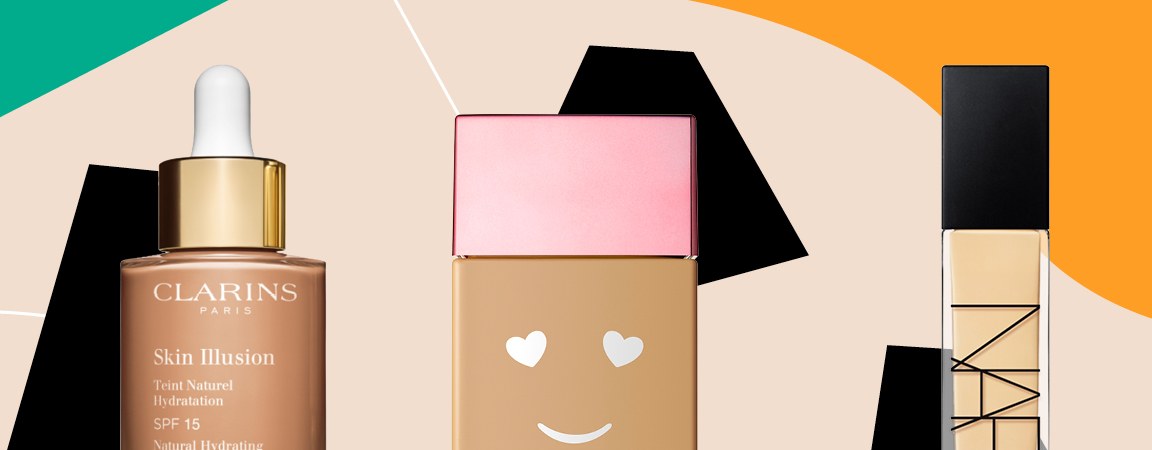
Besides tracking down and color-matching your perfect shade, the hardest part of shopping for foundation is figuring out which one will bring out the best in your skin. If your complexion gets greasy before noon, stay away from the dewy stuff (or risk looking like a human lighthouse). And if your biggest issue is dullness, look for foundation with brightening ingredients that’ll even out skin tone, like vitamin C. (And yes, we included one.)

With more formulas than ever to choose from, you might need a little bit of guidance to find what base makeup suits your skin. That’s why we put together this guide, which helps you pick the best foundation formula for the current status of your skin. There’s something for everyone—we promise. Ahead, shop the best foundations for every possible skin concern.


Source link

Categories
Health

AHAs, BHAs, and PHAs in Skin Care, Explained


If applying something caustic-sounding to your face gives you a little pause, know this: skin-care acids are some of the most versatile and hardworking ingredients in the complexion playbook. They have the power to zap zits, blast away brown spots, Magic Eraser away fine lines, plus deliver intense hydration and/or a healthy glow—almost instantaneously. By whisking away dead cells from your skin’s surface, acids also clear the way for active ingredients to do their thing; essentially, they help other products perform better. Here, a primer on alpha hydroxy acids (AHAs), beta hydroxy acids (BHAs), polyhydroxy acids (PHAs), and hyaluronic acid (HA)—plus, our favorites of each to shop now.


Source link