Categories
Health

The Best Cyber Monday Furniture & Kitchen Deals 2019: Le Creuset, Keurig, & More


Boll & Branch: Get organic, fair-trade bedsheets from Boll & Branch (and so much more) during the brand’s biggest Cyber Monday event ever. Get 25% off with code CYBERMONDAY, or 30% off orders over $750 with code CYBERVIP.

Ruggable: A low-commitment way to spruce up your home is with a new rug, and Ruggable is offering 20% off sitewide on December 2 with code CM2019.

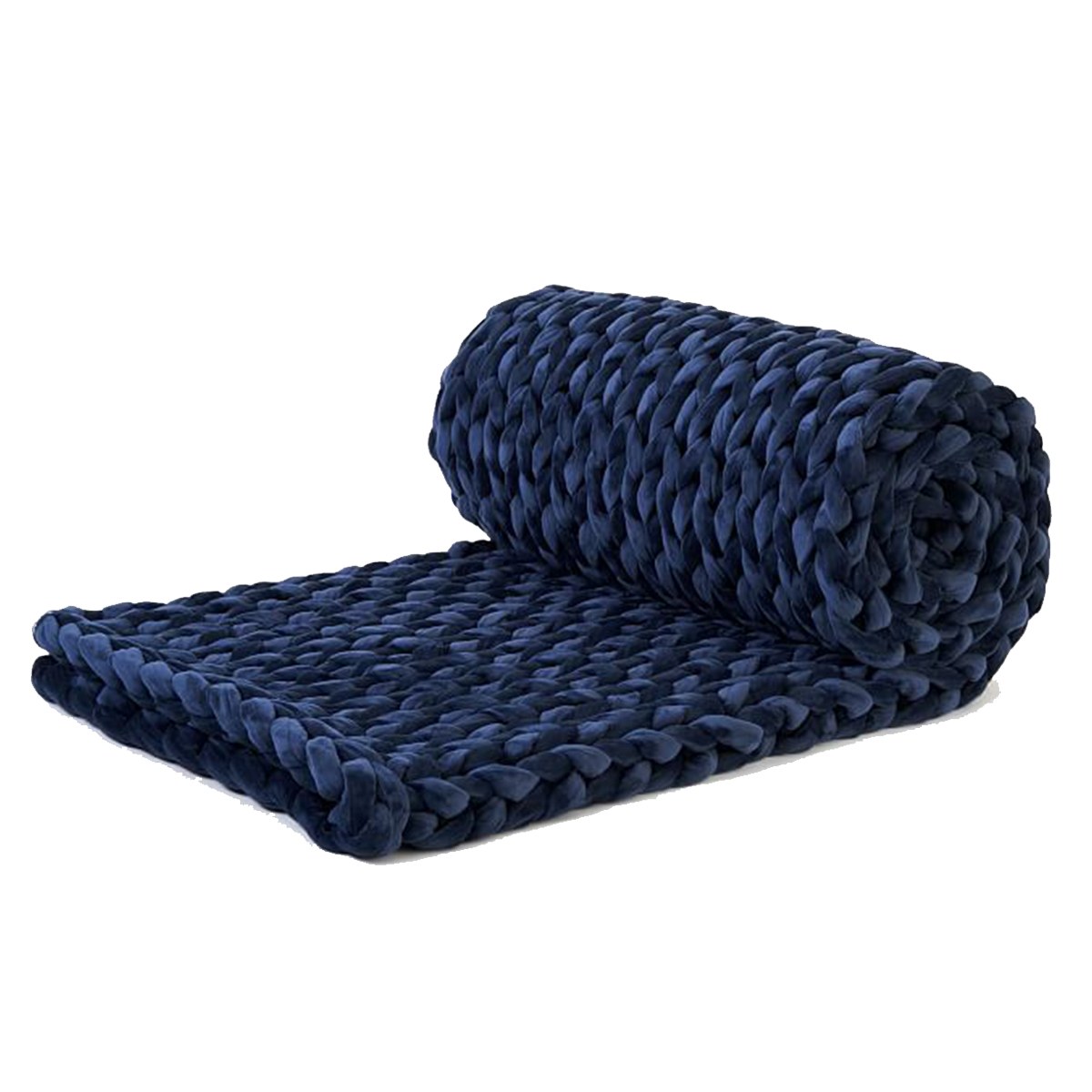
Bearaby x West Elm Velvet Napper

West Elm

$249

Buy Now

Heritage Quilt Set in Pewter

Boll & Branch

$240

$180

Buy Now

Best Cyber Monday Furniture Deals

Etsy: Head to etsy.com/cyber for up to 60% off all things cozy—from holiday decor to home essentials—through December 2.

Snowe: Everything a couple needs for their first home can be found at Snowe. Invest in sleep, bath, or eat bundles while you can—the brand is offering 20% off on orders $75 or more or 25% off orders $750 or more through December 2.

Jayson Home: Looking to zhuzh up your place with a unique find? Jayson Home is the place to shop. The retailer is offering 20% off everything on Cyber Monday, plus free shipping on all orders.

Wayfair: Get 80% off household essentials like couches, tables, and chairs from November 22 until December 26.

Allmodern: Allmodern’s sale starts November 28 with 25% off furniture deals with promo code BIGDEAL. Keep an eye out for flash deals until December 3.

Urban Outfitters Home: Get $10 off purchases of $50 or more, $50 off purchases of $150 or more, and $75 off purchases of $200 or more—online only.

Snowe 9-Piece Honeycomb Bath Set

Snowe

$220

$176

Buy Now

Jayson Home Cane Drum Stool

Jayson Home

$295

$236

Buy Now

Lulu & Georgia: On December, take 20% off with code CYBER20 on orders $500 or more, take 25% off with code CYBER25 on orders $1,000 or more, and take 30% off with code CYBER30 on orders $1,500 or more.

The Inside: For (interior and fashion) designer-approved furniture, fabric, and home decor, get on The Inside. For a limited time, use code BFCM20OFF for 20% off and use code BFCM30OFF for 30% off orders over $500. All orders get free shipping—which is reason enough to throw some beautifully patterened throw pillows onto your couch.

10 Grove: Save on quality bedsheets from 10Grove starting until December 2 with $20 off when you spend $200; $50 off when you spend $350; and $75 off when you spend $500 with the code THANKFUL.

Tuft & Needle: The brand is offering 15% off furniture and accessories through December 2. No code needed to take advantage of this deal.

Dormify: College students (or parents!) can scoop up some adorable dorm decor at 30% off with code GIVING30 through December 3.

Birch Lane: From November 28 to December 4, get up to 80% off dining tables, chairs, dressers, and more furniture. Take an additional 25% off your order with code BIGDEAL.


Source link

Categories
Health

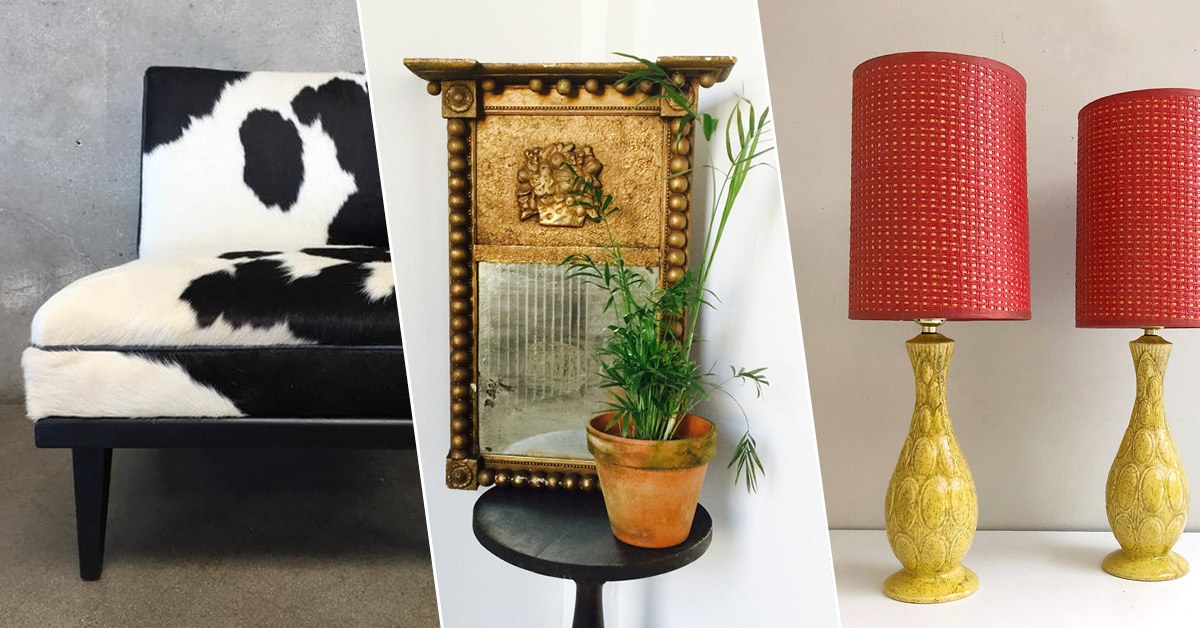
Etsy Stores for Vintage Furniture and Home Decor In 2019


If you thought thrift shopping was hard, try vintage furniture shopping. You need to come fully prepared with dimensions, a delivery service, and a vision of how one purchase could potentially change the layout of your entire home. The same can definitely not be said for a thrifted Gunne Sax dress.

Vintage furniture shopping also takes research to find that exact coffee table or midcentury modern chair you’ve been looking for. Thankfully, though, Etsy exists and is a great substitute for having to spend hours at a vintage furniture store. If you think the site is useful for only small home trinkets, think again: Etsy is packed with shops selling legitimate statement pieces including French provincial dressers, authentic Turkish rugs, and plenty of wicker anything.

If you’re looking for a specific designer, style, year, or piece, you can easily sift through hundreds of options from thousands of Etsy stores across the country. Sound overwhelming? Just like all kinds of vintage shopping of course it is, which is why we’ve narrowed it down to the best 11 vintage Etsy furniture and home decor shops below.

All products featured on Glamour are independently selected by our editors. However, when you buy something through our retail links, we may earn an affiliate commission.


Source link

Categories
Health

My Journey Into the Gig Economy: Folding Underwear, Walking Dogs, and Building Furniture


Like Athena emerging fully formed and dressed for battle from the head of Zeus, many talented women who joined the professional world during the Great Recession have faced unprecedented challenges. I’ve tried a few unconventional methods of making rent, but even I never could have anticipated the recent Thursday evening I spent folding a stranger’s underwear. Let’s get to that episode in a second. First, about me—I’m a journalist, proud of my profession despite its frequently meager dividends. But sometimes I wonder: Could the gig economy (which, really, is a reductive little phrase used to describe easy-entry odd jobs that, when cobbled together, theoretically add up to a reasonable living or, at the least, a lucrative side hustle) make my rigidly budgeted life more comfortable? I decided to see what results might come of a full-court-press effort, and a willingness to try almost anything once.

Before I got started, I reached out to a few contemporaries to find out how they’d brought in the most cash on the side. I’d gotten my first taste of paid writing work as a college freshman, when the author-illustrator Molly Crabapple commissioned me to write an ode to her friend (a “retired, pragmatic contortionist,” according to Crabapple) in the form of a sestina. However, for the purposes of this experiment, my usual methods of accruing capital were out of bounds.

A culture reporter friend used to make 10 dollars a day texting men through an app called Phrendly that paid out a small amount for every reply to her messages. A fashion world friend, Dominic DeLuque, once picked up lizard food for an eccentric who tipped horribly, shuttled iced coffees to an agoraphobic neighbor, and transported a suitcase to a shady client on the Upper West Side (only realizing later the cargo was most likely drugs) for about $20 per odd job. I wasn’t in the mood to smuggle narcotics or go through the process of establishing relationships with oddball New York strangers, so those options were out, too.

For my first go, I tried out Craigslist. A flower shop in Morningside Heights was looking for an assistant; a “research facility” called MediaScience sought panelists; a gentleman’s club in Midtown needed extra (scantily-clad) help on Super Bowl Sunday. I sent CVs and emails flurrying all over New York City. Not one response.

Undaunted, and remembering the capable man I’d hired to help me move last summer, I went about the process of registering to be a Tasker on TaskRabbit. I paid a $20 registration fee, indicated what I thought were fair rates for the suggested tasks—assembling Ikea furniture, $30 an hour; and so on—and submitted my application. Almost automatically a form email appeared in my inbox. “Hi Helen,” it read. “At this time, we do not have the demand for Taskers in the city and categories you’ve specified, so we will not be moving forward with your registration.” I laughed out loud. But my rejection made sense: If it’s nearly impossible to get a job interview at The New York Times or Goldman Sachs, it stands to reason you’ll be fighting hordes for the considerably smaller scraps too. Ruling out Uber driver, SAT tutor and plasma donor, I sought out other options.

Luckily, deliverance soon arrived in the form of a friend who needed help caring for her brand-new puppy, a 16-week-old Klee Kai named Juneau. I would take him for an afternoon walk and give him lunch for $40 per visit. Our first outing was glorious: the two of us sailed through Central Park. Strangers and their dogs cooed over him. But disaster struck during our second appointment. After a blissful hour’s walk, I struggled with the antique front door of the owner’s apartment. YELP! I spun around to see the puppy, trapped in the heavy oak door, and rushed to free the poor little guy. I neglected to mention the incident to his owner in my otherwise exhaustive follow up text about Juneau’s every bark and bowel movement, and prayed to the dog walker gods that the pup hadn’t suffered any internal injuries.

Next, I trumpeted my services on Twitter. An acquaintance responded—she needed some help with laundry. A day later I made a house call to my client, who asked, “Do you have a problem with washing and folding period-stained sheets?” I waved my hand as if to say “Perish the thought,” and steeled myself like Indiana Jones preparing to raid a cave. I was tasked with washing everything she owned—jeans, sweatshirts, nine pairs of matching socks, the aforementioned sheets—and I went home $20 richer and with a vivid mental image of her boyfriend’s Under Armour boxers.

Ultimately, my weeklong experiment netted me $100 total, but once you factor in the multiple subway trips and the cash I spent on Red Bull for fuel, it would be generous to say I’d scraped a $90 profit. If I’m honest, I kind of expected pathetic results. I’ve always been skeptical of the gig economy. It creates a fantasy that, if you can profit off your every marketable skill, you can subvert the hardships of my much-maligned, profoundly misrepresented generation (including insurmountable student debt, too many music-streaming services to choose from, and the escalating cost of vape pens). Millennials are raised to be brutally hard workers, even if some of us (me) are probably doomed to spend the rest of our lives writing jokes online. We deserve better than what the gig economy has to offer.

Helen Holmes is a freelance journalist living in Brooklyn.


Source link
Categories
Health

Even Kate Middleton and Prince William Have Ikea Furniture


As any viewer of The Crown will tell you, the many homes and palaces belonging to the Windsors are already full of furniture, but understandably, not much of it is kid-friendly. That’s why Prince William and Kate Middleton got Prince George and Princess Charlotte furnishings in Kensington Palace from a much more inexpensive source: IKEA. Yes, royals and recent grads have at least one store in common.

On the Swedish leg of their current royal tour, the couple, currently expecting their third child, stopped by ArkDes, the national museum of architecture and design in Stockholm. There, they toured “an exhibition of a competition for young Swedish designers which IKEA has been involved with since it began 20 years ago,” per U.K. outlet the Mirror. Before the royal visit, Marcus Engman, IKEA’s head of design, mused, “It would be nice to know if they have any IKEA furniture. I know that the royals in Sweden have. Why would it not be possible for them? There is a great variety. Our beds are really good, and affordable. You get a lot for your money there.”

Affordability probably isn’t a huge factor for the Duke and Duchess of Cambridge, but after the tour, Engman revealed that they told him they “have IKEA pieces for the children’s rooms” and expressed interest in the IKEA design process. “I’m proud that we can suit everybody,” said Engman. “That’s what we want IKEA to be—for the many people of the world, both royalty and ordinary people.” The royal couple also offered their condolences on the recent passing of Ingvar Kamprad, who founded furniture giant IKEA when he was just 17 years old.

The Mirror’s “royal source” said that Engman’s recollection was “very plausible” (whatever that means) but couldn’t confirm which, if any, IKEA pieces Charlotte and George have. Maybe they just didn’t want to start a run on Mammuts or Stuvas or whatever; items Kate picks tend to sell out, after all.

Now, what we’d really like to know is, did Will and Kate assemble this IKEA furniture themselves?

Related: Kate Middleton Reportedly Donated 7 Inches of Her Hair to Charity in Secret


Source link