Categories
Health

Black-Owned Beauty Brand Uoma Debuts at Ulta With 51 Foundation Shades


Launching a new beauty brand in 2019 requires a different sort of preparedness than it would have, say, two years ago. The bar is significantly higher than its ever been, thanks largely in part to Fenty’s then unprecedented 40 shade range debut, along with the growing momentum and real life impact of social media, where everyday consumers and vloggers rich in digital capital alike are calling out disparities within the industry.

It’s an important moment in the beauty world without a doubt, as we watch companies new and old scrambling to catch up to new inclusive standards. But it shouldn’t be mistaken for a moment that can sustain itself without continual momentum forward, where the goal shifts from simply meeting the bar to surpassing it. Otherwise, doesn’t inclusivity become just another buzzword?

It’s a question that weighed heavily on Sharon Chuter, a Nigerian-born, London-based former LVMH executive and all-around industry veteran. So much so that she decided to push the conversation further herself. Today she launches Uoma Beauty—a self-proclaimed Afropolitan cosmetics line and Ulta Beauty’s answer to Fenty—with an ambitious 51 foundation shades right out of the gate. Accompanied by a solid lineup of bold lipsticks, highly pigmented glosses, liners, concealers, and more in weighted, Insta-ready packaging, the newcomer is sure to shake the table.

Graeme Bulcraig

“I was very excited when Fenty launched, because it came in and really made a statement within the industry,” Chuter tells Glamour. “But it infuriated me when I saw other brands just waking up. It was like, is this it? Is this the best we can do? It was really reminiscent of when this happened in the nineties. Iman Cosmetics had this whole inclusive revolution and it lasted for a few years, but then it died down, and things went back to the way it was.”

Uoma, which means “beautiful” in the Nigerian language Igbo, is set on picking up the torch, and stretching the understanding of what true inclusivity and representation means in the beauty industry today. It’s a mission evident in the brand’s DNA, from the models cast in its first campaign to the product names that pay homage to culturally impactful women, like Angela Davis and Nina Simone. And its especially evident in the way Chuter and her team approached the products themselves.

pA look at Uoma Beauty's packaging and lipsticksp

A look at Uoma Beauty’s packaging and lipsticks

TSE

While more and more brands are routinely adding new extended shades to their already existing foundation collections, Uoma has created entirely unique formulations for different skin tones. This means that you’ll find the 51 shades split up into six distinct “skin kins,” each made up of active ingredients meant to address the specific needs of each group. Straddling the lines of makeup and skin care, the deeper shades have ingredients meant to help with hyperpigmentation, while fair shades are packed with ingredients to address and calm hypersensitivity and redness. For my rich tan complexion, the shades within my skin kin had been formulated with ingredients like white tea and berry extracts to combat mild hyperpigmentation and oily/combination skin—two issues I’ve dealt with at length for years.

The best part about this for me (aside from, you know, the accuracy) was how easy this system made finding the right shade. After determining I fell within the Bronze Venus skin kin, I was able pick my perfect match out of a much smaller, hyper-nuanced shade range broken down by undertones. The color was spot-on. But as for the wear? I was skeptical.

Women of all skin tones for the Uoma Beauty campaign

I’m not a usual fan of liquid foundation (I hate the weighted feeling it leaves on my skin), even though this formula is adjustable coverage. But the Uoma Say What?! foundation ($39) really stays true to its claims of feeling weightless and breathable throughout the day, which allowed me to relish in all of the benefits of fuller coverage—blurred pores! softened fine lines!—while acting and feeling like a second skin.
Source link

Categories
Health

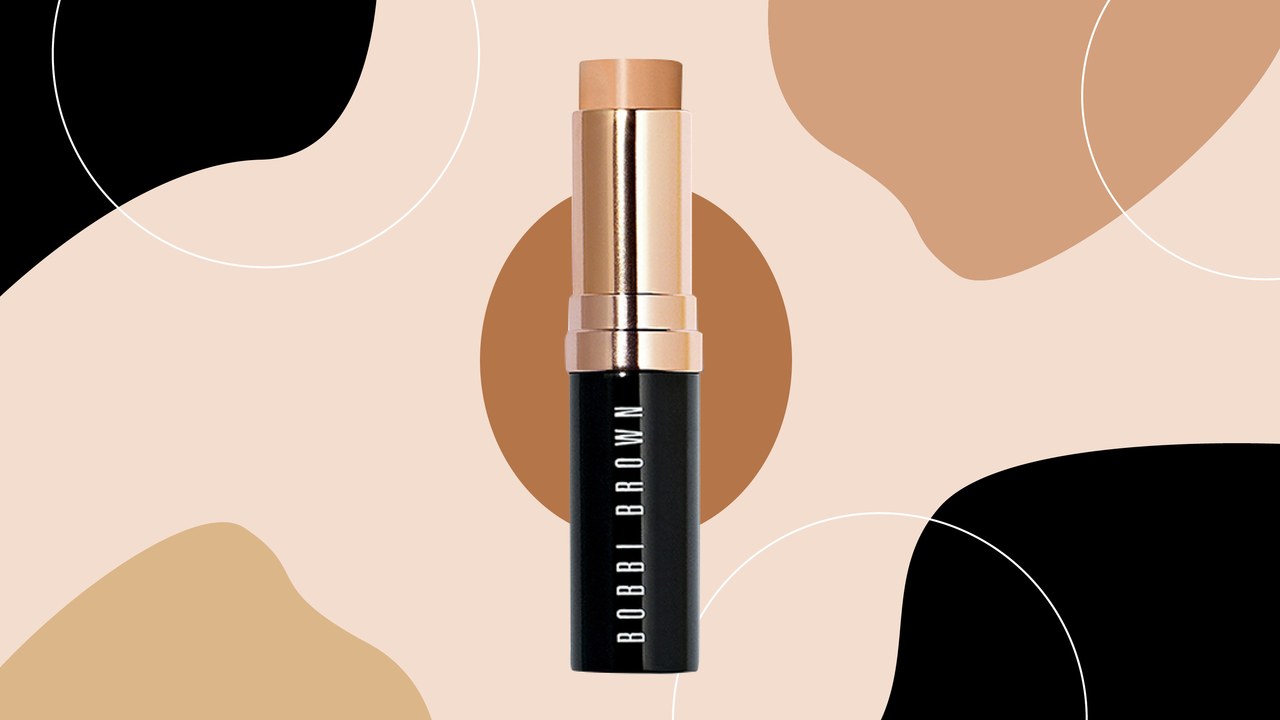
This Bobbi Brown Foundation Stick Makes Me Look Poreless


It’s a typical Saturday night in my life, which means I’m arriving at a birthday party without an invitation, bearing two dozen freshly baked cookies as my entry ticket. The yellow-tinged ceiling lights helpfully illuminate the drinks table, but I can tell at a single glance that they’re not going to lend a single ounce of flattery to my skin. (When you spend enough time in front of ring lights, diffused studio lights, and portable LuMee lights, you just get an immediate sense for these things.) Nonetheless, the combination of celebratory spirit and all the great new people I’m meeting soon have me snapping selfies left and right.

Approximately 30 seconds after I post the first one to Instagram, I get a DM from a fellow beauty editor: “Wow. Your skin is really doing amazing things.” I take a second look at the unfiltered photo. She’s absolutely right. I text her back that it’s the glow of happiness, which is 50 percent of the truth—and vow to save the full story for later.

Well, here it is: Bobbi Brown makes the best cream foundation to ever touch my face. In years past, I’ve always had a tendency to gravitate toward liquid formulas because I believe they tend to do the best job balancing coverage, wear time, and comfort. Sign me up for a cream highlighter or eyeshadow any day, but many of the foundation formulas I’ve tried tend toward the heavier side. They look amazing on camera—imitating the look of bare, dewy skin beautifully—but they also feel like a thick coat of spackle, a feeling I loathe. And if I happen to break a sweat or have an especially oily skin day, you can dial up the discomfort another few degrees (while I watch the results of my careful application disintegrate into little flesh-colored icebergs floating across my face).

Any foundation—cream or otherwise—has to be truly special for me to take note because of how rarely I feel like wearing it. See that photo above? That’s how my skin looks without a single drop of base makeup, in the middle of a particularly sweaty day running to and from appointments in New York. I have a very mild case of rosacea and periodic hormonal breakouts, but my multi-step skin care routine means I can usually skip this particular product altogether. On occasions when I do reach for foundation, it means I’m looking for something that will either photograph flawlessly, perform the Herculean task of rendering my Asian glow invisible, or both.

My ideal formula combines a semi-matte finish (you know, the kind that’s equal parts velvety-smooth and gently dewy), enough coverage to cancel out vibrant alcohol-induced redness, and long wear time (like I said, I have an aversion to flesh-colored icebergs). Oh, and rather than blanketing my face in a suffocating coat, I’d like something that feels so featherweight I forget I’m wearing it in the first place. Shoot your shot, beauty brands.

In truth, I wasn’t expecting Bobbi Brown’s Skin Foundation Stick to fulfill all of these demands the night I grabbed it. I have vague recollections of once testing it on the back of my hand, but apparently I wasn’t that impressed at the time because I promptly forgot it existed.

Cue the fateful eve of my party-crashing. I was running late and couldn’t locate my trusty bottle of Armani Power Fabric, which I eventually realized I had forgotten to pack when moving to another country. I rooted around in my beauty heap until I unearthed this gold-and-black tube, let out a gusty sigh, and proceeded to scribble lines across my face, blending them in with my fingers. Without bothering to give the mirror more than a cursory glance, I was out the door.

Best last-minute decision ever, as it turns out. While swivel-up sticks like this one often go on patchy, this one lays down smooth, even coats of color that don’t catch on dry spots or skip over oily T-zones. I’d describe the feel as a dry-touch cream—one that glides on seamlessly, then disperses weightlessly across my face. It’s apparently packed with emollients like olive extract, as well as light-diffusing powders that create that an incredible airbrushed effect. One coat delivers an effect halfway between a tinted moisturizer and a foundation, while two or three easily dial up the intensity to a full-coverage formula. And you can really layer this on liberally, too. It never starts feeling thick or greasy, or looking caked-on. I wear it in 2.5 Warm Sand when I’m at my wintry palest, but switch to 3 or 3.5 once I start developing a tan. In person, it delivers the same poreless results as it does on-camera. You can zoom in as much as you’d like on the photo above; my face will retain the texture of a beige-tinted eggshell.


Source link

Categories
Health

The Difference Between Foundation, Tinted Moisturizer, BB Cream, and More


Base makeup used to be simple. You had you choice of foundation, tinted moisturizer, and powder. Call it the Instagram effect, but skin is in, and in the past few years complexion products have really taken off leaving us with more options than ever—maybe too many options. Among all the liquids, creams, sticks, and tints, narrowing down what formula works best is overwhelming. And that’s not even taking shade range in account. On the plus side, all these options means more of a chance of nailing down the exact coverage and finish you’re after. To help break down the difference between a CC, BB, cushion, and more, we asked celebrity makeup artist Andrew Sotomayor to spill his knowledge. Read on to get the basics on bases.


Source link

Categories
Health

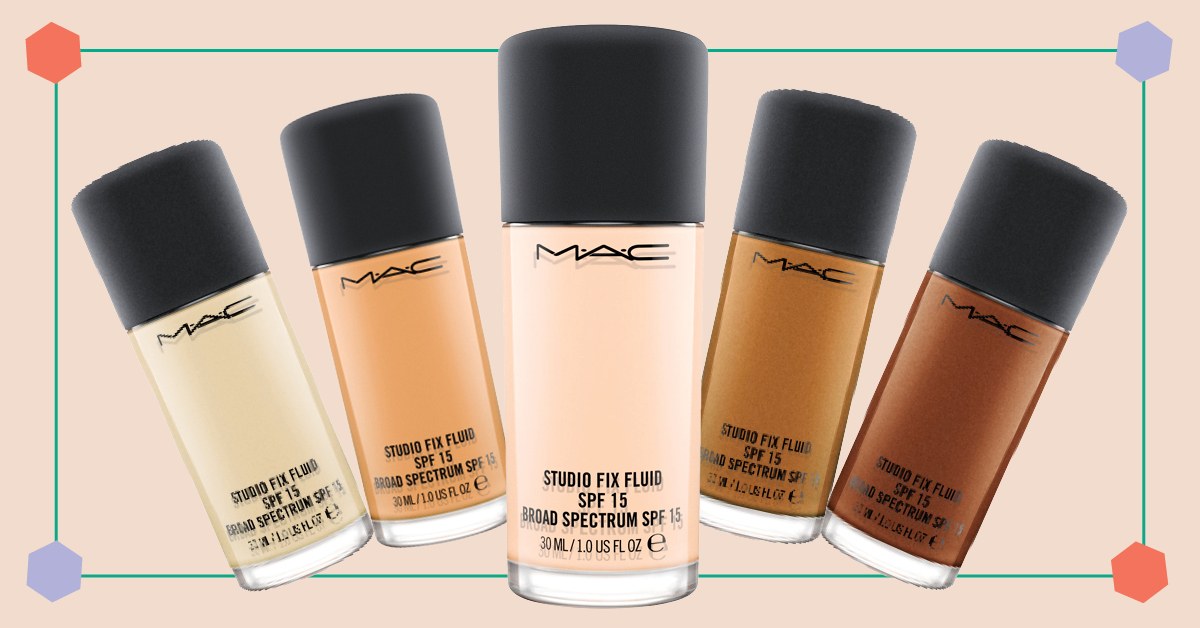
MAC Is Now Offering 60 Shades of Foundation


Not long after Rihanna debuted Fenty Beauty and its whopping assortment of 40 foundation shades, it became clear prioritizing diversity wasn’t just good for shoppers—it was good for business. Shades on both ends of spectrum that catered to skin tones previously ignored flew off shelves, and quickly, competitors followed suit. Dubbed the “Fenty Effect,” in the past year alone, Lush, CoverGirl, Maybelline, Flesh, and Dior, to name just a few, have all launched or expanded their foundation lines to include their own magic number of 40 shades.

Now, not to be outdone, MAC Cosmetics is making a big statement of its own: 60 is the new 40. Starting September 6, the brand will be offering an additional 18 shades of its best-selling Studio Fix Fluid SPF 15 foundation, bringing the total of hues up to—you guessed it—60. According to the brand, the expanded range accommodates both more skin tones and undertones.

That’s not all its adding to its roster though. The brand is upping the offerings for its entire Studio Fix line. Along with its long-wear matte foundation, MAC will now carry 53 shades of its Studio Fix Powder Plus Foundation, 33 shades of a brand-new 24-Hour Concealer, plus additional shades of its contour palettes, conceal and correct palettes, and Perfecting Powder.

The only downside to having a dizzying amount of options to choose from, is that shade matching naturally becomes more difficult. The brand has thankfully taken this into consideration and is launching a shade finder tool online.

With fashion week just around the corner too, the shade expansion comes at a pivotal time. MAC is one of the biggest makeup sponsors backstage, and as shows become increasingly more diverse, so too does the need for products that are suited for deep skin tones. Your move, RiRi.

Related Stories:
Stores Can’t Keep Fenty Beauty’s Deep Foundation Shades in Stock
This New Foundation Is Selling Out at Sephora Like Crazy
The Best Foundations for Every Skin Tone


Source link

Categories
Health

Beautyblender Is Launching Foundation, and We Tried It


The beauty world is overflowing with products that come and go, but few pass the never-leaving-my-makeup-bag test like Beautyblender’s bright pink sponge. Even through 2016’s craze for slapping on makeup with bra pads, countless copies, and that gray mold that shows up when I forget to wash it for, like, a year, I always come back to the iconic little egg. And now, after all these years of Beautyblender’s sponge going wherever my foundation travels, the brand is releasing its first dip into color cosmetics with a base product of its own.

Dubbed the Beautyblender Bounce Liquid Whip Long-Wear Foundation, the brand says it features a light texture and a velveteen matte, multidimensional finish, which means that it’s meant to look like gorgeous skin—smooth and even from a straight-on angle, but with a slight sheen when you turn your face from side to side. Like you just put on moisturizer.

Sure, that’s the general foundation ideal, but Beautyblender’s founder, Rea Ann Silva, went in with another specific mission: Nail every undertone in the medium-to-dark skin tone families, which she says are constantly unsung. A year out from Fenty’s 40-shade foundation launch, brands have started filling out the missing links. But two and a half years ago, when Silva started brainstorming the formula, that wasn’t the case. Even now she says that the undertone selection for women in the “medium plus” to dark shade range needs work, so that’s where the brand concentrated its efforts with the span of 32 foundation hues.

Real beauty goes beyond the surface—and so do we. Sign up for our newsletter to get honest reviews, personal essays, and more every day.

To that point, the Bounce ($40) comes in an almost overwhelming array of undertones. When Glamour‘s staff gathered around to find their shade, it felt like the beauty version of a Kinder surprise to see which undertone the swatch would reveal. (A heads-up: You really do have to swatch them to find your match, since from the outside, the bottles don’t give a ton of clues.) After finding their fit and test-driving the Bounce for a few days, staffers gave their feedback.

The consensus? The vegan foundation creates its own category. By and large, base makeup falls between two goalposts: sheer, light, and dewy (the tinted moisturizer side of things), or heavy, full-coverage, and matte (welcome to Instagram). Pulling off the “just right” sweet spot—one that feels light but gives full coverage with a slightly luminous finish—is a tall order, since those adjectives live at either end of this metaphorical foundation football field. But the Bounce does: “I did find a shade that worked for my cool, fair-medium, sallow skin, and it was pleasantly sheer enough not to scream, ‘Hey world, I’m wearing makeup,'” commented Glamour senior political reporter Celeste Katz. “Once my sister confirmed that it looked good, I was sold.”

Contributing editor Elizabeth Kiefer also had luck with her difficult-to-match, neutral olive skin. “Shade 16 was a perfect match for my summer skin, not too yellow or blue underneath and the right balance for my olive tone. In terms of comfort, it went on pretty easily—I applied with my fingers, not a sponge—but I needed to add a little moisturizer in order to get it to blend evenly, which meant the coverage was a tad more transparent than it might have been otherwise.” Other editors agreed, mission soundly accomplished on the undertone front. Credits editor Christina Draper said that while her match, shade 29, looked one-note in the bottle, it paired well with her medium brown skin and red undertones, which are often left off the deep-end spectrum.

If you’ve always struggled to find your 100 percent right shade, navigate directly to Beautyblender’s Sephora station. Just bear in mind three things: If you have dry skin, use a dollop of moisturizer beforehand, since the foundation covers best when your skin is a little wet. Moisture and Beautyblender products go hand-in-hand, and to that point, Silva says that the biggest mistake she sees people making is using their Beautyblenders dry. “Your mind will be blown when you finally use it wet. You use less product, your makeup will blend effortlessly, and your finish will be flawless,” she says.

And lastly, Silva says the real key is pumping the foundation fluid somewhere before putting it on, regardless of whether you’re using a sponge, brush, or finger to apply. That allows you control the amount you put on, and tailor coverage to exactly where you need it. Voilà, the foundation’s packaging comes with a built-in, Beautyblender-shaped reservoir for the mixing. If you enjoy things fitting perfectly together, it’s good for that too.

Beautyblender Bounce Liquid Whip Long-Wear Foundation, $40, available at sephora.com on July 24

Related Stories:
Lush Is Launching 40 Shades of Cruelty-Free, Vegan Foundation
Jackie Aina’s Too Faced Born This Way Foundation Shades Are Finally Here
This Translucent Powder Keeps My Face Shine-Free in 90-Degree Heat


Source link

Categories
Health

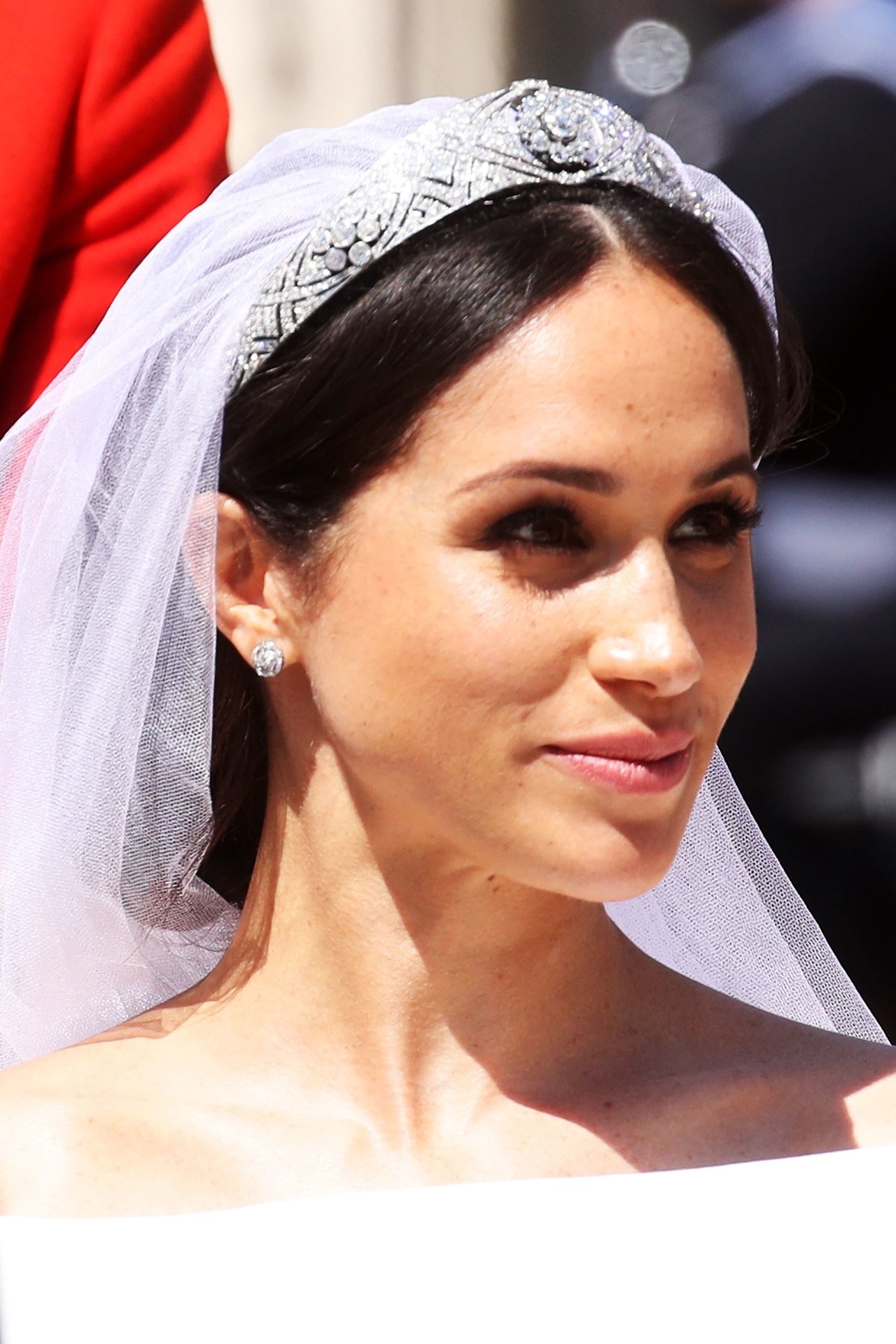
Meghan Markle’s Wedding Foundation Is Exactly as Good as It Looked


The royal wedding was just under a month ago, and news around the day’s events is somehow still coming out. But this is no minor detail we bring to you. This is big news about the most interesting part of Meghan Markle’s wedding day beauty routine: the barely-there foundation that inspired tweets and freckle-envy around the world.

Details have been hard to come by on the products that celebrity makeup artist Daniel Martin used for Meghan’s wedding makeup, which was to be expected. Buckingham Palace is notoriously tight-lipped about the royals’ beauty routines, and unlike their outfits, there’s usually no way to ID a product from afar. Yet the beauty world’s whisper network has come through. Nothing is officially confirmed, but rumor has it that Meghan’s foundation was Dior’s newest formula, the Backstage Face & Body Foundation. With the line hitting shelves today, here’s everything to know about how the $40 foundation plays.

Real beauty goes beyond the surface—and so do we. Sign up for our newsletter to get honest reviews, personal essays, and more every day.

The release comes to us as part of the brand’s new—and more affordable—sister line, Dior Backstage. Peter Phillips, the creative director of Dior Makeup, had full reign over the new line, and came up with a slate of products intended to be both high-performing and intuitive to use. These are familiar claims in the beauty world, and they’re joined by a number you’ll also recognize: The Face & Body Foundation comes in a total of 40 shades, which has become the go-to benchmark for foundation lines. Those 40 are divided between six skin undertones, including cool, cool rosy, neutral, warm, warm olive, and warm peach. The foundation is joined by two eye palettes, two brow palettes, a highlighter palette, contour palette, and lip palette, along with 14 brushes.

In case anyone’s forgotten, Meghan’s skin was the stuff that dreams and dermatological aspirations are made of. Contending with late spring weather couldn’t have been easy, but the hundreds of thousands of photos prove what everyone saw that day: Meghan’s skin was fresh, dewy, and glowing, with her freckles in full view by personal request. Incredible photo opps and gentle lighting could only do so much, and after testing the Face & Body, I feel comfortable saying this foundation must have taken her the rest of the way.

Dior describes the foundation’s finish as luminous, but it doesn’t get there in the usual hydration-packed way. Which is a good thing, because where those formulas can stay moist and slip and slide throughout the day (and glom onto your phone in the grossest way), the Face & Body has a thin, watercolor quality to it that sinks into your skin. Phillips describes it to Glamour as a film-like texture, which lends itself to layering for adjustable coverage. After moisturizing, Phillips says that he applies it with a flat brush all over, and then uses a sponge or his fingers to blend. Thin layers were crucial for avoiding a melt-down situation at the royal wedding, he says, which is solid advice; Sir John said he used a similar layering technique to create Beyoncé’s Teflon face at Coachella, and between the two of them, no greater endorsement can exist.

PHOTO: Getty Images

PHOTO: Getty Images

After testing the foundation for a week on my combination skin, I can report that I won’t be putting it down anytime soon. Going by the name and squeeze-bottle packaging, the Face & Body will likely attract comparisons to MAC’s Studio Face and Body Foundation. They’re somewhat similar, but MAC’s has a much wetter formula, where the Dior dries down quickly. My skin leans dry, and if I bring a mirror an inch away from my face, the Dior can read a little powdery. But from a conversational distance away, it has a light, evening-out effect that looks like a second skin. From Meghan’s face to my own—because why stop at copying her mouth massage, when her foundation is up for grabs?

Dior Backstage Face & Body Foundation, $40, sephora.com

Related Stories:
Meghan Markle’s Wedding Makeup Let Her Natural Beauty (and Her Freckles) Show Through
The Internet Finally Figured Out Meghan Markle’s Favorite Lipstick
Meghan Markle’s Makeup Artist Shares Every Detail of Her Royal Wedding Look

Watch a Glamour Staffer Try the Mouth Massage Meghan Markle Swears By:


Source link