Categories
Health

Face Fillers: Your Ultimate Guide to Treatments and Costs


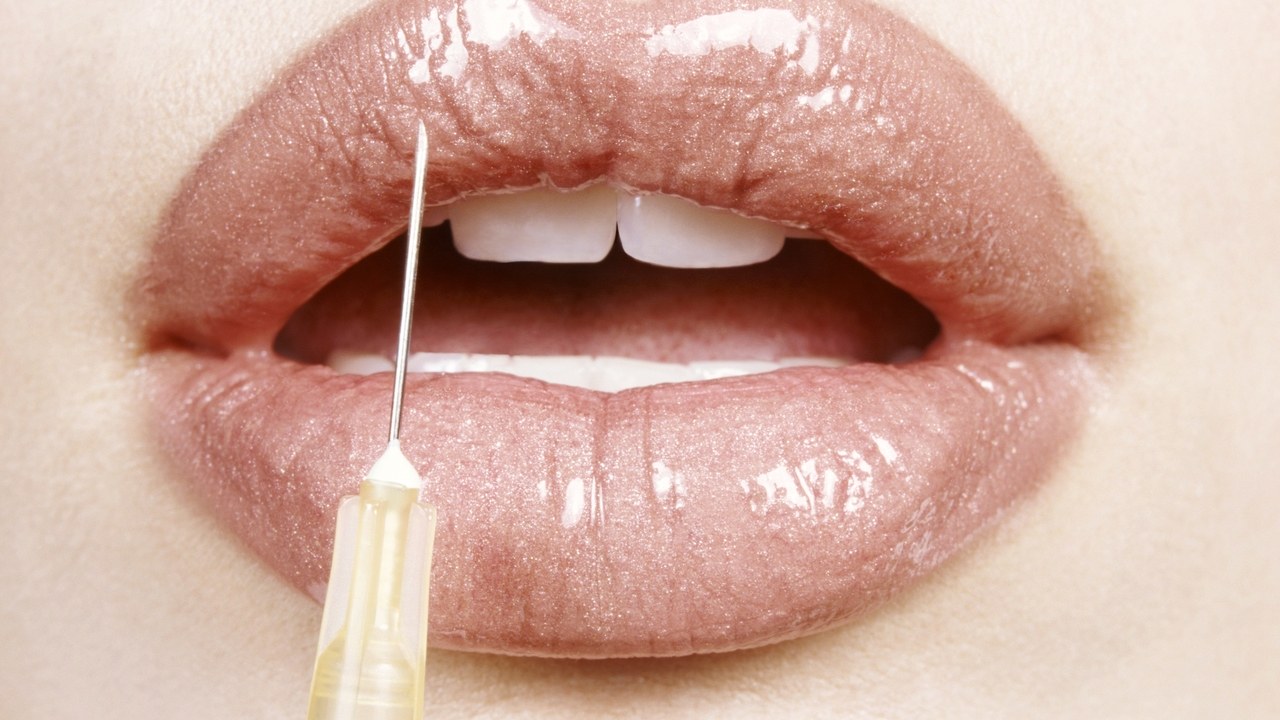
Simon Ourian, M.D., whose Beverly Hills clinic Epione is particularly popular for injectables, counts lips as one of his most-requested treatments. He estimates the average cost at $2,900 to $4,900. “Fillers can be charged by units or by area,” he says. “In my practice, we charge by area to achieve the desired look each patient wants instead of limiting them to a certain amount of units per area.” That pricing model may also be due to the fact that he compounds his own formations with FDA-approved fillers. “For a more youthful, plumped appearance, I use a combination a of hydrophilic-based fillers and a non-hydrophilic formula to create a more defined appearance for areas such as the lip boarders,” he says.

Dendy Engelman, M.D. prefers a thinner, softer product made from hyaluronic acid like Juvederm Volbella for lips. In her clinic, they charge by the syringe, so based on the amount of product you need, the starting price is typically $1,000 to $1,400. (And FYI, to get the look most influencers have, it’s typically two to three syringes, if not more.)

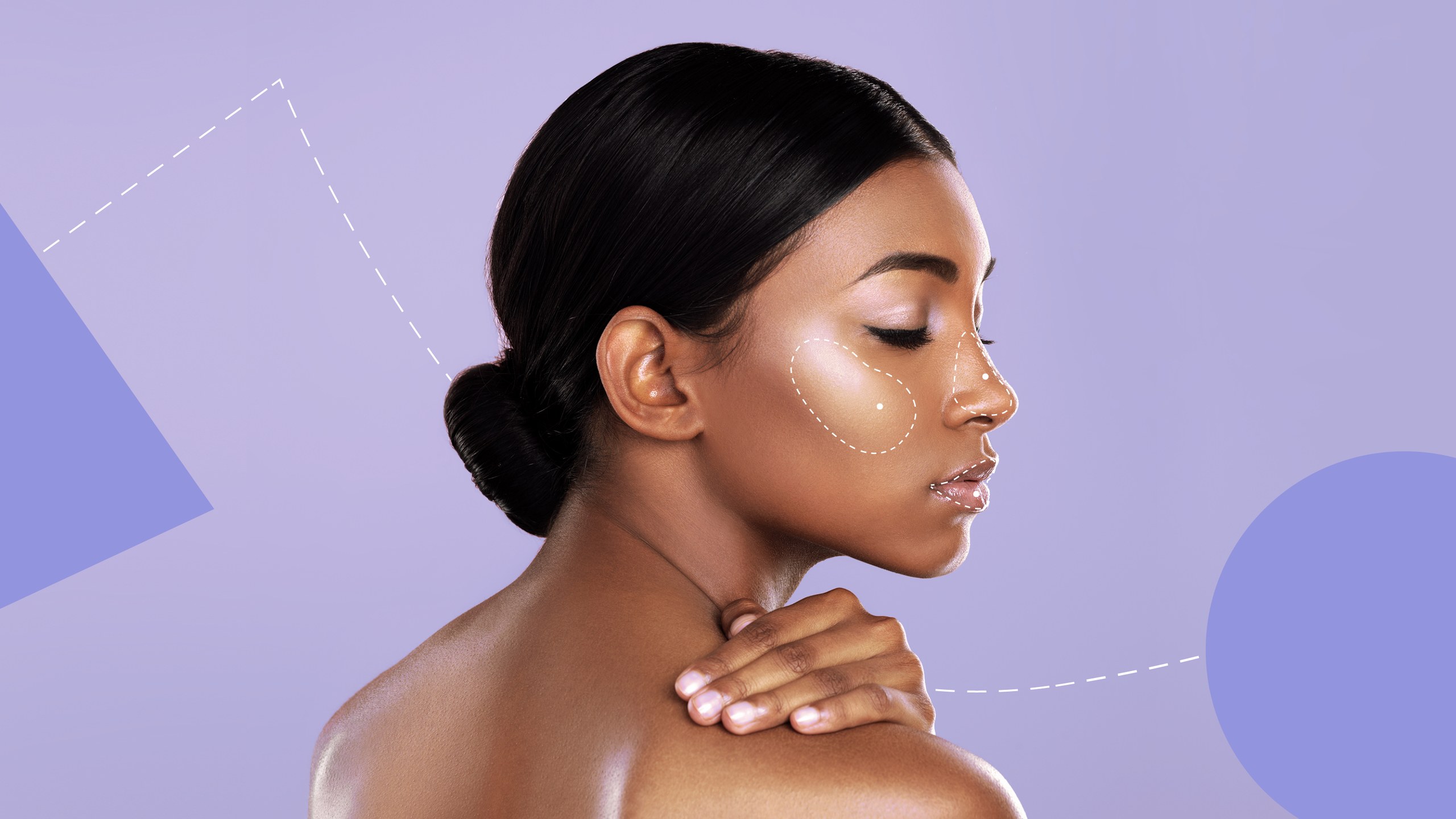
Cheeks

Want more lifted and sculpted cheekbones? There’s filler for that. But the midface is an area where you might see a cannula more commonly used than a needle. “Cannulas are blunt-tipped thin tubes used for filler placement,” says Weiser. Because they lack the sharp tip of a needle, they’re less likely to be inserted directly into a blood vessel, causing potential complications that can be as severe as blindness. “The one drawback of the cannula is that they are not quite as precise as needles so occasionally more product volume is needed, or the result may be slightly less exact than intended,” she adds. “Many experienced providers choose to use a combination of cannula for large scale injections and than a needle for the fine and more precise aspects.”

Your dermatologist or plastic surgeon will apply or inject a local anesthetic to the treated area, create an opening with a needle, and slide the cannula in. As for the technique and cost, that depends on the result you want. “The midface loses fat and structural support from the cheekbone resulting in a flattening and shadowing of your cheek,” says Weiser. “Filler can be used along the cheekbone to a more youthful contour to your cheeks.” She estimates that this type of midface injection can cost around $1,200, and typically those getting this treatment tend to be older and have already lost volume in their cheeks due to aging. But, again, if you want the “Instagram face” look, there’s also the option to contour your cheeks, creating a sharper, lifted cheekbone instead of making your midface look fuller. Expect that to start around $650.

Temples

Temples are another area of the face that will lose fat and become hollow over time, according to Weiser. You likely won’t need too much product here, but pricing also factors in complexity of treatment. “Treating a temple hollow could cost $1,500 or more,” she says. This is one of those “no-filler filler” treatments where if done correctly, it won’t look like you’ve had any work done. Currently, this isn’t an FDA-approved use, although licensed practitioners do often use injectibles off-label (like jaw Botox for teeth grinding).

Jawline

Some patients ask for jawline filler in order to compensate for loss of bone structure over time, while others simply want to sculpt a more angular profile. Ourian cites jawline contouring as the most popular treatment in his clinic. “For a chiseled appearance, I created a calcium-based and hyaluronic acid formula,” he says, estimating the cost tends range between $3,900 to $5,900. (Note again, that this is off-label use.)


Source link

Categories
Health

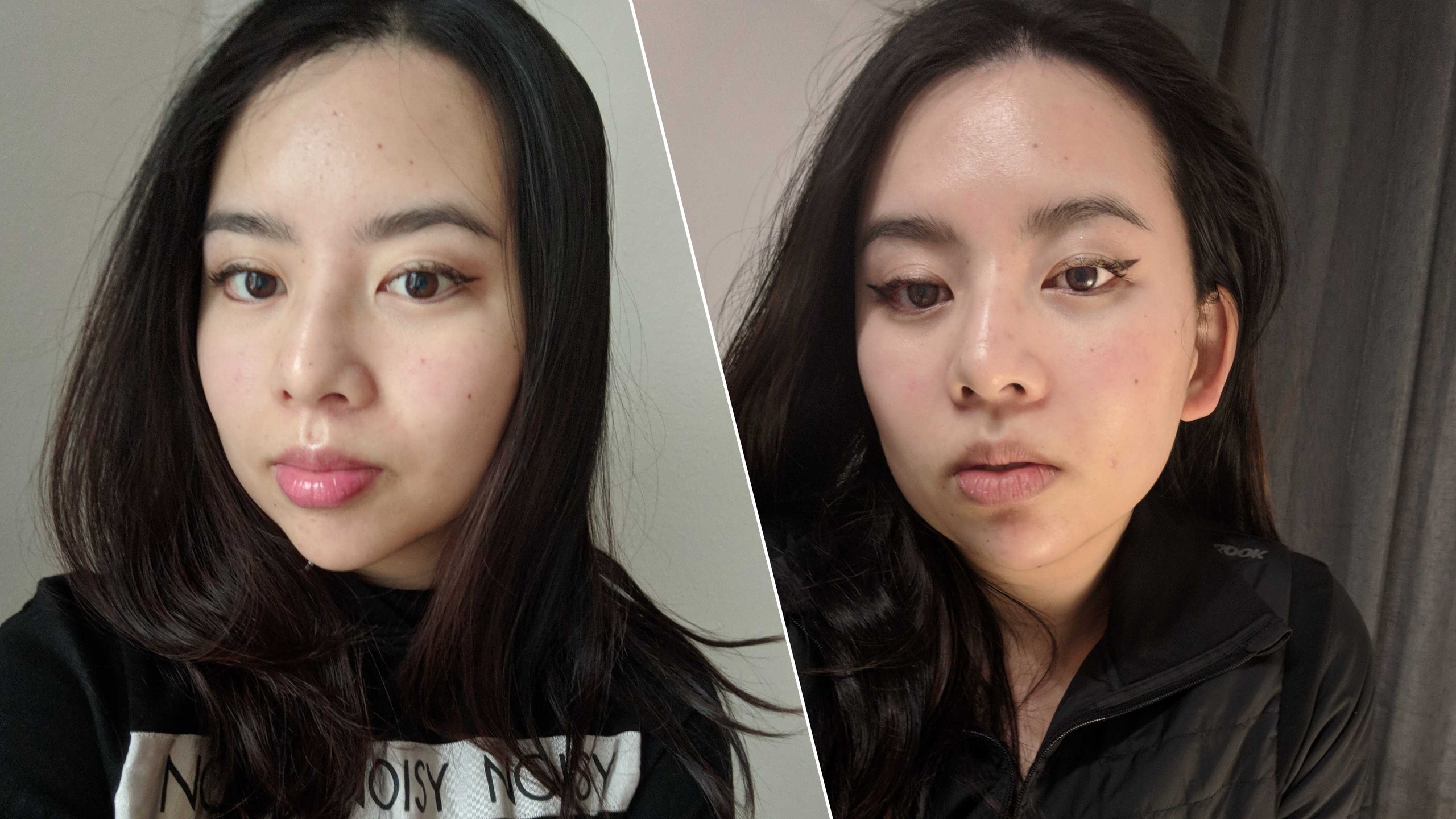
I Got Cheek Fillers for the First Time, and Here’s What It’s Like


“Getting work done” is no longer the secret it once was. But if you’re considering going under the knife or needle, you deserve to be informed. In our series, Life in Plastic, we’re breaking down everything you need to know, from injectables to invasive treatments. Choose to change your looks or don’t—the point is, the choice is yours.

Of all the appearance-altering decisions I’ve made in my life, none has been met with more judgment than my first brush with injectables. Friends who were totally on board with my permanent budget airport code tattoos (I love them to this day, if anyone is keeping track) were suddenly aghast when I uttered the words temporary cheek fillers.

Data for 2019 from Allergan suggests that there is a lot less stigma attached to medical aesthetics than there was five years ago. Maybe that’s true, but in my personal experience, telling someone you’re getting poked in the face with a needle is a surefire way to make them freak out on you. There’s a fine line between recognizing the pressures put on women’s bodies by society and assuming that doing anything to your face must stem from wanting to please men or hating yourself. Something about the words Botox and fillers seems to provoke a visceral response in people who haven’t tried it before. If I were to plot the reactions in a pie chart, half the circle would be taken up by appalled disgust and the other half would consist of some variation on the question, “Why do you think there’s something wrong with your face? You don’t need to change it.” To which I would reply with my typical modesty: “I never said there’s anything wrong with my face, this right here is perfect. I’m just trying something new for a few months.”

It’s not my intention to make light of the decision to try injectables. For starters, they’re wildly expensive and must be left in the hands of skilled professionals. If you would like to follow in my footsteps, please do your research first. In my specific case, I happen to inhabit the intersection of two rare factors: access to the best derms in the business and a working environment where I’ve observed lots of impeccably done fillers (which I can only identify because they are so openly and casually discussed among beauty editors). This might be a completely deluded perspective, but getting fillers for six months felt on par with that time I suddenly wanted (and subsequently got) bright red highlights, just for the hell of it—not because I disliked anything about my own hair color. I would love to offer up a deeper reason for going under the needle here than “I felt like it,” but that basically sums it up. I felt like it. So I did.

This is how I ended up visiting Munich one chilly spring day, where you can find the absurdly elegant offices of dermatologist and Royal Fern founder Timm Golueke, M.D. Golueke once identified that I have mild rosacea in 30 seconds flat and has a track record of giving me sound advice, so I felt great about placing the fate of my cheekbones in his capable hands.

I asked for something “quite subtle, but also noticeable,” which is the kind of infuriatingly vague request derms find it hard to deliver on. After further discussion, I got it together enough to make the clearer request of more prominent cheekbones—”a little bit sharper,” I told him. Once this was decided and he informed me that he would inject sparingly on the side that was already higher, my mid-face was treated to thick diagonal stripes of numbing cream for 10 minutes while he prepped a fresh vial of Restylane.


Source link

Categories
Health

Dermal Fillers: Your Ultimate Guide to the Types of Injectibles


Ultimately, if it sounds too affordable to be legitimate, it probably is. If in doubt, get a quote from several clinics near you. Dr. Golueke warns against injecting products without being able to trust exactly where they came from. “There’s a black market for Botox and fillers, so people get Botox and fillers which look like the original product, but they are fake,” he says. We’ve already seen the many deals floating around online, but this is one case where you should definitely stick to reputable professionals. You just don’t want to risk it.

“Board-certified dermatologists and plastic surgeons are the only providers fully trained and qualified to administer injectables,” cautions dermatologist Dr. Jessica Weiser. “It’s always appropriate for a patient to ask the provider what their training and qualifications are for providing the suggested treatments.”

The consultation should cover a few key things.

We’ve all seen cases of objectively bad injectables. Beyond going to a board-certified expert, it’s always a good idea to make sure you and your derm (or surgeon) are on the same page about what you’re trying to achieve. And in some cases, you might be told that what you’re trying to achieve isn’t possible. While you can do a lot with injectables, they still need to work with the proportions of your features and it’s possible to over-enhance them. Dr. Weiser recommends going for a gradual approach and adding more if needed.

Dr. Golueke adds that you should also feel comfortable about changing your mind. “If you’re unsure, no real, serious doctor would mind if said you needed to think about it,” he says. “If you don’t feel like doing it, don’t do it.” If you do, make sure you take this time to get any remaining questions or concerns addressed. “The doctor may ask you if you have had any adverse reactions to past injections, how long ago the last injection was, if you are taking any medications—those are all important,” he says.

Smoothing wrinkles is just one of many options.

People typically think of injectables as a treatment for wrinkles and fine lines, but there are many other reasons why someone might get them. Dr. Weiser tells us that her most frequent requests used to come from women, typically ages 40 and over. Now, she’s seeing a dramatic increase in their use in patients from 20 to 40 years old, “primarily neuromodulators to reduce lines, but also dermal fillers to soften under-eye hollows, lift cheekbones, and enhance lips.”

You may have heard the phrase “off-label” before, which Dr. Weiser defines as “using products for unapproved indications.” Injectables go through clinical trials for safety, but they’re not technically approved for their full range of popular uses. For instance, the brand Botox is the only neuromodulator approved for use in your forehead and around your eyes, but brands like Dysport and Xeomin are routinely used there, too. Off-label uses for neuromodulators include injecting them into the masseter muscle at the back of your jaw (to lessen clenching and narrow your lower face), on neck bands (to relax them), and in the central jaw (to keep the corners of your mouth from pulling down).

Filler has even more uses. Dr. Weiser sees the most requests around the midface (to define and raise cheekbones), along the nasolabial folds (to soften frown lines), and in lips (to plump them or just to smooth the surface). “Many off-label uses include the hollow under the eyes, the temples, the jawline, and liquid rhinoplasty to finesse the appearance of the nose,” she adds.

In comparison, Kybella is pretty straightforward. It’s approved on-label for melting excess fat under your chin, but derms may also use it off-label in other “small stubborn pockets of fat.”

Pain is usually “minimal.”

Whenever we’ve brought up the topic in the past, we’ve seen many people flinch at the idea of a huge needle approaching their faces. It can be disconcerting, but it shouldn’t hurt. Dr. Weiser classifies the feeling as “minimal pain.” Dr. Golueke likens the feeling of neuromodulators to “a pinch, similar to when your blood is taken.” Dermal fillers are a step up, but your derm or surgeon will offer a numbing cream before treatment to reduce the insertion pain. Your doctor might also cool the area. According to Dr. Golueke, the two more painful filler areas on the face are the nasolabial fold and the lips. As for Kybella injections, Dr. Weiser says they will sting intensely, but that can be lessened with lidocaine injections and ice packs.

Recovery time is relatively short.

There’s a reason so many patients opt for minimally invasive treatments; they offer fast results and very little downtime. If you get Botox, you might see small pink dots immediately after treatment, but they should go away with 10 to 15 minutes. Dr. Golueke notes that you might see minor bruising in certain instances, but it fades in five to seven days.

Filler does cause swelling and bruising, but it lasts no more than a few days (and can even go away within hours, although you probably shouldn’t make any plans day of). Sensitive tissues will probably swell more—your lips, for instance. Dr. Weiser warns that if swelling doesn’t go away within a few days, you should call your doctor.


Source link

Categories
Health

Yolanda Hadid Just Revealed She's Done With Fillers and Botox


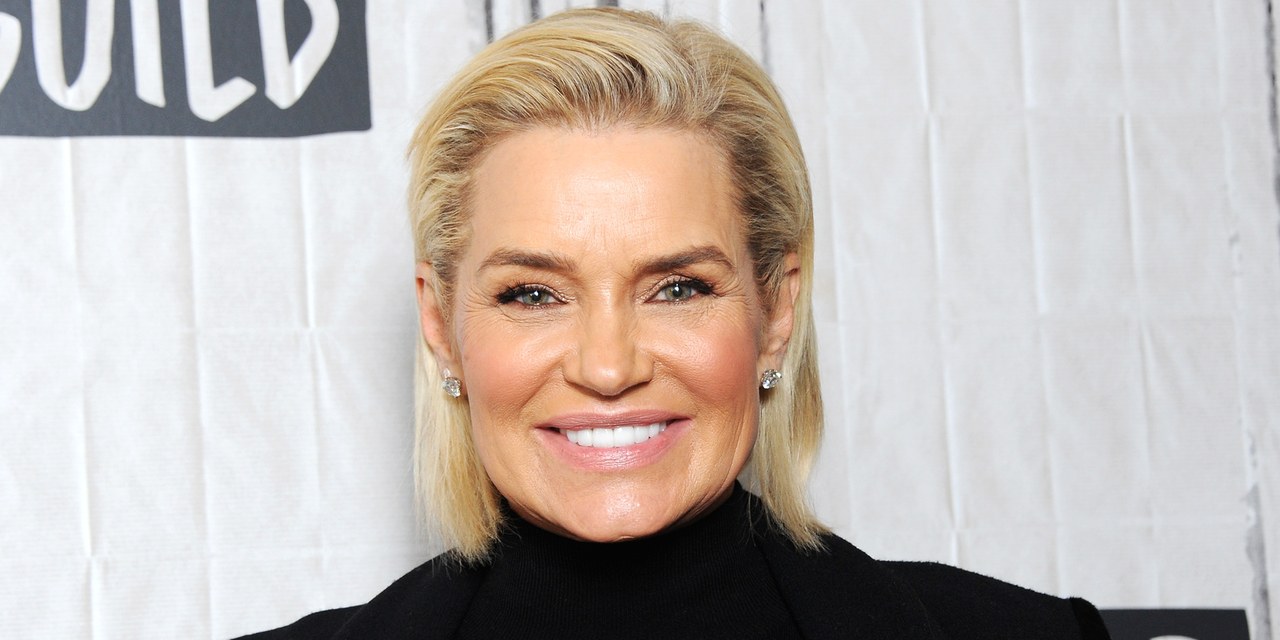
There’s really no question that Yolanda Hadid is a stunningly beautiful woman—and a quick look at any of the throwback photos her famous daughters Gigi and Bella post of her prove that it’s always been that way. But pictures, of course, don’t tell a woman’s entire story. During her time on The Real Housewives of Beverly Hills, viewers learned about Hadid’s health struggles with Lyme disease, and she has continued to document her journey on social media.

And her latest Instagram post is one of her most personal and revealing yet. On the heels of her birthday (January 11) Hadid reveals that, at 55, she’s now removed the breast implants, fillers, Botox, and extensions she felt pressured to get to keep up appearances. Or as she puts it, the things she “thought I needed in order to keep up with what society conditioned me to believe what a sexy woman should look like.” She goes on to stress the importance of health and making educated decisions about what you choose to do to and with your body, which is pretty sage advice in general.

“It took me many years of undoing some bad choices I made for myself before I finally found the freedom to sustainable internal beauty and acceptance of what is the best version of myself by no standards but my own,” she said. “It’s on us to learn to love our selves and celebrate our unique, one of a kind beauty at all ages as we move through this journey called ‘life.’ Beauty has no meaning without your health.”

Hadid has spoken about her decisions to get stop getting injectables before, and she famously had her breast implants removed on an episode of Real Housewives back in 2016. Back then, she said she’d found out that she had silicone from the implants floating in her body. “Your health is your wealth so please make educated decisions, research the partial information you’re given by our broken system before putting anything foreign in your body,” she continued.

Keep doing you, Yolanda. Here’s to a healthy and happy new year ahead.

Related Stories:
Kylie Jenner Reveals She Got Rid of Her Lip Filler
Chrissy Teigen Shut Down Someone Who Said She Looked Better ‘Before the Fillers’
9 Things I Wish I’d Known Before Getting Lip Injections


Source link