Categories
Health

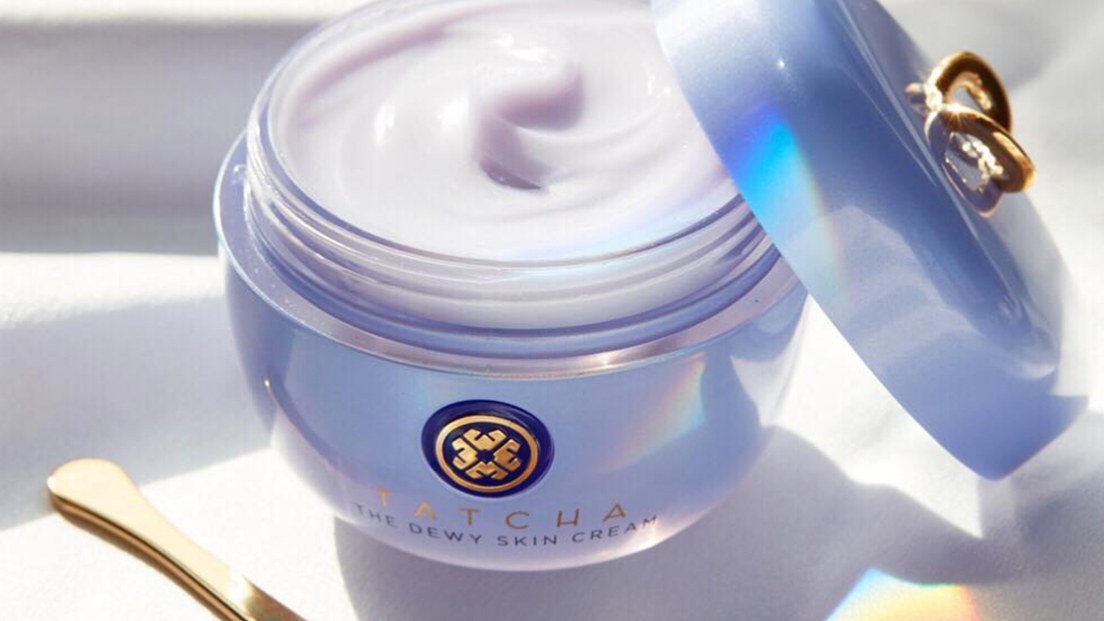
Tatcha The Dewy Skin Cream Is the Best Moisturizer for Glowing Skin


There’s no shortage of material possessions that spark joy for me: sweatpants that qualify as daywear, croissants of every variety, and $435 LED face masks that double as Instagram props. Moisturizers, even the very best ones, rank somewhere near the bottom of this list. I need them in my life, but they’re just not that exciting. The most effusive I’ll ever be about a face cream is to say that it does its job without any additional bells and whistles. I have a soft spot for one $23 version you can pick up at Target in the baby aisle. It hydrates and soothes, and it doesn’t pretend to have powers beyond those simple tasks. I leave the brightening, plumping, glow-boosting work to flashier things—like power ingredients-packed serums or resurfacing acid peels.

I would be lying if I said I changed my mind when every beauty editor I knew began raving about Tatcha’s Dewy Skin Cream. Look, I love Tatcha—the brand has inspired me to set exceedingly high standards for my blotting sheets (if it’s not flecked with gold leaf, why are you even telling me about it?) and body lotions (you mean it’s not infused with indigo and won’t leave me smelling like the spa? Pass). But, it was a moisturizer. How life-changing could a moisturizer possibly be? Even the knowledge that it was inspired by Mario Dedivanovic (Kim Kardashian’s makeup artist) and would reportedly give my complexion the texture of a “freshly steamed dumpling” elicited no more than a feeble eyebrow raise at first.

Then, one recent Sunday evening, I really did everything you can possibly do wrong for the general wellbeing of your complexion. In my defense, if you’re going to pour me a well-chilled glass of white wine and plop a pint of Ben and Jerry’s Half Baked ice cream in front of me, I’m not going to be act like they’re not there. One fantastic dinner party and way too much sugar and alcohol later, I climbed into bed somewhere around 1:30 A.M., too lazy to go through my usual, meticulous skin care ritual. (I did still remove my makeup, though. I mean, I have some standards.)

I woke the following day with a strong suspicion that my face had taken on the flattering gray pallor of a corpse. Four hours of early morning German grammar drills did nothing to help that situation. With each repetition of the Konjunktiv II Vergangenheit form, I could distinctly sense another piece of my soul exiting my body—and another sign of life leaving my face. By the time I got home, drastic measures clearly needed to be taken. Hobbling into my room, I suddenly spied a previously forgotten pot of Dewy Skin Cream hanging out under my bed (this job comes with certain perks) and recalled all the fervent, steamed dumpling praise it had inspired. It seemed like the perfect opportunity to put those claims to the test.

This is the part where I admit that everyone was correct and I now feel as though I’ve spent my entire life being lied to about the true potential of face cream. The formula is packed with purple rice bran, which does way more than lend the contents a charming lilac hue. The ingredient is rich in anthocyanin, an antioxidant that helps your complexion recover from stress and pollution. Other botanical extracts, like algae, thyme, and marjoram are added to intensely hydrate, reinforce your skin barrier, and retain more water. There’s also ginseng, which contains the same amino acids found in collagen.

Apparently, when you mix this up—and sprinkle in whatever magic Tatcha adds at the end—you get the first moisturizer that has ever made an instant, dramatically noticeable difference to my face. This is not one you have to use patiently for many days and nights in a row to reap the rewards, although you certainly could. And unlike some other products that are billed as “glowy,” it doesn’t contain microshimmers or light-reflecting particles to accomplish any of these results. I pat it on, my face drinks it in, and then I simply look better. Shadows recede, signs of life come flooding back, and my skin takes on a freshly-watered, luminous quality. It’s truly miraculous.

Source link

Categories
Health

This $12 Scar Cream From Amazon Saved My Skin After a Facial Gone Wrong


About a month ago I had a really wonderful facial that suddenly took a very dark turn. After a thorough consultation and what was perhaps the best face massage of my life, my aesthetician moved on to extractions. Now, extractions are never fun, but these were particularly painful because of congestion and an under-the-surface breakout on my forehead that required a lot of picking and squeezing.

I wasn’t surprised to have quite a bit of discomfort, but I was surprised by what felt like a needle (I had my eyes closed the whole time and my brain was in spa mode, so I wasn’t paying attention) picking and slicing at a milia (hardened pus trapped below the skin—very chic) close to my left eye. I left my facial with the glow I was promised, but I was also covered in red spots, the biggest being a dark wound where the milia was extracted.

I tried not to cry while tipping my aesthetician, and immediately canceled my plans for the evening. As soon as got home, I wiped away my tears and buried myself in research on what to do to fix this mess.

The damage before using Hiruscar

Bella Cacciatore

If it seems like I’m being a touch dramatic, let me give you some background. For some reason, my skin is a delicate flower that holds on to redness—like the temporary one you get after a facial—for years. I’ve been told by my dermatologist that this is postinflammatory hyperpigmentation, not scarring. But still, it’ll linger. At 22, I’m still working on marks I have from high school breakouts. That’s why I wasn’t thrilled to have a large wound right by my eye, which was all but guaranteed to become a red spot.

Deep in the comments section of one of my favorite sites, I came across a scar ointment from Thailand called Hiruscar. The reviews convinced me this could fix my problem, but to be safe I cross-checked with some other sites. MakeupAlley? Glowing reviews. Amazon? Tons of five stars. I’ve never clicked one-step checkout so fast.

Two days later (bless Amazon Prime in these situations), the tiny tube arrived at my doorstep. Hiruscar is a clear gel that has a very slight oniony smell (more on that in a second) and absorbs quickly. It’s not greasy or oily. For the best results, the brand recommends using it three times a day, but I’ve only been using it once.

According to Hiruscar’s website, the gel’s healing powers come from its six key ingredients. That onion smell I mentioned? It can be attributed to allium, a compound found in garlic (remember when Instagram had us rubbing garlic on pimples?) that has microbial properties that can help reduce redness in inflamed skin. Hiruscar also has aloe and vitamin E, which are well-loved for their healing and redness-reducing properties; vitamin B3, which hydrates and can improve skin elasticity; allantoin, which provides moisture and helps with cell turnover; and mucopolysaccharide polysulphate (MPS), an anti-inflammatory compound.

That was about a month ago. I’ve been applying the gel on the spot on my eye once a day, every day, and it has all but vanished. I first noticed it lighten after about a week of using Hiruscar. It’s still a little pink, but that’s still much less noticeable than my usual postblemish pigment. I’ve started using the gel on some older spots on my cheeks, in conjunction with my usual acid regimen, and have noticed a bit of lightening—nothing too dramatic, but I’ll happily take all the help I can get.


Source link

Categories
Health

The Difference Between Foundation, Tinted Moisturizer, BB Cream, and More


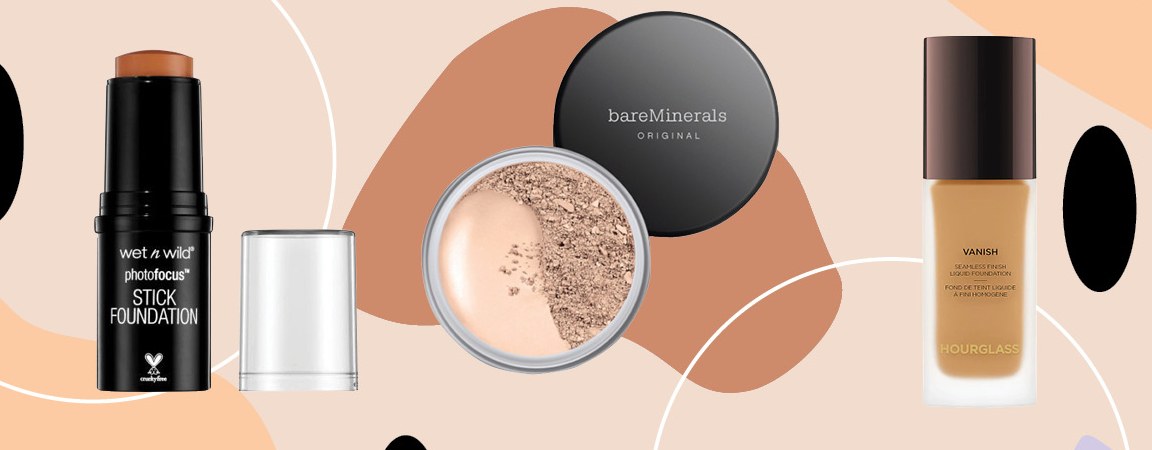
Base makeup used to be simple. You had you choice of foundation, tinted moisturizer, and powder. Call it the Instagram effect, but skin is in, and in the past few years complexion products have really taken off leaving us with more options than ever—maybe too many options. Among all the liquids, creams, sticks, and tints, narrowing down what formula works best is overwhelming. And that’s not even taking shade range in account. On the plus side, all these options means more of a chance of nailing down the exact coverage and finish you’re after. To help break down the difference between a CC, BB, cushion, and more, we asked celebrity makeup artist Andrew Sotomayor to spill his knowledge. Read on to get the basics on bases.


Source link

Categories
Health

Drunk Elephant's Retinol Cream Doesn't Irritate My Sensitive Skin – Review


Not to brag, but my skin is the best it’s ever been in my life. I credit that 100 percent to a round of accutane I embarked on last year. The medication worked wonders on knocking out my constant hormonal acne, and for the first time since middle school I feel comfortable leaving the house without makeup.

Before that, though, the only time my skin had ever been remotely as good as it is now was when my derm prescribed me a topical retinol in hopes of wiping out my acne without resorting to the medication (spoiler: it didn’t). Retinols are the gold standard for treating both wrinkles and acne, as they help accelerate skin regeneration and stimulate collagen.

While the retinol didn’t work for me to fight off cysts, it did wonders on fading the pigmentation old breakouts had left behind. My skin was evening out and my pores looked smaller, and I got a glimpse of what life could be like with “good” skin.

Flash forward to this summer, post Accutane. I had no active breakouts, but my skin was riddled with scarring, particularly on my left cheek where I had an explosion of breakouts. My face was also extra sensitive, as Accutane is notorious for drying out your skin. In hopes of lightening the damage, I reached for my trusty retinol. Disaster stuck. Even easing myself in (derms recommend using it once a week and slowly building up to everyday use), my skin wasn’t having it. It was red, dry, irritated and peeling, even in the middle of the sticky New York summer.

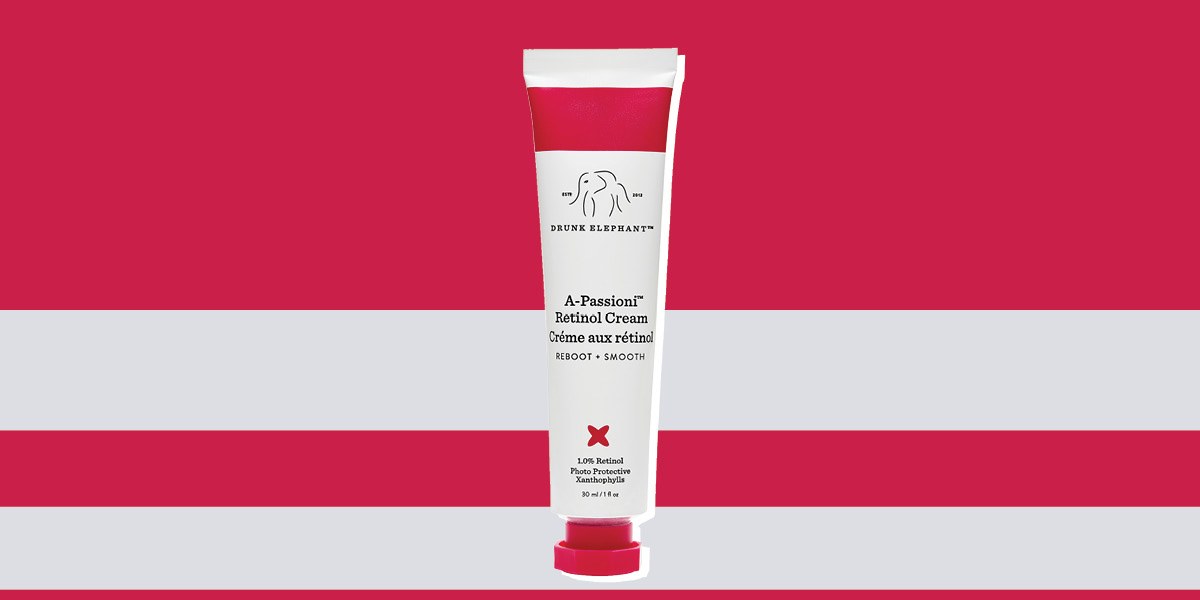
I swore to myself I would never reach for a heavy-duty retinol again—until the Drunk Elephant’s new A-Passioni 1% Retinol showed up on my desk. Like the rest of the Internet, I’m steadily becoming a convert for the cult of DE. The brand’s Vitamin C Serum and D-Bronzi Serum are everything, and people swear by the line’s efficacious yet gentle formulas. Given that, it’s no surprise why Reddit threads and beauty bloggers have been freaking out about the brand’s foray into retinol, which officially lands in-store at Sephora today.

Even still, it took the ingredients label to convince me it’d be gentle enough on my skin. It’s got the obvious—vitamin A—which does come in a more potent 1% formula than some of the more lower-strength 0.5% options. But that’s offset with additives like nourishing kale and winter cherry, skin-strengthening peptides, and marula and jojoba oils to help prevent any peeling that comes from retinol. It’s also a vegan, plant-based formula, which Dr. Zeichner, Director of Cosmetic and Clinical Research Department of Dermatology at Mount Sinai Hospital, says are becoming increasingly popular for the fact that they’re less likely to irritate your skin.

I’ve only been using it one to three times a week—depending on how my skin is feeling—for the past month, and I’ve definitely noticed a change in the appearance of my skin. My pores are more refined and my skin looks more even, and if I do say so myself, I’m glowing. The creamy texture goes on so nicely (it almost feels oily, in a good way), which I’m sure is thanks to all the hydrating ingredients in the formula.

The most exciting thing is the pigmentation from all my acne scars is starting to lighten and my tone is looking more even all over. Oh, and not only that, I’ve had no zero irritation, redness, or dryness.

That said, it might not knock out breakouts entirely for you at first. I’ve still gotten a few spots on my cheeks and chin. I consulted Dr. Zeichner, and he said it’s normal for some people to get new breakouts after starting a retinol routine because the ingredient causes your skin to purge itself of any blockage in your pores. The best results for most retinol regimens are seen after six weeks of use. And if it is too harsh for you at first, the brand says you can mix small amount with other products (like a hydrating moisturizer) to help temper the effects. (You can read more on “retinol buffering” here.)

Until then, I’m going to keep putting this to the test to see if I can fade my scars for good, but for now I’ll be enjoying the glow.

Drunk Elephant A-Passioni 1.0% Retinol Cream, $74, sephora.com

Related Stories:
My Face Hated Retinol Until I Discovered This ‘Buffering’ Trick
7 Skin Care Ingredients You’re Not Using But Should
All Your Questions on Retinol, Answered


Source link

Categories
Health

Ellis Faas Creamy Eyes Is the Best Cream Eyeshadow I've Ever Used


Liquid eyeshadow is one of those products that always looks so promising in its packaging. That dewy texture whispers, “Try me—I’ll coat your eyelids with the otherworldly gleam of an angel’s halo.” But then, I pat it on and inevitably find myself disappointed. Sometimes, the color creases within a couple of hours, migrating around my eyes in sad trickles of shimmery pigment. Or, the rich shade in the tube turns into a disappointingly patchy echo of color when it meets my face. Mattes, shimmers, glitters—I’ve tried them all and come to the conclusion that this is one product that tends to look better the further away it is from you.

There is one glowing exception to the rule, which I’ve hesitated to tell people about for two reasons. First, it’s not the most affordable option around; the matte formulas are $34 a pop, while the glitters retail at $39. If you thought Lidstar was on the verge of being too expensive, then you’ll probably have some reservations about this price tag. There’s also the question of the delivery system. In its previous iteration, it featured a twist-up brush that spewed out a bit too much product every time. I loved it so much that I forgave it anyway, scooping up the excess product and carefully storing it in the tiny jars I formerly used to preserve my custom-mixed oil paints. Would everyone else want to do this too, though? Doubtful.

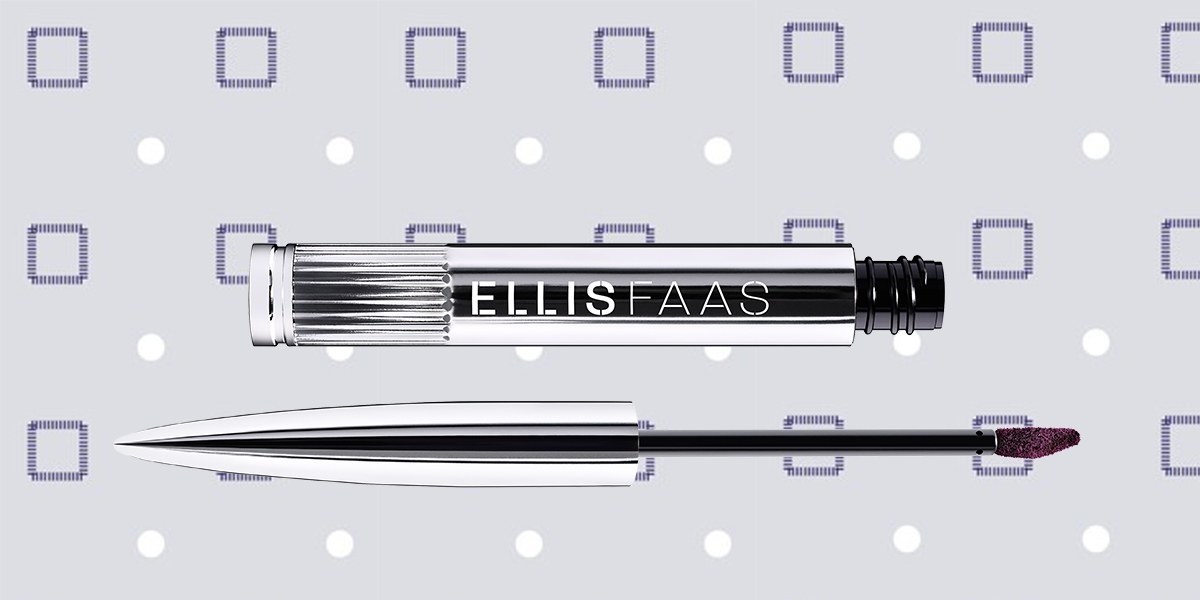
Happily, Ellis Faas (the brand in question) announced a surprise re-design this month. This means I can finally tell you—with zero reservations—that these are worth every penny of their price tag. The update features a precise doe-foot applicator that allows you to spread the shadows on your lids like a gloss, then blend them out with your finger. There’s no wasted product, and I now have greater control over exactly where the formula goes.

As excited as I am about the makeover, it’s not the real reason why I believe these are the best liquid eyeshadows ever created. It’s the shade selection and formula that will win your heart over. I know the colors might not look particularly special upon first glance. The browns and purples and blues seem like shades you already own, and maybe they don’t thrill you straight out of the pen. But, I’m telling you, magic happens when you apply them.

Gently dab a few dots on each eyelid—you only need the tiniest touch of product. Then, take your ringer finger and diffuse the color. You’ll find that the formula seems to evaporate into thin air as you pat it in. Once you’re satisfied with the results, stop smudging and smearing it, and it dries down instantly. Unlike most liquid shadows, I can’t feel this on my lids at all once it sets; the texture goes from wet to fully dry in seconds and doesn’t budge for the rest of the day (even if I neglect to use primer).

The results? Incomparable. Faas is an iconic makeup artist and her instinctive understanding of skin tone, light, and shadow shows in every shade. Because no matter how unwearable they may appear when swatched as thick coats of color, they’re unbelievably flattering once you actually apply them. I particularly love the mattes in Creamy Eyes E114 (Bordeaux Red), E118 (Light Blue), and E125 (Khaki Green). E125 in particular transforms into the prettiest veil of moody green—the olive-tinged smoky eye of my dreams, the one I have only ever been able to create with one of these pens.

You’ll probably accuse me of exaggerating when I say this, but the glitters are even better. Ellis Faas calls them Lights, and they come gliding out of the pen like molten rivers of metal. Yet, they dry down to that same, featherweight finish—no gritty glitter particles, no sticky remnants to be found. They’re beautiful alone, but I love pairing them with the Creamy Eyes shades to create layers of dimension. (The bronzed E303 pairs perfectly with E125, try it.) Worn together, they give my eyes the hazy sfumato effect of a da Vinci painting. Yes, I am saying that these shadows will turn you into a work of Renaissance art. It’s something you just need to discover for yourself—thank me later.

Ellis Faas Creamy Eyes, $34, ellisfaas.com; Ellis Faas Lights, $39, ellisfaas.com

Related Stories:
My Eyeshadow Wouldn’t Last an Hour Without Fenty’s New Primer
Yeah, Glossier’s New Eyeshadow Is Worth the Hype
People Stop Me to Compliment This Gel Glitter Eyeshadow


Source link

Categories
Health

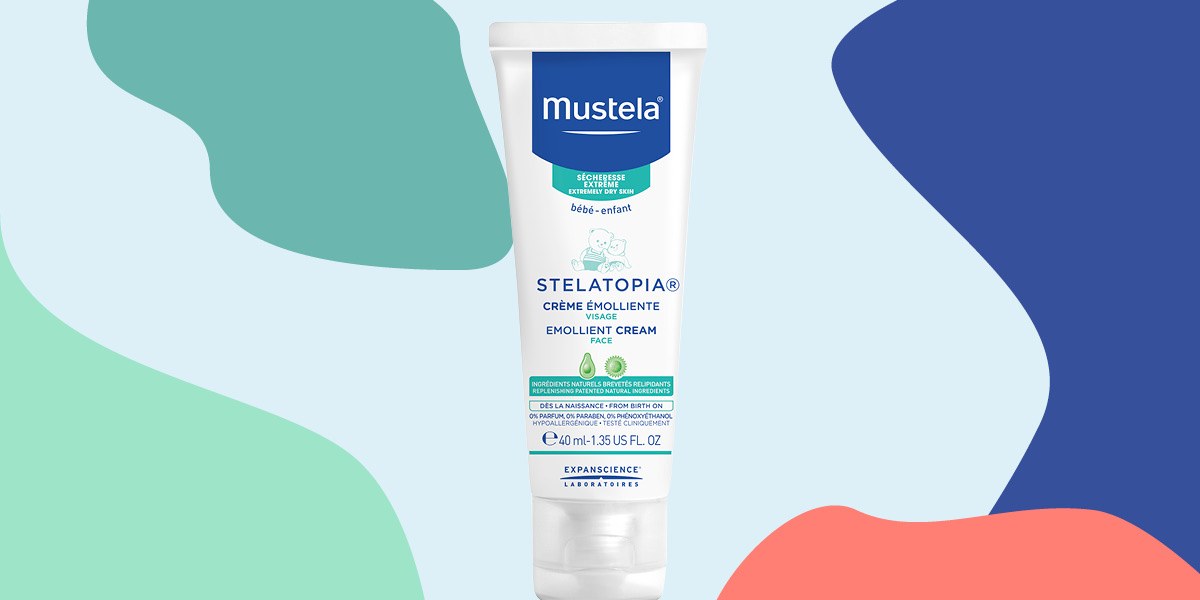
Mustela Stelatopia Emollient Cream is the Best Drugstore Moisturizer for Dry Winter Skin


In the summer, my face is an oil slick—or as kinder souls have put it, “so glowy!” Then, one day, fall turns to winter and severe dry patches begin appearing beneath my eyes and around my nose. It happens every year, like clockwork.

In the past, this signaled a mad scramble to find any solution that actually worked. Back before I knew better, I tried the multi-pronged layering approach, sandwiching serums between face mists and ointments and salves while muttering under my breath about the complexities of my skin’s love language. This fixed the problem to some extent, but it also meant going to bed with my face marinating under an inch of greasy product (woe to my pillowcases if I happen to turn over in my sleep). It was also totally out of the question for my morning routine—if a tiny gust of wind blew so much as a stray leaf my way, I was done for.

It took a few years of trial and error, but eventually, I discovered a far easier, smarter option. And I will happily reveal it to you now because it only requires that you make a trip to your nearest Target (where you’re probably already planning to go for snacks, holiday decorations, and more things than you can carry anyway). Once you enter, walk toward the skin care aisle and then keep on moving; what you want isn’t located here. Instead, set your sights on the baby section, where you’ll find a few shelves stocked with my holy grail French skin care brand, Mustela.

Mustela is a line geared toward those between the stages of newborn and toddler; the products are all tested on a patented baby epidermal model (please do not ask me what this means, but I know that no actual baby faces are involved in the process) and evaluated by a third-party toxicologist to ensure safety. I’m not exactly in that target audience, but the products work fine on adults as well—just consider them a great choice for sensitive skin. Everything I’ve tried from them has been incredibly effective, even when my face is at its most dry and inflamed. The Hydra-Stick with Cold Cream is my faithful plane companion—a creamy, comforting block that pulls double duty as lip balm and moisturizer. The Cleansing Wipes never leave my face feeling stripped or overly dry. And the tiniest bit of 1 2 3 Vitamin Barrier Cream under my nose saves me every allergy season, when my skin becomes chapped and red otherwise.

The one I go back to again and again, though, is the giant tube of Stelatopia cream, which I slather on generously. (For $23, I can afford to apply liberally.) I dispense a pea-sized amount in my palm morning and night and pat it into my skin. Sometimes I combine it with a serum if I’m in need of a brightening or firming boost, but often I wear it alone, content to let it work its magic without any extra frills.

While the formula doesn’t feature the kind of plush, rich texture I’m used to from ultra-nourishing creams, it more than makes up for the lack of sensorial experience with its restorative properties. The lotion comes out fluid and light, sinking into my skin almost instantly and leaving no residue behind. As soon as it meets a dry patch, I can almost feel my face sighing in relief. There are formulas that hydrate and formulas that heal—this does both, which makes sense as it’s designed for eczema-prone complexions. This is thanks to avocado perseose (a new-gen biomimetic—essentially, a patented ingredient that mimics the skin’s barrier function) and sunflower oil distillate, the two key actives in the ingredients list.

“They work together to reinforce the skin barrier, maintain moisture, and minimize water loss,” says FAAD Associate Professor of Pediatric Dermatology, Latanya T. Benjamin, MD. To break that down further: Your skin barrier keeps pollutants out and the good stuff in. When it’s compromised (whether by the elements or by other culprits like too much exfoliation), your skin easily becomes dry and irritated. Ceramides are a lipid that form this barrier, so naturally, you want more of them. Similarly, sunflower oil distillate also helps replenish your lipids and reduce inflammation at the same time. Together, they do everything I was looking for in those 8 layers of product I formerly buried myself in. If I could add these two ingredients to everything I use between November and April, I would. Then again, I really only need this single tube.

Mustela Stelatopia Emollient Cream, $23, target.com

Related Stories:
All the Natural Skin Care Products I Use to Fight Dry Skin in the Winter
6 Annoying Winter Skin Issues—Solved
The No-Frills Face Cream That Tackles the Toughest Dry Spots


Source link