Categories
Health

I Got a HydraFacial and It Totally Changed My Skin


A few months ago, I met a friend for dinner. “Your skin looks amazing,” I said, leaning closer. It looked radiant and freakishly smooth, like that of J.Lo at two months old.

“I got the HydraFacial,” she replied.

I was sold on the spot. What also intrigued me was that it doesn’t hurt. My pain threshold is lower than the Mariana Trench. (I whined for a full half hour after getting the flu shot.) You’re not going to find me signing up for a fractionated laser session anytime soon, which is why a treatment that could deliver results without me breaking into a cold sweat has obvious appeal. Where do I sign up?

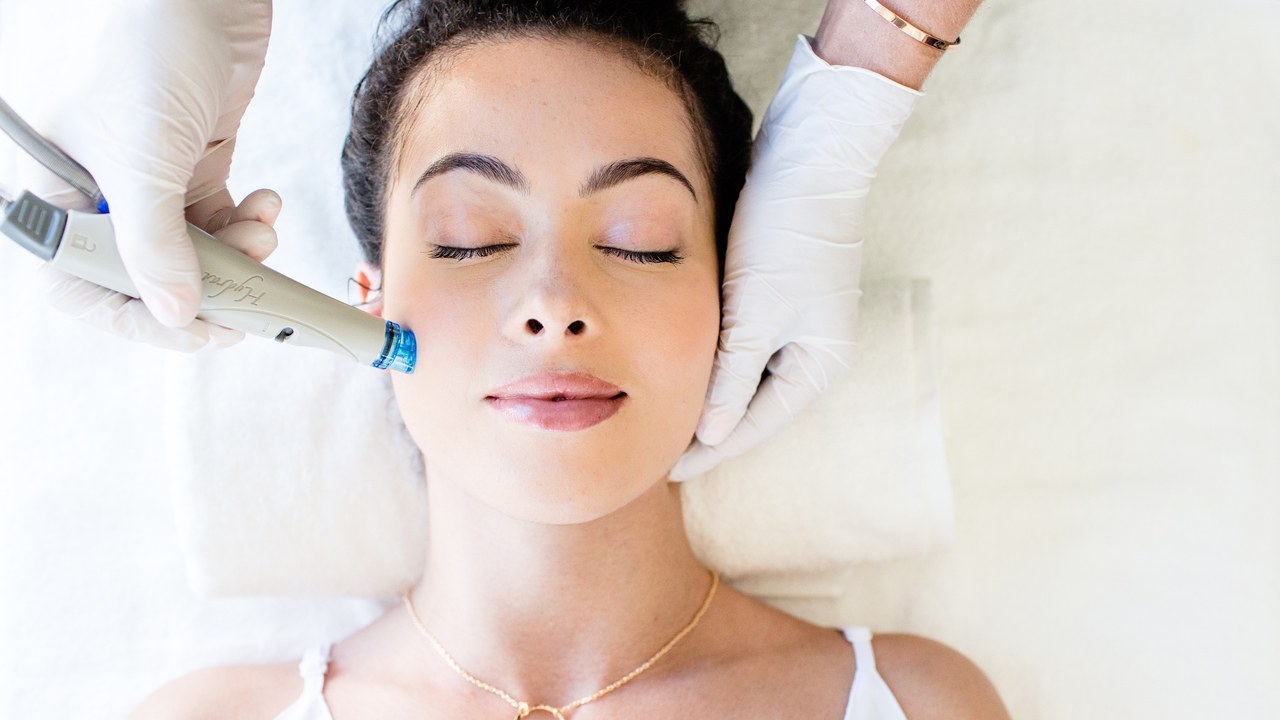
For those unfamiliar, the HydraFacial is essentially a peel, microdermabrasion, and hydrating mask in one. But unlike the facials an aesthetician would usually perform by hand, it’s done using a medical-grade device that pulls debris out of your pores, while also moisturizing and exfoliating. (You’ve probably heard of some variations of it called a “pore vacuum.”)

It can treat just about any skin condition, which is ideal as I’ve been feuding with a forehead breakout for months now. “What I love about HydraFacial is how customizable it is to each patient’s unique skin concerns,” says Deanne Robinson, M.D., the co-founder and president of Modern Dermatology in Westport, Connecticut, and member of The Women’s Dermatologic Society. “It’s a great treatment for all ages and skin types, from oily, acne-prone teenagers to more mature skin battling fine lines and pigmentation problems.” The only exceptions to this are an active rash, sunburn, or rosacea flare-up, she notes.

“Every patient benefits because it’s not only using targeted serums to help with hydration and breakouts and pores, but it’s also doing a vortex fusion of exfoliation and sucking out the dead skin,” says Graceanne Svendsen, the senior aesthetician at New York’s Shafer Plastic Surgery & Laser Center. She finds the treatment especially valuable during the change between seasons as well as before weddings, since it’s like giving your skin a hard reset.

There’s nothing spa-like about the experience, so don’t expect to hear Enya or fall asleep on the bed. Instead, the HydraFacial device is a huge machine with various attachments that whirr and suck and spin. First, Svendsen cleansed my skin twice, because the foundation I’ve been wearing is apparently comedogenic (meaning it clogs pores). The first was a foamy cleanser, which she then followed with a vitamin C enzyme mask. “The enzymes open up your pores to help release the makeup so I can get your makeup off, and the hydration is going to keep it from over-drying your skin,” she told me. (Yes, I have switched foundations since.)

Once my skin was clean for what must have been the first time since birth, Svendsen embarked on the hydro-dermabrasion portion of the treatment—which is, essentially, hydration plus the microdermabrasion-style exfoliation. “It spins serums out [of the device] and drags in dead skin,” she says. The first is what she calls a “deep pore-cleansing step,” in which she used a small wand to sort of scrape my skin—going lightly over problem areas. Then she buffered back over everywhere with a serum.

The next step is a gentle acid peel, with 7.5% glycolic acid and 2.5% salicylic acid. As a glycolic acid stan, I was delighted to feel the familiar tingle.

Afterward, Svendsen used the device to do extractions. Unlike the medieval torture of typical extractions, the HydraFacial method uses the wand, but with a new attachment, to suction gunk out of your pores. It felt so good; I wish I could hold it over every single one of my zits like a face vacuum. This suctioning action is multifaceted: It not only removes grime, but also boost circulation and stimulates the lymph system, which removes toxins from your face.


Source link

Categories
Health

'Boxing Changed My Relationship With My Body—and My Eating Disorder'


Trigger warning: The following contains language describing eating-disorder behaviors.

The first time I punched a bag, I felt the full weight of my body charge forward to deliver the blow. The flood of endorphins was intoxicating. I was powerful. For years, therapists tried to tell me this—that a healthy body is better than a thin body—to no avail. But after one boxing class, I considered putting on weight. If my arms were bigger, I realized, I could punch more powerfully.

For many years, I had an unhealthy relationship with exercise. It was like food restriction—both a source of paralyzing anxiety and a cure for all the things I thought were wrong with my body. In middle school, when other kids made plans to meet at the diner, I made plans with Jane Fonda, scissor kicking along with the one workout video my parents owned. I wore out that VHS tape, oblivious to Fonda’s own history with bulimia. I later learned that my workout habits from that time are so common among people with anorexia they’re cliché; between 40 and 80 percent of people in treatment for anorexia nervosa are prone to over-exercising, according to the National Eating Disorders Association.

Done the right way, exercise is of course healthy—but that doesn’t mean all forms of exercise are healthy in all cases. When I eventually became a gym person, I didn’t join to get healthy. I was there to lose. I remember reading about the term “skinny fat”—a label slapped on bodies that appear thin but soft. Through the lens of my anorexia, this new term was a reminder that the goalpost always moves. Skinny wasn’t good enough, there was another thing I would have to be in order to finally be happy with my body—not just thin, but strong, too.

I started with a barre class in the hopes of swapping the soft, doughy lines of my body for “long” and “lean” muscle—both adjectives that felt non-threatening to someone terrified of seeing her flesh expand. Lithe ballerina imagery aside, barre requires endurance and strength, and makes your body ache in areas you never knew could. Within 10 minutes, my arms died a million deaths, struggling under the weight of the two-pound dumbbells. I distracted myself from the pain by scanning the huge mirror: There were so many naked arms—40 of them—and they weren’t collapsing like mine. It dawned on me, I had nearly killed myself to be thin, but I didn’t have what these women had: strength. Here, the lissome physique I’d pursued for years was a liability. The muscle fatigue made me feel like a warrior, but comparing my shape to others alerted me to the fact that I still had work to do in therapy—and that barre may not be the class for me.

When you’re in recovery from an eating disorder, finding the right type of exercise can be a murky process. “Some aerobic activity, like long distance running, is more dangerous for those with eating disorders,” says Ovidio Bermudez, M.D., chief clinical officer at the Eating Recovery Center in Denver. “Anything repetitive or rhythmic that has a ‘metronome’ effect can be triggering.” What Dr. Bermudez calls “judge sports”—like gymnastics or ballet, which judge the body as much as the performance—can also be difficult.

I found boxing by accident. When my usual barre class was full, I strapped on the bulging, sweaty gloves and expected to feel ugly. But I didn’t; boxing isn’t about image or assessing your appearance, it’s just about landing punch after punch with more power than the one before. I love that there’s a bag between me and the mirror. I love the quickness: the way my body moves first, thinks later. I love that boxing is about what my body can do, not how it looks. I love the release that washes over me after I punch the bag like it’s my greatest fear. I love that boxing is a way for me to beat back the bad thoughts about my body.


Source link

Categories
Health

This Korean Brow Cushion Changed How I Do My Eyebrows


Eyebrows can make or break a look. Just look at last summer, when Rihanna debuted nineties-thin brows on the cover of British Vogue and everybody panicked, myself included. I’ve spent all this time growing out my brows to be their natural, full, gorgeous selves—and now thin is in? Thankfully, that trend didn’t really take off, and Brooke Shields–inspired eyebrows have stuck around.

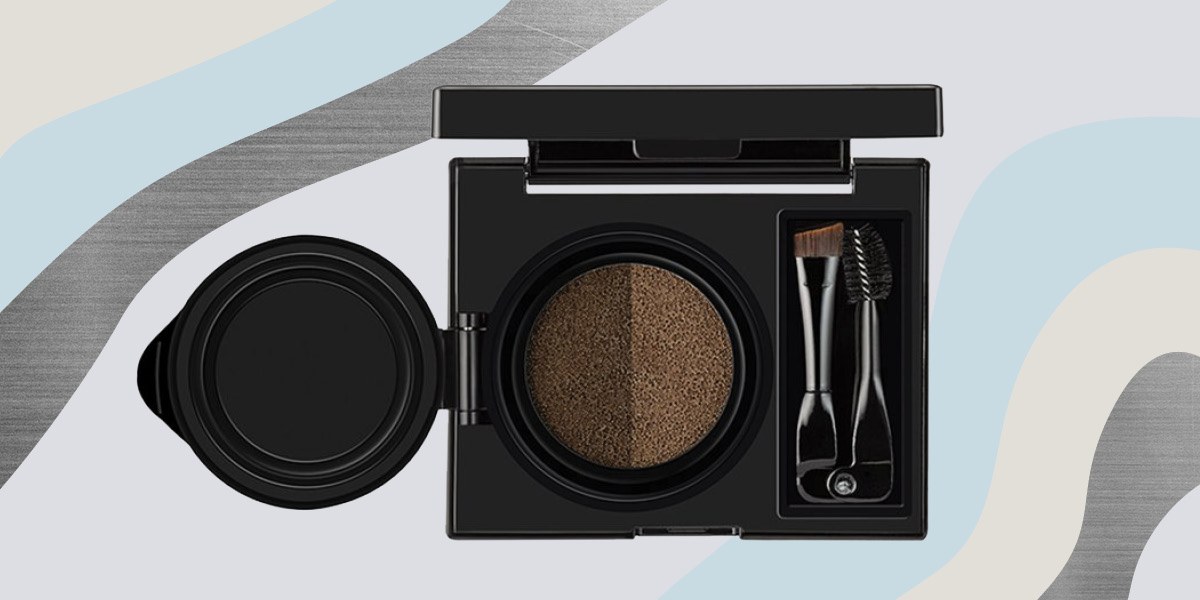
For the most part, I leave my brows alone. I’ll run a tinted gel through them and brush the hairs into place but generally don’t touch pigmented products like waxes, pencils, or powders. (I’m terrified of looking like I Sharpied my brows on.) That said, when our beauty director brought me the Laneige Eyebrow Cushion from a recent trip to Korea, I was intrigued. K-beauty is so advanced that even brow products come in packaging and formats I’ve never tried before. The Laneige Eyebrow Cushion, for example, houses the brow product in a cushion sponge inside the compact—just like you’d see in a cushion foundation. It also comes with a double-sided applicator that includes an angled brush on one end and a tiny spoolie on the other.

Still, I was worried my brows would look painted on—until I tried it. The end result was full and defined. The cushion keeps you from using too much product, resulting in a very natural finish; it also allows for the formula to be watery and lightweight, like watercolors, so it’s impossible for the tint to get too clumpy or crunchy.

It’s fairly intuitive to use, even for someone like me, who usually just swipes on Glossier’s Boy Brow and goes. I started by brushing my brows into shape with the spoolie side of the brush, then dipped the angled brush into the lighter side of the compact (the darker side doesn’t match my hair). Instead of drawing on my whole brows, I made small strokes, as if I were painting, to fill in any sparse patches. I also used the brush to define the tails and make them a little sharper, but left the arch and shape alone. Finally, with the spoolie, I fluffed up the hair a little bit and blended the color out.

As a result, my brows looked more defined, but not in an obvious way. It just gave a little more structure to my face and shifted focus to my eyes. I topped the cushion off with a little clear gel to keep the actual hairs in place, and my brows looked flawless all day. While the pigment is a great product, in my eyes the real hero of the compact is the included spoolie. It’s short but very dense, so it easily fluffs up hairs while brushing them into place, making the perfect fuzzy yet defined brow.

Maybe one day thin brows will be back—but until then, I’ll be reaching for this cushion.

Laneige Eyebrow Cushion-cara, $19.50, amazon.com

Related Stories:
This One Second Trick Makes My Brows Look Entirely Natural
Everything You Ever Wanted to Know About Microblading
This $10 Pen Makes It Look Like You Microbladed Your Brows


Source link

Categories
Health

Kris Jenner Changed Her Hair, and It's Scary How Much She Looks Like Kim


Kris Jenner‘s signature pixie cut has a life of its own, really. Her ’do is basically responsible for a billion-dollar entertainment empire. In love with your Kylie Lip Kit? Thank Kris Jenner’s short brown locks. Jazzed about the latest KKW Beauty fragrance? Kris’ pixie is accepting checks. Simply put, her hair is iconic, and pop culture wouldn’t be the same without it.

So when the momager changes up her look, people tend to flip. There was the time last year when she went platinum blond and spawned a million memes. And now she’s at it again with a brand-new style. Jenner uploaded a photo of herself to Instagram this weekend with a top bun and loose, piecey bangs, and she looks like a completely different person. More specifically, she looks like her daughter Kim Kardashian West.

I know what you’re thinking: They’re a mother-daughter duo, so of course they look alike, but this is legit. Sure, Kim and Kris have similar features, but I’m sure you’ve never mistaken one for the other. You’ve always known Kim is the one with a song called “Jam” and Kris loves wine. But just look at this photo of Jenner, below. You’ll think—at least for a split second—that it’s Kim. I certainly did.

I’m not alone in this, either. “Kim looks just like you here,” one person commented on Kris’ post. “I thought this was lil kim,” wrote another.

Interestingly, Kris also bears a striking resemblance to her daughter Kendall in this photo:

PHOTO: Getty Images

If all three of them stood in a line with this exact haircut, there’s no way I could tell them apart. Whoever can deserves a Pulitzer Prize. The power of bangs, people.

Related Stories:

Kylie Jenner Looks So Much Like Kris Jenner With This Pixie, It’s Crazy

Wait: Kris Jenner Says She’s the One Who Actually Delivered Kylie’s Baby, Stormi

Kris Jenner Staring at Herself and Saying She Looks Like Miranda Priestly Is a Total Vibe


Source link

Categories
Health

Watch How Pink Changed YouTuber Davina Michelle's Life Overnight


[embedded content]

American singer-songwriter Pink has, for years, given fans hit after Top 40 hit. From “Just Give Me A Reason” to “So What,” the artist’s powerhouse vocals and emotionally-charged lyrics have kept the her a pop frontrunner since she came on the scene in early 2000. So, really, it’s no surprise that fans love covering her work, or that her work has, quite literally, changed lives.

In October 2017, Glamour showed Pink a video of a YouTuber, Davina Michelle, who was covering Pink’s 2017 power ballad “What About Us.” At the time, Pink was overwhelmingly impressed by the singer. “That is better than I will ever sound,” she says while watching Davina Michelle perform. “I love that. I want to own that.”

Davina Michelle’s own reaction to Pink watching her performance is pretty priceless, too. But it’s how the novice YouTuber’s life changed after appearing in Glamour’s “You Sang My Song” video series that proves particularly special.

After her “You Sang My Song” cameo with Pink, Davina Michelle achieved an impressive amount of fame on her own. Before appearing in “You Sang My Song,” Davina Michelle’s YouTube cover of “What About Us” had approximately 200K YouTube views. Now, the video has over 11.5M. She’s also performed on Dutch radio stations and is a fixture on a weekly Dutch television show alongside other musicians. What’s more, the artist currently has a song on Dutch Top 40 that has remained number one for nine weeks.

“So many things have changed, it’s crazy” the artist explains in a follow-up conversation with Glamour, one year later. “I didn’t do any live performances [before], I only was on YouTube. After the Pink video…I got to perform everywhere.”

Something for the highlight reel: Davina Michelle was recently informed that she will perform on tour with Pink in Amsterdam when her tour reaches the Netherlands in June 2019.

Watch Glamour catch up with Davina Michelle and learn about her whirlwind year below.

Related Content:

Pink Had the Flu While Singing the National Anthem at the Super Bowl and Still Crushed It

Pink Wrote a Powerful Open Letter to the Grammys President for Saying Women Need to ‘Step Up’


Source link

Categories
Health

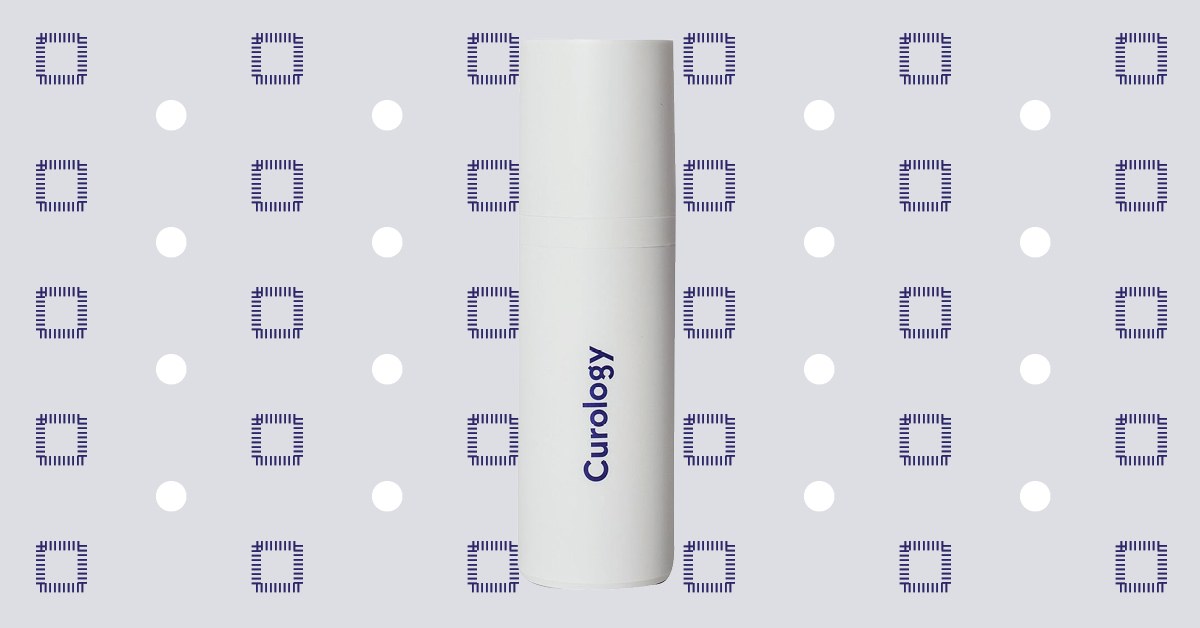
Curology Review: Designing My Own Face Cream Totally Changed My Skin


I have what you’d call commitment issues when it comes to my skin care routine. With access to so many products that promise to be the next best thing, I’m constantly getting distracted or busy cocktailing new products together. I know all the ingredients that are supposed to give you a perfect complexion: Retinol for soothing fine lines and breakouts, vitamin C for brightening, glycolic acid for exfoliation, and hyaluronic acid for hydration. The problem? My combinations are never quite right.

I’ll use too much retinol too fast and dry out my skin, or add too much moisture and break out. Then, I’ll stop everything for two weeks and eventually revisit my routine a month later. The results never came. But somewhere along the way, I stumbled upon Curology, a dermatologist-founded brand of custom skin care that packages all those ingredients into one single night cream, taking out the trial and error, the guesswork, and even the trip to the derm.

Here’s the basic gist of how it works: The brand has an on-site staff of dermatologists, physicians assistants, and nurse practitioners that work with you one-on-one to design a moisturizer that’s catered entirely to your specific needs. You start by filling out a questionnaire online, and once you’re done, someone from the staff DMs you to talk over your options. Then for $20 plus shipping (or more, depending on the ingredients you use), it arrives at your doorstep every month. No trip to the pharmacy for a retinol prescription or trying to pair serums together required.

The company was founded two years ago by dermatologist David Lortscher, M.D., who realized it was real struggle for his patients to get accessible skin care in rural New Mexico. Many had to travel forever to get to his office, and then after their appointment, they’d end up not getting their prescriptions filled at the drugstore because of how expensive it cost. And so, Curology was born.

After creating an account and completing the quick questionnaire, I described my skin’s needs to a physician’s assistant over DM and sent her a few photos of my bare skin. She recommended a few combinations of ingredients, which we talked through together until landing on a mix that sounded best for me: a mixture of tretinoin (a retinoid for overall acne and wrinkles), azelaic acid (for brightening and pore-clearing), and niacinamide (to reduce inflammation and redness). A few weeks later, I got my bottle in the mail.

I began using it immediately by slathering on a thin layer before bed every night. Because my skin is sensitive, I experienced some dryness in the first two weeks, so I switched to using it every other night at first. Eventually, my skin got used to it—but in case it didn’t, my designated medical provider checked in with me to see how I was liking the treatment. If I needed more or less of a certain ingredient, she’d adjust the percentages for my next bottle—easy as that.

“Some members come to us with acne and start out with a certain acne-fighting formula,” says Jadey Chow, Curology’s VP of branding. “But if your acne clears or your skin just changes, we have other ingredients, like tretinoin, that help with maintenance and fine lines. So we can alter your formula to grow with your skin’s needs over time.”

A quick search online will show just how effective their strategy really is. Before-and-after images illustrate mind-blowing transformations, and according to Chow, their membership tripled last year, and has increased by five times in the past 12 months. The brand has since expanded to making custom cleanser and a lightweight moisturizer too.

As for me, about four months in, my skin has never looked or felt better. It’s soft, clear, and never irritated. And now I only have to apply one product at night, instead of my usual three or four, a regimen I was never able to maintain. I guess you could say I’m officially committed.

Curology The Moisturizer, starting at $20, curology.com

Related Stories:


Source link