Categories
Health

The USWNT Score Just Broke the Record for Biggest Win in World Cup History


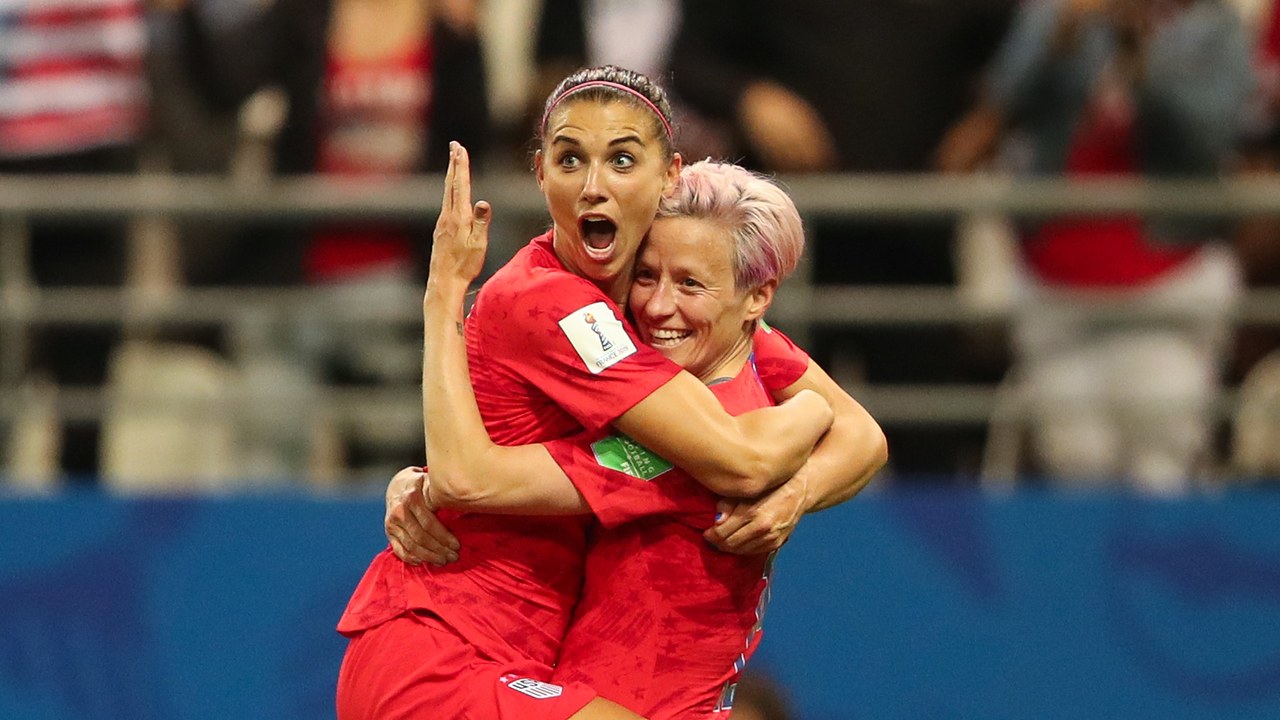
When the U.S. Women’s National Team comes to play they mean business—in their 2019 World Cup debut today they not only crushed the competition, they broke the record for biggest World Cup win ever with a USWNT score against Thailand of 13-0. Remember this moment: the Women’s National team just made sports history—again.

The USWNT is the highest ranked women’s soccer team in the world. They already have three World Cup titles under their belt and, despite the fact that women’s soccer has become more competitive than ever, they’re confident they’ll clinch a fourth title this summer in France. “This team has always found a way to win no matter what the circumstances,” forward Carli Lloyd, told Glamour in an interview last month. “We step out onto the field and we give it our all. We all come together and we find a way to lift that trophy.”

Odds are looking pretty damn good after their first match of the 2019 World Cup. For 90 minutes on the field, the women of the U.S. National Team were relentless, pummeling Thailand with goal after goal—five of which came in the last 11 minutes of the game. The 13-0 win against Thailand was the biggest win in the history of the World Cup—men’s or women’s, according to CBS Sports.

The overall score wasn’t even the only record-setting moment of the match: co-captain Alex Morgan scored five goals, tying the Women’s World Cup record for goals scored by a player in a single game. Rose Lavelle, Lindsey Horan, Sam Mewis, Megan Rapinoe, Mallory Pugh and Carli Lloyd also scored, sealing the record-breaking victory.

The win prompted reactions from people on Twitter—including Senator and democratic presidential candidate Kirsten Gillibrand—who referenced the sexism the team has faced.

The USWNT plays their next match against Chile this Sunday, June 16 and they’ve already made it clear: the USWNT is here to bring home their fourth World Cup title.

Macaela MacKenzie is a senior editor at Glamour. Follow her on Instagram at @MacaelaMac and Twitter at @MacaelaMack.


Source link

Categories
Health

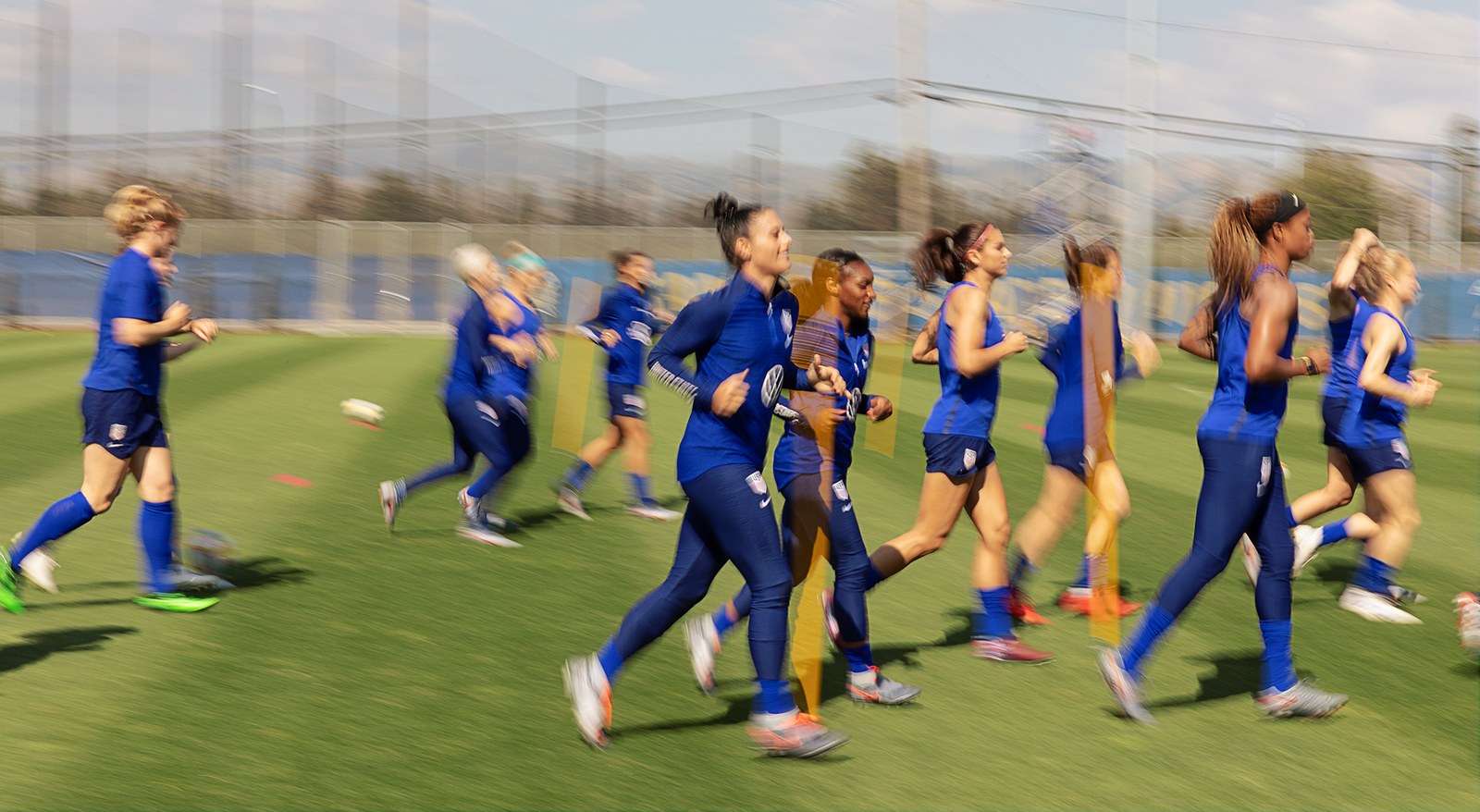
The USWNT World Cup Team is Ready to Win Their Fourth Title


Adds defender Kelley O’Hara, 30, who’s making her third World Cup appearance this summer: “At the end of the day, we’re all playing soccer because we love it and we’re good at it and it’s something that we’re passionate about. But I do think that it’s important to understand that we have a responsibility. We are in a place where we can impact the game and impact society—this team has always done a great job of balancing those two things.”

The balance isn’t always easy. In March 2016, five of the team’s most recognizable players—Hope Solo, Carli Lloyd, Alex Morgan, Becky Sauerbrunn, and Megan Rapinoe—filed an official complaint with the Equal Employment Opportunities Commission alleging that the U.S. Soccer Federation paid women “substantially less” than men in the sport. Fresh off their World Cup win, they found support: Two months later the U.S. Senate came together to unanimously pass a bipartisan resolution supporting the women and asking the Federation to grant the players equal pay. The resolution was nonbinding, but the players got one step closer to victory regardless. In Feb 2019 the EEOC sent a “right to sue” letter to the team, so this March—on International Women’s Day—that’s exactly what they did. The entire team sued the U.S. Soccer Federation for gender discrimination.

It’s easy to see why they’re frustrated. The women’s team handily outperforms the men’s: They’re ranked significantly higher, hold more World Cup titles and Olympic medals (four golds), draw bigger TV audiences, and since their 2015 win, have generated more money for U.S. Soccer. (Meanwhile the U.S. men’s team failed to even qualify for the 2018 World Cup.) Still, they’re paid significantly less—some players make just 38 percent of what their male counterparts make, according to the lawsuit. “Right now the structure is set up so that our counterparts on the men’s national team have the opportunity to make so much more money,” says Press. When the men’s team qualified for the 1990 World Cup, each player got a $10,000 bonus; when the women’s team earned the same honor a year later, they reportedly got a T-shirt.

Things haven’t improved much. For the last Women’s World Cup in 2015, FIFA, the international governing body of the sport, offered the winning team $2 million in prize money. The winning men’s team had been paid $35 million—17.5 times more—in the men’s World Cup a year earlier. (The Federation maintains that it hasn’t discriminated against the women’s team, and that the men and women players have fundamentally different jobs, team organizations, and compensation setups.)

Some critics point out the USWNT is among the most well-funded women’s sports programs in the world. But being the highest paid woman at your company who’s still making less than men at your level isn’t equality. “We’re very grateful for what we have, but we’re definitely demanding what we deserve,” says forward Alex Morgan, 29. “My hope is that the next generation will be able to have [total equality]—it will just be a given.” (To help make it a reality, Secret recruited Morgan to launch the brand’s Equal Pay for All campaign, pledging $100,000 to Girls Leading Girls.)

Pissing off the powers that be when they are in some of the most crucial months of their careers is risky for these players—but they aren’t backing down. “It’s part of our job to do this,” says Lloyd. “It’s not something that is comfortable, but in order to get what you deserve, you have to be a little uncomfortable.”


Source link