Categories
Health

Revisiting the *Sex and the City* #MeToo Episode Nobody Talks About


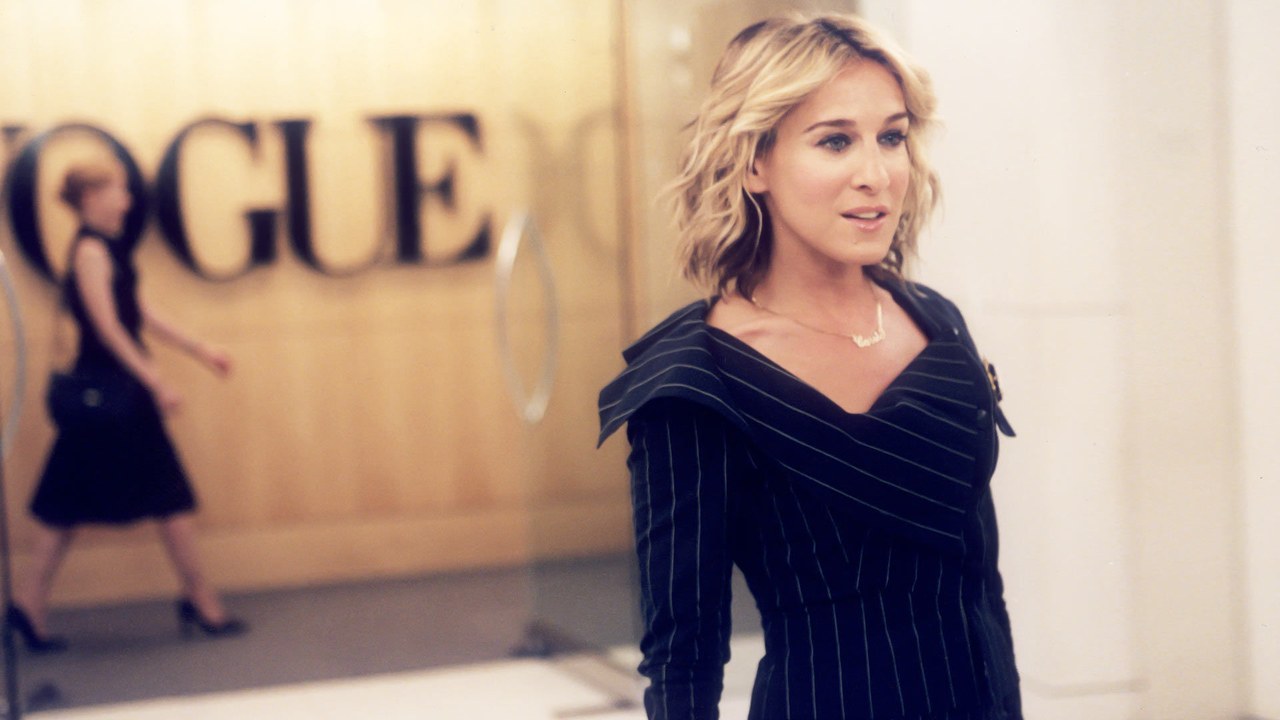
There are a lot of awful men in Sex and the City. There was Greg, the 27-year-old Charlotte met in the Hamptons who gave her crabs; Harvey, a wealthy conquest of Samantha’s who had a literal servant; and let’s not forget Ethan, who could only have sex with Miranda with porn blaring in the background. (There was Aidan, too, who I personally think was the ultimate fake, but that’s another story—don’t @ me.) But all 107 men Carrie and the girls dated and slept with pale in comparison to the biggest creep of them all: Julian Fisher. You remember Julian: he was briefly Carrie’s editor at Vogue in season 4’s “A Vogue Idea” after her first editor, Enid, was made to appear like a critical ice-queen for having high standards and deigning to tell Carrie her article was too self-involved, meandering, and not up to the magazine’s ideals. Carrie whined, and poof—a menschy male editor appeared.

From the start, we understand Julian won’t be tough on “Cookie”—his inexplicable pet name for Carrie. He’s the fun one who drinks during the day, plays retro jazz in the office, and tells Carrie she belongs at Vogue—but not before taking credit for her being there. The episode famously culminates in a sexualized cat-and-mouse scene that’s played for laughs: Once Carrie hits save on the final draft of her story—late at night in Julian’s office—he rewards her with a trip to her personal Mecca: the Vogue accessories closet. Inside, while Carrie covets a pair of mythical Manolo Blahnik Mary Jane’s, Julian pulls down his pants and stands with his hands on hips—wearing nothing but a pair of black Versace underwear.

When Carrie notices, she bellows, “what are you doing?!” To which Julian says “Just showing you these briefs!” He goes on to snap the band of his Versace’s while Carrie hides and pratfalls over her own feet, blushing behind a rack of handbags. He doesn’t touch her, or force anything on her, and after a few awkward moments Julian eventually puts his pants back on, leading the viewer to possibly conclude that he’s just a quirky guy. A real kook. This was just a page from a cringe-y, old-man-flirts-with-younger woman playbook—nothing more. Or so I thought in 2001, when this episode aired.

Watching the episode this time around, I had a hard time shaking the vision of Carrie getting so drunk before noon that Julian literally has to hold her up, rag-doll style, while she walks out of the office.

But now, framed against the backdrop of #MeToo and the constant conversations we’re having about powerful men abusing their influence, I see Julian wasn’t just a kook—this was textbook sexual harassment. So much so, that he certainly would have earned himself a spot on the “shitty media men” list if such a thing existed in the early aughts.

And let me tell you—watching the episode again, which I did a few days ago, was horrific. From their first scene together, Julian appears to start using grooming tactics on a clearly vulnerable Carrie—he gently touches her chin, he grandly compliments her work and her “vision,” and he plies her with dry martinis in the morning—office door visibly shut—after she’s feeling rejected by Enid. Sure, you could say he was just trying to be nice—and the show was tapping into a glossy media stereotype—but this time around, I had a hard time shaking the vision of Carrie getting so drunk before noon that Julian literally has to hold her up, rag-doll style, while she walks out of the office.

[embedded content]

After that, he takes her to dinner at a Japanese restaurant and while, at first glance, it seemed like they had a meaningful conversation, I see now that Julian deftly extracted sensitive, personal information from Carrie and ultimately used it against her.

During the meal Carrie admits she’s thinking about quitting Vogue, and Julian asks, “what would your father say about your quitting?” to which she replies, “he wouldn’t have a whole lot to say about me quitting, he quit my mother and me when I was little.” This is actually the only time in the entire series Carrie talks about her father—and it’s because a powerful man brought it up. He then goes on to muse, “it’s interesting, your father leaves without any answers, and you spend your life asking questions about men.” Later, when Carrie rejects the half-nude Julian in the accessories closet, Julian uses Carrie’s “daddy issues,” to try to persuade her into sex. He tells her, “Cookie, as someone who really cares about you, I think you have some serious issues with men… an older man can help you work through some of issues, Cookie.” Oh my god.

[embedded content]

Yet Julian’s behavior wasn’t the only trope familiar to me in this story. How Carrie presumably reacted was also part of a too-common narrative. After the incident, she ended up working with Enid—who we were made to dislike at the outset—and never reported Julian. She just shook it off. And since these incidents never happen in isolation, and typically indicate a larger pattern of abuse, it’s safe to assume Julian went on to harass more junior fashion editors and fledgling writers.

However, what struck me the most, is that despite having access to Carrie’s internal narrative—we never get to hear how she truly feels about the incident. She doesn’t tells the girls about it over brunch, and the episode’s final monologue is a speech about how you’ll never have the perfect boss, or parent. There’s no mention of the Versaces, not a Cookie pun, or even a reference to whether or not she got to keep the mary janes. Because for Carrie, and for women for far too long, workplace harassment wasn’t something you could talk about. It was a dirty secret, something you had to grin and bare to get ahead. Think about it. Carrie chose to have a long and fruitful relationship with Vogue—even appearing in bridal couture in the mag’s pages during the Sex and the City movie. Would she have continued to work with the magazine if she had reported Julian? We’ll never know.

But now, 20 years after the premiere of Sex and the City, and nearly a year into the #MeToo movement, I’m reporting it for her.

Related: What to Do When You’ve Been Sexually Harassed at Work



Source link

Categories
Health

This Video Makes the Case for Revisiting '90s Fashion Trends


Your calendar says it’s 2018, but fashion people would have you believe we’ve quantum-leaped back to the age of seashell jewelry and miniskirts. The ’90s are alive and well, at least as far as trends are concerned. So, in the latest installment of our “Evolution of Fashion” video series, we revisit some of the best of ’90s styles, from huge logo-prints and baggy coats to skirts that Bella Hadid and Liv Tyler would certainly approve of.

Watch the clip above for a look back at the trends that dominated the ’90s—and are on the rise again today.

Related Stories:

Watch the Evolution of Swimsuits, From 1800s to Today

The Evolution of French Fashion, in Four Minutes

The Evolution of Shapewear in Five Minutes


Source link

Categories
Health

Revisiting the 'Friends' Episode Where Everyone's Awkward About Money


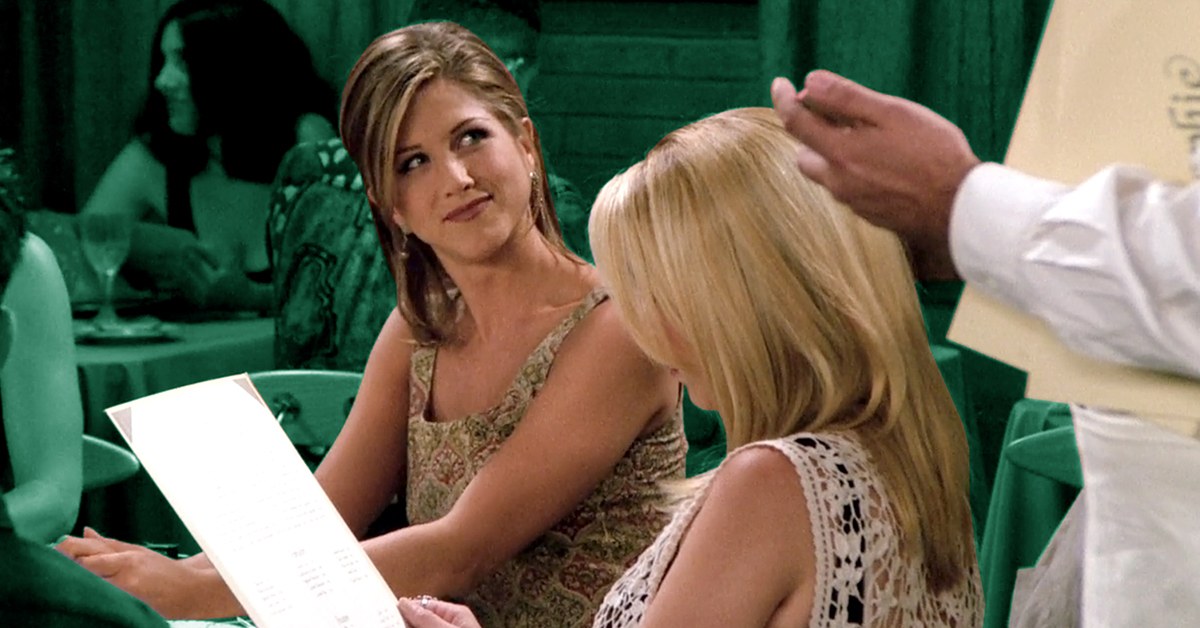
The most painfully awkward episode of Friends isn’t the one where Ross gets that God-awful spray tan or Chandler and Rachel eat cheesecake off the floor. Nope, that honor goes to the fifth episode of Season 2, “The One With Five Steaks and an Eggplant,” when the six friends get uncomfortably real about a topic all twenty-somethings think about: money.

If you blocked this cringe-worthy episode from your memory, here’s a quick synopsis: Rachel, Phoebe, and Joey start feeling like Chandler, Monica, and Ross aren’t aware that they make less money than them. What seems like pennies to some—$33 dinners, $50 Hootie and the Blowfish tickets—is actually difficult for the others to swing. They have a terse conversation about this at a restaurant that goes nowhere. Chandler makes awkward jokes.

The Rich Friends’ solution to this drama is to comp the Poor Friends’ Hootie and the Blowfish tickets, which comes off more condescending than sincere. The Poor Friends reject the tickets, so the Rich Friends go without them and have a blast. The next day, the Rich Friends say they “missed” the Poor Friends at the show but won’t feel bad for making more money than them. Everyone starts arguing and then, as if on cue, Monica gets fired, instantly turning her into a Poor Friend.

Why these 27-year-olds morphed into screaming toddlers when they talked about money is still a mystery. They are six highly-functioning, intelligent people, for crying out loud. It shouldn’t come as a surprise to the Rich Friends that Rachel (a waitress who turned down her inheritance), Phoebe (a massage therapist), and Joey (a struggling actor) aren’t exactly rolling in the dough. But, for some reason, it was. There’s a lot to break down about this episode—and not much of it is good. There are some important lessons in here, though, so let’s just get down to it:

How it went

Joey: “We three feel that sometimes you guys don’t get that we don’t have as much money as you.”

Monica: (Seemingly self-implodes)

Chandler: (Head practically falls off)

Ross: (Winces like he’s getting a root canal)

[embedded content]

How it should’ve gone

Monica, Chandler, and Ross (in unison, like a choir of angels): Wow, thanks for bringing up that topic, fellow friends and human beings. Let’s have an honest conversation about our financial situations so we can better set our social expectations going forward!

At the end of the episode, Joey says their money fight is “stupid,” and Phoebe notes they shouldn’t let “this kind of stuff” get in the way of the group dynamic. Both of these sentiments are incorrect, though. On the contrary, money isn’t stupid; it’s an important component to how we live our lives and interact with others.

And the only way to make sure it’s not a “thing” is to talk about it. Having an open, nonjudgmental rapport with your friends about money allows you to just straight-up say, “I can’t really afford [XYZ] right now” and have the world not end. In Friends’ instance, though, their awkward, chilly approach to money practically ensures it will always be a problem for them. This doesn’t mean that Chandler, Monica, and Ross have to forego pricey activities, either. It just means they shouldn’t assume that everyone’s on the same playing field as them. Talk first, then ask for cash.

How it went

Chandler: [Here are] six tickets to Hootie and the Blowfish!

Joey: (Kicks and screams)

Phoebe: (Breathes fire)

Rachel: (Frowns)

[embedded content]

How it should’ve gone

Phoebe, Rachel, and Joey (in unison, like cheerleaders): Wow, thanks for the gesture, friends and fellow human beings! In the future, could you run something like this past us first? We don’t want you guys to start feeling like you have to pay for everything now.

The Rich Friends weren’t intentionally trying to belittle the Poor Friends here, so Phoebe, Joey, and Rachel didn’t have to respond as aversely as they did. However, the emotions they feel here are certainly valid. If you just told your friends you were struggling with money, and then they turned around and bought you something expensive, that might feel like “charity,” as Joey put it. Again, this all comes back to communication. I’ve had friends spot me for things when I can’t afford them, but we always discuss it prior so it doesn’t feel like a hand-out—and, more often than not, I return the favor down the line. They should’ve just talked about this first—as normal adults do.

How it went

Chandler: I’m sorry we make more money than you, but we’re not ‘gonna feel guilty about it. We work really hard for it.

Joey: And we don’t work hard?

Chandler: Sometimes we like to do stuff that costs a little more.

Joey: Oh, and you feel like we’re holding you back?

Chandler: Yes.

All the friends except for Monica, who’s about to get fired: (Launch World War III inside Central Perk)

Cut to the 2:48 mark in the video, below, to see this scene.

[embedded content]

How it should’ve gone

Chandler: I’m sorry that our financial situations are different, friends and fellow human beings! Instead of bragging about it, we’ll be sure to talk the logistics of an outing before all agreeing to go.

Joey, Rachel and Phoebe (in unison): That would be amazing. Thank you!

(Everyone hugs, and Monica doesn’t get fired—because that was some bullshit.)

The most frustrating part about this episode is that the friends’ money awkwardness never gets resolved. Instead, it’s put on the back-burner once Monica tells them she lost her job, and it’s never mentioned again. This episode is 22 minutes long but no one ever faces “the money thing” head on—and that’s the problem.Would that have been as funny? No, which is perhaps why the episode wasn’t arced that way. Friends is a sitcom, after all.

But it would’ve been more realistic. After seeing this episode, I was afraid to talk to my friends about money. I was worried they’d react the same way as Chandler, Ross, and Monica here, but they didn’t. The dialogue I have with my social circle about money is honest and kind, which makes planning things easy, and judgment-free. Had the six friends just done that they probably could’ve gone to that silly concert together. And Phoebe could’ve had her eggplant.


Source link