Categories
Health

This Powerful Obit Is Going Viral Thanks to It's Brutal Honesty About Opioid Addiction


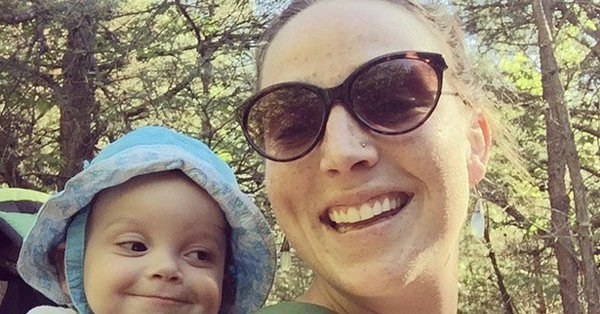
When Madelyn Linsenmeir, a 30-year-old Vermont mother died on October 7 as a result of an opioid addiction, her parents used their daughter’s obituary as a call to action for increased awareness of the disease that took their daughter’s life, while simultaneously showcasing who Linsenmeir was as a person—both because of and outside of her addiction.

Since being published earlier this week, the obit has gone viral, likely thanks to the fact that her family chronicled the start of her drug abuse, her subsequent addiction, and many attempts to overcome it. But they also honored the other attributes that defined her: the love she had for her son, her incredible singing voice, and how she charmed everyone she met.

“It is impossible to capture a person in an obituary, and especially someone whose adult life was largely defined by drug addiction. To some, Maddie was just a junkie—when they saw her addiction they stopped seeing her. And what a loss for them. Because Maddie was hilarious, and warm, and fearless, and resilient,” the obituary read.

Her parents ended the tribute by speaking directly to those who are struggling, as well as those who don’t understand their struggle: “If you yourself are struggling from addiction, know that every breath is a fresh start. Know that hundreds of thousands of families who have lost someone to this disease are praying and rooting for you. Know that we believe with all our hearts that you can and will make it. It is never too late.”

“If you are reading this with judgment, educate yourself about this disease, because that is what it is. It is not a choice or a weakness. And chances are very good that someone you know is struggling with it, and that person needs and deserves your empathy and support.”

In the wake of its publication, many have taken to Twitter to commend Linsenmeir’s family for their honest and heartbreaking portrayal of their daughter’s life, and the opioid crisis. Ivanka Trump wrote, “Profound admiration for the family members who wrote this raw, beautiful & devastating obituary. A generous act amid their pain & a wake up call to all as we battle, together as a nation, opioid addiction; a crisis of epic proportions. Rest In Peace Maddie.” Another Twitter user shared, “This is the most honest and devastating obituary you will ever read about a person who died from opioid addiction.” And another thanked Linsenmeir’s family, saying, “A beautiful, heart wrenching tribute to a woman who was a beloved daughter and mother, lost to addiction. And what a blessing this family is to educate us as they honor her.”

At least 31 women lose their lives to opioids daily, Glamour reported last year in a special look into the epidemic. And for those like Linsenmeir—who had been able to stop using for short periods of time—it typically takes repeated attempts to become drug-free. In the same report, Glamour spoke to 20 women in recovery for opioids, and almost all said that they relapsed between 10 and 20 times before getting sober. As David Fiellin, M.D., professor of medicine, emergency medicine, and public health at Yale University, put it, “Relapse rates after detox are over 80 percent within a year, and those individuals are also at high risk for overdose.”

Linsenmeir’s family’s fearless decision to publish such an honest account of their daughter’s addiction is another step in the right direction for people to understand this disease that, as of 2017, is the leading cause of death for Americans under age 50, by way of overdose.

If you or someone you know is struggling with opioids, learn more at shatterproof.org and find specific treatment options in your area on the Substance Abuse and Mental Health Services Administration‘s website.

Related Stories:

Women and Opioids: Inside the Deadliest Drug Epidemic in American History


Source link

Categories
Health

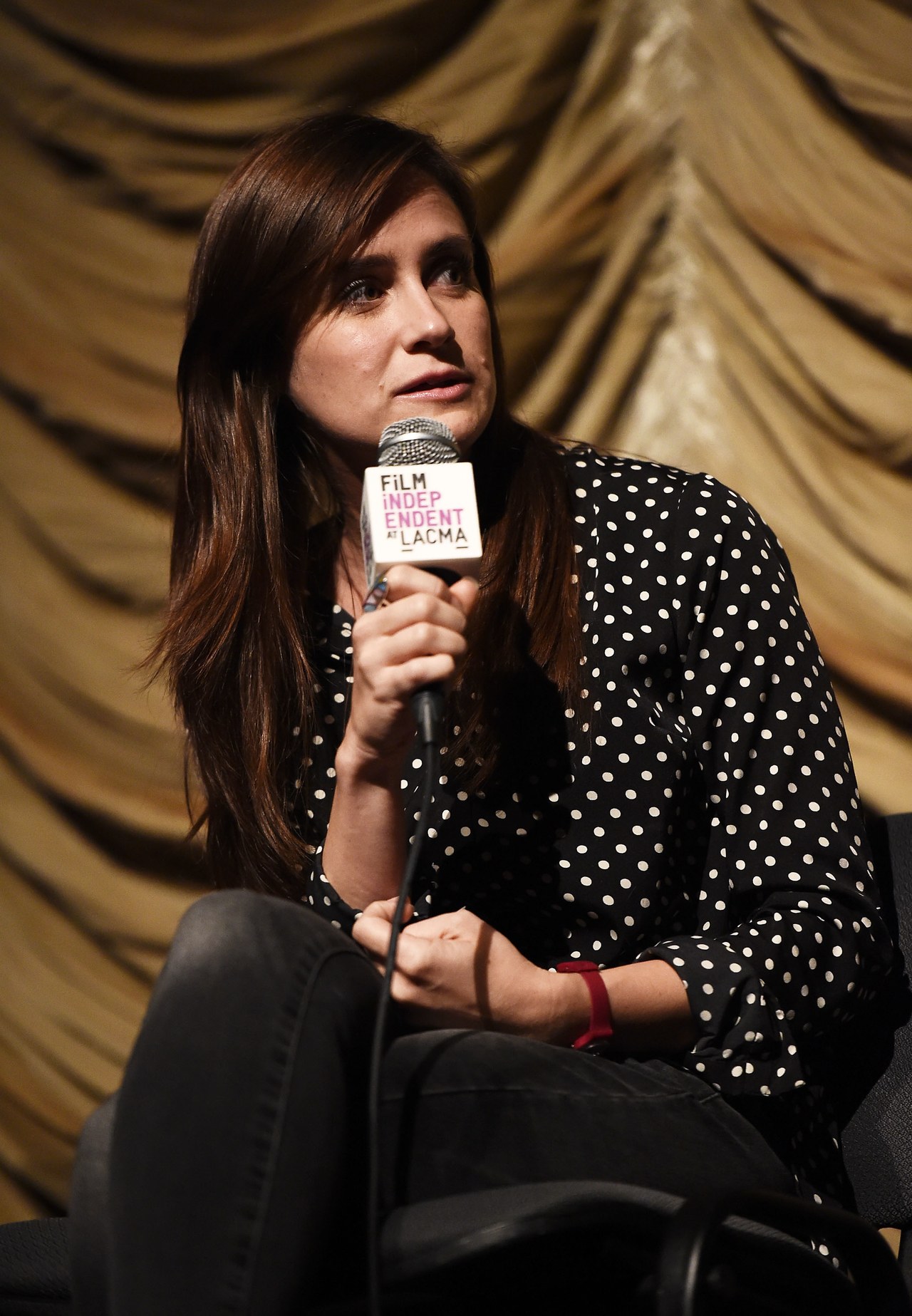
'Heroin(e)' Filmmaker Elaine McMillion Sheldon On Trump's Solution to the Opioid Crisis.


Donald Trump declared a public health emergency last week over the nation’s overdose crisis. And just yesterday, the President’s Commission on Combating Drug Addiction and the Opioid Crisis, led by New Jersey Governor Chris Christie, released its recommendations to address America’s growing problem.

“Mr. President, the reason behind the urgent recommendations presented to you today by this Commission is that the leading cause of unintentional death in the United States is now drug overdose,” explains Gov. Christie in his introduction to the report. “The time to wait is over. The time for talk is passed. 175 deaths a day can no longer be tolerated. We know that you will not stand by; we believe you will force action.”

The epidemic contributed to the United States’ record 64,000 drug overdose deaths in 2016, and the recommendations outlined include everything from streamlining federal funds for drug addiction and expanding drug courts to new training requirements for doctors who prescribe painkillers and eliminating barriers to treatment.

What’s missing, though, is how much funding will be necessary to address the crisis, which left many wondering how these recommendations will realistically be implemented. To learn more about the opioid epidemic, we spoke to Peabody Award-winning documentary filmmaker Elaine McMillion Sheldon after the Obama Summit this week. Her critically-acclaimed film “Heroin(e),” streaming now on Netflix, follows three real-life heroines in Appalachian city Huntington, West Virginia (the “overdose capital of America” with an overdose rate 10x the national average) as they work to change the town’s narrative and to break the cycle of drug abuse.
Exclusively with us, Sheldon shares her thoughts on Trump’s plan to combat the crisis, the role of women in the epidemic, and hope for the future.

GLAMOUR: President Trump recently declared the crisis a public health emergency and shared a strategy to address it. How do you feel about the plan?

ES: I think it’s kind of offensive that the President is coming up with ideas to fix our problem when people on the ground have the best ideas to fix it. Presidential declarations are important for bringing attention, but it’s not going to come from the Oval Office. It goes a bit deeper than a single vote and one president and speaks to the larger American dream. I appreciate the attention, though. It’s just frustrating – we can talk about it all day, but we have to see some sort of investment.

GLAMOUR: One of the common themes at the Summit was the idea of community. You moved to be closer to the stories in this film. How do you think this helped you understand the perspectives?

ES: Most people call Huntington the overdose capital of America, but it’s also home to these three women [the film’s heroines: Jan Rader, Patricia Keller and Necia Freeman]. They somehow find the resilience to do this work, and community is a huge part of that.

PHOTO: Amanda Edwards

Elaine McMillion Sheldon

GLAMOUR: Jan is the first-ever female chief of the fire department in West Virginia. In some ways, are women better equipped to deal with these issues than men?

ES: I think it’s more socially acceptable for women. We live in a very macho society and are reverting to some strange time that I didn’t grow up in. You see men soften when it hits their family or when it’s their wife. They find the empathy then.

GLAMOUR: Necia of the Brown Bag Ministry talks about the double standard in Huntington, specifically in prostitution, which is affected by the opioid epidemic. How do you feel about men being held accountable for their actions?

ES: There’s another person in this equation. The people picking up the girls? They’re businessmen, they’re well-known in the community, and they have an ‘in’ with the cops. Because these women are using, they could be sharing needles and spreading disease to a guy, who then spreads it to his wife. Men need to be held accountable. It’s not a radical statement. If two people are involved in the crime, then why is one being slipped out the back door? It doesn’t make sense.

GLAMOUR: The film says the only qualification for long-term recovery is being alive. Do you think there’s hope?

ES: Yes, there absolutely is. It’s not so much about stopping the supply of drugs because you will still have a huge population of people who are addicted and then what are they doing going to turn to? We need to give people something to live for that’s not getting high. But this is the new norm, and we are going to be fighting for a few decades.

MORE: Women and Opioids: Inside the Deadliest Drug Epidemic in U.S. History


Source link