Categories
Health

YouTube Star Lilly Singh Is Getting Her Own Late Night Show on NBC


Another woman—and a bisexual woman of color, at that—is breaking into the boys’ club of late night television. NBC is filling Carson Daly’s old time slot (1:35 A.M.) with a brand-new show hosted by YouTube star Lilly Singh called A Little Late with Lilly.

According to Variety, the show will debut in September and feature Singh conducting interviews, as well pre-taped sketches and other “signature elements.”

Singh, of course, is excited for this new gig. “An Indian-Canadian woman with her own late night show? Now that is a dream come true,” she said about the news. “I’m thrilled to bring it to life on NBC, and I hope my parents consider this to be as exciting as a grandchild.” Singh rose to fame on YouTube, where she’s known as “IISuperwomanII” and has over 14 million followers.

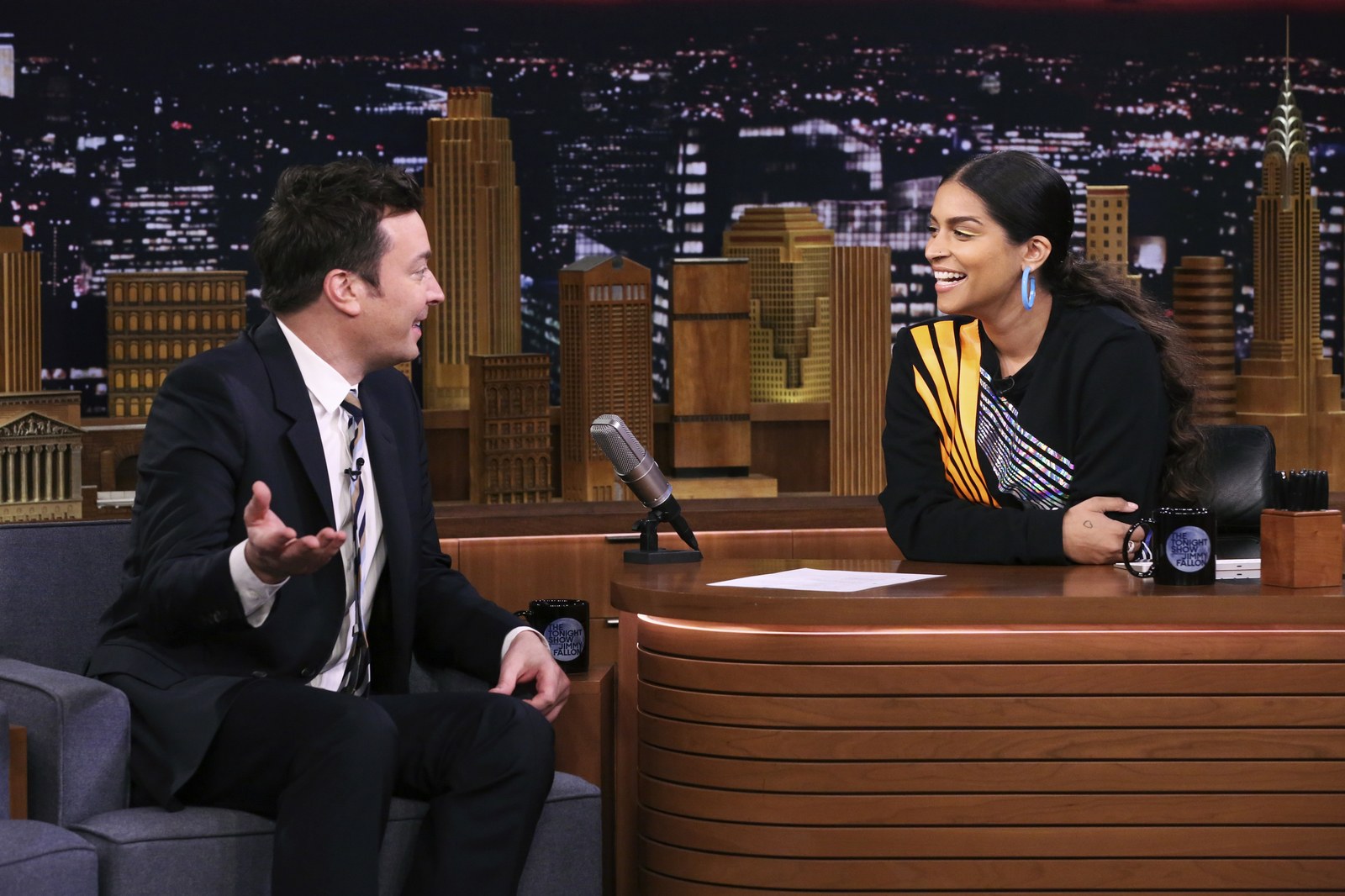
She made the big announcement on The Tonight Show with Jimmy Fallon Thursday night, March 14. “I’m so excited because I truly get to create a show from scratch,” she told host Jimmy Fallon. “I get to make it inclusive. I get to create comedy segments and interview people and really create something that I believe in. And I’m so honored and humbled.” Singh says the show will be “kind of like my YouTube channel” but joked that now she’ll have more than three staffers.

Getty Images

The social media love for Singh’s new gig is pouring in from celebs like Janelle Monae, Mindy Kaling, and The Rock, as well as non-famous folks who are happy for more diverse representation on late night.

“My heart is so incredibly full. Thank you so much for all the love and positive energy,” Singh tweeted about the enthusiastic response from people. “I’m speechless. I’m overwhelmed. I need to sleep to process all this. More thank yous to come tomorrow ❤️❤️”


Source link

Categories
Health

How Every Celebrity in Hollywood Started Wearing Lilly Lashes


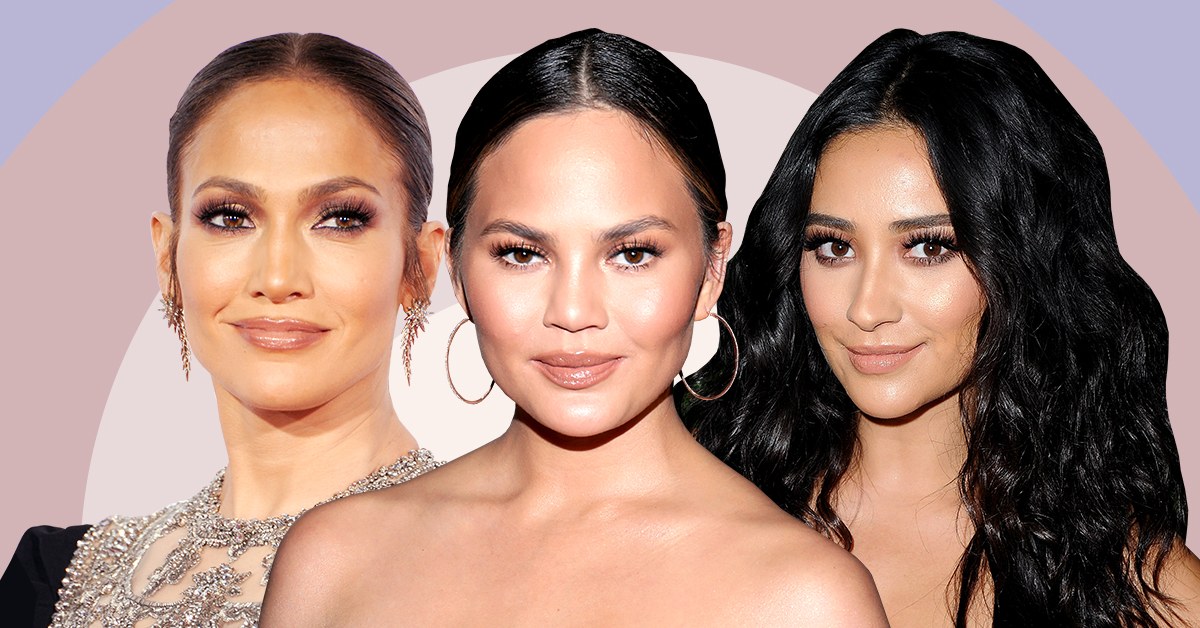
Even if you haven’t touched a pair of false lashes since your junior prom, chances are you’ve probably still heard of Lilly Lashes. That’s because they’re as much of a regular on the red carpet as Kim Kardashian these days, and as visible in your Insta feed as any beauty influencer you can think of. That’s no coincidence: Kardashian, along with other celebrities like Jennifer Lopez, Lady Gaga, Cardi B, Kylie Jenner, and Shay Mitchell, are constantly sporting the brand’s mink lashes. But that raises the question: What is Lilly Lashes doing that other lashes aren’t?

Founder Lilly Ghalichi, the Texas-born daughter of immigrants, didn’t mean to dominate an industry. In fact, she was more into the law than lashes. “My whole life, I thought I wanted to be this big litigator—until I actually became an attorney,” she tells Glamour. But the buttoned-up environment felt like a total contradiction to who she was. “As a female who’s into fashion and makeup, it was very difficult to have to go to work every day and be told by the partners of my firm that I needed to wear less makeup, or that I needed to dress a little bit…not modestly, but toned down,” recalls Ghalichi.

She left the law firm after three months to begin a now-defunct swimwear line, which caught the attention of producers at Bravo’s hit reality show, Shahs of Sunset. Lilly joined the show, where she could be her glammed-up, over-the-top self, in its second season in 2012—which is when the lightbulb went off. Well, technically, it happened when she spent hours in hair and makeup for the show.

“Lashes alone would take 30 to 45 minutes,” says Ghalichi. That’s because at the time, there were only two options for falsies: human hair, which gave a natural look (a little too much so for Ghalichi) or synthetic, which is the kind most people reserve for Halloween. So she and her makeup artist went the DIY route for Ghalichi to get the dramatic—but not comically large—lashes she wanted. “We would get human hair and glue on three and four different strips,” she explains. “So we had to put the strip on, let it dry, put another strip on, let it dry, put a third strip on, let it dry, cut out the strip, and put those pieces in. I thought there had to be a better way.”

Real beauty goes beyond the surface—and so do we. Sign up for our newsletter to get honest reviews, personal essays, and more every day.

So Ghalichi took matters into her own hands—literally. She glued sets of human-hair lashes together, tracked down a lash supplier, and sent her handiwork to them, asking if they could recreate it on a large scale. The supplier agreed to recreate them in mink, so they’d be less flimsy, and Ghalichi was down. The one problem: The supplier had a minimum quantity for orders, meaning Ghalichi had to purchase at least 100 pairs of her new lashes.

Ghalichi went all-in and purchased the required 100 sets. She had a blog at the time, and quickly wrote a post putting those spare lashes up for grabs to anyone who wanted them. “I got a sandwich and came back to hundreds of emails from girls wanting to buy the lashes,” says Ghalichi. “It was at that moment I knew that there were so many girls like me who wanted glamorous lashes, and there just wasn’t anything out there for them to buy.” A few months later, in 2013, Lilly Lashes was born.

While it sounds like an entrepreneur’s dream—come up with idea, execute it well, succeed almost instantly—that wasn’t exactly the case for Ghalichi. “It took me four years until I established a well-oiled machine,” she says. She initially struggled with input from people around her, who encouraged her to keep it natural. But Ghalichi, true to her nature, wanted to go big or go home. So she created the brand’s 3D Lashes. “We were stacking so many strips to make our one style, it was three-dimensional,” says Ghalichi. But her friends, family, and even makeup artists she worked with told her, “You know, these are just too much. I know you like them, I know a couple other girls like them, but you should make more everyday, wearable styles.”

She launched her six 3D Lash styles anyway, and they sold out within a matter of hours. That was her first aha moment—and one that taught her to trust her gut. “I let that noise, as I like to call it, affect me,” she says. “One of my biggest hurdles was learning to overcome the noise and trust my intuition and what I want to do.”

And it paid off big. One of Ghalichi’s closest friends, celebrity makeup artist Ariel Tejada, used the 3D Lashes in Miami when doing Kylie Jenner‘s makeup. “I’ll never forget,” says Ghalichi. “He left her house and texted me: ‘Hey, here’s Kylie’s address, she wants to know if you can send her more of Miami.'” Ghalichi, a self-professed Kylie Jenner fangirl, freaked out. And that was only the beginning.

Soon after, you could find celebrities, from Jenner to Jennifer Lopez, wearing her 3D Lashes. “J.Lo’s people reached out and said, ‘Jennifer doesn’t want to wear anything besides the style Tease for her Vegas residency. Can you send us 90 pairs to last her the next three months?'” she recalls. “That was all thanks to Mary Phillips, who had done her makeup and used the lashes.”

In fact, Ghalichi has her network of loyal makeup artists—whom she befriended behind the scenes at shoots for her swimwear line and during her stint on Shahs of Sunset—to credit for her brand’s huge celebrity following. “I got very lucky that I’m friends with so many celebrity makeup artists,” she says. “They were naturally and organically using the lashes on celebrities, which made the celebrities fall in love with them.” Plus, she debuted her show-stopping, they’re-definitely-not-real lashes at a time when unapologetic glamour, or whatever you’d call the opposite of no-makeup makeup, hit a high. “In the past, you didn’t want anyone to know you were wearing false lashes, you didn’t want anyone to know you were wearing hair extensions—and suddenly that reversed to where it became glamorous to have the made-up look,” she explains. Lilly Lashes was made for that demographic.

Ghalichi also takes a lot of pride in the quality of her lashes. “Our lashes will last 25 to 30 wears,” she says, which accounts for the relatively steep price of $30. (Once you do the math, though, it works out to about $1 per wear.) “Our lashes will be the best quality you can find so they’ll look the most natural on your eyes.” She’s confident in her quality in part because she serves as the brand’s guinea pig. “I design all the styles that we’ve launched, test them out, and wear them, so all the products we’ve released, I have worn and loved multiple times just in the sample making,” she explains.

Ghalichi’s best guess as to what’s made Lilly Lashes such a runaway success is that it reimagined lash designs—and, in doing so, set itself apart from other false-eyelash brands. “I think things that are disruptive in any industry will always create the biggest impact, like the Beautyblender,” she says. “A sponge has been around for years, but they did something innovative with the sponge that just took off.”

Ghalichi, who’s now six-and-a-half months pregnant with her first child, isn’t resting on her laurels, though. She has a few big developments in store, the first of which is finally giving her friends’ advice a shot and creating more natural designs. “I have two zones: no makeup and heavy glam,” she says with a laugh. “So I’m working right now to expand beyond what I wear, and you’ll see a natural collection of 3D Lashes coming out.”

She’s also working to make the line more inclusive by offering lashes for a range of eye shapes. In fact, Ghalichi has hired women of different ethnicities for the sole job of testing new lashes. “It’s not one size fits all,” she explains. “People have round eyes, almond eyes, hooded eyes—and lashes are going to look different on each.”

What’s most surprising is that considering Ghalichi’s affection for all things glamorous and excessive, you’d think that she grew up with it. But it was anything but. “I was born to two immigrant parents,” she says. “We didn’t have a lot of money growing up at all, and five of us lived in a two-bedroom house.” That context makes Lilly Lashes’ rise to fame even more magical, and serves as a testament to her work ethic.

“I thought growing up in a certain income level or a certain demographic, I could only go so far—I wasn’t as privileged as maybe a trust-fund person or went to private school—but my business has shown me that that’s not true at all,” she says. “You can go as far as you want to work.”

Related Stories:
Watch 50 Women Try to Put On Fake Eyelashes
How to Put on False Eyelashes the Right Way
These Magnetic False Eyelashes Are a Godsend During Wedding Season


Source link
Categories
Health

Evangeline Lilly Powerfully Explained How She Stood Up For Herself While Filming 'Ant-Man and The Wasp'


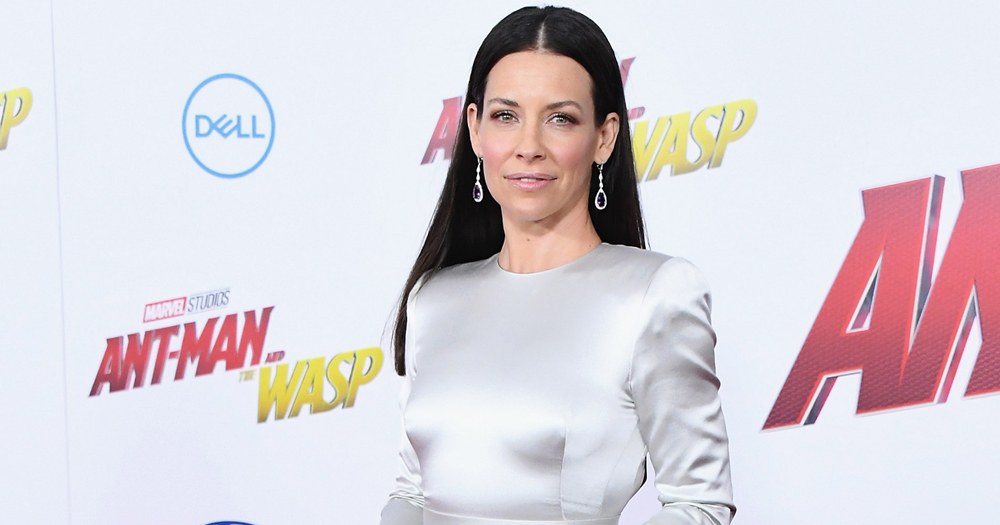
The Marvel Universe is expanding yet again with the release of Ant-Man and The Wasp, the sequel to 2015’s Ant-Man, on July 6. In its title alone, the film is a small step forward for gender equity in the superhero franchise: With Evangeline Lilly (you might recognize her as Kate from Lost) and Paul Rudd starring in the titular roles, it’s the first time that Marvel has ever released a movie with male and female characters equally sharing the bill.

That significance isn’t lost on Lilly, who shared in a new interview with The Hollywood Reporter that playing Hope van Dyne, a.k.a. The Wasp, required her to speak up on-set about the character’s trajectory and representation in practically every scene. Off camera, Lilly made a point to advocate for herself and her character to her male co-stars and coworkers, despite societal norms that tell women to stay quiet. “[I] think there is an unconscious message for little girls and women that when you challenge men in the midst of doing something juvenile or fun, then you’re a heavy, a killjoy, a ball and chain,” she said. “And all my life I grew up thinking, ‘I swear I won’t be that way, I’ll be cool, I’ll be fun, I’m going to be the chick that can hang with the guys.'”

But that approach changed while reprising her role as The Wasp for the new film: “[I] really challenged myself on this film to shut out all of those critical voices and the male pressures to conform and to really stand up and be a female voice in this world,” she told THR.

Lilly, best known for her roles in Lost and 2013 fantasy film The Hobbit, explained that acting in sci-fi and action roles often leads to scenarios where women are overlooked or ignored—forcing her to speak up. “I think I always tried to offer a perspective of my gender that maybe wasn’t offered as much because I live in worlds that are boys’ clubs,” she said. “In the sci-fi/fantasy space of Hollywood, it’s even more predominately male than in some of the other dramatic spaces, so I’m used to trying to be that voice in the room.”

Part of challenging the patriarchy came from interpreting traditionally “feminine” qualities as strengths for her character. “Even for the first film, it was very important to me that Hope be an extremely empathetic and compassionate person. And I still did that while having that stereotypical or archetypical [quality] of femininity of being nurturing, compassionate, empathetic,” she explained. “Men can of course be compassionate or feminine, but femininity is at the core of what is disrespected in the patriarchy, so it was important to me to always push for feminine qualities to be apparent when she is dealing with situations—how she emotionally reacts to them, [for instance].”

Lilly added that double standards weren’t just on her mind while filming: They also manifest in the challenges faces as a mother and a professional. “[I] just want to be very open and honest about how difficult it is for me to strike that balance,” she said about working full-time while raising her children. “I don’t think it’s easy for any mother who works. And I’ve grappled with this a lot: Is it harder for women to work and be a mother than it is for fathers to work and be fathers?”

Lilly thinks the answer is, unfortunately, yes. But with her new film, she’s optimistic that women can see multifaceted characters like themselves represented on-screen. “I think it’s really fresh and really fun to see a woman who knows how to take a joke and roll with things, but also can get the job done,” she concluded.

You can see the results of her self-advocacy yourself when Ant Man and The Wasp hits theaters on Friday, July 6.

Related Stories:

Listen Up, Marvel: It’s Time for an All-Female ‘Avengers’ Movie

The Wonder Woman 2 First Look Reveals a Surprising Twist

10 Movies That Challenged the Status Quo This Year


Source link

Categories
Health

Makeup Artist Lilly Ghalichi's License Photo Is the Best ID Ever


If your license photo looks anything like mine, then I feel sorry for you, because mine is [Larry David voice] pretty, pret-ty bad. I didn’t realize they’d be taking the photo that day so I didn’t even put dry shampoo in my hair, my eyes are borderline closed, and I’m smirking, as though I knew I was cursing Future Me to have a terrible photo for the next 10 years. I’ve since learned that this is a generally common experience and that very few people actually like their ID photo. This is not the case for Lilly Ghalichi Mir, however.

Ghalichi Mir, who is a makeup artist and the founder of Lilly Lashes, recently shared her license photo on Instagram — and it is as glamorous as mine is awkward, folks. The picture, which was first noticed and reported by PopSugar, was taken when the former Shahs of the Sunset star went to get a new license with her new last name, which changed when she got married to Dara Mir in May. The updated ID features ultra-glam makeup and hair that looks so perfectly styled, you can easily imagine she simply stepped off the set of a shampoo commercial and went straight to the DMV.

Most of us would be overwhelmingly happy with this striking of a state-issued ID photo. However, Ghalichi Mir felt it could have been better, expressing her anguish in the caption: “I got ROBBED!!! ?I go through all the effort to change my last name ??and THIS ZOOMED IN PHOTO is what you give me State of CA?!” California, you should be ashamed of yourself.

She continues, “You can’t even see my full glam! My hair was everything that day! Photo Robbery!!!” According to PopSugar, in fact, Ghalichi Mir brought along Brandin Palestino to keep her hair looking its most Victoria’s Secret-esque and makeup artist Samuel to get her face camera-ready. (It’s worth noting that she also tagged extensions maker Bellami Hair in the photo, so maybe those thick, shiny waves are attainable for someone like myself after all.)

For the record, “You can’t even see my full glam!” might be my favorite quote of 2017 (this is not sarcasm, I genuinely love this phrase). Now, BRB while I make an appointment at my local FedEx to get a new passport photo and a salon appointment conveniently scheduled two hours prior.


Read more stories about makeup:


Speaking of makeup artists, check out the new Allure Beauty Box with Jaclyn Hill:

Follow Sam on Instagram and Twitter.


Source link

Categories
Health

Lilly Singh's New Pantene Ad Is About So Much More Than Shiny Hair


When I was growing up, I went through the typical laundry list of possible life callings and careers. At one point, I firmly landed on the decision that I wanted to be an actress (kids are dreamers, right?). I tried out for school plays and watched as many movies as I could, but one thing stopped me in my tracks. Flipping through magazines and clicking through pictures online, I realized I’d never be able to change my hairstyle to fit different roles. I couldn’t even to be a model in those very magazines—because I didn’t cut my hair.

I’m the daughter of two Punjabi Sikh immigrants, which means I grew up trying to balance my family’s native culture with the norms in my midwest hometown—a predominantly white area where people were curious about the long, black/brown braid I wore every day. One easy marker of my faith—which originated in a northern region of India called Punjab—is long naturally kept hair. Based on Sikhism’s deep philosophical and humanitarian roots, both men and women practice this ritual because long hair is a symbol of respect for divine creation.

My mom always told me my hair was a mark of beauty, but for much of my life, I felt like it held me back. When layers became a thing, I couldn’t participate. When my friends were getting balayage, I had to opt out of chemically treating my hair (even though I really wanted that sun-kissed look).

My mom always told me that long, natural hair is a mark of beauty, but for much of my life, I felt like it held me back.

Like most people in their young age, my perspective on beauty was informed by the people who surrounded me at school, and the people who (I thought) were lucky enough to be on television, in movies, and online. In both of these cases, I felt that these people were afforded a certain freedom that I was not—to change their hair in any way they wanted—and it made me feel constrained.

These feelings of “being held back” leaked into other parts of my life. I felt that because I didn’t have a choice in looking like everyone else, other areas in my life—how I did in school, job interviews, even if people wanted to be friends with me—were at the mercy of external circumstances. The main thing that continued to push this belief throughout my adolescence was that I never saw someone like me go forth and do the things I saw everyone else doing, like pursuing nontraditional careers that weren’t science or engineering related. Life was separated between Hollywood/American media and Punjabi-American girls. There was zero intermingling between the two.

Beyond just surface appearances, what I really lacked was a female role model who was literally just like me: a Punjabi girl, growing up in a Western world, walking the tightrope between two different sets of beauty standards and expectations of how women are supposed to be.

Then came Lilly Singh. I came across her YouTube channel in her earlier days, while she was already gaining traction within the Punjabi community. Her videos and the explosion of her popularity—mostly due to her wit, confidence, and spot-on impressions of everyday life as a child of immigrants—left an impression on me. Not just because we looked like each other, with our long waist-length hair, but because she finally put onto the screen what me, my peers, and millions of us in the U.S. had lived as a reality. And she did it in a way that had us laughing about our experiences instead of trying to hide them. If you’ve ever tried casually talking to your Punjabi parents about dating, you know what I mean.

First generation Indian-Americans are part of a unique era, in which our country is reflecting on the value of its diversity and how to move forward with it. With over 2 million Indian-born immigrants living in the U.S., and even more that are American-born with Indian heritage, it’s becoming increasingly important to be represented in the media that speaks to us every day—in movies, TV, as online personalities, and yes, even as spokespeople for our favorite companies and brands. Figures like Lilly, Priyanka Chopra, Aziz Ansari, Hasan Minhaj, and Mindy Kaling play an important role in representing this specific immigrant demographic within an industry that has historically only told one side of the multi-faceted story of Americans. Stars like Lilly tell another side of the story.

I used to scornfully watch shampoo ads with beautiful women and styled hair and think that I could never be one of them. Which is crazy, because when you’ve never cut your hair in your entire life, you really need to take care of it. Shouldn’t that be a community hair care brands want to target? Seeing Lilly, in all her long-haired glory, representing Pantene and continuing to garner millions of views and fans, is an important step in being included in that narrative. I’m often asked, in good nature, about the length of my hair and the backstory of my family’s culture. I’m always happy to share, but I also daydream about the moment in time when I don’t have to explain because people already know.

Right now, she’s only a spokeswoman for the brand in India, meaning her ads won’t air in the US. But the power of social media is that images like the below can reach farther and wider than any TV campaign.

Most importantly, seeing a Punjabi girl represented in a beauty campaign is a reminder that constraints are sometimes just self-created. I don’t, anymore, feel I’m at the mercy of external circumstances. It took me a while to get here—I left the midwest to travel the world, where I became friends with people from many different countries. I gained a better understanding my personal vulnerabilities, which helped me overcome my self-inflicted barriers. Now I feel I can do what I want, with both my physical appearance but also the power of my intelligence and talent. And I can do these things not in spite of what makes me the daughter of Sikh immigrants, but because of it.

Brands who feature diverse women meet us halfway on this personal journey by saying “Your story is important enough to be featured. Your hair is important enough to be showcased. You are our definition of beauty.”

My acting skills may never be good enough for Hollywood. But at least my hair can be.

Related Stories:
Priyanka Chopra Explains Why She Didn’t Want to Settle for the “Exotic” Indian Character
Lilly Singh: “One of the Most Controversial Things I’ve Ever Said Was That I’m a Feminist”
Why I Hate Being Called an “Exotic Beauty”


Source link