Categories
Health

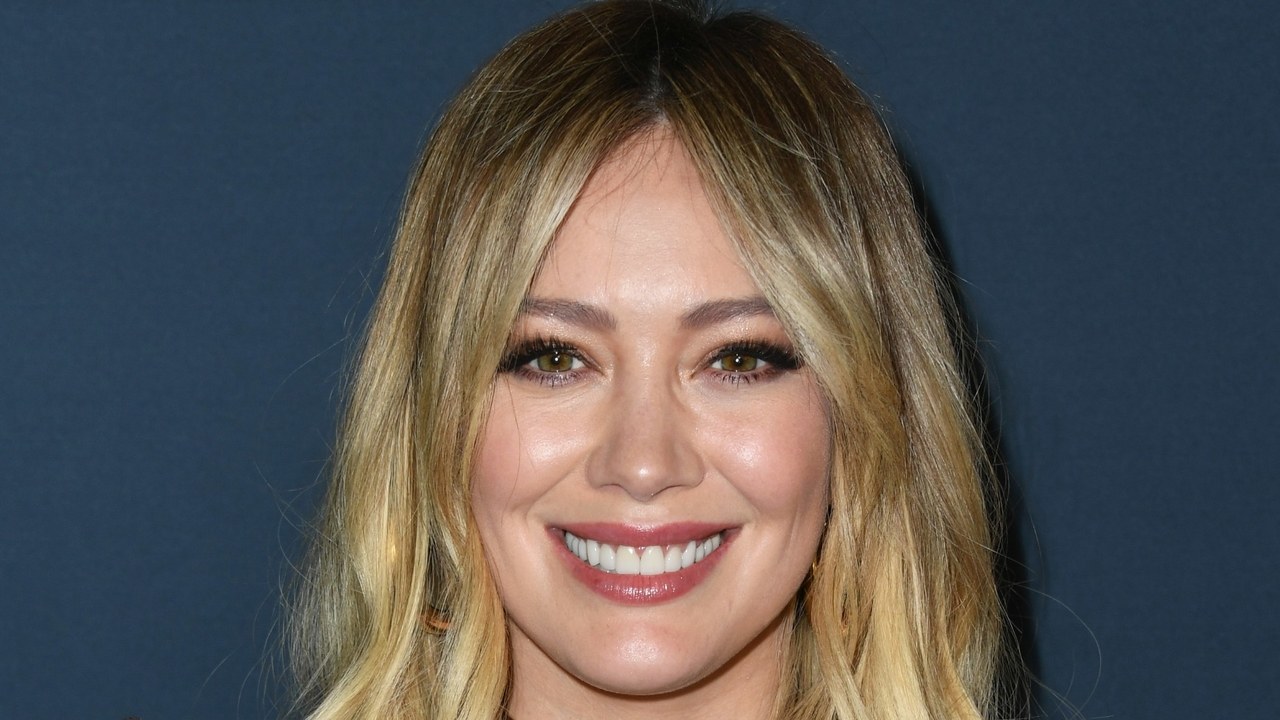
Hilary Duff Will Feed Her Daughter Any Damn Way She Wants, Thanks


Hilary Duff recently had a debate with her son, Luca. “He was like, ‘Boys are stronger than girls,'” Duff tells Glamour. “And I was like, ‘You’re wrong.’ And he was like, ‘Well their muscles are bigger.’ And I was like, ‘Men can’t do what women can do. We’re stronger. Eternally stronger. And it’s true.'”

Duff knows a thing or two about strength. On October 25, she gave birth to her second child (a baby girl named Banks Violet Bair). By March she was back on set, filming the sixth season of her hit show, Younger. While she considers the cast to be like family, spending 16 hours a day playing powerhouse publishing exec Kelsey Peters—and running around in Peters’ signature power looks and sky-high heels—would be grueling for anyone, let alone someone five months postpartum. But with the season premiering on TV Land on Wednesday evening, Duff got it done.

“Coming back from work so soon after having a baby is so hard, and I think women are the strongest working people out there,” Duff says. There are also a lot of logistics that go into balancing a full work schedule with caring for a newborn—and it was no different on the set of Younger. “I’m still nursing Banks. I’m getting to the tail end of like, ‘I can’t do this anymore, something’s gotta give!’ Pumping at work, bringing her to a nursing session, and juggling our 16-hour days. It’s fucking crazy.”

This unabashed honesty about motherhood—from opening up about having a “hard as hell” pregnancy, or getting real about breastfeeding—has become a signature of Duff’s, particularly on social media. In recent months Duff’s Instagram has gone viral for a recreation of Rachel McAdams’ breast-pumping photo shoot (in Duff’s version she accessorized with a shower cap that was nothing short of iconic), and has been flooded with photos of baby Banks. But for every woman who feels seen by Duff’s essay-length captions on pumping, or less alone when scrolling past a photo of Duff cradling her sick infant, there are those who object to her candor. You know the type: Internet mom-shamers who prefer perfect, filtered baby pictures to those that actually depict the realities of life with a newborn—and feel entitled to sharing their opinions with the world.

“I just saw a comment on my Instagram that was like, ‘Were you feeding your child solids while she was laying down?'” Duff says. “I’m like you know what, I’m going to feed my daughter how I want to feed my daughter. And if that’s laying down, or hanging upside down because it works for her, we’re gonna do it.” And this isn’t the first time Duff has received this type of feedback. In the past she was criticized for posting a photo of herself kissing her son on the lips, who was only 3 years old at the time. And while the rampant mommy-shaming stars like Duff are subjected to on social media can be irritating, Duff takes the high road, and leaves the clapping back to her friends. One of whom will, “go in so hard, he’s so sarcastic, I love it,” she says.

Because as Duff taught her son, women are eternally strong, and she’s far from an exception. Whether it’s balancing her shoot schedule with nursing, silencing the haters, or showcasing the darker underbelly of parenting on the ‘gram, Duff’s got this whole motherhood thing down. No matter what they might say in her comments.


Source link

Categories
Health

A Period Emoji Is Coming and It's About Damn Time


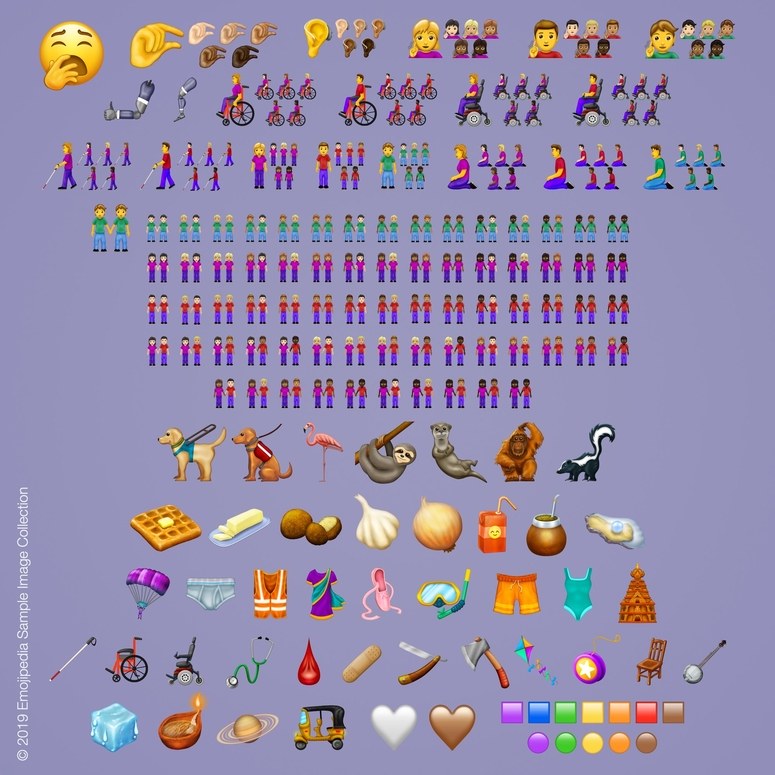
For all the time we spend talking about periods, it’s appalling (appalling!) that not a single emoji can adequately represent that time of the month. A syringe, a germ, and poo have all made the cut but there’s no emoji that can adequately speak to our monthly menstruation? Seriously?! Finally, that’s about to change. A period emoji is being released this moth.

The period emoji, a rather cute little droplet of blood, comes after a campaign by Plan International UK, a charity fighting for girls’ rights around the globe, to help put an end to period stigma. Literally everyone on the planet either has a period or knows someone who does but still, period stigma remains a very real thing. A 2017 survey by Plan International UK found nearly half of girls in the UK between 14 and 21 were embarrassed by their period. But it’s not just about embarrassment over Aunt Flo that matters—around the globe, period stigma keeps women and girls from work and school. In some cultures, period stigma even threatens women’s lives.

The shame needs to stop. “With emoji becoming one of the fastest growing global languages, we realized having a period emoji could help change things,” Plan International UK said. Think about it: if the poop emoji has made it easier to talk about that bodily function, a period emoji can help normalize menstruation. At least it’s a start.

The droplet of blood is admittedly kind of generic (Plan International UK’s first choice period emoji, a pair of period panties, was rejected by the global governing body of emojis) so, may we suggest a combination of the period emoji followed by ?, ? and ? to make sure your point gets across.

So when can you start getting your menstruation emoji on? The period emoji will be added to your keyboard sometime this year, according to Emojipedia. It’s not the only stigma-reducing emoji on the way—new emojis for 2019 also include people in wheelchairs and people with disabilities.

Credit: Emojipedia

Here’s to ending stigmas one emoji at a time.


Source link

Categories
Health

25 Linen Dresses For When It's Too Damn Hot


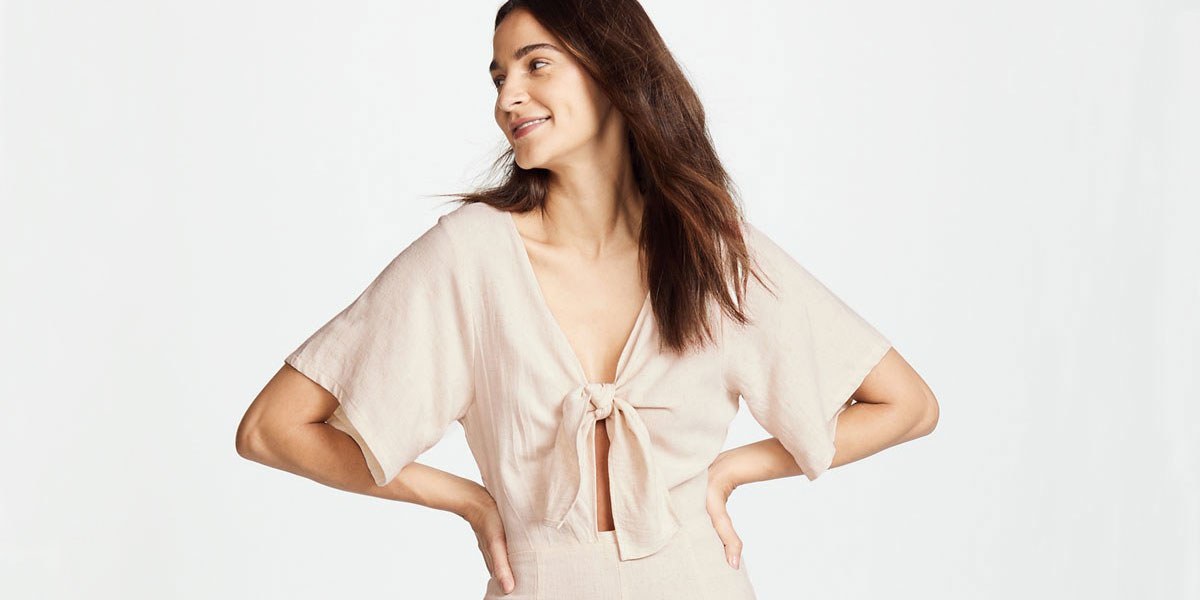
The excitement of it finally being summer can get you pretty far—iced coffee! Blockbusters! Swimsuits!—but not far enough that you forget the unpleasant experience that is getting dressed for 100% humidity. All your favorite fashion brands are doing you a solid this season, though, by incorporating the one and only fabric you want to be wearing when the heat gets real: linen. You’ll find every single type of dress you could ever want—slips, leg o’mutton, button-front—fashioned out of the breathable material, so you can continue to live your best summer without having to fuss about whether you’ll sweat through your outfit.

We bring you the trends. You make them your own. Sign up for our daily newsletter to find the best fashion for YOU.


Source link

Categories
Health

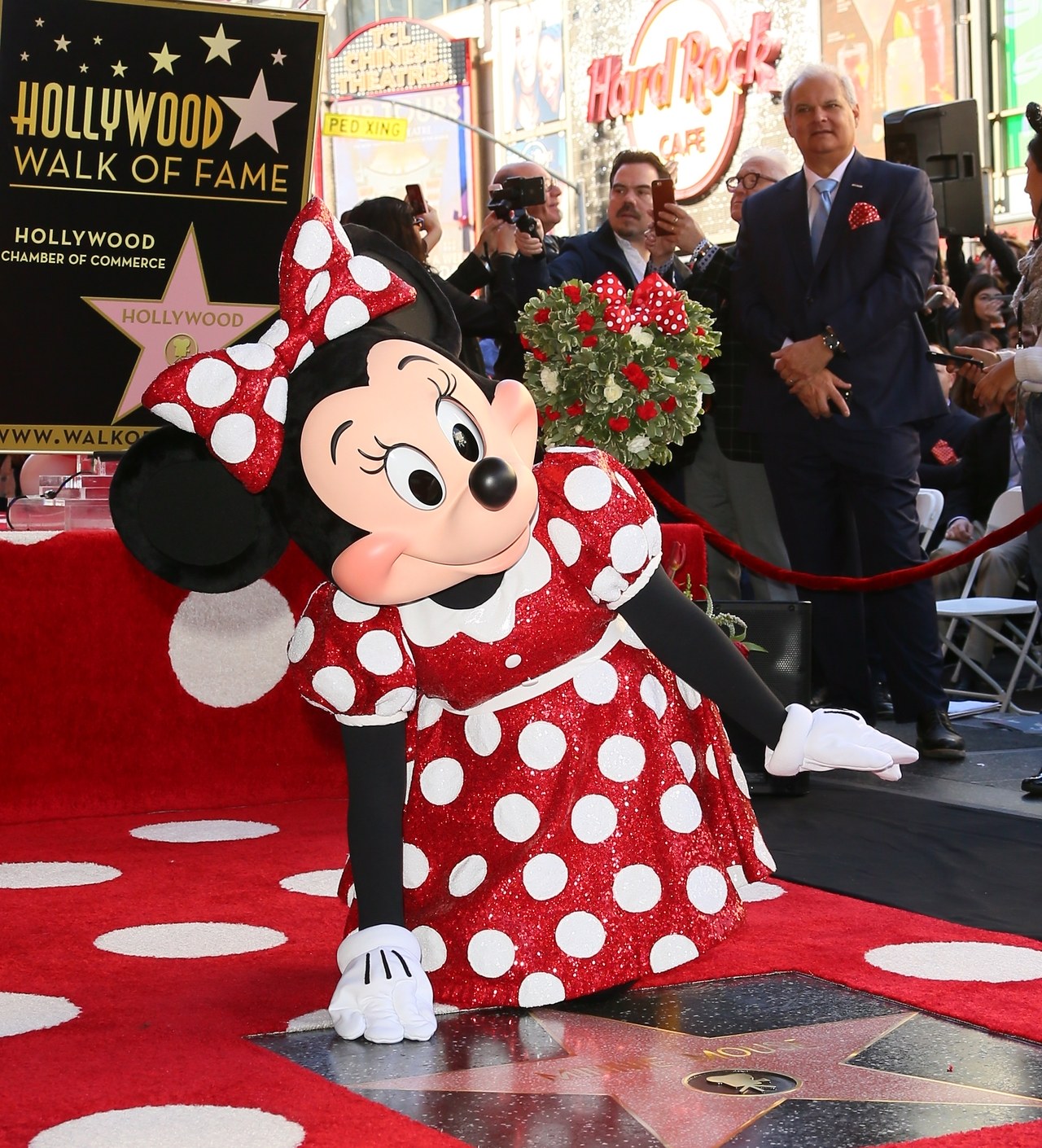
Minnie Mouse Just Got a Star on the Walk of Fame—40 Damn Years After Mickey


Disney didn’t say why they were finally giving Minnie Mouse a star on The Hollywood Walk of Fame on Monday, but it could be because her longtime partner, Mickey, got his 40 years ago. In 1978, to be exact. Whether they’re “woke” enough to realize the symbolism here or not, Minnie’s treatment is an uncanny example of an industry relying heavily on women but pretending not to. Her story is every woman’s story

Minnie’s treatment wouldn’t be such a big deal if other mediocre make-believe males —Donald Duck, all the Rugrats, Woody Woodpecker—hadn’t already received their stars decades before, despite having substantially lower value to their parent company. Even dogs get stars before Minnie. Lassie, Rin Tin Tin, and Strongheart have had theirs for 60 years now. In what kind of upside down world does a woman, who’s been serving her boss for over 90 years and is pretty much the face of a billion-dollar media company, not get as much credit as dogs who couldn’t even talk and nobody under the age of 40 has even heard of?

I realize this is a anthropomorphic rodent we’re talking about here, but Disney’s disregard for Minnie and her importance to their global success perpetuates a larger world view that doesn’t value women’s work, both paid and unpaid. What makes it all the more ridiculous is the fact Disney relies on its female characters even more than its male ones. In fact, some might say Disney’s shift to princess culture is behind their takeover of the entire industry.

This push towards princess-driven stories was intentional after Disney struck gold with The Little Mermaid. Before then, Mickey and Minnie were the characters we’d stand in line to get a hug from.

PHOTO: Jean Baptiste Lacroix

Now, it’s all about princesses. To put things in financial terms, everything these princess touch turns to gold. The toy manufacturer, Hasbro, saw a 14.2% quarter-4 increase in 2016 sales once they started carrying Disney princess merchandise. And, until Disney took over the Star Wars franchise, princess stories were almost always their top grossing films. In fact, princess culture is one of the entertainment industry’s biggest successes of all times, drawing in billion from films, merchandise, theme parks, and everything. My nieces use Frozen toothpaste. Disney World’s onetime symbol of innovation, Epcot Center, was all but dead until they turned Norway into a Frozen-themed ride.

So where is Elsa’s star? Will she have to wait 40 years too?

What women in Hollywood, real or animated, want, deserve, and are finally demanding is money, recognition, and protection. Whether it come in the form of pay, Oscars, or Hollywood stars, time is most certainly up on this industry that makes boatloads of cash off women, but still doesn’t want to pay up for the privilege.

Since the #MeToo movement pushed women’s abuse to the forefront of our cultural dialogue, women have felt empowered to speak up about all forms of power imbalance. We’re calling out the Oscars, who refused to nominate Wonder Woman for a single award despite its massive success. We’re calling foul on Lady Bird’s female director being denied a Golden Globe nomination despite critical acclaim and massive success.(Luckily, the Academy saw the light—she was nominated for an Oscar this week.) Whether it’s Michelle Williams or Catt Sadler, the pay disparity between women and their male equals is not business as usual anymore.

The women’s Olympic gymnastics team is trying to gut an industry that made them sacrificial lambs to a sexual predator while they brought them home gold medals. The women’s soccer team, who won the world cup and are far more talented than their male counterparts, are suing for compensation. NFL Cheerleaders, which reportedly make less than minimum wage, are telling their stories now too.

Whether it be Hilary Clinton, Natalie Portman or Simone Biles, women are tired of having to tap dance backwards to be successful. In fact, we’ve been doing far more than tap dancing in heels or hugging little kids in the Magic Kingdom wearing kicky polka dots. Our labor is what makes the world turn.


Source link

Categories
Health

Damn Right Taylor Swift Deserved Being Time's Person of the Year


“Spineless feminism” and “political passivity” are some of the phrases Taylor Swift’s critics used this week, after Time revealed “The Silence Breakers” as its Person of the Year. In the back right corner of the issue’s cover, Swift leans against a wall, joined by Ashley Judd, another familiar face. But the other women that share the cover aren’t familiar—in fact, there’s even a partial shot of a woman’s elbow, which was done intentionally to represent the anonymous women who came forward to Time. And yet, as with everything Taylor Swift touches, a social media firestorm was ignited at the proclamation that the star was a Silence Breaker.

Lots of people, including influential journalists, reviled the singer, making outrageous claims that Time only used her to sell magazines, or suggesting that Swift’s experiences with sexual harassment were somehow less important than others’. But the dissecting and ranking of people’s experiences with sexual harassment and abuse is alarming, as is the discussion of which victim “deserve” a cover spot. Any woman who has been sexually harassed or abused “deserves” that spot, and newsflash, none of these women wanted to be sexually harassed in the first place.

Knocking Taylor Swift has become a sport in America, often for reasons that are relatively harmless—her feud with the Kardashian-Wests, her dancing, her music. But, we’ve also taken to calling her out for missteps that hold more gravitas. The overwhelming issue feminists take with Swift surrounds her inaction on social issues. Yes, the pop star was silent during the 2016 election. No, she didn’t publicly use the #MeToo hashtag on Twitter to support her sisters in arms. Many felt it was her duty on both counts to stand up for women and pick a side—makes sense when you’re someone with a platform as massive as hers —but she is, first and foremost, a pop singer. Throwing her hat into the activism ring shouldn’t be required.

But the thing is, she did. Time included Taylor as a Silence Breaker because she was one. Earlier this year, DJ David Mueller sued Swift for defamation of character. Swift claimed he reached under her skirt at a public meet and greet and grabbed her ass—and there is photo evidence to support it. To prove a point that predatory men can’t get away with harassment anymore, Swift counter-sued him for a comical, petty price of one dollar. She won the case, and gave a notoriously fierce testimony, of which she commented, “I’m told it was the most amount of times the word ‘ass’ has ever been said in Colorado Federal Court.” So while her critics censured Swift for her lack of participation in the #MeToo social campaign, in this case, her actions spoke louder than words.

Plus, as if suing her harasser and winning wasn’t enough, the move itself was impactful. The Rape, Abuse & Incest National Network (RAINN) saw a 35 percent increase of phone calls in the weekend following Swift’s trial alone. She wanted to send a message to young women and men that we should stand up to predators, and it worked. She told Time, “I figured that if he would be brazen enough to assault me under these risky circumstances and high stakes, imagine what he might do to a vulnerable, young artist if given the chance.” While Swift is unfathomably privileged, she did exactly what someone with that kind of power should do: she used her it to usher in positive change, even if she chose not to follow it up with a hashtag.

And let’s not forget that last year Swift donated $250,000 to Kesha to help with her financial fees after being denied an injunction in her lawsuit against Dr. Luke, and did so quietly. This move had no impact on her career, and she had no reason to insert herself into that headline. When Swift went through with the counter-suit, she also had no reason to bolster her image. Plus, the entire lawsuit took place before the Harvey Weinstein report went public, and before the massive second wave of #MeToo (the original movement was started by Tarana Burke in 2007).

No matter how rich or famous someone is, suggesting that a woman came forward about sexual assault for attention is revolting. Being harassed or assaulted is traumatic, and the added stress of coming forward doesn’t alleviate that, it intensifies it. Research shows that reporting sexual harassment can actually worsen one’s job, psychological and health outcomes. One of the main reasons women don’t come forward is fear of a negative response or further harassment, which Taylor proved is a valid fear. The bravery it takes someone to come forward at all—let alone a woman who knew she would be crucified for “attention-seeking,” is hard to imagine. Money and privilege don’t make any person’s body public property.

Ranking which victims’ circumstances are worse or “deserving” of media attention has to stop. Regardless of your opinions on Taylor Swift as a musician or celebrity, it’s imperative we view her trauma objectively. While Swift often shies away from social issues, she hasn’t done anything wrong. No survivor owes the public his or her story, and Swift should be commended for sharing hers, end of story.

Jill Gutowitz is an LA-based writer who has written for VICE, Broadly, Teen Vogue, AwesomenessTV, Dame Magazine, and more. Follow her on Twitter @jillboard.


Source link