Categories
Health

5 Tips for Turning Your Big Idea Into Even Bigger Small Business


She Makes Money Moves is a new podcast from Glamour and iHeartRadio. Hosted by Glamour editor in chief Samantha Barry, the podcast shares intimate, unscripted stories from women across the country along with advice from financial experts to help guide those women—and women everywhere—forward. Download a new episode every Tuesday, then visit glamour.com/money for an article like this, with more insights from that week’s expert.


The number of women-owned businesses in the United States has grown by almost 3,000% since 1972, according to the 2018 State of Women-Owned Businesses Report. Women now make up 40% of entrepreneurs—and more are becoming their own boss than ever before.

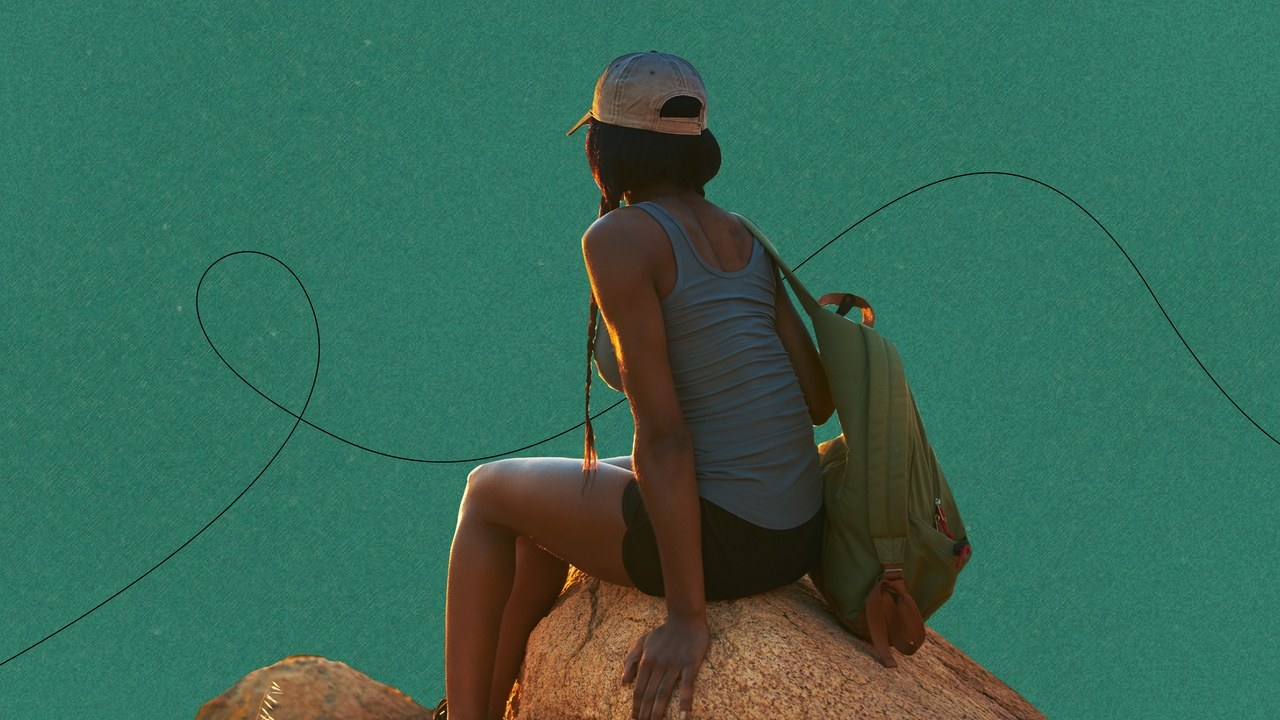
This week’s podcast guest did just that. She left her job to hike the Pacific Crest Trail, and when she finished that, she eventually opened a business inspired by the trek. While she loves her work, she’s having trouble making enough money to stay in business. To make do, she’s picked up side jobs, but would like to come up with a more rigorous business plan. So Barry welcomed Ashley Feinstein Gerstley, founder of the Fiscal Femme to the podcast. Here Feinstein Gerstley outlines how to turn your big idea into an even bigger business.

Know your numbers.

When we’re going out on our own and starting our own businesses, it’s more important than ever to know our numbers. That means knowing exactly what our personal and business expenses cost us each month and each year. When planning, try to include things that happen less regularly like annual subscriptions, doctor’s appointments, travel needs, etc. Using a budgeting spreadsheet helps to make the process simple.

Map out your future income.

When I left my corporate job to run the Fiscal Femme full-time, the business was nowhere near profitable. I was earning some income from the Fiscal Femme, so I did my best to map out/project how that could potentially grow over time. This was important so I knew how much “runway” or how many months of expenses I needed to have saved to be able to stay afloat if the business continued to lose money.

This is a lot more of an art than a science but aim to map out how you expect your revenue to look over time. This number will continually change so update your numbers as your business grows and changes—and budget accordingly.

Create your version of a “freedom fund.”

When I decided I wanted to work on the Fiscal Femme full-time, I created a spreadsheet called the “Project Freedom.” Here I tracked all of my income and expenses, and most importantly, it was a place where I tracked my total savings. Every time I saved money, I added it to the total on the spreadsheet. I never felt more motivated to decrease my expenses as when I was building up my freedom fund.

Source link

Categories
Health

How Turning 30 Has Made Me Rethink Lingerie Shopping


I’ll never forget getting measured for my quinceañera dress and being horrified that my hips were double the size of my chest. I felt uneven, incomplete. Here I was—literally preparing to be presented to God as having officially entered womanhood—feeling the complete opposite of womanly.

Those feelings stuck with me well beyond my 15th birthday. And they’re largely why I’ve always struggled to view myself as sexy, especially when it comes to shopping for lingerie. That’s partly because I grew up surrounded by hypersultry, hyperstylized underwear ads broadcast everywhere from mall store windows to primetime television. I needed bras and underwear, but I was intimidated by the prospect of walking into a store and buying them—hell, I was repelled by it. Gisele Bündchen was sexy. Tyra Banks was sexy. Me? I was a work in progress.

Something is changing for me, though: I’m turning 30 in a few months, and I’ve started to feel like I’m running out of excuses to be flippant about what I wear underneath my clothes. I’m supposed to be “thirty, flirty, and thriving,” so shouldn’t my bras make me feel grown-up? It’s a doubly significant milestone for me, because it marks 15 years since my quince. (Some Latinas celebrate a doble quince when they turn 30.) Considering how the singular experience of getting measured for my dress led to so much insecurity about my body later on, it seems fitting that I begin to take that power back now. And that begins with my underwear drawer.

The process was easier than you might expect, in part because the ads and marketing we see for lingerie are changing: Indie brands like Lonely Label and TomboyX, as well as buzzy names like Aerie and Savage X, release campaigns that feel personable and welcoming, with different types of bodies and faces. They’ve inspired me to think about this type of fashion in a new way.

Models at Savage x Fenty’s show during New York Fashion Week

Presley Ann

BROOKLYN NY  SEPTEMBER 12  Model walks at the Savage x Fenty  September 2018  New York Fashion Week at Brooklyn Navy...
Presley Ann

“The turn away from supermodels to more relatable, everyday models for intimate apparel has been significant,” says Cora Harrington, founder of the blog The Lingerie Addict and author of In Intimate Detail: How to Choose, Wear, and Love Lingerie. “When I first started The Lingerie Addict over 10 years ago, this conversation was just starting in the lingerie blogger community, and now it’s a part of our everyday dialogue when we’re discussing lingerie brands.”

Her advice to me on how to build my lingerie collection? “Only buy things you love and want to wear,” she says. “It’s easy to go a little overboard, especially when you’re first becoming interested in lingerie—I know I did. It’s equally easy, especially if you’re a hard-to-find size or if you’re not used to having options, to feel like you have to just buy everything. But you don’t want a drawer full of things you never wear or—God forbid—that you hate.”

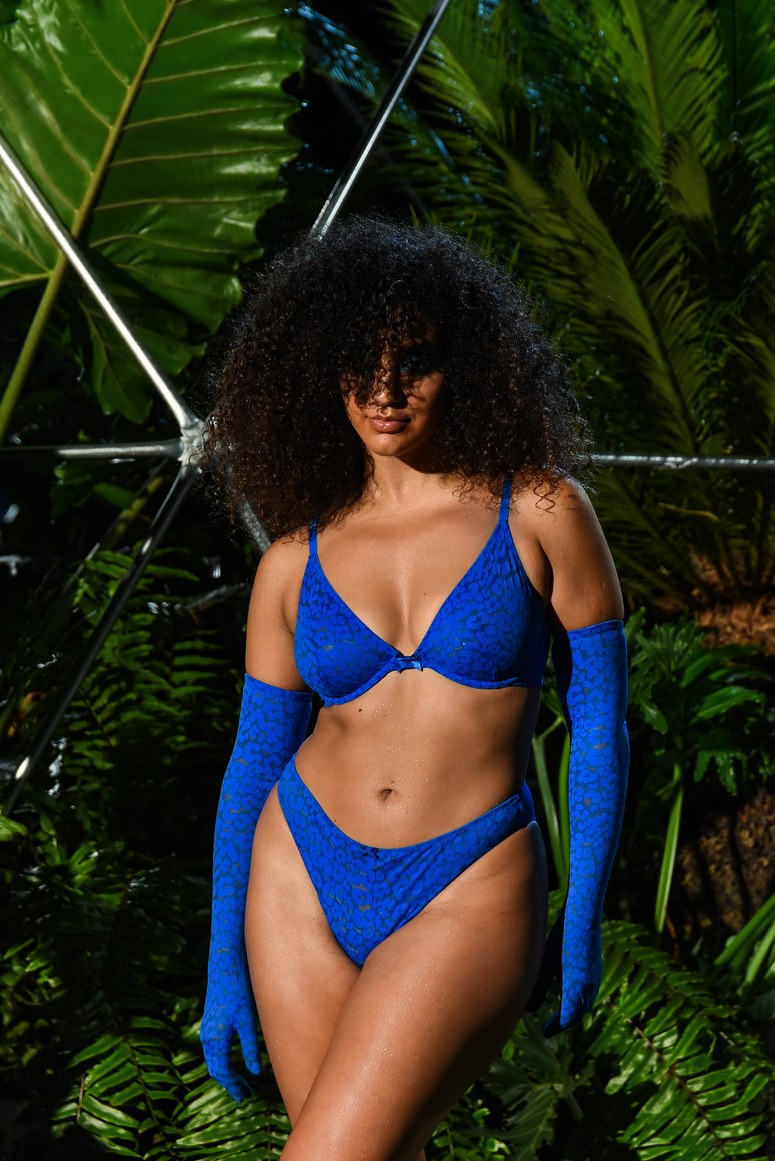
Up to this point, my underwear drawer has been filled with rather blah bras I’ve picked up in bargain bins over the years. My focus this time was on finding everyday bras that were comfortable first and foremost, but that also felt feminine and sexy.

Harrington recommends starting with a little bit of research, if only to have a realistic understanding of what you need and what you’ll find. “Most of us aren’t really taught or exposed to much in the way of lingerie education,” she says. “A lot of people don’t understand that bra construction must change as the breast size changes.” For example, an F or K cup can’t be built the same way as a B or D cup is. “It’s not that manufacturers want you to have ‘ugly’ bras—it’s that a flimsy wire, thin straps, or too-delicate lace is simply not supportive enough.”


Source link

Categories
Health

Fatimah Asghar of 'Brown Girls' on Turning Microagressions Into Dark Comedy


In a world short on joy, humor can be a unifier and a survival tool. In that spirit, we bring you our Comedy Issue, a month-long celebration of funny (and fearless) women and the enduring power of a good laugh.

I’ve spent a lot of time at borders, in the space between two countries or two places. Recently, as I stood in the Pakistani consulate, applying for a visa to visit my father’s family, a man stared quizzically at me. “Where’s your husband?” he demanded. I explained that I wasn’t married; I am a woman, alone. “You’re 28? You should be married,” he responded with the same judgment as my aunties’ at family barbecues; then he consulted his supervisors about what to do with me. On another day I might have corrected him, explaining how I don’t need to be with someone to be a full human; or how, because I am queer, my spouse wouldn’t necessarily be a man anyway. But because I needed a visa, I held my tongue.

Interactions like this are common: people demanding to know what man claims me. I get it from strangers who slide into my DMs to family members who ask whether I’m ready to get married. A few weeks ago, my uncle called to tell me about an engineer in Pakistan I should marry. When I declined, my uncle asked if I had ever used a neti pot; he had recently used one and it changed his life. The call ended with him saying, “OK, just take some time to think about the marriage? And think about using a neti pot.”

[embedded content]

Asghar’s web series, *Brown Girls,* now in development for HBO.

The surreality of these exchanges and their extreme casualness makes them hilarious. As a screenwriter I pepper them into my scripts because they’re part of the fabric of my life. I’m not a sitcom writer; I prefer dark comedy, diving into microaggressions and cultural misunderstandings. I’m also a poet, whereby I explore the bleaker undertones of these moments: what it’s like to have my queerness negated, to have my religion questioned in queer spaces, to always have to explain myself, and to not be honest about both my religion and sexuality. It is the feeling of being forever stuck at the border, of never knowing why your identity might spark some trouble: because I’m Muslim? American? queer? brown? a woman?

Once, when I was traveling from Jordan to Syria at night, a border control agent took my passport, locked it in a drawer, and said he would consider giving me a visa in the morning. Passportless, I played cards with my friends all night as we slept in shifts. Another time I was detained at the Israeli border and put into an isolated room for four hours as border agents questioned me about the nature of my visit. While these interactions are tense and riddled with fear, they also contain a strange beauty: In in-between spaces, things cease to have definition; you don’t belong to one country or another. It’s a strange and poetic land of possibility where I get to define myself on my own terms.

Courtesy of Random House

I’ve found my chosen family in queer communities of color and with other queer Muslims. What I long for most are spaces where I don’t have to explain myself, in which my identities are not contradictory, places where I get to be my full self. Where I—not a man or husband—decide who I am.

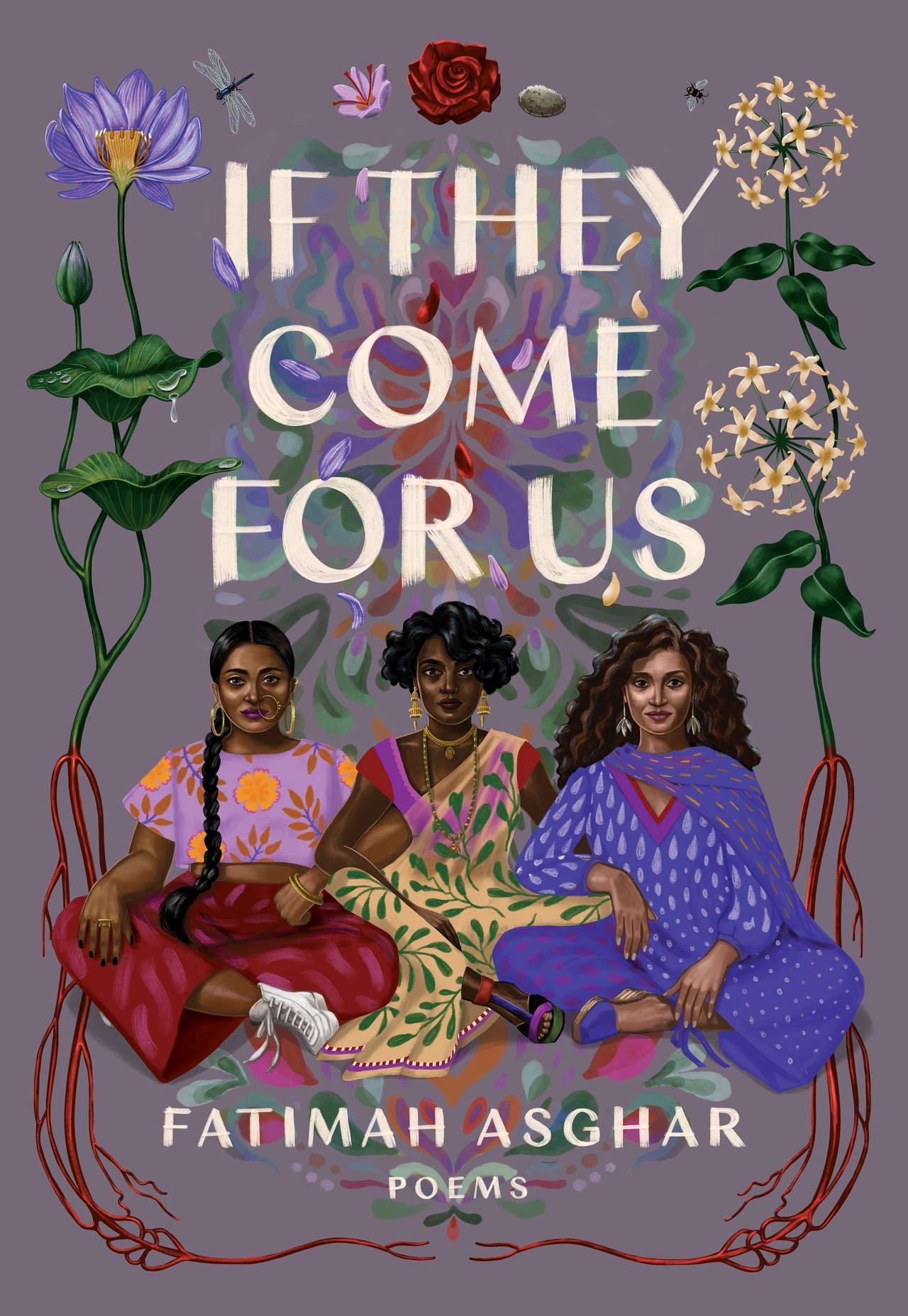
Fatimah Asghar, 28, is the creator of the Web series Brown Girls, now in development for HBO. Her book of poems, If They Come for Us, is out August 7th.


Source link

Categories
Health

Julia Roberts Is Done With People Asking Her About Turning 50


In a quick break from addressing sexual harassment in Hollywood, let’s talk a little sexism meets ageism. Good times, right? Sometimes it’s exhausting to be a woman. (But usually it’s pretty great.)

Did you all know that Julia Roberts just turned 50 a few days ago? Well, she did—not that it should be some huge deal. And she’s just about had it with reporters constantly asking her about the big day. In an interview with InStyle she (very rightly) vents her frustration, telling the magazine, “Really, people? Are we still in that space? Did anyone go over this with George Clooney or Brad [Pitt] before their 50th birthdays?” No, Julia. No, they did not.

It’s a tale as old as time. Hollywood has always had trouble figuring out what to do with women of a certain age. Ryan Murphy’s “Feud” was essentially about this topic, with Bette Davis and Joan Crawford as the main players in the drama. I don’t know about you, but I’m super interested in seeing interesting stories about women of all ages. And I certainly want to keep seeing Julia Roberts on my screen for all of my days.

We should all approach getting older like our favorite “Pretty Woman”: “I always love my birthday, and [celebrate] with open arms and gratitude … There’s nothing different about this birthday than any other one.”

Also, just stop acting like aging is something that applies to women. Seriously.


Source link