Romance novels, associated with women, are derided as formulaic and predictable—the ultimate guilty pleasure. Mysteries and thrillers have a set structure, too, but remain popular with men so those are spared the designation. Soap operas and dating shows are coded female, so those are worthless; professional wrestling, although sometimes just as scripted, reads as male. Junk food or fast food, which anyone with a few bucks can buy, is a guilty pleasure. Haute cuisine at a Michelin-starred restaurant—even if it clocks in at triple the calories, with more grams of fat and sugar than a Value Meal—is not.
Through it all, our guilty pleasures have endured. They’re profitable—romance novels, for example, account for almost a quarter percent of the fiction market; 36 percent of adults eat fast food on any given day, The Bachelor has, for decades, been one of ABC’s top-rated prime-time shows. And yet even though they’re money-makers, guilty pleasures are always shameful. I ate a bag of Bugles before noon! I binge-watched an entire season of Love Island. I ordered Popeyes for lunch! I put ice cream on my ice cream, and crushed-up Double Stuf Oreos on top of that!
But at least on Twitter, which is the only way I can still find out what’s going on outside my own front door, it feels like things could change. As we sit at home on our couches, we are presented with a new option—the chance to uncouple harmless, social-distancing-adherent pleasure from shame, the chance to realize that rest and leisure has an important place in the rhythms of a week or a day. With two dozen or so states now under some version of a shelter-in-place mandate, the same hobbies for which we were once shunned are now model behaviors! If there were ever a time to stop beating ourselves up for loving that bad show, for following those celebrities on Instagram, for calling a bowl of cereal dinner, this is it.
Now that our couch potato-ing gleams with the patina of responsible citizenship, now that we’re home (if we can be), soothing ourselves with the same packaged snacks and globs of unbaked cookie dough, binging the same trashy shows or losing ourselves in the same YA dystopias, can our guilty pleasures just be pleasures? With a global pandemic breathing down our necks, with our healthcare workers making unimaginable sacrifices so that we can remain in our living rooms, with some much real inequality to get angry about, can we just agree not to feel bad about Nabisco?
As someone who has seen her novels categorized first as “chick lit” then as “women’s fiction” and now as “beach reads,” I’d be delighted if, when we do emerge from our quarantine, food is just food; books—some heavy and some light—are just books; television shows are just mindless, diverting fun, without the pejorative of guilt.
And if nothing else, this experience of quarantine and social isolation should leave us with the conviction that pleasure matters; that pleasure is not optional, but essential to a full life. “The goal of pleasure to me—is it allowing me to feel deep joy, satisfaction, and fulfillment rather than [giving me] a way to escape or numb?” says Dr. Schalk. “Pleasure,” she says, “makes us more alive.”
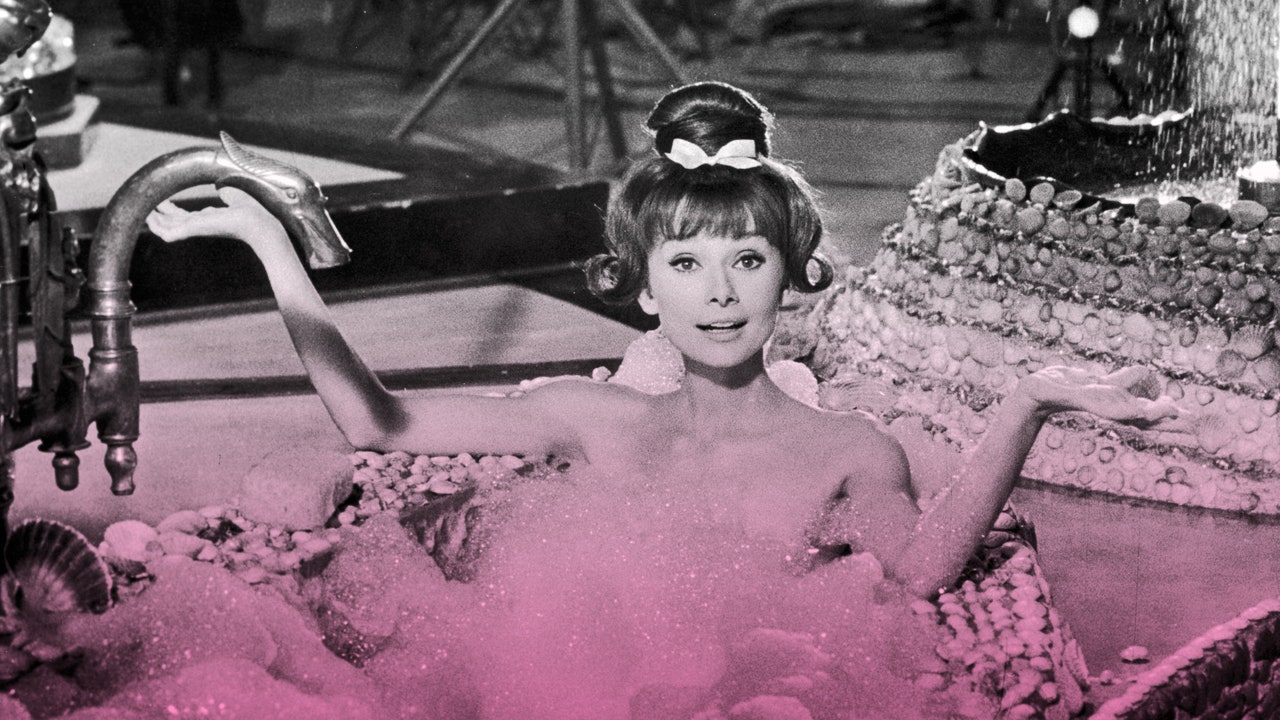
I’m taking her advice, and doing my best to embrace the fleeting joys of this moment. (Yes, even this one.) I’m letting go of the guilt. Instead of performing self-flagellation (for whom?)—I can’t believe I ate all of that—I’m choosing to savor. The news has our bodies on high alert, and the indulgences we crave—the bubble baths, the cookie dough, the naps, the long afternoons with Grey’s Anatomy—are some of the best and most responsible methods of self-soothing available to us right now. Instead of beating ourselves up, says Dr. Schalk, we should instead tell ourselves, “I accept what is happening and I am making purposeful, self-loving choices.” Doesn’t that sound nice?
Jennifer Weiner is a contributing opinion writer to The New York Times, and the author of 14 novels, including Good in Bed, Mrs. Everything, and the upcoming Big Summer.