Look out, Lifetime: It looks like Netflix is getting in on the “creepy relationship movie” game.
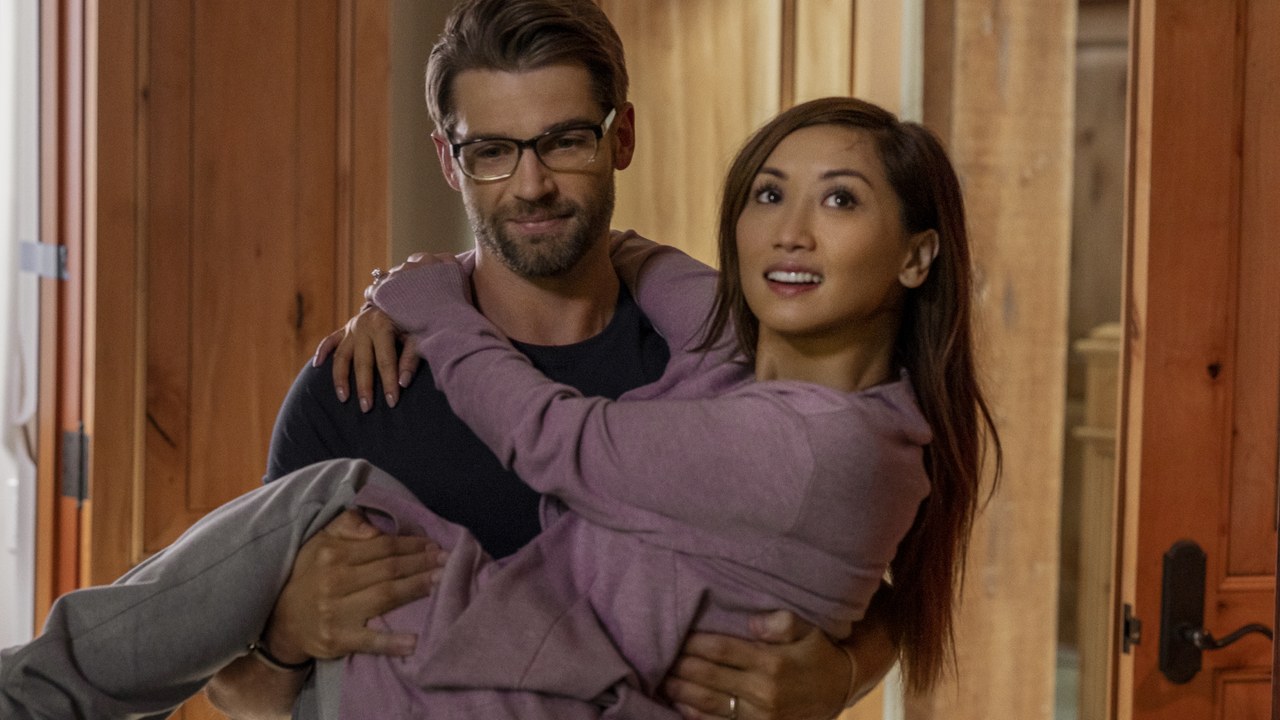
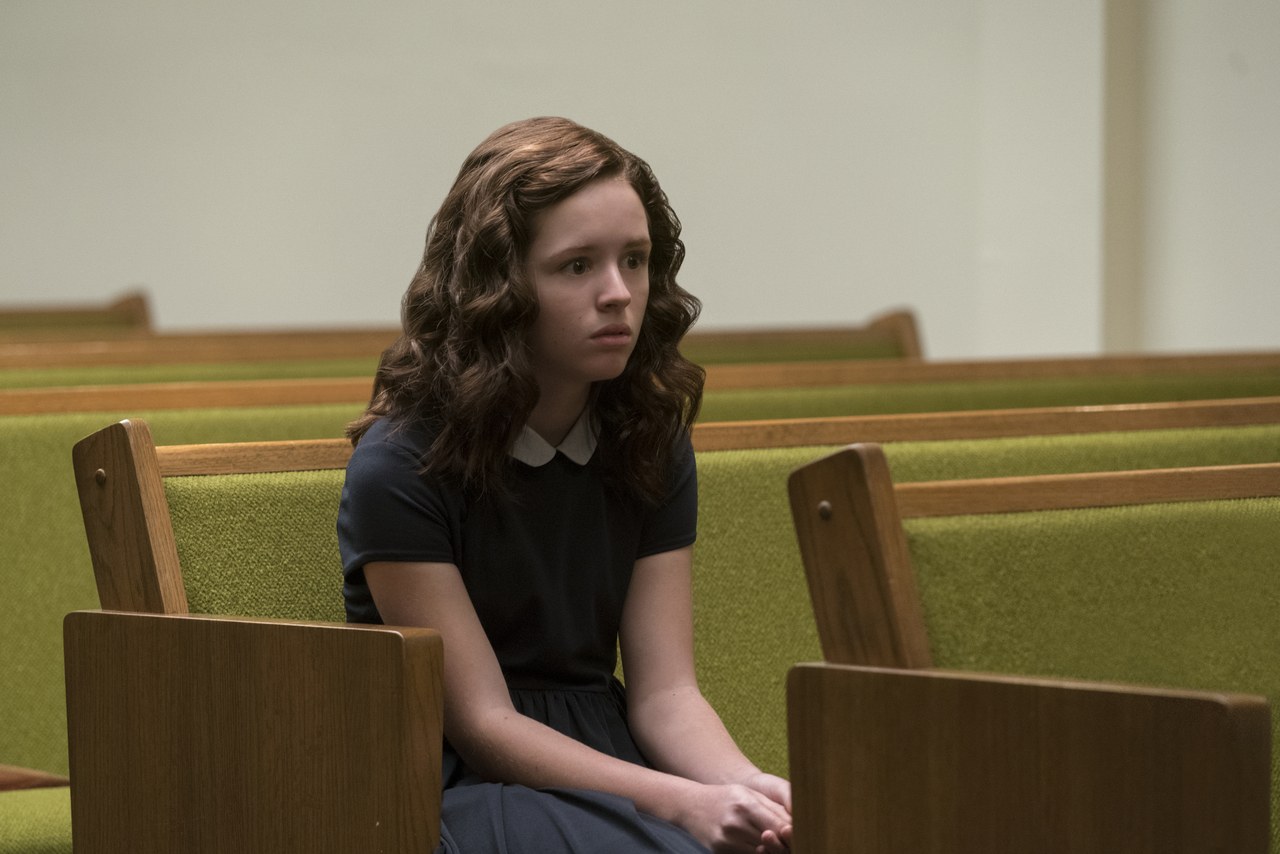
The streaming platform just released the trailer for a new thriller, Secret Obsession, that stars Brenda Song and Mike Vogel as a couple whose marriage isn’t all that it seems to be.
The trailer opens on Song’s character, Jennifer, waking up in the hospital, unsure of how she got there. Her husband, Russell (Vogel), says she was injured in an accident that left her with some major memory loss—she has no recollection of her modern life, including who her husband is. So she takes Russell’s word at face value.
But something definitely feels off as Russell takes Jennifer home to a gorgeous home in the mountains where he says the nearest neighbor is a mile away. A detective (Dennis Haysbert) starts digging into the case and quickly discovers that this Russell isn’t actually Russell at all. “The audience actually finds out the twist before my character does. I think the thrilling part of the movie is trying help Jennifer catch up,” Song told Refinery29.
Check out the trailer for yourself, below:
[embedded content]
Secret Obsession is a departure from Netflix’s recent run of rom-coms like To All the Boys I’ve Loved Before, The Kissing Booth, and The Perfect Date—but we’re here for it. “I think people (me included) just love scaring themselves,” Song also toldRefinery29. “Obviously having a stalker is no joking matter, but stalker movies are just so fascinating and terrifying.”
Song tweeted last month about the movie, “Sooo excited I can finally tell you guys that Secret Obsession is premiering in @Netflix on July 18th! Here’s a quick sypnopsis: Recuperating from trauma, Jennifer (Me) remains in danger as she returns to a life she doesn’t remember. Excited for you guys to see it!”
July 18 is only about a week away, people. Get ready.
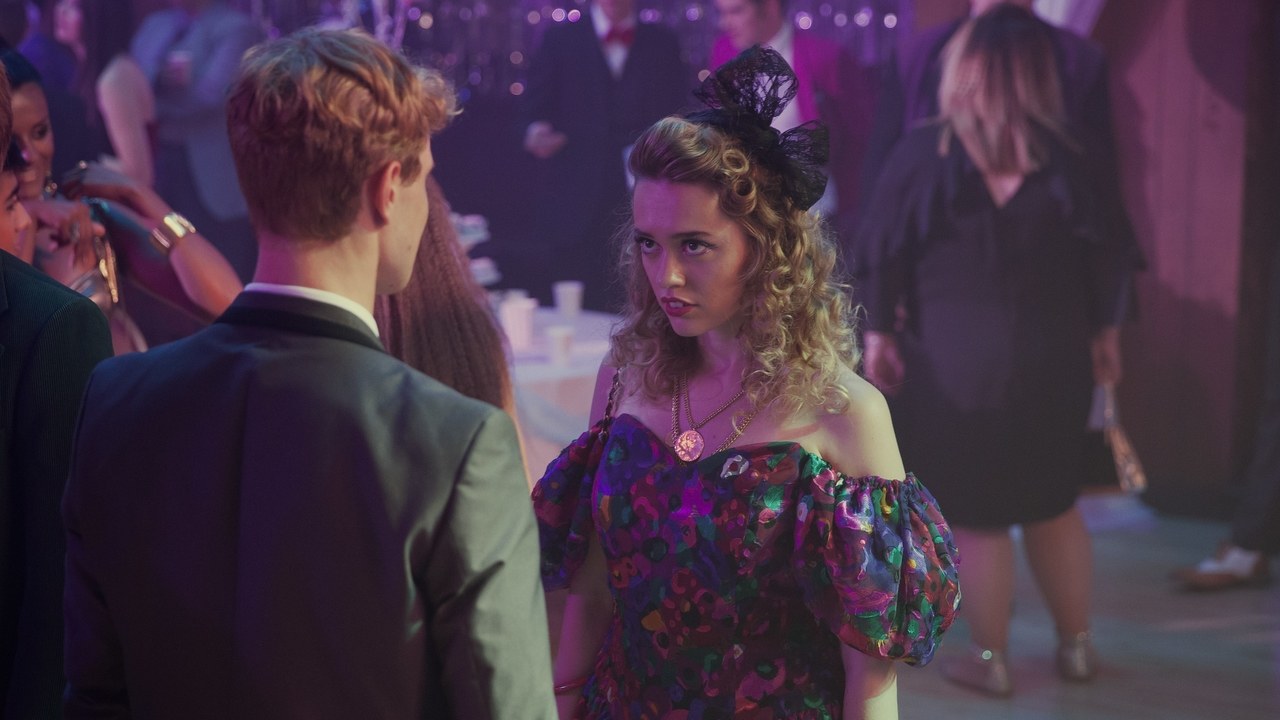
Gossip Girl left a hole in my heart when it went off the air seven years ago. The popular CW series epitomized one of my favorite sub-genres in entertainment: hot people running around with zero consequences. There hasn’t been a show to come around since then that’s hit quite the same spot for me…until now. On Friday, May 10, Netflix‘s latest drama The Society comes out, and Gossip Girl fans need—I repeat, need—to tune in.
The show is essentially a more bonkers version of GG with a little bit of Riverdale and Lord of the Flies thrown in. It centers on a group of high school seniors from a wealthy suburb who are bused away for the weekend to the mountains. What soon follows, though, is terrifying: In lieu of a luxe hiking resort, the kids are dropped off in an exact replica of their town. Everything is the same (the buildings, the streets, the restaurants) with one big exception: No one else is there. Their parents, siblings, and other friends have all disappeared. There’s no cell phone reception, no Wi-Fi. They don’t even have cable. Freaky, right?
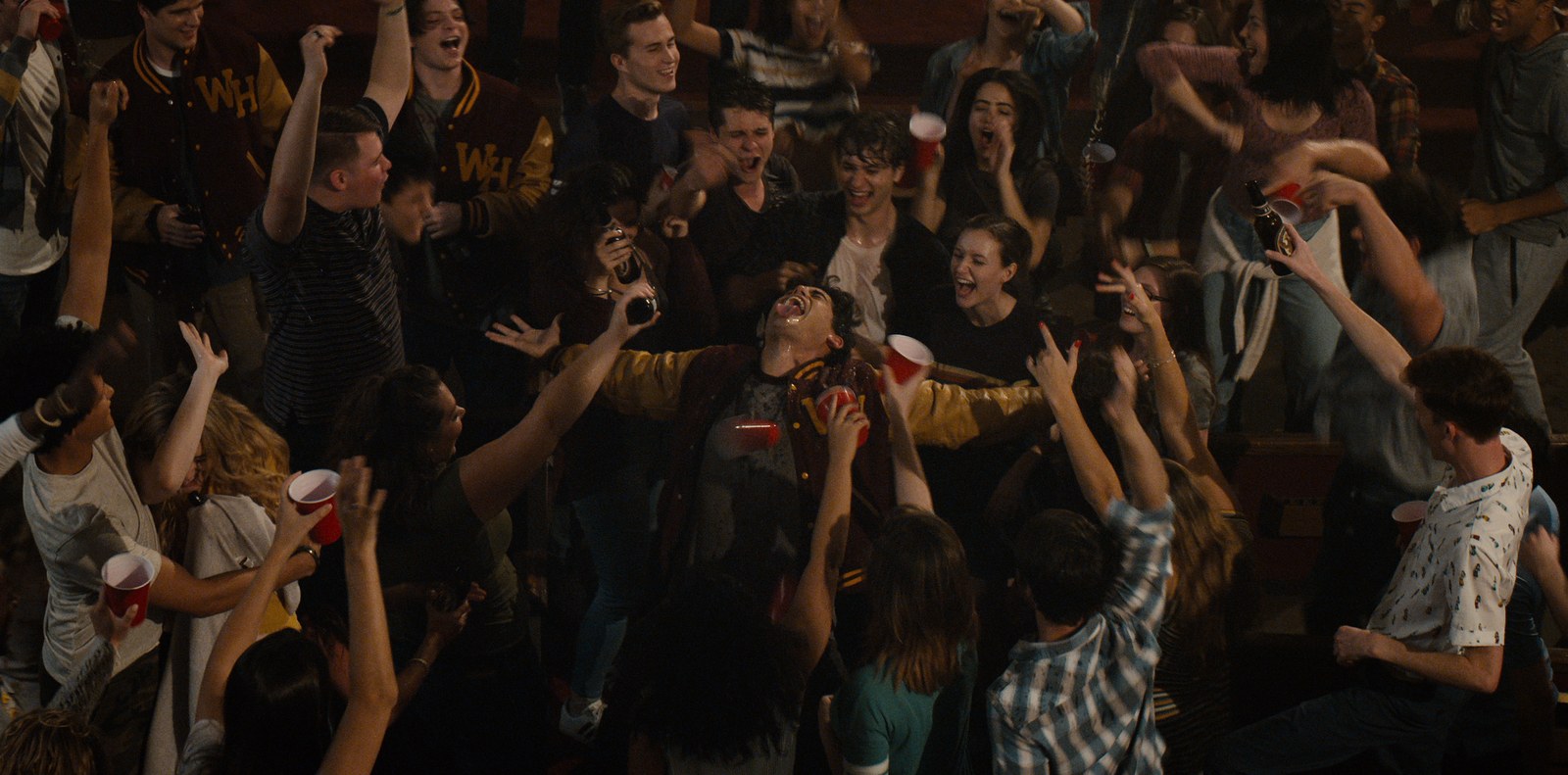
Well, these kids don’t think so at first. Instead, they revel in the lack of parental supervision, much like the Gossip Girl characters did for years. They throw a party at the town’s church, which turns into quite the scene: a fantasia of underage debauchery and Natty Light. But the hangovers come quick, and so does the revelation that all is not well. What starts out as sheer ecstasy soon becomes a nightmare, and the descent into chaos begins.
Netflix
To be clear, there’s nothing relatable about The Society. I didn’t identify with any of the characters (all hot, all troubled—Blair Waldorf is shaking in her Louboutins). I didn’t feel particularly moved by any of the narratives. What I did experience after the first episode, though, was a rush of dopamine: the type of high only a show like Gossip Girl—with its froth and illogical stakes and chiseled jawlines—can deliver. Pop-culture these days is filled with relatable programming: movies and TV shows designed to make us feel seen and less alone. Don’t get me wrong, we still need that content desperately, but sometimes it’s nice to escape into a world so steamy and far-fetched, you forget about your problems. That’s what Gossip Girl was for me in 2007. And that’s what The Society is for me now.
Riverdale is perhaps the only show currently on that matches The Society’s level of camp and ridiculousness (I mean that in the most complimentary way, obviously). When I tune into Archie and the gang’s shenanigans every week, I’m looking to dissociate a little bit—transport to a world where everyone’s ripped and 17-year-olds own and operate speakeasies. The eye-rolls and jaw-drops are part of what makes Riverdale so addictive and fun. The Society follows this exact formula to gangbusters results.
For one, the characters are just as delicious. There’s Campbell (Toby Wallace), an antagonistic oaf who makes Chuck Bass look like a saint; Allie (Kathryn Newton), who matches Jenny Humphrey’s blond, brooding aesthetic minus the eyeliner; and Will (Jacques Colimon), the Dan Humphrey of this universe, though I’m pretty sure he’s not running an anonymous blog.
I am, however, confident that someone (or something) is watching over these kids. That’s really why The Society gives me such distinct Gossip Girl vibes. Of course, the all-seeing eye on GG turned out to be Dan, and his reasoning for essentially stalking his friends was quite shallow: He simply wanted to see what life was like on the Upper East Side. The only price his peers paid, really, was having their adolescent secrets revealed, which was devastating in the moment but negligible in the great scheme of things.
Liz Feldman createdDead to Me, Netflix’s new dark and twisty dramedy, during a tumultuous time: She was dealing with the sudden death of a cousin, a frustrating fertility journey, and turning 40. Here, she explains how all of that inspired a show about grief, loss, and friendship.
I’ve been trying to have a baby for six years. And I won’t save the worst for last: I haven’t been successful yet.
My fertility journey has felt more like an odyssey, or if I’m being really honest, a full-on Greek tragedy. There have been painful procedures, infections, and miscarriage. Just when I thought things might be looking up, a lab technician at my Fertility Clinic lost the one egg they were able to retrieve from me. Yes, you read that right. I made one egg and they lost it. And yes, you’re totally allowed to laugh. It was my eighth egg retrieval. I had to laugh too, because I was so tired of crying.
I have learned to look at the darkest moments in life and see the comic aura around them. It’s become more than a coping mechanism; it’s my ethos. And now it’s a TV show.
I created Dead To Me, a deep, dark, twisty dramedy, in the weeks following my fortieth birthday. Turning forty can be a real mind bender, especially if you’re on fertility hormones and trying to get pregnant for what feels like the 600th time. Staring down my own mortality while trying to create life put me in a pretty dark headspace.
And then, on the day of my fortieth birthday, my cousin David died unexpectedly of a heart attack. He was fifty. I absolutely adored David. He was the heart of our family, the life of every party, and a great dad to two sweet kids. And yes, you are totally allowed to cry. I am as I write this.
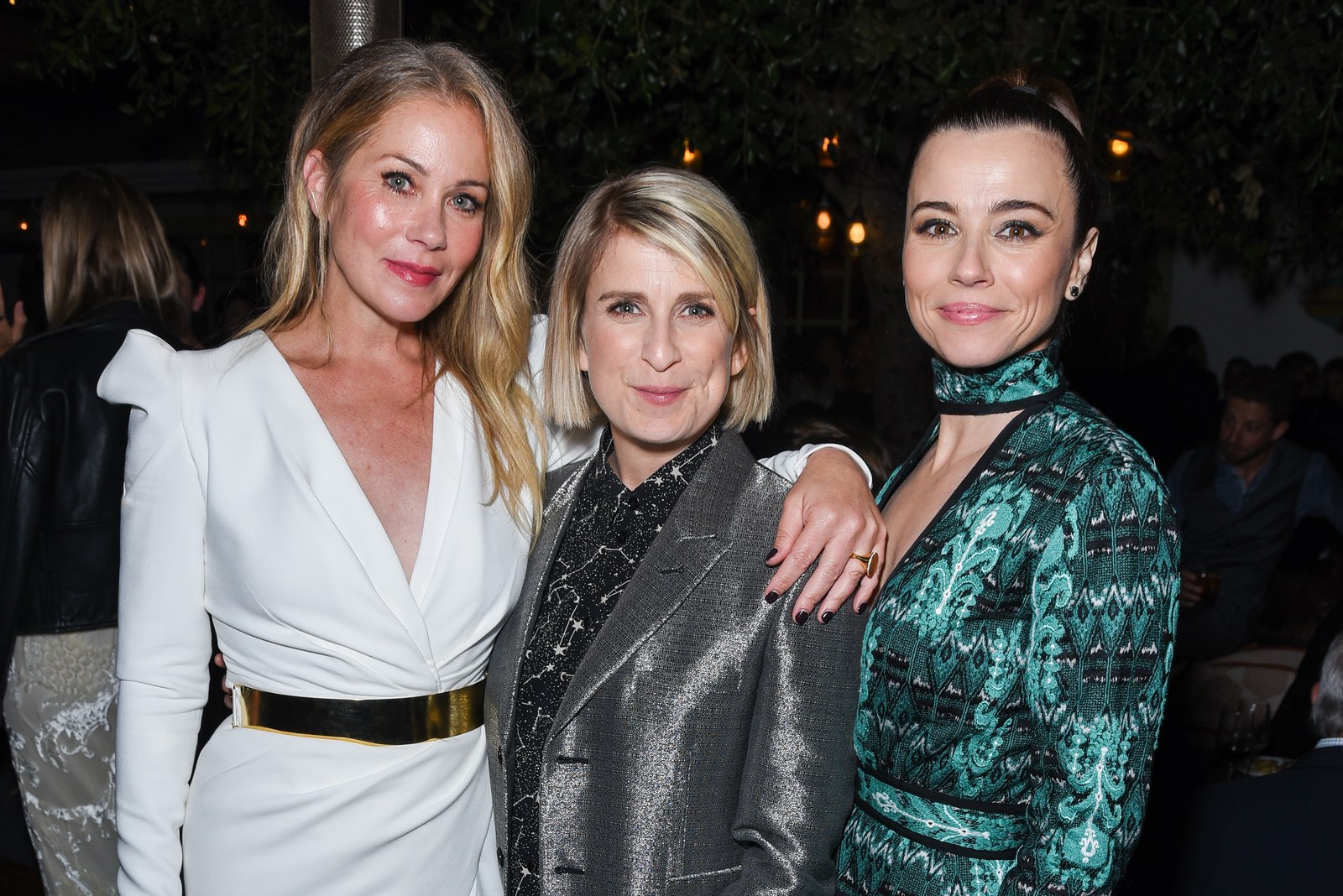
Christina Applegate, Liz Feldman, and Linda Cardellini at Netflix’s Dead To Me premiere.
Presley Ann/Getty Images
The day after David passed away, my best friend Sarah told me she was pregnant with her second child. I love Sarah madly, but I had to excuse myself to go cry in the bathroom. It’s not that I begrudged her luck, I was just so ready to have some of my own. That night, I flew to New York for David’s funeral.
The following day, I had lunch in Brooklyn with my other best friend, Kelly, who told me she was pregnant. This time I didn’t cry. Instead, I was filled with a weird kind of tingly hope. Maybe this is why it took so long for me to get pregnant—so Sarah, Kelly, and I could have our kids together! Of course! I was buoyed by this thought and reinvigorated. Life does have a way of working out, I thought, until the following day, when I got my period.
A week later, I pitched the beginnings of Dead To Me, a show about two women who meet in a grief support group. Jen (Christina Applegate) and Judy (Linda Cardellini) have suffered immense loss, but they gain strength and comfort from their newfound friendship. The story, though not autobiographical, is deeply personal. The facts are made up. The feelings are real.
With Dead To Me, I have definitely experienced some incredible luck. I got to birth an idea and grow it into a show that I now get to share with the world, via Netflix. Of course, my luck didn’t come in the form I had hoped for, but life is full of twists and turns. Just ask my best friend Kelly. Tragically, five months into her pregnancy, she lost her baby. It was a devastating time. None of it made sense. Here was my beautiful, kind, wonderful friend experiencing a level of pain and loss she did not deserve. It was impossible not to be furious at the cruelty and relentlessness of life.
Sitcoms are not a genre of TV I grew up with. Instead, I had telenovelas—dramatic ones, like La Usurpadora, Rebelde, and Pasión de Gavilanes. But as much as I was obsessed with Rebelde’s Elite Way School and its rich, privileged Mexican characters, the show never made me say, “Wow, that’s so me.”
It’s not like I gave it a lot of thought. No one I knew did. We were OK with Televisa—the premiere Mexican TV network—rolling out telenovelas with mostly white characters, who lived eccentric lives and encountered way too many problems for the amount of money they had. I never questioned why people like me and my family weren’t represented on TV.
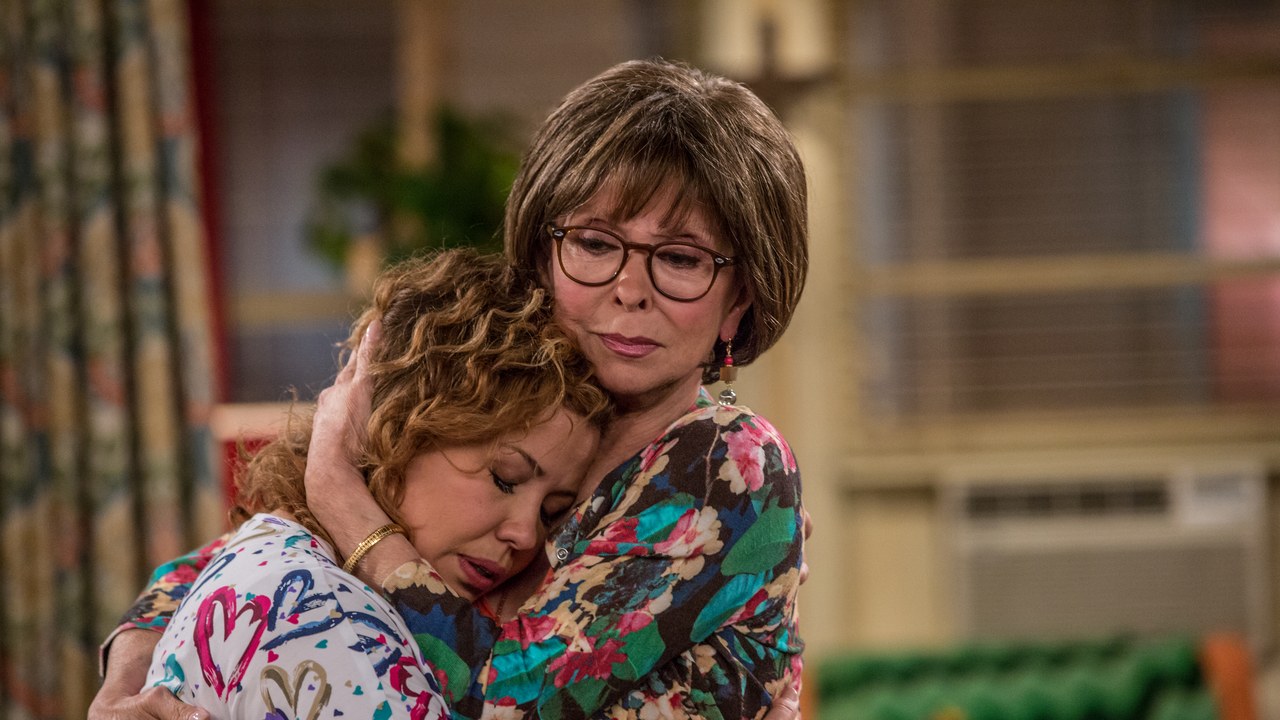
Then I watched One Day at a Time, Netflix’s just-canceled sitcom. Based on the 1970s version written by Norman Lear, the show portrayed a Cuban-American family living in Los Angeles. And from the moment Lydia Riera (Rita Moreno) first slammed open the set of curtains she called “a door with no self-respect,” I was captivated by the real-life accuracy of the story unfolding before me.
I, too, have a mother who’s always dressed to the nines—even inside her house—and cousins who are the odd ones in the family for being “too feminist” for our tias’ generation, like Elena (Isabella Gómez). I have a complicated relationship with my father, like Elena and Alex (Marcel Ruiz) and was raised by a single mother, like Penelope (Justina Machado). I have a grandmother who refused to take off her wedding ring or marry again after my grandfather’s death, and a army of tias, primas, and abuelas who have carried our family for generations. The show’s vivid characters portrayed a reality I never realized was worthy of television.
This show both celebrated and questioned our traditions, like when Elena refused to have a quinceañera for its “misogynist” symbolism. It also showed that an elderly woman can be sensual and stylish, and it portrayed a vulnerable single mom who struggled with her mental health issues in a community that treats them as taboo. The show highlighted the ways Latinxs are suffering from Donald Trump’s hate speech, even at a young age like 14-year-old Alex. But it also raised important questions about identity and love for this country that many first-generation Americans face.
One Day at a Time has been in danger of cancellation many times before, and every time I would rally on Twitter with so many others.
It always seemed like Netflix could hear our cries for representation—until Thursday. “We’ve made the very difficult decision not to renew One Day at a Time for a fourth season,” the streaming service tweeted. “The choice did not come easily—we spent several weeks trying to find a way to make another season work but in the end simply not enough people watched to justify another season.” After thanking the cast and crew, Netflix then tweeted, “And to anyone who felt seen or represented—possibly for the first time—by ODAAT, please don’t take this as an indication your story is not important. The outpouring of love for this show is a firm reminder to us that we must continue finding ways to tell these stories.”
When I saw this, I thought of the telenovelas I grew up with. I tried to imagine a crowd as passionate and dedicated to even one of them as the people of my Twitter feed were about saving One Day at a Time. There was no comparison.
The truth is, many of us still need to learn that our stories matter. That’s what One Day at a Time did so well. It showed an alternate reality, in which Latinxs are not drug lords or telenovela villains. It showed we have complex lives and beautiful traditions. It showed a community that’s longing to be represented. I know this is not the end of it.
Aimee originally went to Otis for help because her boyfriend called her out for being performative in bed. Every time she had sex, she’d moan and pretend to enjoy what she thought she was supposed to like. “You wanna cum on my tits now?” she asks in the very first scene of the pilot. Her partner goes along with it, but only because she suggests it. That shows just how much porn is affecting women in the bedroom. Even if our partner has no interest in trying these moves, we’re sometimes initiating them because we assume that’s what they want. Or worse yet, what we should want.
The truth comes out that Aimee’s faking when she tries this on her new boyfriend, Steve (Chris Jenks). When she asks, “You wanna cum on my face?” in the middle of sex, he looks at her, confused. “But I like your face,” he replies. She’s not sure how to react, so she asks if he wants to cum on her chest instead. He stops what he’s doing and asks her point blank, “Do you really want me to do that stuff?” When she unconvincingly says she thinks so, he tells her that he thinks she’s performing for him. Then he dares to ask her something no one ever has before, “What do you want?”
She admits to Otis the next day that she doesn’t have a clue. When he suggests she masturbate to figure it out, she’s grossed out. I can relate to her resistance, as I didn’t get over this shame until my thirties. Per Otis’ instructions, Aimee goes all out, spending a whole day pleasuring herself. She humps pillows, uses a hair-dryer on her neck, and tries every position.
I realized I’d wasted nearly two decades of my sex life being silent, misinformed, miserable, and feeling like a failure.
Again, it’s not that we haven’t seen masturbation before—but it’s the way it’s portrayed and thoughtfully handled that’s so striking. In Sex and the City, for example, Samantha Jones is the queen of orgasms and self-pleasure, but by the end of the series’ run, she had become more of a caricature than a human being. Even Samantha never touched herself while having sex. She’d usually start to quiver with pleasure mere moments after a man entered her, which always made me think there was something wrong with me. Why don’t I? Only once did she use a vibrator during sex, which was treated as more of a joke than something women do quite regularly. In pop culture, vibrators are either ignored entirely, treated as a threat to or replacement for men, or as a joke.
None of the girls goes that far in Sex Education, but they might as well. It’s both shocking and inspiring to see Aimee eventually tell her boyfriend exactly what to do—where to touch, how hard, for how long, and at what speed, then tell him the precise moment to blow in her ear. I know women my age who still can’t be that bold with their partners. The only reason I am now is because I realized I’d wasted nearly two decades of my sex life being silent, misinformed, miserable, and feeling like a failure—then faulting men for being selfish, instead of myself for not demanding my pleasure be just as important as his. Now, though, I’ll gladly draw you a map if I have to.
Thanks to Sex Education, we should expect to see more shows follow suit, and I hope it educates both men and women instead of PornHub. Either way, the clit has been in the shadows for too long, but watch out world. Her moment may have finally arrived.
There are several scenes in episode two of Netflix’s new series The Haunting of Hill House that made me distinctly think, “Yup, I’m watching This Is Us with ghosts.” The first is a flashback when Shirley, the second oldest of the Crain children, is mourning the loss of her pet kitten and becomes horrified when a bug crawls out of its mouth. That’s scarring enough for any preteen, but then cut to a few days later when all of her other pet kittens die. Shirley freaks out—as any of us would—and her parents, Hugh and Olivia, have an argument. Olivia berates Hugh for giving Shirley the cats because she’ll now have a warped perception of death for life. Fast-forward some 20 years later, and what do you know? Shirley owns a mortuary with her husband.
To be clear, I’m not suggesting there’s something wrong with morticians, but this sequence of events is just so on the nose. Singular Childhood Incident Directly Impacts Adult in the Most Obvious Way: That’s straight out of the This Is Us playbook—just with, ya know, maybe-possessed cats.
PHOTO: Netflix
For those who don’t know about The Haunting of Hill House, let me back up. It’s a 10-episode horror series from Netflix based on the popular 1959 novel by Shirley Jackson. The show takes a lot of creative liberties, though. It’s set in present-day, and now based on the Crain family, which is comprised of mom Olivia, dad Hugh, and kids Steve, Shirley, Theodora, Luke, and Nell. Olivia and Hugh are house flippers who’ve decided to take on a mammoth, creaky mansion as their next project. The only problem, however, is that it’s haunted as fuck—like so, so haunted. There are ghosts all over this joint and even a red door in the upstairs they can’t open. A specter named the Bent-Neck Lady lurks around the kids’ rooms like Kim Kardashian in this GIF:
All the creepiness comes to a head one night when Hugh rushes the children out of the house and leaves Olivia behind. And then Olivia dies under mysterious circumstances. Twenty-plus years later, we see these kids as estranged adults who are still extremely traumatized—from the house, their mother’s death, and other reasons.
Saying anything more will give away key spoilers, so you’ll just have to watch if you’re now intrigued. From that synopsis alone, though, you can see the This Is Us parallels clearer than Haley Joel Osment saw dead people in The Sixth Sense. Melodramatic siblings! Flashbacks! A central mystery! The list goes on and on, so let me break down the key ways The Haunting of Hill House could easily be called This Is Us But Spooky:
1. The dynamic between the five siblings. The child Crain siblings are fairly happy go-lucky in their mansion despite all the ghosts, but as adults, not so much. Shirley and Theodora are tight, but Shirley is on the outs with Steve. Steve is on the outs with Luke. Nell just wants everyone to get along. You get the idea! There’s a lot of latent sibling tension that rings very close to the time Kevin called out Randall for being the favorite on This Is Us. The amount of drama between the Crains makes the problems on This Is Us seem like cake. At least Kate doesn’t have to worry about spirits from the beyond.
2. All those flashbacks.The Haunting of Hill House thrives on the art of flashback, much like This Is Us does. We’ll start with a scene from the past, and then see how those events have affected the family in present times. It’s eerily similar to the narratives on This Is Us. Just swap Mandy Moore’s grandma wig for paranormal activity. (The wig is still scarier.)
[embedded content]
3. What happened to Olivia? The Crain matriarch passes away mysteriously after the rest of the family leaves the house. The official report is that she died by suicide, but Hugh is convinced Hill House played a role in her death. After the first episode, you watch the series knowing Olivia is dead, but flashbacks help tell her story—much like Jack’s on This Is Us—and her demise is a central question on the show. (Stay tuned to see if a Crock Pot is involved.)
4. Thirst trap family members. On This Is Us, Justin Hartley is always walking around with his shirt off, and Randall exercises 5,000 times a day. Meanwhile, Michiel Huisman (who plays adult Steve on Hill House) has smolder for days that’s only enhanced by his hipster glasses. An atmospheric thirst trap!
5. The crying. Nell spends the entire first episode crying. Shirley spends a large chunk of the second episode crying, as does Luke. Hot Steve cries, too. I’m not judging them, of course—they’re dealing with literal ghosts—but the sheer amount of tears shed in just two episodes absolutely puts Hill House in This Is Us territory. Have tissues on hand when you watch—to cover your eyes when things get terrifying.
The Haunting of Hill House is now streaming on Netflix.