Categories
Health

Chris Noth Says Mr. Big Wouldn't Have Died in 'Sex and the City 3'


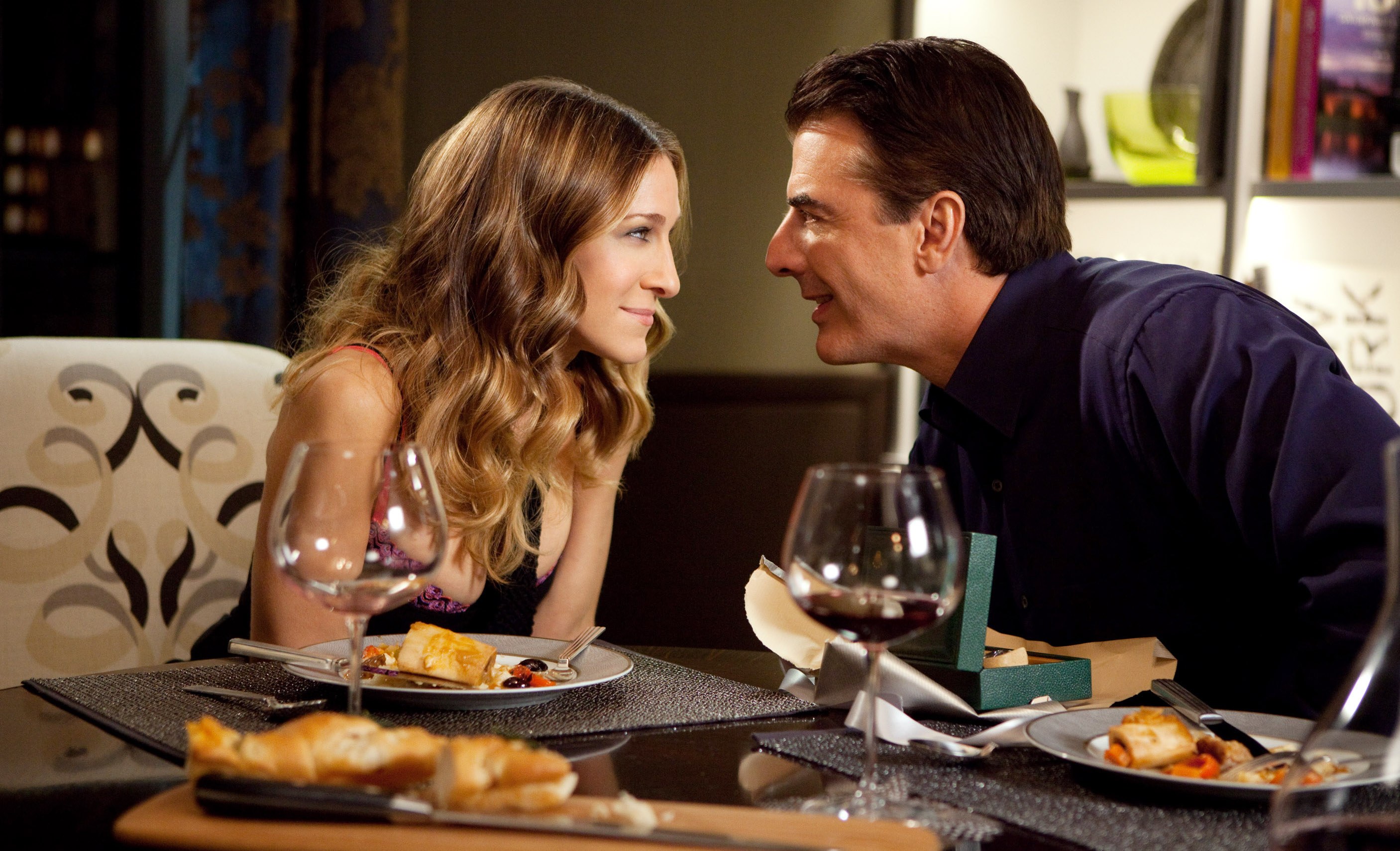
Chris Noth just put an end to the rumor that Mr. Big would’ve died in Sex and the City 3. That story, if you’re unfamiliar, came from the podcast Origins, which is currently doing a deep-dive into SATC. In one of the episodes, host James Andrew Miller reports people in Kim Cattrall’s inner circle were certain she’d never do a third movie, partially because of a reported storyline that has Mr. Big dying of a heart attack and Carrie Bradshaw grieving his loss.

“They pointed a fact that it calls for Mr. Big to die of a heart attack in the shower relatively early on in the film, making the remainder of the film more about how Carrie recovers from Big’s death than about the relationship between the four women,” Miller reports.

But this isn’t true, according to Noth. The actor told Page Six that Mr. Big would be alive and kicking if a third movie ever happened. “He wasn’t going to die,” Noth said. “There’s no way he was dying; that was all a lie.”

That being said, he insists there’s no drama within the Sex and the City community—though, at this point, the possibility of a third movie is unlikely. “There’s no drama, there’s no movie, there’s nothing going on with it, it’s over it’s gone,” Noth said.

To be honest, we’ll probably never know exactly what would have happened in Sex and the City 3. Sarah Jessica Parker says the script was “heartbreaking,” but that could mean anything. Maybe there was a death, or maybe all the women decide to move to Connecticut. Both would be heartbreaking. (Kidding, Connecticut is great!)

Related Stories:

This Weird Samantha Plotline Might Be Why Kim Cattrall Passed on Sex and the City 3

Sarah Jessica Parker Says She Can’t Imagine Sex and the City 3 Without Kim Cattrall

10 Things About the Sex and the City Movie That Are Ridiculous—Even by SATC Standards


Source link

Categories
Health

My Dad Had Just Died from Cancer—Then I Got Diagnosed with Breast Cancer, Too


When Homa Sadat’s father was diagnosed with pancreatic cancer in 2010, her family, including her mother and seven siblings, watched him shrink from 187 pounds to 118. Every day after work she would put on a brave face and visit her dad to lift his spirits. Then she’d head to the bathroom, close the door and cry from feeling so helpless. “With pancreatic cancer, you usually find out at the last stage,” says Sadat, a 33-year-old former property manager who lives in Los Angeles. “There was nothing we could do.”

Her dad passed away in 2011. “Seeing him go through that was really hard on me—we were really close,” says Sadat. “I saw what cancer and chemotherapy could do to someone.”

Because of her father’s illness, Sadat was persistent about checking her own body for signs anything was off, including her breasts. About six months after her father died, she felt a lump.

At her gynecologist, they decided to take a watch and wait approach. “I put it out of my mind,” she says. “I was so busy with my life with work and school. I didn’t think that it would be anything serious.” By the time a shooting pain in her breast brought her back to the doctor, it had been another six months. Testing eventually revealed she had triple negative breast cancer, which had spread to her lymph nodes.

Homa did a lot of research on where she could get the best treatment, eventually deciding to participate in a clinical trial at City of Hope, a cancer treatment and research center in Los Angeles. “I felt really comfortable there,” says Sadat, who went through 16 weeks of chemotherapy followed by surgery and radiation.

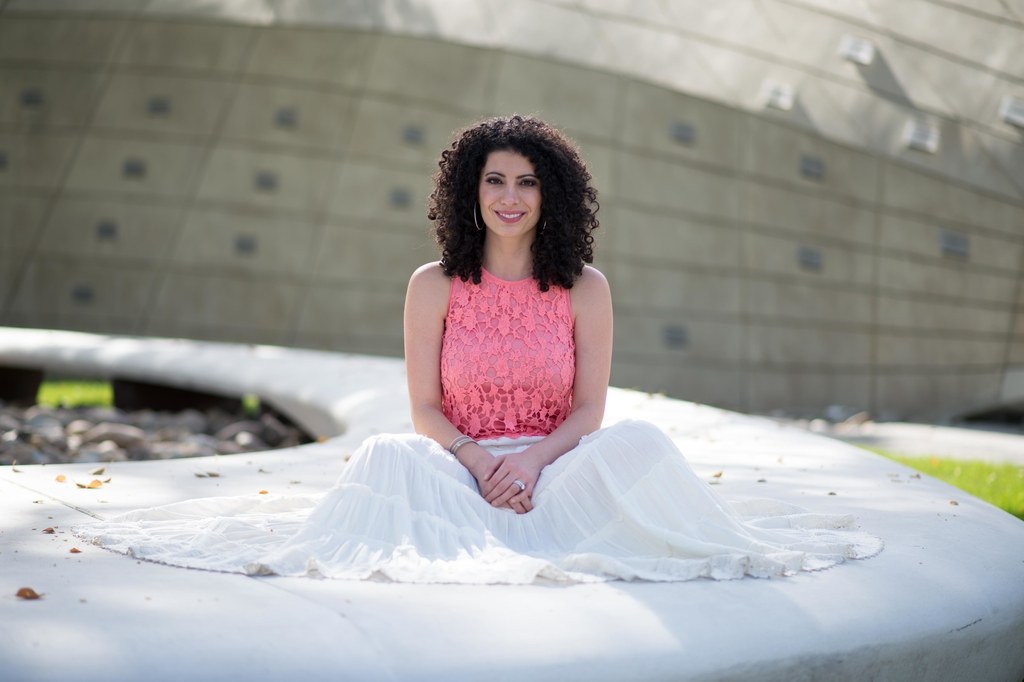
Homa Sadat in Los Angeles.

“I was pretty strong about it because I witnessed my dad go through it. I was like, “Okay, I can do it, too,” she says. But she also knew that her mother and siblings had just faced the loss of an integral part of their family to the same disease, and that made her want to shield them from her treatment at times. While her family was an incredibly strong support system, Sadat felt inclined to stay away from them at times and relied heavily on friends, living across the street from her mother’s house after recovering from surgery.

“I didn’t want to be in their face going through the same thing again. My mom was just trying to deal with the loss of my dad. It had only been a year since we lost him. I didn’t want to be a reminder,” she says. “But no matter how strong I acted around my family, they knew my pain and what I was going through. I couldn’t hide it from them.”

Part of trying to stay strong meant normalizing her life as much as possible and not looking like a “sick person,”—especially after her little brother broke into tears one day when she took off her wig in front of him. As a part of this, working was incredibly important to her. “Just because I had cancer didn’t mean my life stopped,” says Sadat, who continued to try to work throughout her treatment. “I’d go out, have dinner—keep living my life.” In the end, Sadat, who is now cancer-free, says this approach helped her. “Fighting and acting like I didn’t have cancer really got me through it,” she says.

She also focuses on a new philosophy of spending as much time as you can with loved ones and stressing less. “One thing I didn’t have before that I do now,” she says, “is balance.”


Source link