Categories
Health

As a Germaphobe, I Thought I’d Be Prepared for a Pandemic


Panic-buying cases of Clorox wipes and washing your hands until they crack is something most people have only recently become acquainted with, thanks to the COVID-19 outbreak. Welcome to my world.

I live with something called mysophobia. It’s essentially a fear of germs—an extreme fear. I see germs everywhere. When I take the bus, for instance (before the coronavirus prevented us from actually going anywhere), I’d come home hyper-aware that the clothes I sat in on the bus seat with could not be the clothes I’d sit on my bed with. They were contaminated, crawling with who only knows what. When friends are kind enough to do a few dishes after coming over for dinner, I pull them straight out of the cabinet and plunge them back into the sink for a proper disinfecting that’s up to my extreme standards as soon as they leave. I can’t go to bed without showering most nights, because if I do, I’m acutely aware of the fact my head touched the backrest of a taxi, and that same hair would be touching my pillow.

I’ve always pretended my germaphobia was within socially acceptable bounds. It was “funny,” a type-A personality quirk, never an over-the-top, wow-that-girl-has-issues problem. Only three people in my life knew the truthful extent of my condition and how it derailed my daily routines and spiked my anxiety—my therapist was one of them.

Before the world began falling apart, things were on the mend a little. I knew my phobia was linked to anxiety that resulted from childhood trauma. But adopting a cat named Holly, of all things, helped me start to cope. I can’t pinpoint whether it was having the unconditional love of a fur ball or just realizing that expecting a cat to uphold my clean-freak standards was ridiculous, but either way, I came to accept that she would shed and get dirty and bring germs into my perfectly sanitized bubble. I made peace with wiping her paws every time she returned from being outside and washing my hands after touching her. It wasn’t that my mysophobia had suddenly been cured, rather that I wasn’t so constantly anxious about germs.

Then COVID-19 hit. I saw it creeping up on the world when news about a potential pandemic first made headlines in late December. When the first case was reported in Singapore—where my younger sister lives—in January, I remember obsessively quarantining gifts she’d sent me in a cupboard after I’d sanitized them, feeling guilty that I was relapsing into my old ways and terrified about what an outbreak in my own city would do to my phobia. “I always sanitize things that come into the house from outside,” I told myself. “I always cough into my elbow. I always sanitize my devices, remote controls, switches, and door handles. I microwave my dish sponges between dishwashing sessions, for gosh sakes! I’m safe, and overreacting, and this’ll all probably blow over.”

It didn’t.

Fast-forward to three months into a full-fledged pandemic. Being a germaphobe in the midst of a viral outbreak is a visceral experience—as if my phobia were jumping out of my brain and into daily headlines on CNN. My germ anxiety suddenly feels validated—now everyone sees the germs I see everywhere. I don’t need to hide the fact that I sleep with a bottle of sanitizer by my bedside or that I spray down the soles of my shoes before entering the house. Suddenly the fact that I shower and change after grocery runs doesn’t seem strange. Nor does my habit of washing my hands like a surgeon on a medical drama.


Source link

Categories
Health

How to Be Prepared if Roe v. Wade Is Overturned


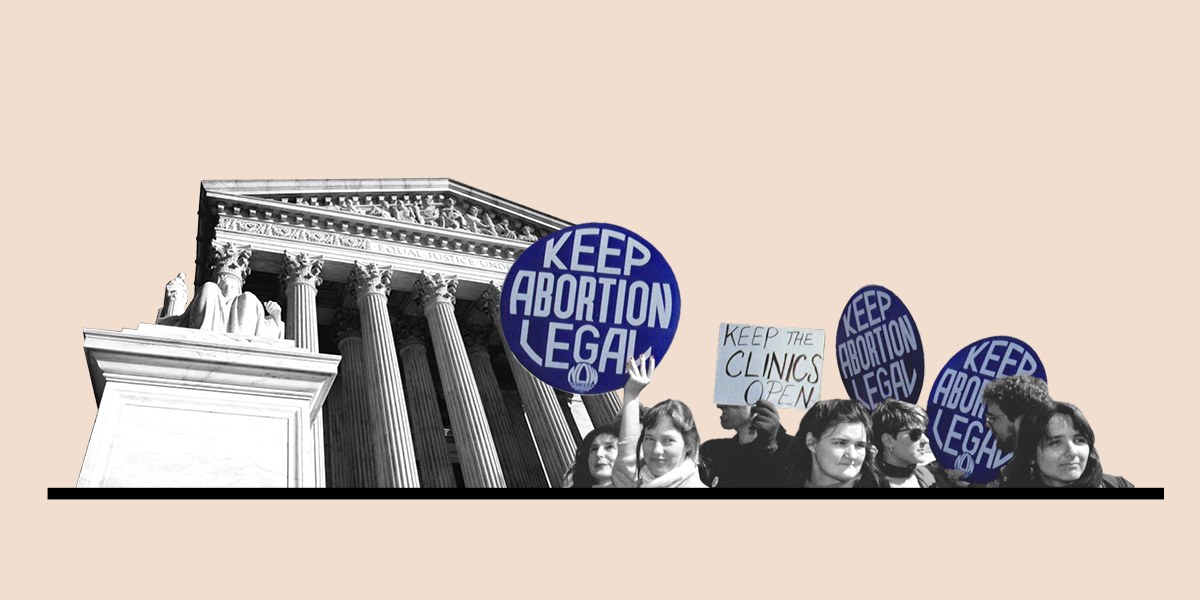
Nearly half a century after the Supreme Court ruling that enshrined a woman’s right to choose into federal law, Roe v. Wade’s future is uncertain. If Roe is overturned or restricted, yes, we will need to raise holy hell. But beyond fighting policy, there are steps every woman should take now to protect their rights, according to ob-gyn Kate White, M.D., and nurse practitioner Molly Finneseth.

“Hope for the best but prepare for the worst.” Some may say that’s a pessimist’s credo, and that those of us who worry about how the current political climate will impact reproductive rights are just liberal Chicken Littles. But who would have thought we’d be having the kinds of conversations that we’ve had in the past two years about access to basic women’s health care?

As health care providers who see more than 250 women as patients each month—that’s 3000 a year—we are very concerned about what the new composition of the Supreme Court might mean for our patients. The right to an abortion is already restricted or imperiled in many states; and the future of accessible contraception is also increasingly uncertain. (Justice Brett Kavanaugh hinted that he believes oral contraceptives are abortion-inducing drugs during his Supreme Court confirmation hearings). That means, depending on what cases come before the Court, we may be one judicial decision away from abortion becoming illegal across the country.

We have been taking care of women and girls for a combined 46 years and have seen women at every stage of their reproductive lives; we know how often women don’t think about abortion until they need one. We’ve already started talking with our patients about things to think about to protect their health and their choices in the next few years. Since we can’t be in all y’all’s exam rooms, we want to share that same advice with you.

1. Think long and hard about pregnancy.

Public health professionals talk a lot about planned and unplanned pregnancies, but many women don’t think about pregnancy as something you plan (it’s not like a Caribbean vacation or a birthday party for your boyfriend). Many women we care for honestly don’t think about pregnancy until they have a scare—or until they’re actually pregnant. But if it becomes really hard or super expensive to access an abortion, women may not have the luxury of not knowing what they want until “later.” You’ll have to know and be able to act fast.

2. Think equally hard about your birth control.

If you know that you don’t want to have a baby in the next few years, it may be time for a talk with your partner. Are you both actively avoiding pregnancy? Are you using your birth control consistently (like, all the time) and correctly (no condom slippage or starting pill packs too late)? If not, an IUD or an implant may be a better choice for you. The insertion procedures have a bad wrap for being scary, but we’ve talked many a woman through them, and everyone gets through them okay. Most say it’s nothing worse than a Pap smear or a period with cramps. For many, that’s well worth years of peace of mind.

And if you don’t currently have a partner, make sure that you’re prepared for the casual encounter that gets intimate before you thought it would. That’s another advantage of the implants and the IUDs: You get to have sex like a man…without thinking about becoming pregnant.

3. Think about what birth control will cost you.

When we talk to patients about contraception, we’ve always ask what is most important to them about their method. We hear often hear questions like, “Can I stop and restart when I want?”, “What will it do to my periods?” and “What are the side effects?” But these days, we also talk about short-term versus long-term investment. If you want the pill, patch or ring, how do the monthly copays add up compared to a longer-term investment in the IUD or implant? Here’s why: the availability of abortion isn’t the only thing that may change—insurance coverage for contraception may also change. Your $4 copay may soon become a $50 co-insurance cost, depending on how the new Congress and the new Court approach things like the Affordable Care Act. That could mean shelling out a whopping $600 per year for your birth control. This is where long- versus short-term planning can become super handy. While IUDs cost more upfront, they can come out to as little as $136 per year when you divide the cost over their many year life span.

4. Track your periods.

Using an app on your phone to track your periods has many advantages—you can be prepared when your next period is due, and you can see if your physical symptoms like cramps are related to your periods. But another advantage is that you’ll know as soon as you’re late for a period or miss one altogether. This alerts you to take a home pregnancy test right away. With some states, like Iowa, already eyeing limiting abortion before a fetal heartbeat is detected, knowing early on if you’re pregnant will give you more options if you need to seek abortion care.

5. When you’re pregnant, seek prenatal care early.

Women who are healthy don’t always go to their OB/GYN or their midwife early—we get it, those early prenatal visits can feel like a waste of time. But getting care early means finding out a lot of things about your health that you might not have known, like being anemic or being a carrier of certain genetic diseases. Early obstetric care also allows you to choose prenatal testing (blood tests and ultrasounds) that might reveal if something’s wrong. Even if you wouldn’t choose to have an abortion under any circumstances, information about a problem facing your baby can help you prepare, such as planning to deliver in a hospital with specialized neonatal care.

6. Set up a rainy-day fund and check your passport.

Abortions can be incredibly expensive. While it’s hard to pin down an average (insurance coverage and variations in state-by-state costs contribute to a wide range) Planned Parenthood estimates the procedure can run up to $950. That doesn’t include the cost of transportation or housing if you need to travel to get an abortion. And unless you live on the right or left coast, or a comfortable car ride to Chicago, access to abortion care will likely require travel. Insurance won’t pay for an out-of-state abortion, and gas, food, and lodging costs are going to be just as real as the cost of the procedure.

The most likely national ban on abortion may come from the Supreme Court upholding a state law that makes abortion illegal beyond 20 weeks of pregnancy. Proponents may claim that they are doing this to protect women, but many fetal anomalies (including lethal ones) are not detected until past the 20 week mark. A law like this would mean women who develop life-threatening conditions in the second trimester might lose the opportunity to save their own life by terminating the pregnancy. The safest and most accessible way to end a pregnancy may be provided by our more politically reasonable neighbors to the north; women may have to leave the United States to go to Canada to get an abortion.

While there more than 70 funding organizations in the National Network of Abortion Funds that can help women partially pay for an abortion, the fact remains there is not enough money to go around. The truth is, if Roe v. Wade is overturned or restricted, access to abortion is not going to come cheap. We know it may sound surreal to have a rainy day fund to pay for an abortion that you may never need, but we’ve heard too many stories from patients struggling to find the funds for care. So consider setting aside a few dollars for whatever reproductive care you might need—be it prenatal care, emergency care, or any other type of care. (It also might come in handy to help a friend.) And consider making a donation to NNAF or other organizations to help them help other women get the care they need to matter what.

The last thing we want to tell our patients? Politics isn’t just something you see on the news—these rulings and policy decisions will directly impact your health, and the health of the women you care about. We’ve already seen too many women struggle to find abortion providers, or who are shocked when they get hit with the bill for a much-needed procedure. These problems are only likely to grow. So talk to your friends and family (especially those in the red states), consider volunteering or supporting an organization like Planned Parenthood or NARAL, and vote. And see your doc for a check-in.

Katharine O’Connell White, M.D., and Molly Finneseth are both assistant professors of obstetrics and gynecology at Boston University.


Source link

Categories
Health

How I Prepared Myself to Have a Preventative Double Mastectomy


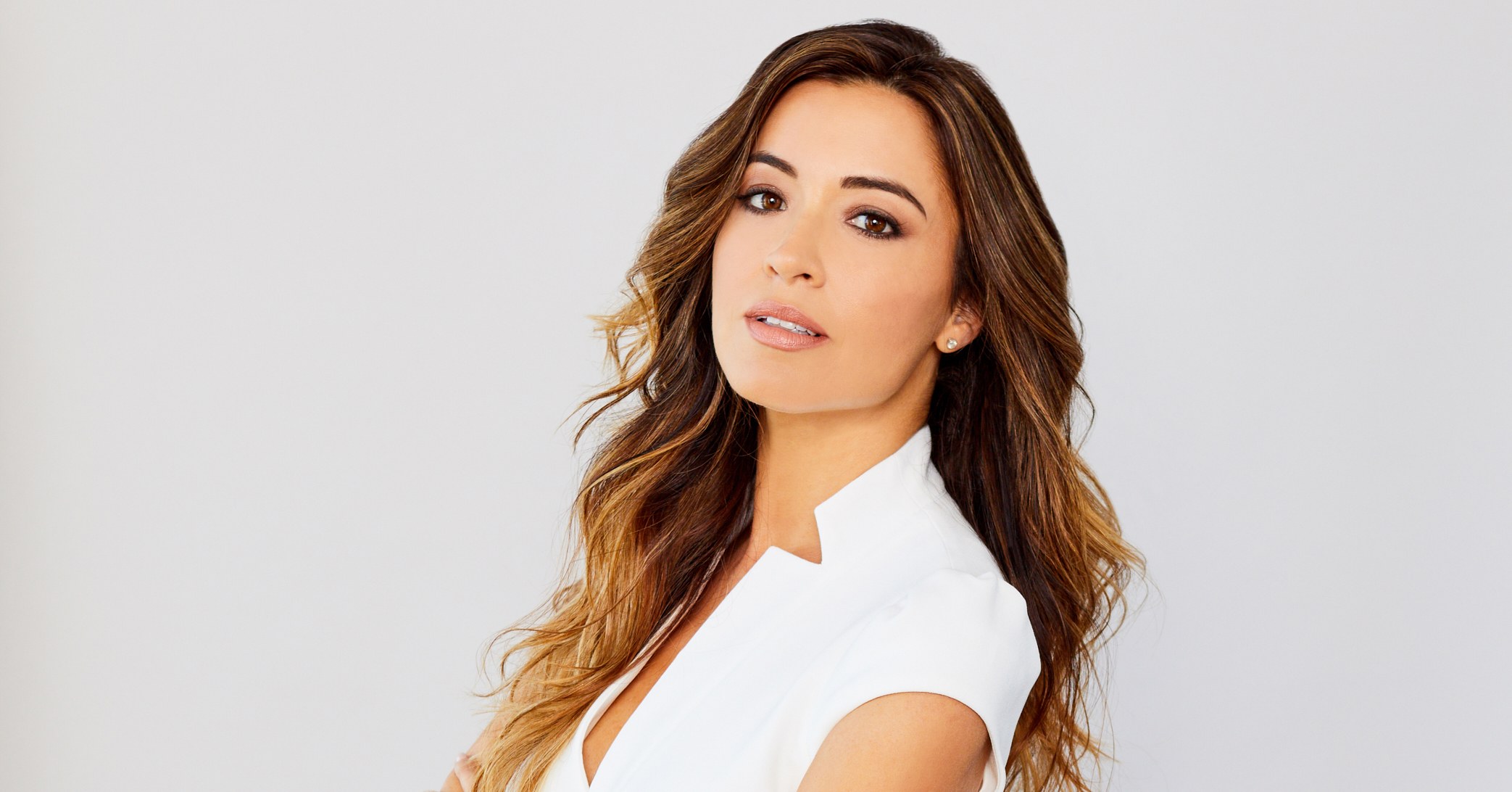
Alejandra Campoverdi is the former Director of Hispanic Media for the Obama Administration, a previous congressional candidate for California’s 34th District, founder of the Well Woman Coalition, registered holistic cancer specialist, and a BRCA-2 previvor. Just this month, she underwent a preventative double mastectomy to remove her healthy breasts. This is her story, as told to Glamour‘s Macaela Mackenzie.

My breasts have been getting a lot of attention lately. To be clear, this is a totally new and strange thing for me. I was flat-chested until I was in my early twenties and after my breasts finally did show up, they were never really a topic of conversation. So, what’s changed? For the past few years, I’ve been planning to have a preventative double mastectomy. Last week, I had my perfectly healthy breasts removed.

I have never known a time in my family without the presence of breast cancer. When I was a baby, my great-grandmother died of metastatic breast cancer (breast cancer that has spread beyond the breast to other organs in the body). When I was 16, my abuelita, who was like a second mother to me, died of metastatic breast cancer. In my early 20s, my mother developed breast cancer, though luckily, she survived. Since then, two of my aunts have also been diagnosed with the deadly disease. (This year alone, it’s estimated that over 40,000 women will die from breast cancer.)

With each diagnosis, it became clear that there was something hereditary going on. But it wasn’t until recently, with genetic tests for risk factors like mutations in the BRCA1 and BRCA2 genes becoming more accessible, I realized I might actually be able to do something about it. So in 2013, I decided to find out for sure—I tested positive for a BRCA2 gene mutation, meaning I had an 85 percent chance of developing breast cancer in my lifetime. (For women without BCRA1 or BCRA2 gene mutations, the risk of developing breast cancer is less than 4 percent.)

Now I have battle scars—almost like a badge of honor. I actually think they’re kind of beautiful.

When I found out, I didn’t tell anyone, not even my mom, for months. I wanted to make a decision about what to do on my own. I was the one that would have to deal with the ramifications for the rest of my life—I didn’t want anyone else’s fears or judgments getting in my head.

In the end, I listened to my gut: The chance to reduce my risk of developing breast cancer from 85 percent to under 4 percent was a no-brainer. I knew I would have a preventative double mastectomy—it was just a question of when.

Since 2013, the surgery has never been far from my mind. To prepare myself, I started a relationship with a breast surgeon a few years ago. I wanted to make sure that I knew the person, and that they knew me—and my breasts—very, very well. My surgeon told me I should aim to have my mastectomy when I was 10 years younger than my mom had been when she was diagnosed with breast cancer. So, we set a date for 2018.

In the meantime, I had to keep up with a grueling yearly regimen of screening tests—breast MRIs, mammograms, ultrasounds, monthly self-exams, and blood tests. Thankfully, I was able to get insurance coverage for the care I needed but navigating the convoluted system made the political firestorm around healthcare—especially for women and people of color—personal.

When my mother was fighting her own battle with breast cancer, I became her primary caregiver, chasing down HMO doctors and persuading them to prioritize her care. She felt like a number. That experience was one of the main reasons that I went to work unpaid on then-Senator Obama’s campaign in 2008. It is why one of my proudest moments serving as a White House aide to President Obama was the passage of the Affordable Care Act and why its potential repeal in 2017 led me to run for Congress. Unfortunately, when it comes to debates over the quality, access, and affordability of medical care, women are standing directly in the crossfire.

Breast cancer has been present in my family since the day I was born, in one way or another. Coupled with the challenges that women of color face when it comes to getting screenings and medical care, that’s why I’ve founded the Well Woman Coalition, a resource to help empower women to have agency over their health by arming ourselves with information and making intentional, empowered choices. There is no right or wrong answer—whether you choose increased screening or to have a preventive surgery, that’s very personal—being informed and engaged with your health is the important piece.

Six years after I first found out about my BCRA 2 mutation, I finally had my preventative double mastectomy—a life altering surgery to remove my breasts that were still healthy—earlier this month.

Now I have battle scars—almost like a badge of honor. Personally, I actually think they’re kind of beautiful. After seeing so many women in my family go through tough battles with cancer and some of them lose their lives, my scars are a symbol to me of empowerment and progress and choice.

Follow Alejandra’s journey on Instagram and at Well Women Coalition.


Source link