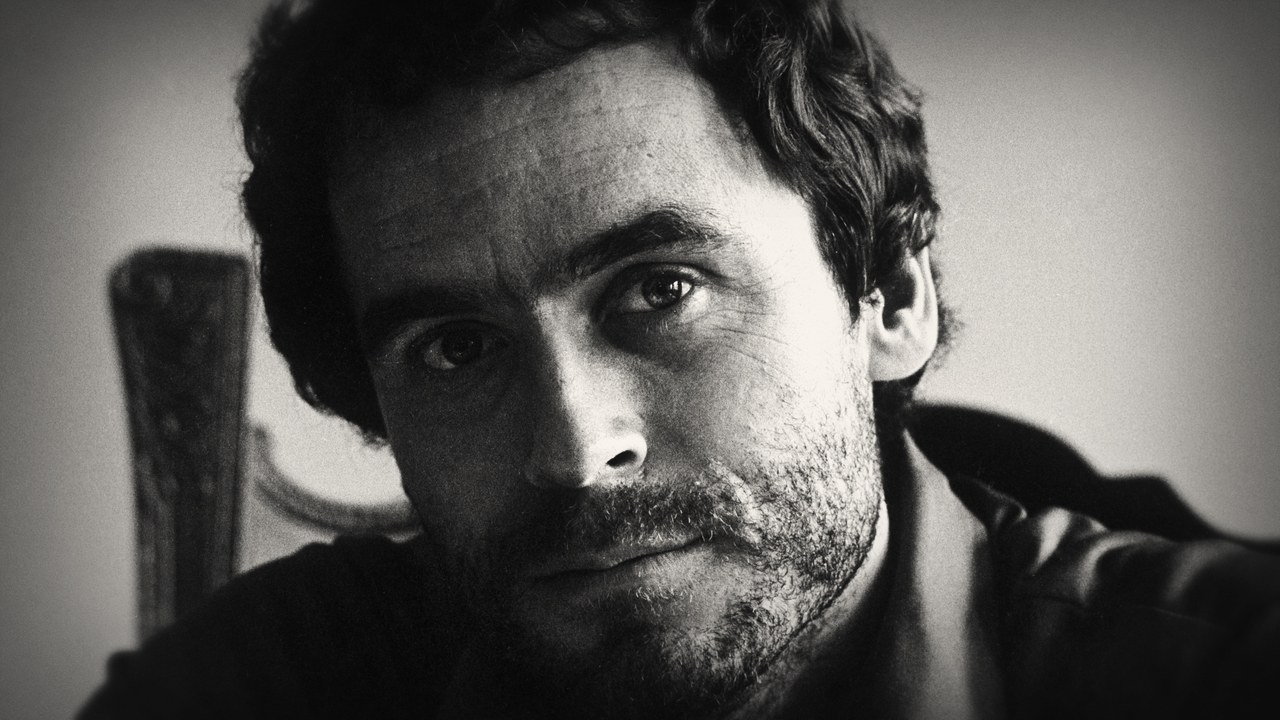
Ted Bundy, a serial killer, has somehow (from the grave!) landed himself a buzzy four-hour special, as well as his own full-length movie. Both will be on Netflix, offering different views of the same story: Conversations With a Killer: The Ted Bundy Tapes, available for streaming now, centers on what an evil genius Bundy was. The movie, Extremely Wicked, Shockingly Evil, and Vile, isn’t out yet but will reportedly focus on his life with his partner Liz Kloepfer.
And thanks to the timing of both, Bundy is trending right now. If you google his name, though, you’ll notice the conversations about him are largely centered on women. Not his victims—as it should be—but on the people, past and present, who think he’s so hot.
Why is this the thing about Bundy we’re all talking about? And does anyone actually know one of these women? (I sure haven’t met any.) Apparently, it’s so common that Netflix had to remind us there are plenty of non-rape-y fish in the sea:
Thanks for the warning, but I want to believe that the majority of women don’t fancy guys who confess to brutally raping and murdering 30 women.
And so I’m calling bullshit on this whole “women want to sleep with a serial killer!” narrative, real or fictitious. This includes Netflix’s You, which has also reportedly seen a rise of women swooning over its murderous lead character.
Some women may have tweeted about their questionable attraction to Ted Bundy or Joe Goldberg, but there’s a bigger problem at play here: Hollywood’s relentless pursuit to explain, humanize, fetishize, and even glorify white men who like to hurt people—particularly women.
It’s not that I think stories involving murder or crime shouldn’t be told—though I am personally sick of seeing women stuffed into refrigerators or tortured by Quentin Tarantino. My issue is that men are still doing most of the telling, whether it be directing, writing, financing, or green-lighting the movies and series the world then consumes.
Matthew Bright, for example, is the person behind both Bundy projects. Considering how Bundy’s actions affected women, it would have been nice to see at least one be a female director’s take instead of a guy’s (the same one!). Maybe a woman would have handled the Extremely Wicked, Shockingly Evil, and Vile trailer more thoughtfully, rather than cutting it with Zac Efron’s flirty smiles and winks over a “fun” soundtrack.
In a recent interview, Bright said the criticism that he’s glorifying Bundy is a “naive and knee-jerk reaction.” To him, the backlash about the trailer is unfair because most people haven’t seen the movie yet. “I think telling filmmakers any subject is off limits is a very slippery slope that leads us to Trump declaring that the media is ‘fake news.’”
No one is saying he can’t tell Bundy’s story, but given the way he told the same story for the Netflix series, which is available, I’m not holding my breath that his film version is more thoughtful to Bundy’s victims. Bright could have chosen from a number of fascinating angles for Conversations With a Killer: The Ted Bundy Tapes, but the one he went with? A deep dive into how hot, smart, and “normal” everyone thought Bundy was.
The series interviews a few women, but it also gives a lot of attention to the women who supported Bundy, from his fans in the courtroom to the woman who accepted his marriage proposal during his murder trial, had his child, and even smuggled drugs for him while he was in prison. The rest of the story is told by men who go on and on about how clever and handsome this boy next door was. “He’s one of us,” one says. Another compares Bundy’s need to torture women to a child who’d been denied candy. Even the Mormon Church chimes in about his commitment to the church. To top if all off, we hear Bundy’s side of the story straight from the horse’s mouth.