
Categories
Health

‘My Insomnia Almost Killed Me’


I’ve always been a “poor sleeper,” according to my mom. Apparently, I come from a lengthy line of them—a grandfather who was an epic snorer, my parents who are frequent middle of the night wakers. Growing up, I remember many mornings when I’d find my mom on our den couch after a night of tossing and turning. Insomnia is in my blood.

Poor sleep was such a strong norm in my house, I never really thought about it. I’d often toss and turn in bed never ever getting a full night’s rest. With no “good” sleepers to compare myself to, my sleep habits seemed normal. But on my honeymoon, my insomnia came into stark relief. I knew that my husband was a great sleeper, but it didn’t register that he slept soundly all night long—without waking once. He could sleep on planes, on trains, in cars, and pretty much anywhere else he found himself with zero issues.

I was the total opposite—I required a bed, a white noise machine, and a very dark room to have even the slightest prayer of sleep. Even then sleeping was a challenge. Observing my husband night after night triggered a panic that my frequent night awakenings might not be so normal. What was wrong with me?

My insomnia began to take over. By the end of our honeymoon, I was not sleeping at all and feeling like a caged animal. My inability to join him in bed—and sleep—was wrenching. I sat on the floor of our hotel while my new husband slept soundly, spiraling deeper and deeper into my sleep anxieties.

When we got home I read everything I could about insomnia, determined to improve. I saw a sleep specialist who suggested several techniques: getting out of bed if I couldn’t fall asleep within 20-30 minutes to do a quiet activity before trying again, turning over my alarm clock to avoid triggering anxiety as I laid awake, generally trying not to obsess.

She also recommended that I do a sleep study in a lab. My gut told me that a sleep study was something I needed but the mere thought of trying to sleep with others monitoring me triggered massive performance anxiety. I declined.

Despite the lack of sleep—I typically got less than three hours on average and that was with multiple wakings—I somehow kept it together. I made dinner every night, functioned well in a demanding job, never once nodded off during a meeting. I burned through concealer sticks covering the dark circles under my eyes. It was like my internal sleep switch was permanently stuck in overdrive, but somehow, I kept powering through.

But there were signs the insomnia was catching up to me. I started to have heart palpitations and I even started to smell weird despite regular showers—a gross side effect even my husband noticed. My body was clearly crying out for help and nothing—not the herbal teas, or the melatonin, or the breathing exercises, or the warm baths—was working. The emotional toll of chronic sleep deprivation is maddening. No matter how well I seemed to be doing on the outside, inside I was falling apart. Sleep is one of those things you can’t force. No matter how hard I worked, I still laid awake at night. I felt helpless.

After a couple of years, some counseling and soul searching, I realized I had to stop comparing myself to my husband in the bedroom. We weren’t going to sleep like the picture-perfect couple every night, our heads resting peacefully next to each other, our hands intertwined. The truth was, having a bed mate made my insomnia worse. Every time I stirred, I worried I was bothering him, and every time I found myself staring up at the ceiling I beat myself up for not being able to sleep as well as he could. We decided to take breaks from sleeping in the same room—it was no reflection on our relationship emotionally, sexually, or otherwise. I just needed some rest.

Soon after, we started a family and the exhaustion of having newborn twins kept my sleep erratic but at least there was a reason why I was awake at 2 a.m. As I got older, my anxiety around sleep started to fade—I was less worried about comparing myself to my husband or any of the other good sleepers out there, instead focusing on my own situation and what I needed. My sleep was still fractured but I was surviving. That had to be good enough, right?
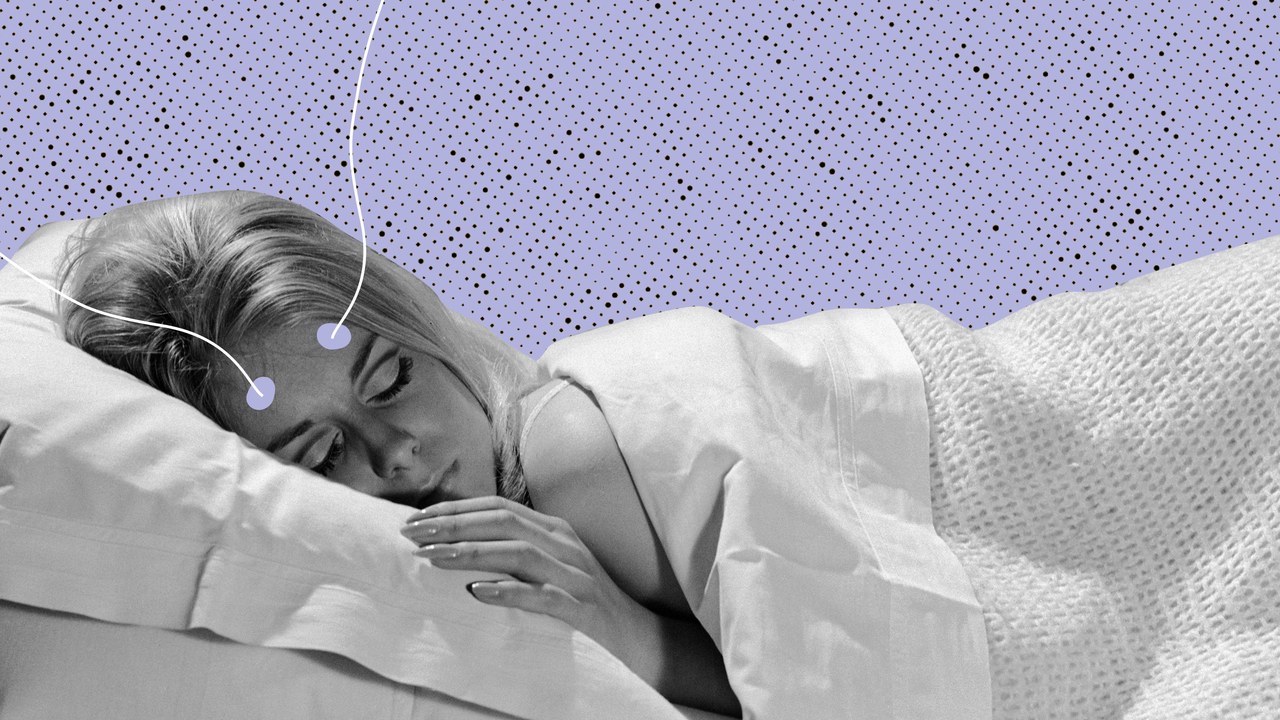


Source link

Categories
Health

To Find Insomnia Cures, I Went to a Sleep Boot Camp


My beauty routine may change every time a shiny palette catches my eye, but my morning routine is consistent: I roll out of bed after little to no sleep, trip over my slippers, then blearily scroll through a new batch of unread emails. It’s been like this for eight years. On a recent Monday morning, however, still bleary-eyed and sleep deprived, my morning routine involved a medical assistant attaching electrodes to my chest while thick snow coated the Bavarian Alps outside. This was highly unusual.

The jolt in my routine came courtesy of a stay at Tegernsee’s Lanserhof resort, a wellness retreat known for its high-end detox programs. I checked in to investigate their newly-launched Lans Better Sleep Program 2.0, which promised to diagnose the causes behind my insomnia over the course of a single week. (You can opt for a longer stay, should you so desire.) The clinic attacks sleep woes through just about every possible angle, employing experts specializing in naturopathy, stress reduction, cardiology, psychology, urology, and gastroenterology, to offer sustainable sleep solutions.

Before you pelt me with helpful suggestions of like using night mode on my phone or trying deep breathing exercises, allow me to add this: I’ve had nearly a decade of dealing with insomnia to pit my sleeping problems against various cures. Still, I struggle to get enough Zs. I’ve consulted sleep specialists and relied on supplements and medication to muscle through. I’ve alternated between melatonin, magnesium, lavender pills, L-Theanine, adaptogens, Unisom, NyQuil, Xanax, Lorazepam, CBD, Kratom, therapy, a few acupuncture sessions, some admittedly halfhearted meditation, and even downing a full bottle of wine before bed. (Okay, that last one was not my best effort.) My devices switch to amber-tinted screens at night and I keep them on silent far away from my bed. I also regularly mist my pillow with an assortment of calming sprays, slip on an eye mask, and wear earplugs.

Nothing sticks. Inevitably, everything I try stops working after a month or two, tops. I end up rotating through different supplements and medications, switching back and forth when one ceases to be effective or another starts giving me side effects. (Melatonin taken too many weeks in a row gives me extraordinarily vivid nightmares featuring my own decapitation, while some of the prescription options I’ve tried make me feel foggy and disoriented the rest of the day.) I don’t mind reaching for medication when it’s needed, but I’m tired of taking increasingly high dosages and still feeling my mind stubbornly fight to stay awake. I needed a more sustainable cure.

“There are many different kinds of sleep problems, but you can build two main groups,” says Jan Stritzke, M.D., deputy medical director at Lanserhof Tegernsee. The first is sleep apnea, a nocturnal breathing issue often related to obesity, he explains. For those who have sleep apnea, frequent drops in oxygen during the night disrupt the deep sleep cycle, leading you to feel tired when you wake up the next day. “The other is a stress-related problem, when you can’t switch off and are thinking the whole night,” Dr. Stritzke says. Yep, that’s me.

After being pegged as a stress sleeper by doctors who specialize in this stuff, I was ready for a science-backed solution. Here’s every insomnia cure I tried—and whether or not it actually works.

I loathe meditation. It’s been suggested to me multiple times, but I’m even worse at meditating than I am at falling asleep. At Lanserhof, meditation was an unavoidable part of the deal. My teacher was much better than my last one—who memorably yelled at me for not trying hard enough—which made me feel at least a little hopeful. To start, she encouraged me to identify a feeling of confident calm (for me, this usually happens during one of my favorite workouts: intense contact combat sessions) and call it up when I’m feeling restless. But perhaps more importantly, she adds that I shouldn’t expect to switch my mind off or empty it during these moments—instead, I should to simply allow myself to notice thoughts and noises and let them go.


Source link

Categories
Health

Carrie Underwood Just Got Real About Pregnancy Insomnia on Twitter


Sleeping while pregnant isn’t easy—just ask the 78 percent of moms-to-be in the United States who experience pregnancy insomnia. Carrie Underwood just revealed that she’s currently dealing with pregnancy insomnia in a series of tweets—and they’re nothing short of relatable.

On Friday (December 21), Underwood was up early with a Twitter letter to her pregnancy insomnia. She was rightfully annoyed with the sleep she’s lost while carrying her second child. “Dear pregnancy insomnia,” she wrote in a tweet published at 1:29 A.M. EST. “Please go bother someone else…like dads. Go bother dads. My husband sleeps so soundly and peacefully and I’ve been awake for 2 hours (so far). How is this fair? Imma lose my mind!”

Fellow moms and moms-to-be on Twitter chimed in with their own stories about pregnancy insomnia and their support for the singer. As if carrying a baby for nine months weren’t hard enough, several women also shared that they also lost sleep during their pregnancies.

Underwood followed up on her original tweet with an update sharing a little sleep-deprivation-induced behavior. While she couldn’t sleep, she went on an online beauty product shopping spree—with a grand total of around $600. (In her defense, there’s a lot of great holiday gift sets at Sephora right now.)

Fellow country singer Maren Morris could relate.

Underwood is currently expecting her second child with husband Mark Fisher, which she revealed the pregnancy in a video on her Instagram account earlier this year. Difficulties like pregnancy insomnia aside, Underwood said in an interview with CBS Sunday Morning that the family is excited to welcome its newest member—especially her 2-year-old son, Isaiah. “He’ll be really sweet and talk to my belly and kiss my belly. He’s the sweetest little boy,” she said. “But no kid can really know that their life is going to change…. He’ll have to share Mommy.”

Related Stories:

Stay-at-Home-Mom Depression Is Real—and Women Are Finally Talking About It

People Are Actually Dragging Carrie Underwood for Wearing Makeup to Her Son’s Soccer Game

Carrie Underwood Powerfully Opens Up About Struggling With Multiple Miscarriages


Source link