Categories
Health

'Mommy, How Did You Get So Fat?'


Trigger warning: The following contains language describing eating-disorder behaviors.

The other day I was driving in the car with my eight-year-old son, Braeden, when out of nowhere he asked me, “Mommy, how did you get so fat?” At first, I was really caught off guard by his comment. Despite the fact that I openly talk about my weight on the Internet to my 20,000 followers, and I’m literally a public speaker on the topic—it’s different when it’s with your own kid. I had to take a deep breath and remind myself: I always knew this moment would come. I’m a visibly fat person—there’s no denying that—so while it stung, I was glad he was asking. It meant it was time to have “the conversation.”

I told Braeden that all bodies are good bodies. That mommy is short and fat, but look how much mommy loves going to the park with you. Or how we enjoy picking out nourishing foods at the grocery store that make our bellies feel good. I told him that being fat isn’t a bad thing. It’s just how mommy looks.

This was the first time Braeden and I had spoken about my body directly, but it certainly wasn’t the first time my weight has come up around him. A few years ago we were at the park together, sitting with a group of moms and their children, when this little kid said, “She’s so fat!” It didn’t make me upset. I just looked at the kid (whose mother was horrified) and said, “Yeah, I’m fat and that’s okay.” Part of my advocacy is promoting being open and honest with kids about fatness, to normalize that bodies come in all kinds of forms instead of making them think it’s something they should be ashamed by. So when it happened again at a birthday party, I just said, “Yes, I exist in a bigger body, and that’s okay because all bodies look different.” But it wasn’t until the other day, in the car, that my son was ready to talk about it.

In some ways, I’ve been preparing for the conversation his whole life. From the time Braeden was born I really tried not to talk about my own body in a negative context, because I never wanted him to start thinking about his body that way. I put my scale away so he would never see how gaining just one ounce had the ability to ruin my day. I turn off shows full of fat jokes and make sure we talk about those kinds of comments on TV. And I’ve always taught him that no matter what someone looks like, they shouldn’t be judged for it or treated any differently.

Lately my focus has been on making Braeden feel good in his body. He’s recently gotten a little heavier, and he’s started getting bullied at school. My husband and I enrolled him in swim lessons, and we’ve all started taking more walks together—but we make sure to never say we’re doing it because of his belly that’s starting to form. Instead, we’re very careful to talk about being more active as a family. Before his next visit to the pediatrician, I’ll be writing a letter so the nurses and doctor know that talking about his BMI is off limits. That she will not be recommending this new WW app for kids, or any diet.


Source link

Categories
Health

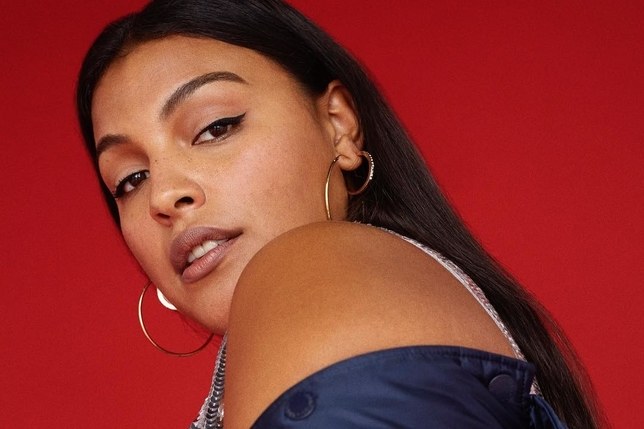
Paloma Elsesser Just Shut Down the Idea That 'Being Fat' Is Something to Be Ashamed Of


PHOTO: Instagram / @palomija

One look at Glossier’s new Body Hero campaign, and you’ll spot some very obvious differences from typical ads. The models are gorgeous, but the images spotlight women with diverse body types shown totally (and tastefully!) nude—which in 2017, is still frustratingly atypical. And the decision hasn’t gone unnoticed: across social media, the brand’s initiative has been met with a hugely enthusiastic, supportive response from women finally seeing themselves on billboards. The campaign obviously struck a nerve—but perhaps with no one more than one of the women literally on the billboard, Paloma Elsesser.

In an Instagram post, the model laid out the personal significance of starring in a nude billboard campaign. “I did this to show that being fat isn’t a burden. Being fat isn’t ugly or shameful. To prove to one person that it isn’t BRAVE to be fat, but bountiful,” she wrote. And while the campaign would have been important even if it had been solely online or in print, the billboard exposure is vital. “[I did this to show] that young girl looking on Instagram, or walking down Spring St, that she is fucking perfect despite the precarious and irresponsible versions of beauty we are urged to digest. I love you @glossier thank you for this incredible opportunity, for clearing the set, for wiping my tears, for playing SWV, and for helping me shed my insecurities in pursuit of greater impact and awareness ? #bodyhero.”

Still, for all the positive messaging around self-acceptance that’s starting to become the norm, the fact remains that it’s tough to let yourself appear exactly as you are, something Elsesser also pointed out. “I cried 3 times before this shoot. I cried because I still feel scared, paralyzed by insecurity at times, and exhausted by an unfettered vulnerability that I want to present to the world. As I paced the upstairs bathroom of @springstudios I chanted to myself,’This isn’t for you Paloma. This isn’t about you. Get out of your ego. Be of service’ over and over until the anxiety subsided and I was convinced of the mantras which guide me through many jobs, most importantly this one.”

If you recognize Elsesser’s face, it’s probably because she’s been everywhere recently, also starring in the campaigns for Fenty Beauty and Nike. As Elsesser told Glamour this spring, it’s a hard-won movement: “The size conversation has been going on for a while, and the same for diversity. But I think that women of color are now in positions to call the shots. These larger magazine and companies have a social responsibility because now we have the Internet for people to fight back and be like, what the fuck? Now there are women of so many colors and so many different sizes who are able to have a voice. And I’m so happy that I’m able to be a part of the conversation.”

Related Stories:
Demi Lovato Just Got Real About Body Positivity and Self-Esteem
17 Times Celebrities Challenged Beauty Standards by Sharing Their So-Called ‘Flaws’
I Got My Nipples Pierced to Feel Better About My Boobs Getting Smaller


Source link