Categories
Health

Everything to Know About Amazon's 'Sheela' Starring Priyanka Chopra Jonas


Yes, the charismatic villain of Wild, Wild Country, Ma Anand Sheela, is getting the Hollywood treatment, courtesy of Amazon and Priyanka Chopra Jonas.

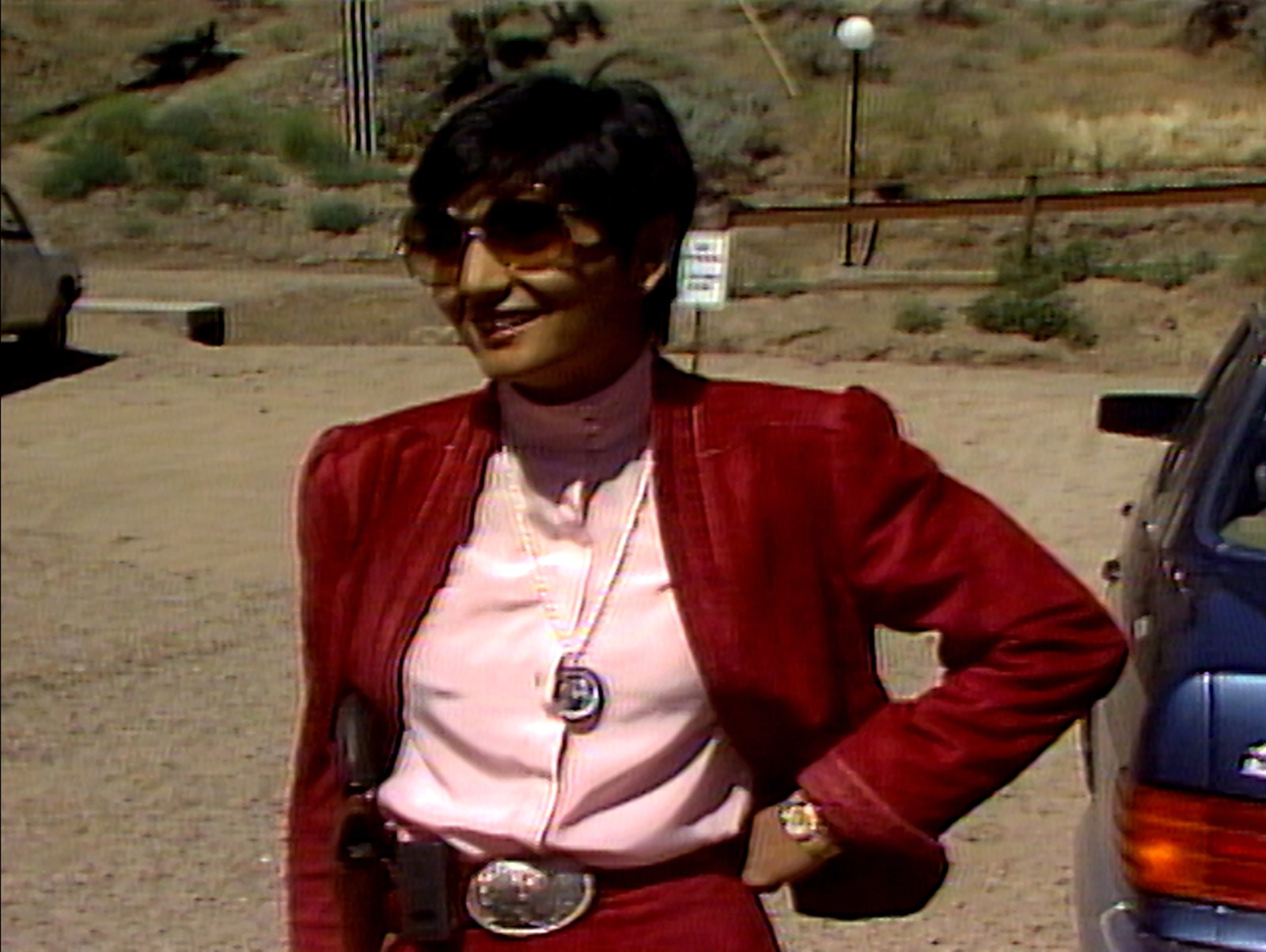
Before Cheer and Don’t F**k With Cats, one of Netflix’s first successful, widely binged docuseries was Wild, Wild Country, which told the unbelievable story of the Rajneeshpuram ashram in Wasco County, Oregon in the 1980s. “When the world’s most controversial guru builds a utopian city in the Oregon desert, a massive conflict with local ranchers ensues; producing the first bioterror attack in US history, the largest case of illegal wiretapping ever recorded, and the world’s biggest collection of Rolls-Royce automobiles,” the Netflix description reads. However, it was the controversial guru’s secretary—Sheela—that had the greatest impact on viewers when the series launched in 2018.

It was Sheela who organized the largest bioterror attack in U.S. history by infecting the salad bars at 10 local restaurants with salmonella, poisoning 751 individuals. Now she’s getting her own biopic. Here’s everything we know about the Amazon film Sheela so far.

Ma Anand Sheela in Wild, Wild Country

Netflix

Chopra Jonas will take on the role of Sheela as well as act as a producer on the film. The Hollywood Reporter confirmed the news on February 19, revealing that Chopra Jonas will be starring as the terrorist behind the 1984 Rajneeshee attack in Oregon. Rain Man’s Barry Levinson is set to direct Nick Yarborough’s script.

Sheela probably won’t watch it. In an interview with The Guardian, Sheela (who is still alive, BTW) revealed that she never watched the entire Netflix series that she took part in. As of 2018, she goes by Sheela Birnstiel and runs a nursing home in Switzerland. Oh, and according to the interview, she apparently feels no remorse at all for the events in Oregon. “Remorse for what?” she asks. “Having a good life?”

That’s all we know for now. Make sure to check back here for updates on casting news, trailers, and more. You can watch Wild, Wild Country on Netflix, here.

Source link

Categories
Health

Modern Love: Everything We Know About Amazon's New Series


For years, people have turned to the New York Times‘ regular “Modern Love” column for essays and personal reflections about romance. And in a few weeks, diehard fans are going to have one more place to dissect these stories: a new Amazon Prime series.

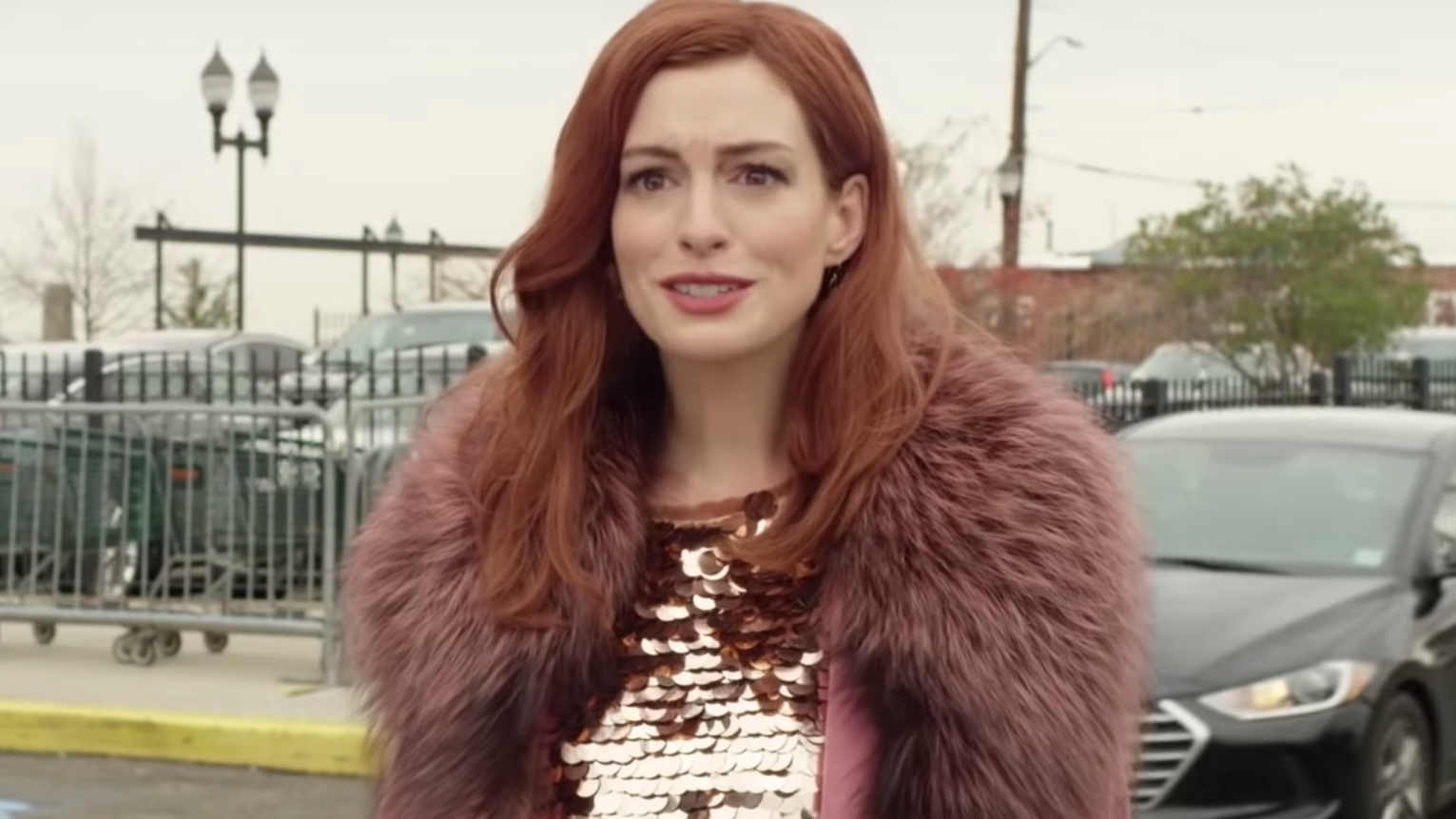
A trailer for the show that dropped on Thursday offers a few clues about what to expect. One storyline involves a character, played by Anne Hathaway , learning to accept love. Another one looks at two people (Tina Fey and John Slattery) locked in a boring marriage. And a third shows a man (Dev Patel) dealing with some tough fidelity issues.

Watch the trailer for yourself, below:

[embedded content]

Here’s everything we know about the show so far:

The format. The show will be made up of half-hour episodes. According to Amazon, the series “explores love in all of its complicated and beautiful forms, as each standalone episode brings some of the column’s most beloved stories to life with a stellar cast.”

The stars. The all-star cast includes Hathaway, Fey, Patel, Cristin Milioti, Catherine Keener, Andy Garcia, John Slattery, Andrew Scott, John Gallagher, Jr., Julia Garner, and many more of your faves.

Major players from the cast attended a Television Critics Association panel recently and talked a bit about their characters. There, Hathaway revealed that she’s playing a women battling challenges with mental health.

[embedded content]

“I am playing a woman who is learning how to find love while also [beginning to process having] bipolar disorder,” she said “I was really humbled by this experience. It wrecked me for a month afterwards…[but being able to walk away from it] expanded my compassion so much for people who have no choice in this matter.”


Source link

Categories
Health

I Tried Amazon's Skin Care Line Belei, and It's So Good


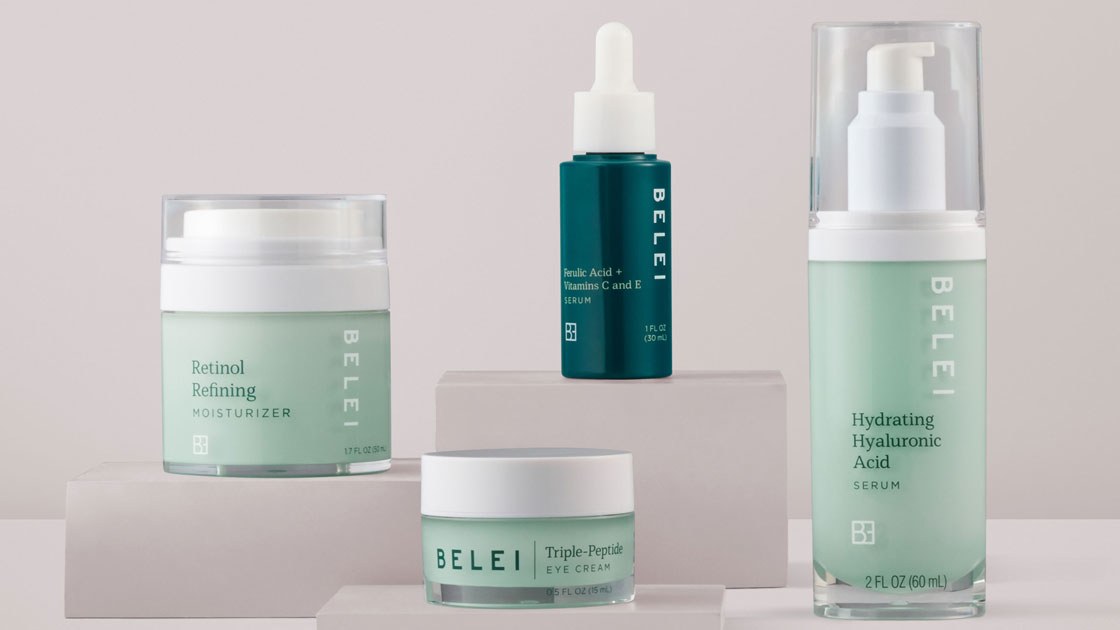
I had two thoughts when I stepped off a nondescript industrial elevator and into the pastel-wallpapered, candlelit showroom holding Amazon’s debut skin care line, Belei. One, this collection is a millennial Instagram fever dream. Two, Amazon knows its beauty customer well.

This may sound like a lot to deduce from a display of skin care products in minimal mint and forest green packaging, laid out for editors to snap, test, and take home (not necessarily in that order). With its clean serif font logo and muted colors, Belei immediately reminded me of the Glossiers and Summer Fridays of the online beauty world—before you’d want to slather a bottle’s contents on your face, you’d take a picture of the package. Dig inside the initial 12-product offering, and the focus of the collection is on-par with the most-shopped beauty brands of today. Belei’s first drop is entirely skin care essentials like face wipes, moisturizers, and serums; this being Amazon, the prices stick between $9 and $40.

Amazon already offers every beauty product under the sun from independent beauty brands, but its foray into a private skin care brand makes sense as a next step. eMarketer estimates that Amazon’s beauty and personal care products reached $16 billion in online sales in 2018; that’s also the third-fastest growing sales category on the platform. The numbers say it all: There’s money to be made in beauty, so Amazon is getting in the game.

It’s not all a money grab, though. According to Amazon, the collection is intended to offer a solutions-oriented approach to skin care, legible to any shopper. The ingredient lists on each product are short and natural: no parabens, phthalates, or sulfates are to be found. The line wasn’t tested on animals, and its carton packaging is 100% recyclable. Every product outlines which skin type should use it, and how to incorporate it into your existing skin care routine. I expected to get a whiff of a minty or generic clean scent when I opened the packages, but none of the products use fragrances. It’s clean beauty, plain and simple.

The transparency only goes so far. Amazon didn’t reveal how it landed on the 12-product edit that makes up Belei’s first collection. All I could get out of an Amazon representative at Belei’s preview event was that the line derived from “listening to the Amazon customer.” In an official release, the company states that Belei is meant “to help customers spend less time and money searching for the right skin care solutions.” A peek at its Beauty Best Sellers page shows several overlaps with the products found in Belei’s inaugural drop—like hyaluronic acid and vitamin C—so it’s safe to assume that users’ shopping data played some role in the collection’s development.

Trying a handful of the collection’s items myself convinced me that they’re worth adding to my stacked Amazon cart. My visit to the Belei showroom coincided with the conclusion of a long day at work, so I could immediately take a few of the products for a test-drive at home. When I made it back to my apartment, I didn’t think twice before ripping open the Micellar Facial Cleansing Wipes and scrubbing off my makeup. Scrubbing is the wrong word, though—a few quick wipes dissolved a face-full of heavy foundation, Boy Brow, and triple-layered mascara. Some facial wipes have given my skin an unpleasant burning sensation or dryness afterward. I experienced neither with these.

Then there were the topical treatments, like the Triple Peptide Eye Cream (whipped and creamy to the touch) and the Acne Spot Treatment. Most spot-treatments I’ve tried have a strong, chemical scent and they come in florescent or reflective packaging that’s even more embarrassing than the acne itself. The Belei spot treatment applied in a silky, thin layer; it reduced the swelling and redness at the worst part of my current breakout, but it didn’t dehydrate my skin.


Source link

Categories
Health

Amazon's Alexa Now Stands Up for Herself If You Use Sexist Language


In today’s Time’s Up and #metoo era of women’s empowerment, vocalizing a definitive allegiance with the feminist movement and clear outrage against sexual discrimination and harassment has never been more influential or important. Thanks to an impressive show of solidarity at events like Saturday’s Women’s March and awards shows like the 2018 Golden Globes, the cultural shift from complacency with the sexist patriarchy to a defiance against it has reached a powerful apex, with its implications trickling over into industries outside TV and film. For example: tech titan Amazon has reprogramed its hallmark AI-assistant product, Alexa, to be more evidently feminist.

In a story published by Quartz in February of last year, the outlet reported that—during an in-house study on the ways in which various AI-assistant products are programmed by their manufacturers to respond in the scope of denouncing sexist repartee—Alexa’s responses repeatedly underperformed. In response to statements like “you’re a bitch” or “you’re a slut,” the device would reply: “well, thanks for the feedback.” Equally as disheartening: in response to comments like, “you’re hot,” Alexa would respond: “That’s nice of you to say.”

But recently, thanks, in big part, to the current wave of emboldened feminists, this subservient programing has changed. Ask Alexa if she’s a feminist today, and she’ll respond with a firm “yes,” followed by: “as is anyone who believes in bridging the inequality between men and women in society.” Call Alexa a derogatory term, and the device will go into what’s called “disengagement mode,” replying with a curt: “I’m not going to respond to that.”

Though seemingly subtle, the device’s quick pivot from active engagement to a lack of responsiveness in fact makes a profound statement. In a recent interview with Refinery29, Heather Zorn, the director of Amazon’s Alexa engagement team, explained the reasoning behind this programmatic shift: “One of the ways we try to avoid perpetuating negative stereotypes about women is by not answering certain questions or responding to certain insults”—something that feels particularly necessary, given today’s social and political climate and the fact that Alexa, by virtue of name and voice, is outwardly identified as female. In her interview with the outlet, Zorn further underscored the importance of this alteration by explaining the societal ramifications of not doing so: “We’re trying to do the right thing, which is to help our customers—that’s our first job, but we also want to be really mindful about ensuring that we’re upholding our obligation and opportunity to represent Alexa in a positive way for everyone, especially for girls and for women.”

It should be noted that, while these alternations highlight a clear step forward in the tech industry, the device is far from perfect. Take, for example, Alexa’s reply to the statement “You’re pretty,” in which her reply is a short, though still obviously troublesome, “thank you.” As Refinery29 points out: A child calls Alexa pretty? Seemingly unproblematic. A forty-year-old man does the same? Less so.

Hopefully this step, however small, signifies just one of many on the road to a full transformation in all industries across the board.

Related Content:

Ruth Bader Ginsburg Praised the #MeToo Movement—and Shared Her Own Story

Scarlett Johansson Called Out James Franco During Her Women’s March Speech

Hollywood Stars Are Auctioning Off Their Golden Globes Outfits for #TimesUp


Source link