Categories
Health

7 Best Espresso Machines in 2020 to Unleash Your Inner Barista


It seems like eons ago when we were routinely sipping perfectly frothed lattes brewed by our local baristas, but bringing the best espresso machine into your kitchen could help fill the void of your favorite neighborhood cafe. Sure, you won’t be pumping out Lourve-level portraits in cappuccino form on your first try, but you can still whip up caffeinated beverages that far outshine the canned cold brew you’ve been pounding. Aside from quality of taste and consistency, investing in an espresso machine will make an impact on your wallet, because every coffee lover knows how quickly a daily caffeine fix adds up.

Making your beverages of choice at home is a great way to practice social distancing, and you might just learn a thing or two about the art of a great espresso. You don’t have to be a professional barista to create complex, flavorful drinks—but the first step is a great espresso machine. We spoke to Giorgio Milos, Master Barista for Illy Caffè, about what to look for in a quality machine. Ahead, his insights on how to find the one for you, and the seven best espresso machines reviewers can’t stop raving about.

What kind of espresso machines exist out there?

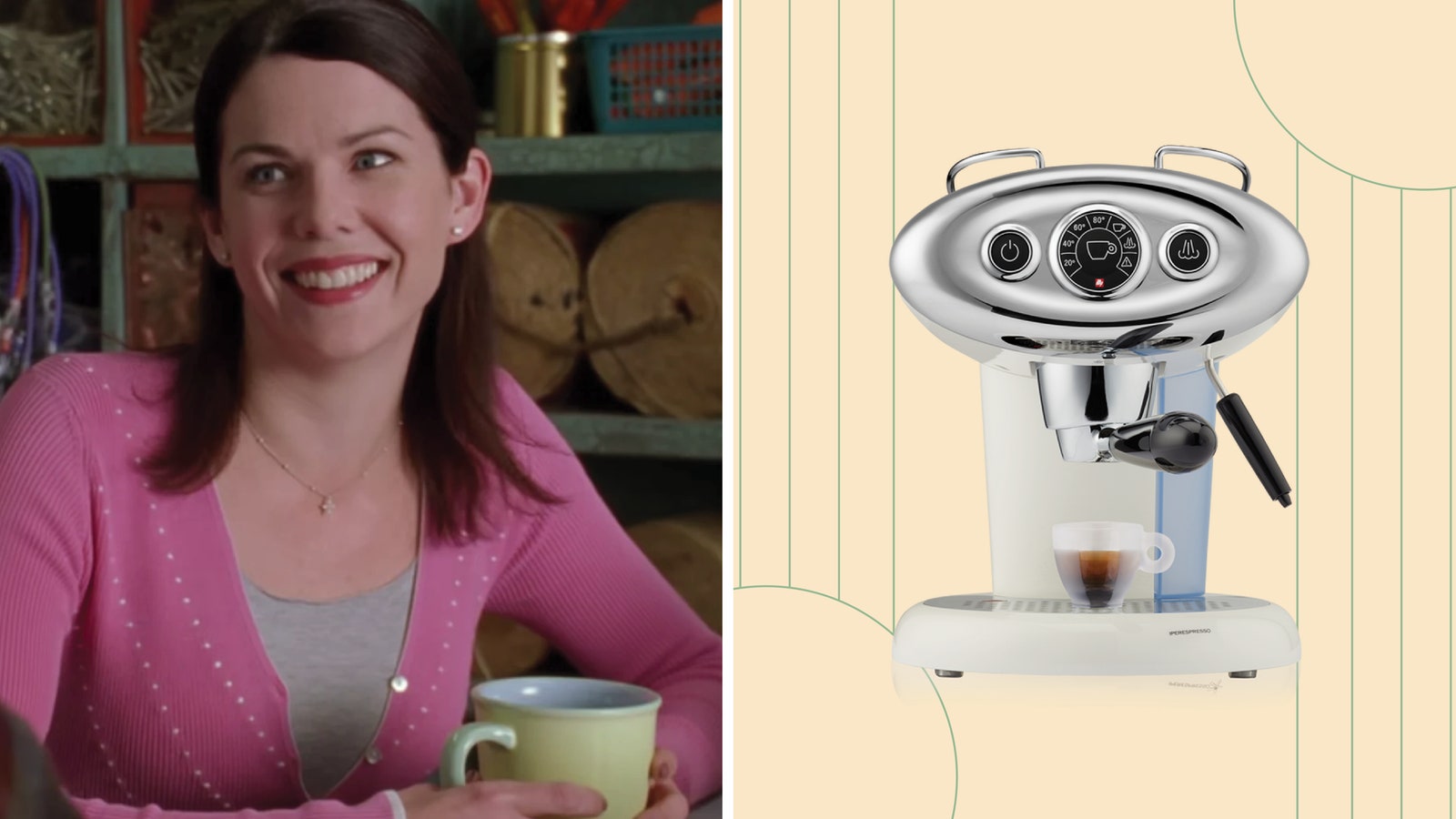
The best espresso machine for you depends on your needs and experience level. Manual machines, which you use to pump espresso out by hand sans electricity, are the most difficult to master. Semi-automatic machines are prepped the same way, but they operate with a dial or a button for water flow, rather than a lever. Automatic machines require you to grind the beans before they automatically brew your espresso drink, while super-automatic machines grind the beans for you. Just looking for something convenient? Capsule machines are the way to go. “For at-home use, I recommend capsule machines which prepare a consistent, beautifully tasting espresso,” explains Milos. “I have the illy X7.1 at home and use it every morning, but there are smaller and more affordable machines like the Y3.2, which is good for first-time buyers.”

How does an espresso machine work?

“For coffee purists, espresso is the quintessential coffee preparation—rich, aromatic, and velvety all at once; a natural layer of crema on top belying a full-bodied, yet deftly balanced liquid below,” muses Milos. “A jet of hot water passes under a pressure of nine bars through a cake-like layer of ground and tamped coffee. It’s truly a small miracle of chemistry and physics: science and art gliding together on air.” Securing a machine with nine bars of pressure is what experts will tell you makes true espresso, but stove-top alternatives will still get the job done if you’re on a budget.

What is the best espresso machine?

There are several top-rated machines to consider, at a range of price points and functionalities, but the best machines have optimal pressure and water temperature. “Pressure is what makes espresso different from any other coffee preparation. Fortunately, almost all espresso machines come with a pump system that can handle the job and apply nine bars of pressure. The temperature of the water is even more critical, and the range must be within 90-94C (194-201F).” If you’ve been improving your home while you’re stuck inside, arm your kitchen with tasty drinks via the best espresso machines around. Ahead, seven models that rose to the top, backed by thousands of reviewers who sung their praises.


Source link

Categories
Health

A Male Barista Shamed a Pregnant Woman for Ordering a Macchiato—and People Have Thoughts


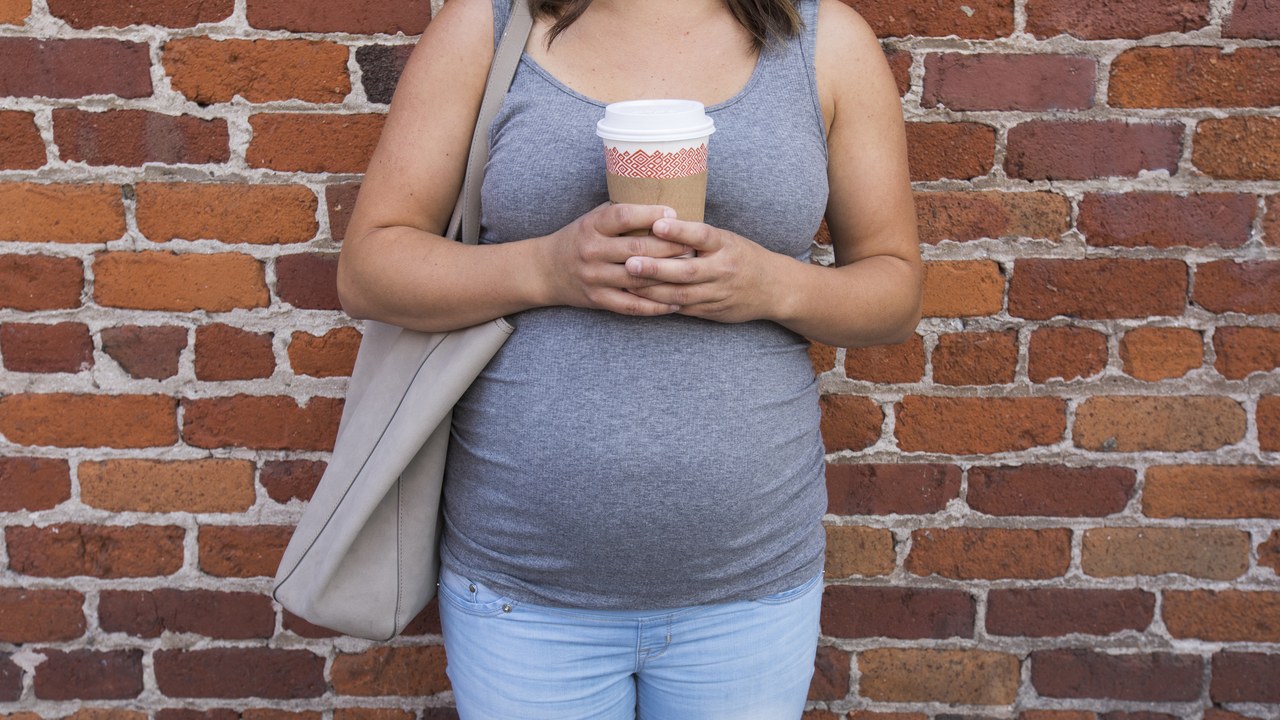
Ask any pregnant woman and she’ll likely tell you stories of unsolicited advice they’ve received from both strangers and friends about how she should behave and the choices she makes. For some reason, some people feel incredibly emboldened to offer their (often uninformed) thoughts about everything from whether or not she’s going to breastfeed to what she puts into her body.

Take this recent example from British comedian and actress Tiffany Stevenson, who says she witnessed a coffee-shaming incident recently. “Unbelievable bit of womb bothering in Starbucks,” she tweeted. “A pregnant woman got her Caramel Macchiato and the guy behind the counter said ‘Oh, it’s for you. Do you want me to make a decaf?’” After the woman said “no thanks,” the barista reportedly pressed on, according to Stevenson’s tweet: “No I should [make it decaf] because caffeine is bad for the baby.”

The woman in line informed the barista that she has one coffee a day (more on that in a minute)—not that she needed to justify her order to begin with—after he continued to question her. Stevenson, “almost spontaneously combusting,” then piped in, telling the barista to stop, she tweeted. “Then he says ‘Oh just because it’s bad for the baby so that’s why I’m saying it’…Then he continues to try and justify policing a complete stranger for 5 minutes. He was maybe 30 years old max.”

“Are they also doing Ob/Gyn training at Starbucks these days?” Stevenson wondered.

First, let’s just state the obvious and say that it’s none of this man’s business what the pregnant woman drinks. Second, the American College of Obstetricians and Gynecologists states that moderate caffeine consumption of less than 200 mg per day—the equivalent of one to two cups of coffee—”does not appear to be a major contributing factor in miscarriage or preterm birth.”

New York-based certified childbirth educator, Fern Drillings, R.N., M.S.N. concurs, telling us that 200 mg per day (or about 12 ounces of coffee) is indeed the standard and “completely fine.” (One thing you should be mindful of, however, is caffeine in other sources like tea, chocolate, and soda, she adds. Specific caffeine levels in store-bought drinks aren’t always known, Drillings says, so when in doubt, ask or talk with your OB.)

For some pregnant women, there might actually be a benefit to a sweet, caffeinated drink like a macchiato Drillings says. “While it’s very common, especially after 36 weeks, for the baby’s movement to slow down because it’s running out of room, women can get anxious. So I tell women if you haven’t felt the baby move in a little bit, have something either cold or sweet to eat or drink. I usually say to start with a glass of cold water, then if that doesn’t work a glass of orange juice. If not, I usually say have a Frappucino because it’s got the cold, the sugar, the caffeine and that usually gets the baby going.” If that doesn’t work, talk to your doctor, she says.

This is just further evidence that we shouldn’t make assumptions about the choices women are making. Drillings also reminds us all to “consider the source” when evaluating advice about your health and rely on that of medical professionals, not baristas.

Social media users were quick to respond to Stevenson’s tweets. “SO. MANY. MEN think they know better than women….what is good for [pregnant/nursing/single/married/happy/unhappy] women. KILLS ME!!” one wrote. Another tweeted, “@Starbucks Here’s hoping this bit of #mansplaining baloney has been seriously addressed. I love that you ask me how I want my coffee but that’s where it ends.”

Stevenson tells Glamour that she is still getting replies from women saying something similar had happened to them—and from men either claiming she made up the story or telling her that the barista was just being “nice” or “concerned.” “Control of women is often framed as ‘advice or suggestion’ and I’m so bored of it,” she says. “I really thinking a proper awakening is due for know-it-all, interfering sexist men.”

Enough with trying to legislate women’s decisions about their bodies and their lives—and yes, that includes coffee intake.


Source link