Categories
Health

What Is Hyaluronic Acid? The Benefits and Best Products to Use


Let’s talk about the state of your skin. Is it itchy? Dehydrated? Does it feel a little tight? Hyaluronic acid can help with all that and more. You’ve probably heard of the ingredient before—it’s in everything from serums to sheet masks to even lip filler. But if you’re new to H.A. (as skin care experts often refer to it), you’re about to see a lot more of it in the coming months, because it’s the active ingredient in nearly every major skin care launch.

Here’s the scoop on the moisturizing powerhouse that all derms swear by—and the stuff you’ll soon be telling everyone you know about.

What is hyaluronic acid?

“Acid” may be the last thing you want to put on your parched face, but hyaluronic acid isn’t the kind that burns (like alpha or beta hydroxy acids, which work to exfoliate your skin). H.A. is a substance that occurs naturally in your body—in your joints, eyes, and—yes—skin.

So what purpose does it serve in the latter? “It’s produced by fibroblasts, the same cells that make collagen, in the dermis, the second layer of skin,” says Neal Schultz, M.D., NYC dermatologist and founder of BeautyRx by Dr. Schultz. “It’s the key molecule involved in skin moisture because it absorbs up to 1,000 times its weight in water.” Think of hyaluronic acid as a sponge in your skin that holds on to moisture and keeps your face looking plump and dewy.

What are the benefits of hyaluronic acid?

“Hyaluronic acid does not occur naturally on the surface of your skin, but when applied [via skin care], it’s a wonderful moisturizing ingredient,” says Schultz. When you apply an H.A. product, it works as a humectant. “Humectants basically pull water from the environment into your skin and are very hydrating,” says Joanna Vargas, celebrity facialist and founder of Joanna Vargas Skincare Collection. Basically, it serves as a big drink of water for your face, softening fine lines, making skin look firmer, and smoothing out even the roughest dry patches.

It also “plumps and adds volume to your skin cells to make your skin more radiant and smooth,” says Jessica Weiser, M.D., a dermatologist at New York Dermatology Group. H.A. is also a popular ingredient for facial fillers. “We use hyaluronic acid fillers to replace volume, create lift, and make the contours of the face more youthful,” says Weiser.

How do use hyaluronic acid?

Humectants like hyaluronic acid typically have a watery texture and absorb quickly (think: liquidy serums), whereas emollients (i.e., creams and oils) are thicker and stay more on your skin’s surface, don’t absorb as quickly, and work to lock everything in. Hyaluronic acid is often combined with other runny humectants (like glycerin and urea) and water. The water part is important: “It gets bound by the hyaluronic acid and then delivered to your skin,” says Schultz. “This is one of the ways hyaluronic functions as the greatest moisturizing ingredient ever.”

But here’s the thing to remember with humectants: It’s important to combine or layer them with more emollient textures, as the thicker products will work to maintain the moisture the humectant provides. “They seal in moisture that is already there so it doesn’t evaporate,” says Schultz. A good rule of thumb: You’ll want to top off an H.A. serum with an oil or a cream to make the results last. Most creams, on the other hand, already have both humectants and emollients (we like BeautyRX Soothing Moisture Cream), so they’re OK to apply alone. (Or, if your skin is super oily, a serum may be enough.) I personally always use both—serums because they have more powerful levels of active ingredients, and then a cream as a veil of protection. Vargas also points out that regular exfoliation is key for getting the most out of your products. Hyaluronic acid absorbs so much better if you don’t have a layer of dead skin cells sitting on the surface.

What are the best hyaluronic acid serums?

Good Q. Here are all the top-recommended products that deliver H.A., and which will work best for your skin type or concern.


Source link

Categories
Health

Your Guide to Retinol, Hyaluronic Acid, Vitamin C, and More Confusing Skin Care Ingredients


By now you know the drill: Every few months a new wunderkind skin care ingredient is discovered in some remote locale, and pretty soon it’s everywhere—in your masks, serums, foot creams, insert-step-in-your-beauty-routine-here. But at the end of the day, there are only a handful of ingredients that have stood the test of time and truly become essential. “In skin care, they’re the holy grail,” says Cambridge, Massachusetts, dermatologist Ranella Hirsch.

You’ve probably heard of all these by now. (Retinol, hyaluronic acid, AHAs, peptides, and vitamin C all make the list.) But you may still be a little confused on what exactly each one does—and how you should be using them. Here, we break it all down.


Source link

Categories
Health

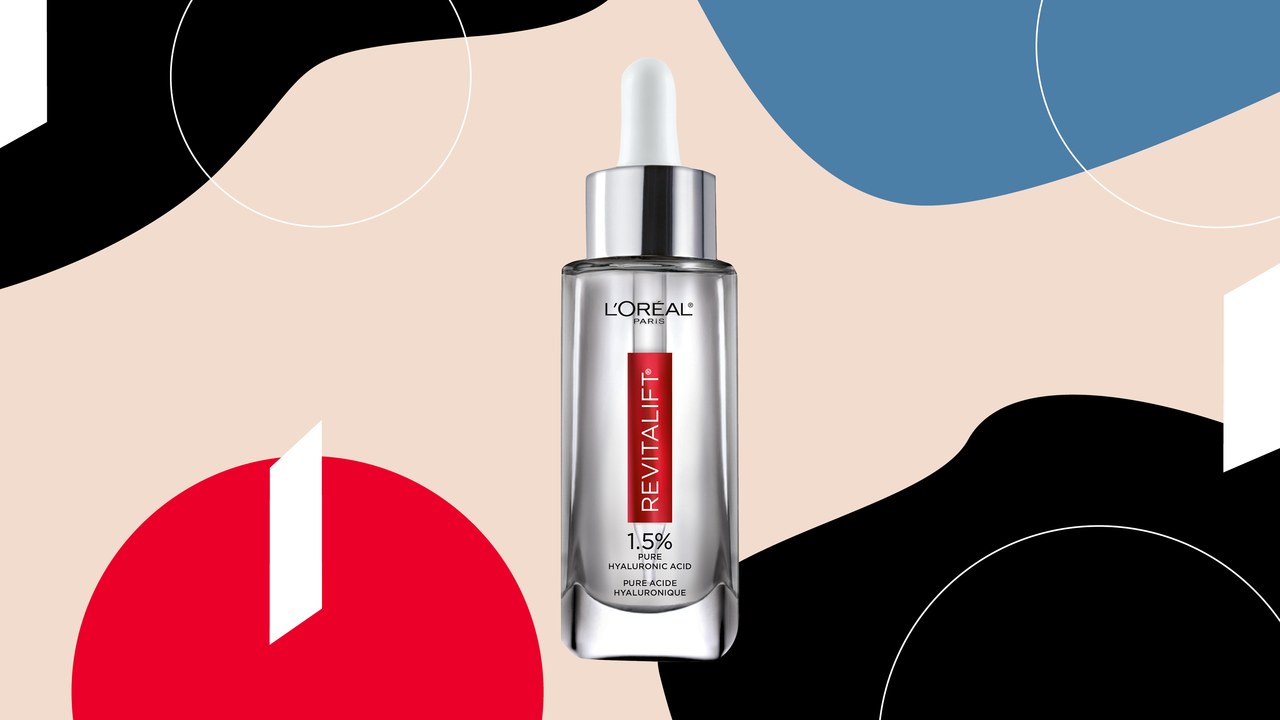
A Bottle of This Hyaluronic Acid Serum Is Sold Every Minute


Reviews count for a lot when we’re shopping, real or fake—after all, why drop your hard-earned cash on something everyone hates? So seeing that the newest hyaluronic acid serum from L’Oréal Paris, which only just launched in January, already has thousands of rave reviews to back it up caught my attention. But what led to my subsequent double-take was the news that one bottle is sold every minute in the U.S.

Do you know what that means? In the past hour, during which I’ve made tea, rewritten this paragraph several times, repeatedly checked my phone, and meditated on all the snack foods in my fridge, 60 people bought this stuff. I had to try it, even if I didn’t quite get the hype at first. I mean, it’s a hyaluronic acid serum. And there are a lot of H.A. serums out there.

You’re probably familiar by now with hyaluronic acid. If not, you—and your skin—are in for a real treat, since hyaluronic acid is a skincare MVP if we ever saw one. The molecule, which occurs naturally in the human body, is a regular in serums, moisturizers, eye creams, lip balms, and beyond for a reason. Not only is it a humectant, meaning it pulls water from the environment into skin, but it can also hold up to 1000 times its weight in water.

That makes it a moisturizing powerhouse as well as a must-have in the winter, when the chilly air is dry and your full-blast heater is only making matters worse. Unless you can book a season-long vacation in the Bahamas, skin inevitably starts to feel and look dry, dull, or even flaky. That’s why hyaluronic acid is especially valuable this time of year. With it, skin texture suddenly becomes smoother, lines soften, and skin feels firmer and plumper. It’s a no-brainer that most moisturizing serums contain at least some hyaluronic acid for that reason.

So…why has this one won a popularity contest?

First, the bottle feels super-luxe for something you can pick up while stocking up on tampons, and the texture is even better. It’s slippery without feeling oily or heavy, and absorbs in seconds. And it left my skin feeling super-smooth, so much so that I swear my foundation looked better as a result. And while my cheeks tend to get dry in the winter and everything else seems to chap within minutes of being outside, that wasn’t the case with this—even though I first tried it on a day with a sub-zero windchill. My skin stayed freakishly smooth all day, after which I went home and promptly applied more.

Another bonus is that this combines different types of hyaluronic acid. Hyaluronic acid has six different molecular weights, meaning it’s available in six sizes. This formula gives you two: H.A. with a low molecular weight, which is smaller and therefore can better penetrate deeper into your skin, where it basically stockpiles moisture, and an H.A. with a high molecular weight, which remains closer to the surface and delivers more visible benefits (e.g. softness, bounce, that sort of thing). So you’re reaping short-term and long-term perks.

So far, it’s kept my skin smooth and soft, and maybe I’m imagining things, but it seems to have also calmed the inflammation around a few rogue blemishes. My sole complaint is that I wish the bottle were bigger, because while I’ve been using it as the most moisturizing primer out there, I kind of want to slather it on everywhere. It’s a perfect serum for winter—and, if I were to guess, for spring, summer, and fall.


Source link