Ask any dermatologist, the fact that we need to wear sunscreen is not up for debate. But there’s a reason people hate the stuff. Sunscreen has a bad rap for being chalky, greasy, and generally all-around annoying. The good news is though that the latest generation of formulas will change the way you feel about slathering up.
But first, to choose the best sunscreens, it helps to know the terminology: According to the American Academy of Dermatology, mineral sunscreens include ingredients like titanium dioxide and zinc oxide to deflect UVA and UVB rays, which act as a protective shield to block the sun’s rays from coming through (that’s why they’re also known as “physical blocks”). Chemical sunscreens, on the other hand, refer to ingredients that neutralize the sun’s rays as they hit your skin. They also often include antioxidants that disarms free radicals—which cause UV ray-based harm—and cut down damage to skin cells.
Both mineral and chemical have their advantages, but derms say mineral blocks tend to be kinder to sensitive skin. Chemical sunscreens have also recently come under fire—both by the FDA, which is cracking down on safety regulations, and by environmentalists, which have found that the ingredients oxybenzone and octinoxate are damaging to coral reefs (sunscreens with these ingredients will officially be banned in Hawaii starting in 2021). But chemical sunscreens are also the easiest formulas to put on and tend to leave less of a white cast.
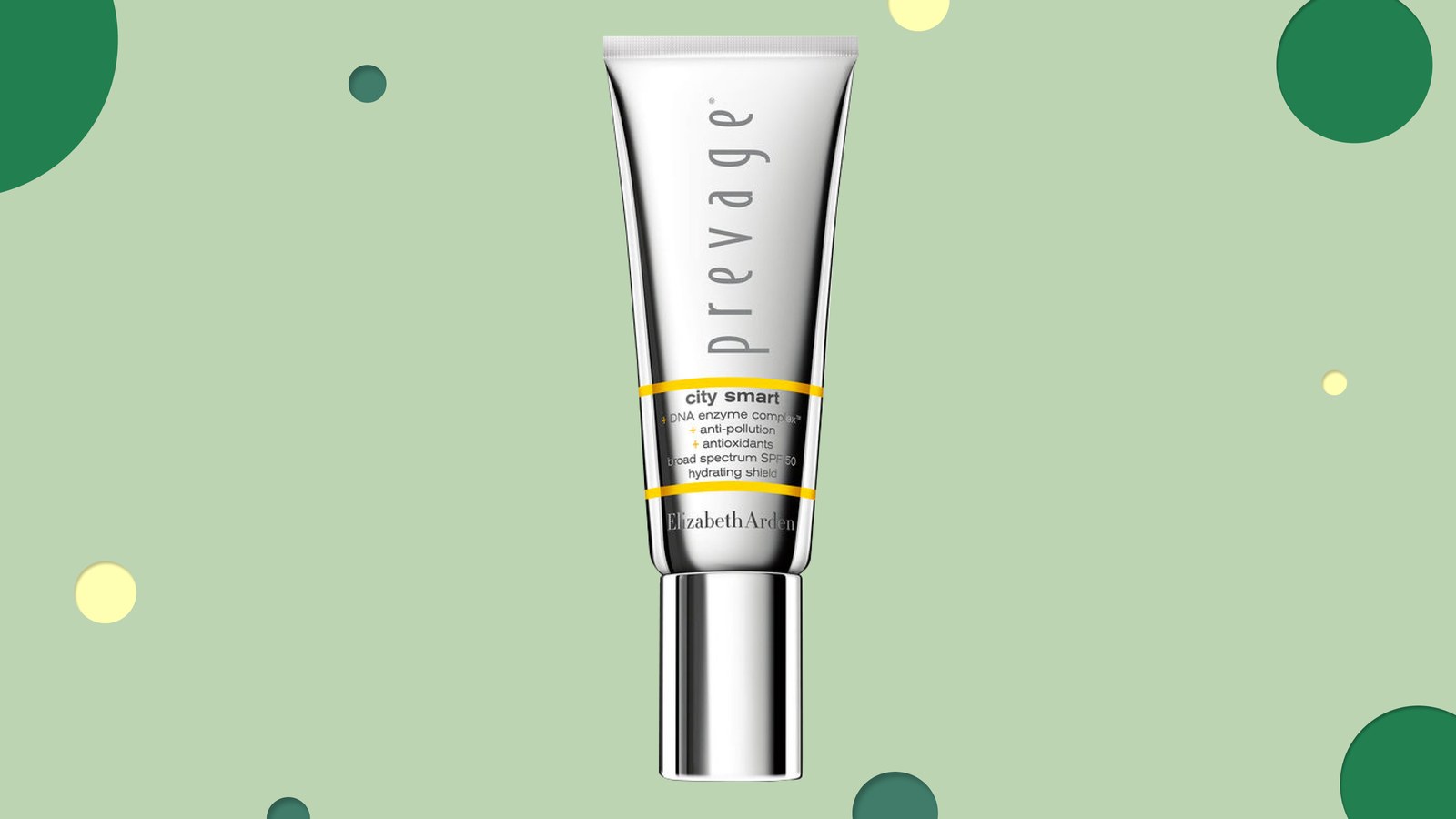
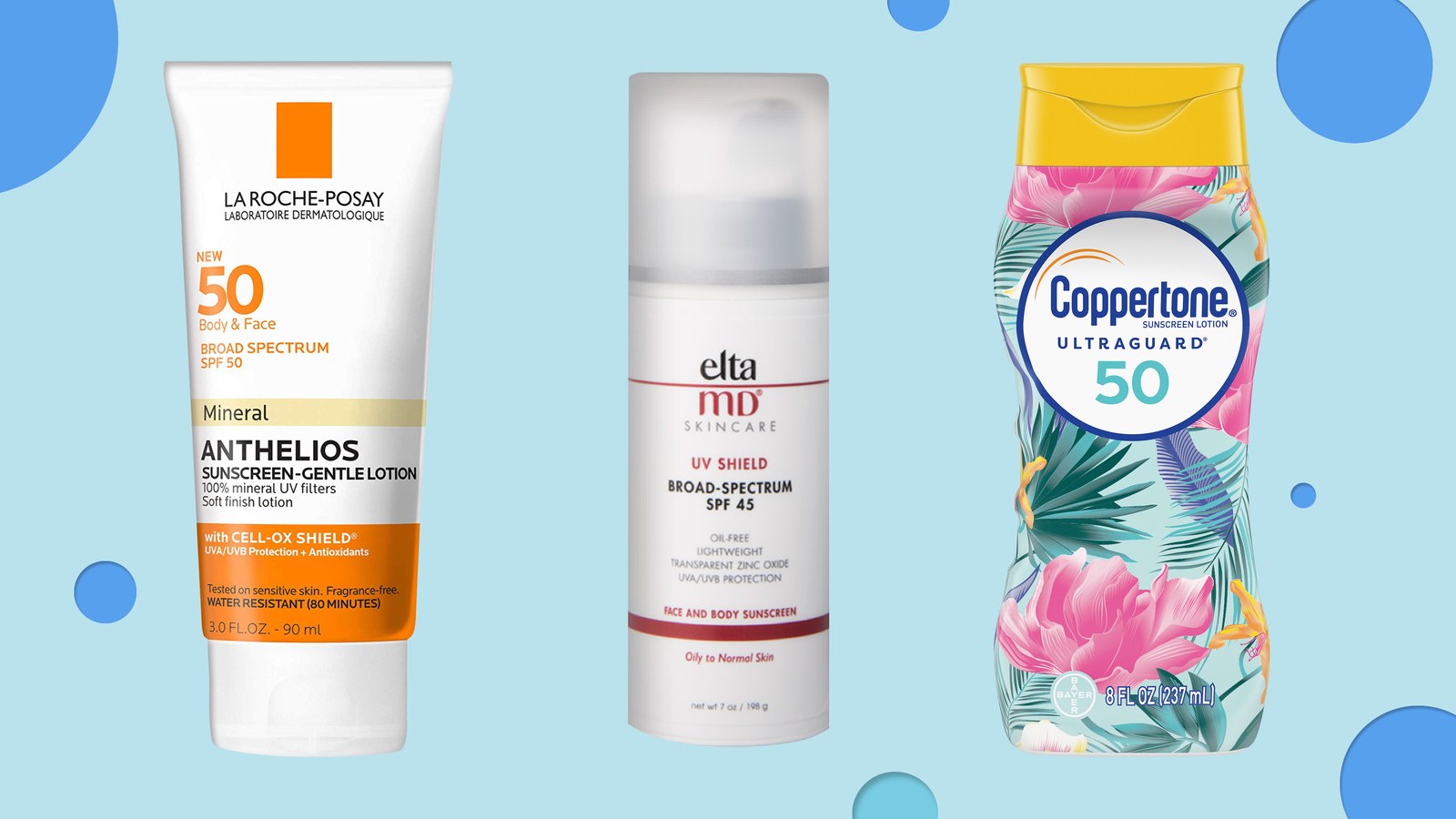
Which sunscreen you choose comes down to personal preference, but derms stand by these wise words: The best type of sunscreen is the one you will use. To help take out the guesswork, we asked Glamour editors to test just about every formula under the sun to report back on which ones fit the bill. Ahead, the best sunscreens you’ll actually want to wear this summer.
Source link