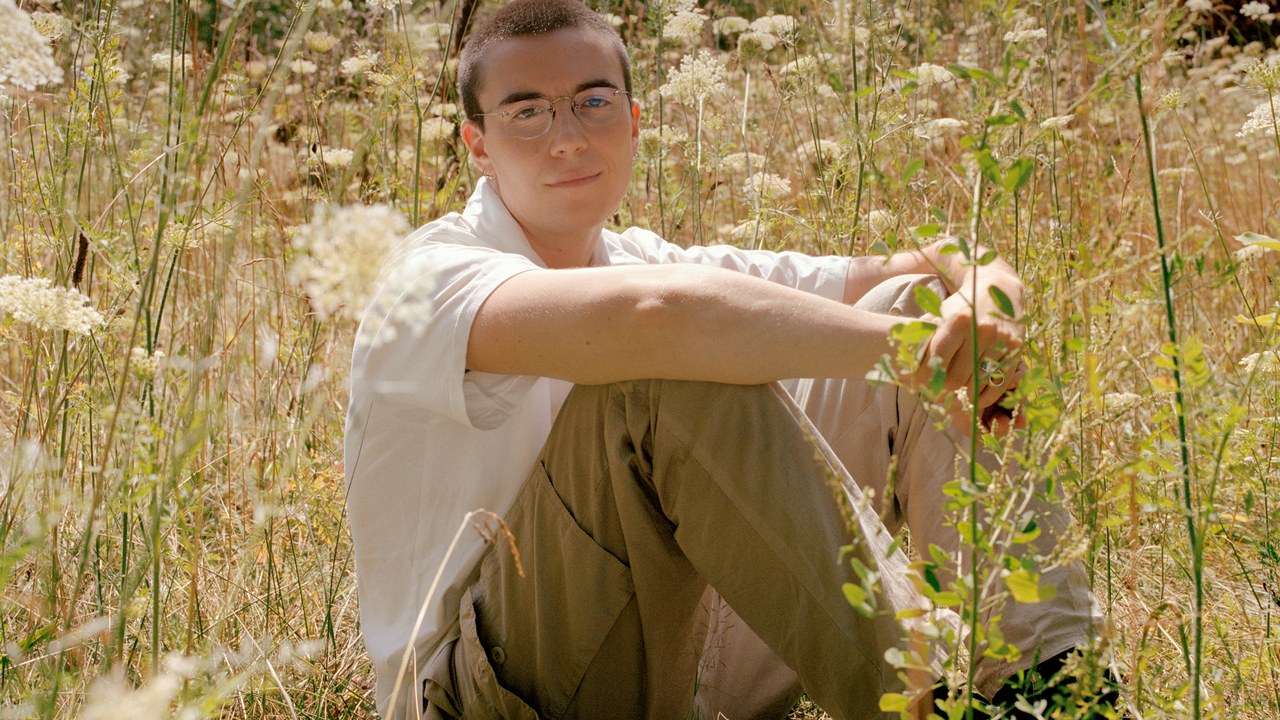
As another wedding season comes to a close, maybe you noticed a trend among the ceremonies this year—a quiet, formalwear-fueled rebellion against antiquated gender norms taking place at weddings across the United States. Bridesmen, groomswomen, best women, wedding squads, and bride tribes are replacing traditionally rigid, women-on-one-side, men-on-the-other wedding parties, with a range of special day attendants that break the binary.
Take the couple Molly Conway and her now-husband, Win Wallace, from Oakland, California. In order to incorporate their diverse group of friends into their ceremony, the couple knew they didn’t want the women and men standing apart from one another. “We have so many mutual friends—a community that we’ve built together—that we didn’t even want to approach the question of who belongs on which side,” says Conway. “It would have been a mess.” Instead, Conway’s best friend, Mickey, was dubbed the Captain of the Guard, while Conway’s sister-in-law was named Wallace’s Man of Honor. The wedding party of fourteen people entered as a group—“Rather than doing the Noah’s Ark, two-by-two dance,” she says—singing along to the Beatles’ “Ob-La-Di, Ob-La-Da” and wearing whatever made them feel comfortable (though no pastels).
“It’s becoming more of a norm to stray away from wedding traditions that don’t quite live up to the modern age we are living in,” says Jen Glantz, author of Always a Bridesmaid for Hire. The professional bridesmaid, who attends at least twenty weddings a year, has yet to stand on a groom’s side, though she has seen a “huge increase” in the past year of nongendered bride and groom attendants. “Instead of choosing people [for their wedding parties] based on gender, people are choosing people based on their relationships to them,” Glantz says. “The rule that men have to just be groomsmen and female friends have to just be bridesmaids has gone out the door.”
A “bridesmaid” wearing a pantsuit can be a powerful, visual challenge to what some see as an outdated tradition.
When husbands Marc and Matt Sherwin planned their wedding in Charleston, South Carolina, in 2014, the couple defaulted to a mixed-gender wedding party out of necessity, since there was no “bride’s side” for the closest women in their lives to stand on. “We weren’t trying to change up [tradition], but we had people in our lives—our closest friends and siblings—we wanted in our wedding party,” Marc said. Both men and women stood on the side of their respective friends, Marc’s attendants wearing navy and Matt’s in gray. Matt’s sister, whom he called his Best Maid, was the only woman to wear a long gown.
Weddings are a symbol of love and family, and challenging traditions can further encourage conversations about family structure and gender roles. A “bridesmaid” wearing a pantsuit can be a powerful, visual challenge to what some see as an outdated tradition. Though it may not always feel like it, ideas about what marriages look like have changed, and more and more weddings are starting to reflect that progress.
Those outdated notions are further challenged by the legalization of gay marriage and the rise of LGBTQ visibility. “Queer relationships have been at the forefront of dismantling gender norms in terms of egalitarianism in relationships, our society, and what a wedding looks like,” says Anita Dolce Vita, founder of the queer style and empowerment website DapperQ, which covers everything from LGBT weddings to androgynous designers. Dolce Vita also adds that she thinks “eliminating oppressive and very limiting binary norms” can help bring more equality to other facets of life, such as the workplace.
While many couples, regardless of their identites or sexualities, do away with heteronormative traditions on their wedding days (a friend of mine recently wrote “The Patriarchy” on the glass she and her husband smashed under their wedding chuppah), the reality of having opposite-sex friends, or friends who don’t fit within a gender binary, may further push couples to reconsider the roles their wedding attendants will play. Bridesmaids can wear suits, bridesmen can wear suits, groomswomen can wear suits—the look of bridal parties is transforming to include everyone.
“The rule that men have to be groomsmen and women have to be bridesmaids has gone out the door.”
“There’s a spectrum within gender—your masculine friend who is a woman doesn’t want to be a maid,” said Kirsten Palladino, founder of EquallyWed.com, an LGBTQ+ wedding site. “I’ve seen an evolution in the last 10 years of couples letting attendants choose outfits that are most comfortable to them, letting attendants speak to their identity rather than forcing a masculine woman into a chiffon gown that doesn’t fit with who she is in her everyday life.”
As wedding parties become more diversified, other gendered wedding traditions are also being redefined. Paladino says she sees couples decline to dance with an opposite-sex parent, have their adult friends take on the roles of the flower child or ring bearer, and host couple-centric wedding showers.
For Karly* of Joplin, Missouri, an invitation to stand on her male friend’s side at his heterosexual wedding was a welcome change from bridal parties past. “When Tim* asked me to be his best man, I thought it was understood I would be on the groom’s side,” she said. As a self-described “slacks and button-downs kind of lady” who doesn’t typically wear dresses, Karly felt relieved to wear a tux with a boutonniere like the rest of the groomsmen. As Tim’s best man, Karly also helped plan the bachelor party, spent the wedding day with the traditionally all-male groom’s side of the party, and escorted a bridesmaid down the aisle. She’s looking forward to wearing suspenders and a bow tie in another wedding she’s been asked to stand in later this year.
Glantz believes that nontraditional wedding parties could soon totally replace the traditional setup. In a few years, she says, people “won’t even question” mixing genders during the ceremony, “[it] will just be what we do.” And as restrictive traditions about gender norms become obsolete, the idea of sequestering loved ones by any metric will disappear, making each wedding even more personal, unique, and focused on the couple getting hitched. And isn’t that the point anyway?
*Names have been changed where indicated.
More from Glamour:
—For Millennials, Eloping Is the New Lavish Wedding
—Wonder Woman Officiated a Gay Wedding, and the Internet Is Obsessed
—This Insanely Gorgeous South African Safari Wedding Will Make You Want to Elope
Source link