Categories
Health

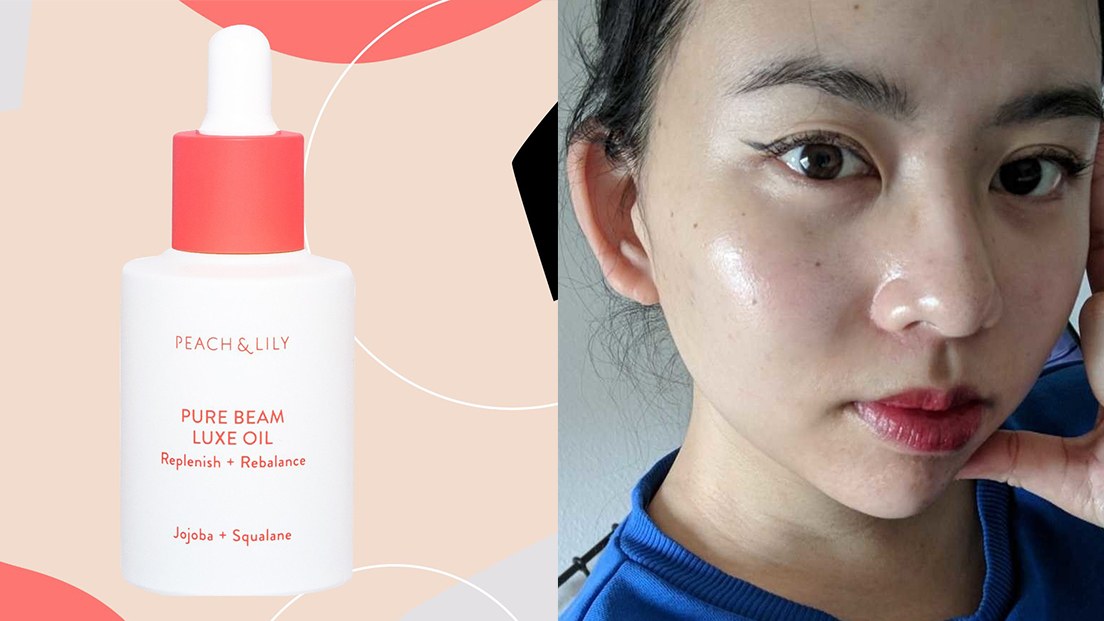
How to Get 'Glass Skin' – I Tried the K-Beauty Skin Care Routine


In certain circles, where the difference between ampoules and essences needs no explanation and double cleansing is practically religion, “glass skin” is a term you’ll hear spoken in reverent terms. It’s a phrase that originated on the K-beauty scene and quickly went viral on social media and used to describe a complexion so luminous and poreless, it could be modeled from glass.

I’ve scrolled through plenty of pictures depicting the awe-inspiring results of a glass skin routine—and even once tried to fake it with a single highlighter-serum hybrid. The results of that experiment were successful, but my skin beneath the iridescent liquid was still my regular skin (in pretty good shape, but hardly mirrorlike).

When Peach and Lily founder, Alicia Yoon, recently asked me if I had tried a complete glass skin routine before, I saw my chance to finally attain the reflective cheekbones of my dreams. I’ve known Yoon for a long time, and let me tell you, the woman has no pores and always manages to look the exact right amount of dewy. If I were to have someone guide my foray into this radiant land, she was the ideal candidate.

There was just one caveat: somewhere during the past month, I had gotten complacent where beauty was concerned. My laziness crept up on me subversively, rearing its head only when I opened Yoon’s email and immediately gulped. The screen was crowded with lines and lines of meticulously detailed sentences that outlined the precise steps I should take starting from the moment I woke up.

She encouraged me to think of the process “as a meal plan—giving your skin the 360-degree care it needs to thrive: proper cleansing, exfoliating, balancing, antioxidants, humectants, vitamins, minerals, fatty acids, and protection!” My actual meal plan is about 75 percent croissants, and baguette-shaped blood cells flow through my veins, so we were perhaps on different pages about that one. Nevertheless, slathering my face in assorted creams and serums is literally my job, so I persevered.

While the experiment Yoon had me run through consists of 11 different products, she stresses that it’s not necessary to purchase that many things to duplicate the results. “It’s not so much about the number of steps, but what your skin needs to be at its absolutely healthiest,” she says. “Cleanse properly; either double cleanse or use a cleanser that can both dissolve makeup and remove water-based impurities. Balance your skin’s pH with a toner. And hydrate, hydrate, hydrate.”

Drenching your skin in moisture is the hallmark of this approach; it’s what gives your face that liquid highlighter (without actually using a drop of highlighter) glow. There are other things you should add too: sunscreen, exfoliants, and face masks. The most important thing, according to Yoon, is to keep everything gentle. “Don’t overdo it with too many acids or harsh actives,” she advises. “In the long run, your skin will get inflamed.” Check your ingredients labels. If you’re using products with vitamin C, be very careful about cocktailing them with high concentrations of AHAs, BHAs, or retinol.

I followed the routine below for a full week (Yoon estimates you need anywhere between one to three weeks to see “profound results”). However, I will prematurely reveal that I was already impressed after only seven days. So when you see the results below, imagine them given additional time. (You may have to sit down for that one.) My arsenal of topicals would have been completely overwhelming if not for the accompanying instructions, so I will now selflessly bequeath them to you.


Source link

Categories
Health

This K-Beauty Face Cleanser Is So Popular, One Sells Every 3.1 Seconds


Out of all the products in the wide world of skin care, the general consensus is that your cleanser doesn’t matter a ton. Don’t write it off altogether, because washing the sweat, dirt, oil, and pollution off your face at the end of the day does make a difference. But when it comes to spending your money, pricey cleansers usually aren’t worth it, because it’s on your face for about four seconds before you wash it down the drain. One exception is Banila Co.’s $21 Clean It Zero balm cleanser, which earns a second look based on its eye-popping stats alone.

The original Clean It Zero is a thing of lore in K-beauty communities. On review sites, it rakes in five star reviews by the hundreds, and glowing praise for its gentle but thorough cleansing power. (Scroll through and you’ll repeats of “It smells soooo good!” “It literally melts makeup away” and “My skin feels so soft!” by the dozens.) According to the brand, the oil balm’s sales back up the raves; one is sold every 3.1 seconds, which is a crazy stat to wrap your head around. However, despite the cleanser’s best-seller status, the brand recently reformulated and re-released it as a new line of concern-targeting cleansers.

Gone are the turquoise tubs and swirly script, replaced by effervescently glowing tubs in pastel shades. The original formula now comes in a pink tub, the “purifying” one in purple, “revitalizing” in green, and “nourishing” in yellow.

Real beauty goes beyond the surface—and so do we. Sign up for our newsletter to get honest reviews, personal essays, and more every day.

Marketing euphemisms can be tough to translate (what really is the difference between revitalizing and nourishing?), so we went straight to Nadia Kanwal, Senior Marketing and Digital Manager for Banila Co., for an orientation. The best-selling original was made with “normal” skin in mind, so if you see the odd zit but don’t deal with off the charts oil or dryness, the cleanser focuses on brightening your skin with Vitamin C from acerola extracts. It’s a kind of cherry with 134 percent of your daily Vitamin C requirements, so the stuff is strong.

Purifying usually refers to a formula that sucks gunk out of your skin, but not here. Instead, the purple-tub formula focuses on soothing with an overload of herbs. Among them are green tea, chamomile, and centella, each of which calms down inflammation. The yellow nourishing formula makes the most color-coordinated sense; it draws on royal jelly, a moisturizing bee byproduct, and ginseng berry—which has great antioxidant properties.

Last up is the revitalizing formula, which Kanwal says is the best fit for oily and combination skin. A combination of resveratrol and grape seed helps with blood circulation and your oil-moisture balance, so along with a good face massage, you can get your blood flowing (which then keeps your skin soft and plump).

While Kanwal says going by skin types is helpful as a general guide, the solution-based approach seems like the way ahead. So if your skin type has always been a shifty, hard-to-pin-down mystery, just go by the results you want to see. Judging by the growing number of skin care products focused on treating your obstacles over your skin type, they might be onto something.

Related Stories:
Why You’re Probably Overwashing Your Face
At the Korean Spa, $40 Gets Me a Body Scrub and Self-Acceptance
I Worked Out My Face for a Week, and It Was Exhausting


Source link