If you make a Greek yogurt parfait, include berries, a tablespoon of unsweetened nut butter, and a few walnuts on top for the full effect.
10. Pomegranates
As an extra-flavorful topper, Becker reaches for pomegranates. “Antioxidant-rich pomegranates are also rich in many nutrients, including vitamin C, vitamin K, folate, and several other vitamins and minerals that aid in fertility,” she says.
It’s really easy to enjoy them too. Simply sprinkle them onto your oatmeal or Greek yogurt in the morning, or enjoy them plain, she says. You can also enjoy them on top of that salmon and spinach salad.
11. Eggs
Eggs are a great source of protein, and they can also help boost your fertility. “Eggs are rich in choline, which studies have shown can have significant positive effects on fetal development,” says Becker.
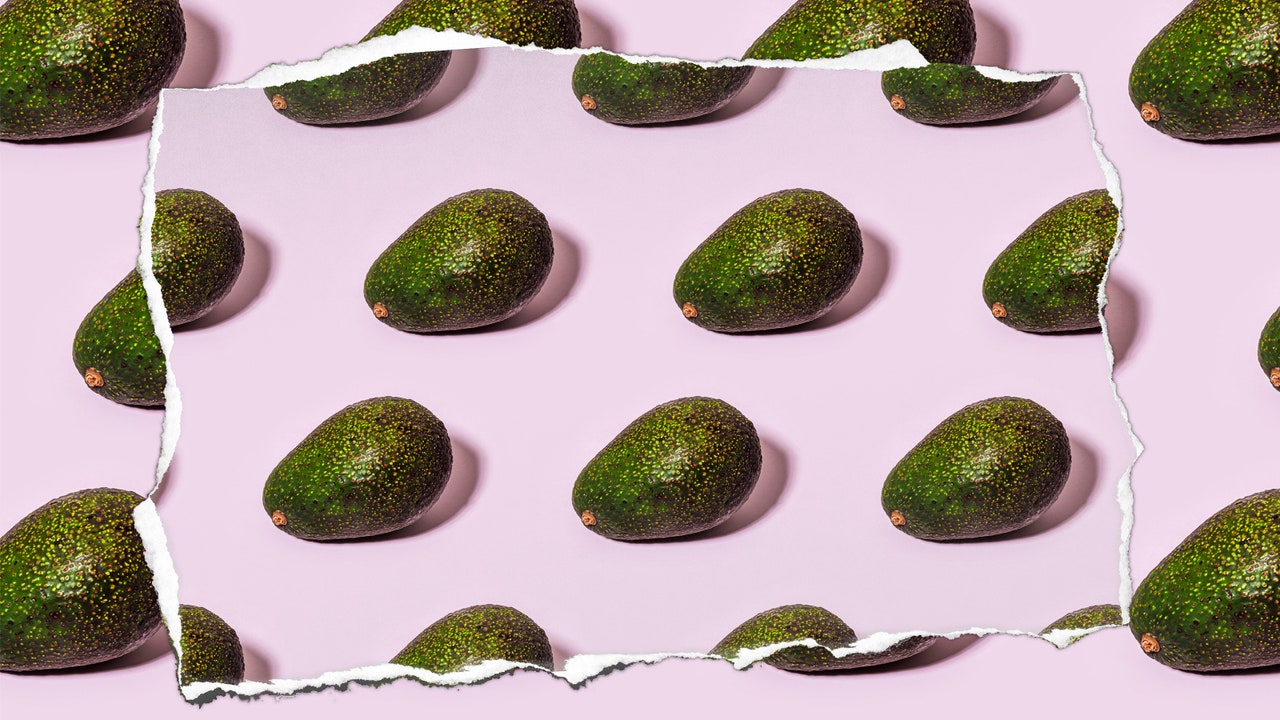
The easiest way to have them is first thing in the morning. “Supercharge your breakfast with a veggie-packed omelet or an egg baked inside of half an avocado,” Becker recommends. Just make sure you avoid the egg-white omelet option and never skip the yolk, she says, since that’s “where all of the good nutrients are.”
12. Bee Pollen
Bee pollen is another fertility food that’s great for reproductive health in both men and women. “Bee pollen has shown promise to promote sperm quantity and help boost fertility in women,” says Williams. “But make sure you get your bee pollen from a reputable source to ensure efficiency.”
While you can take it on its own, Williams says, it can also be added to smoothies “and used as a topping to your favorite parfait and breakfast bowl.” So get out your Greek yogurt and add the bee pollen.
13. Maca
Another food to add to your fertility diet is maca. “Superfoods like Peruvian maca may even boost sperm count,” says Williams.
This one might be best for your partner for that reason, but it certainly can’t help to incorporate some into both of your diets. A great way to do it is by adding it to your healthy smoothie for breakfast, along with avocado, spinach and maybe even a bit of Greek yogurt and bee pollen. Since it has a slightly bitter nature, Williams says, this is a great way to have your maca and eat it too.
14. Eggs
Eggs are one of the most nutrient dense foods that exist, especially eggs from pastured hens. They are abundant in fertility-enhancing omega-3 fatty acids, vitamin A, vitamin E, and choline—a nutrient that helps fetal brain development. Eat 8-12 eggs per week to get enough choline in your diet, and if you can, get organic eggs from pastured hens.
15. Asparagus
Folic acid is critical for women who are trying to get pregnant and asparagus is full of it: One cup of asparagus gets you more than half of your daily recommended dose of folic acid, plus all your daily vitamin K. Asparagus also contains glutathione, an antioxidant which improves egg quality. So stock up on asparagus—and opt for fresh or frozen, if possible, since canned asparagus has a lot of sodium.
16. Watermelon
Watermelon is another solid source of glutathione. It’s also known to help alleviate morning sickness, heartburn, swelling, and even third-trimester cramps, so it’s a good thing to keep on your plate even after you get pregnant. Watermelon also helps male fertility, since it contains lycopen—an antioxidant that helps sperm motility.
17. Liver
Contrary to popular belief, liver is not the “toxic organ,” rather it is the “detoxifier.” The liver helps remove impurities from one’s system, but it does not hold onto those impurities. It can help women get pregnant because it’s an amazing source of folate (the active form of folic acid), all your B vitamins, choline and loads of antioxidants like inositol (which has been shown to improve egg quality in women undergoing In Vitro Fertilization procedures). Add three ounces of liver to your diet per week, or if you can’t imagine eating liver, you can take it as a supplement in a pill form.
18. Cod Liver Oil
Cod liver oil is technically an oil from fish, but it’s different from regular old fish oil. Both fish oil and cod liver oil are great sources of omega-3 fatty acids, however cod liver oil also contains vitamins A and D, which are fat soluble vitamins important to fertility and conception. If you’re suffering from a vitamin D deficiency (and many people are), reach for cod liver oil instead of fish oil. You can take cod liver oil in capsule or liquid form daily—and be sure to take an amount that delivers 2,000 IUs of vitamin D.
19. Sunflower Seeds
Male fertility can get a boost from sunflower seeds, which are great for improving sperm motility and sperm count. It’s easy to get more in your diet—sprinkle sunflower seeds on salads or try a sunflower seed butter slathered on toast.
Now that you know the foods that increase your fertility, check out the foods you should avoid if you’re trying to get pregnant.