
Emergency room doctors at the Children’s Hospital of Eastern Ontario will be talking to every parent or guardian that visits them about the possibility their child’s health issues could have been treated elsewhere.
A news release from the hospital on Wednesday said their new “Choose Wisely” program is coming after an internal study showed an average of 80 to 100 of their 200 emergency room visits per day could have been managed “safely and effectively” by a family doctor.
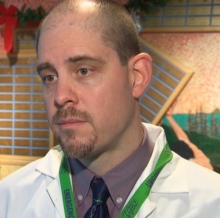
Dr. Ken Farion says they’ll wait until after a child’s health issues are taken care of before talking to parents about whether they could have gone somewhere else for help. (CBC News)
“We need to be there for the truly sick and injured children of our region who rely on CHEO for the care they need,” said the study’s author Dr.Ken Farion in an interview.
“When we’re kind of clogged up with others who may not need to be there then we’re potentially compromising the care of others.”
CHEO also said the number of emergency room visits has grown steadily over the last five years to more than 72,000 in 2014 and that emergency room visits cost the health care system more money than seeing a family doctor or visiting a walk-in clinic.
Dr. Farion said in the news release this is an issue that is happening at pediatric emergency rooms across the country.
Doctors will follow up right after visit
The news release said CHEO doctors will let the parent or guardian who brings a child to their emergency room know about how serious the ailment is: non-urgent, urgent or life-threatening.
The doctors will talk to parents about health issues that can be handled at home or with a family doctor and will also have handouts that will help parents decide “when a fever, injury or common symptom is an emergency” according to the news release.
“We’re waiting until the end of the visit when we’ve had a chance to fully assess the child and to address all concerns and questions then having the conversation about the next time,” Dr. Farion said.
“It’s not about today’s visit, they’re already there… (we want to) give them a sense of where their visit lies on the scale of all the things we see.”
Those issues include fevers in healthy, vaccinated and generally well children who are using acetaminophen or ibuprofen to bring their temperature down, breathing problems related to a cold or mild asthma that are being managed with puffers and vomiting or diarrhea that happens less than three to four times a day.


