Britain’s upcoming election is all about economic and social issues and is a once-in-a-generation chance to transform the country, Labour Party Leader Jeremy Corbyn said Thursday as he kicked off his party’s six-week election campaign.
Corbyn outlined the party’s plan to take on the “vested interests” that he said are hurting ordinary people, as he attempted to move the election battle away from the political turmoil swirling around Britain’s departure from the European Union.
Returning to his party’s core issues, Corbyn named prominent business leaders including media mogul Rupert Murdoch and industries that pollute as he made his first stump speech for the Dec. 12 general election.
“We’re going after the tax dodgers. We’re going after the dodgy landlords. We’re going after the bad bosses. We’re going after the big polluters. Because we know whose side we’re on,” Corbyn told supporters at a rally in London. “Whose side are you on?”
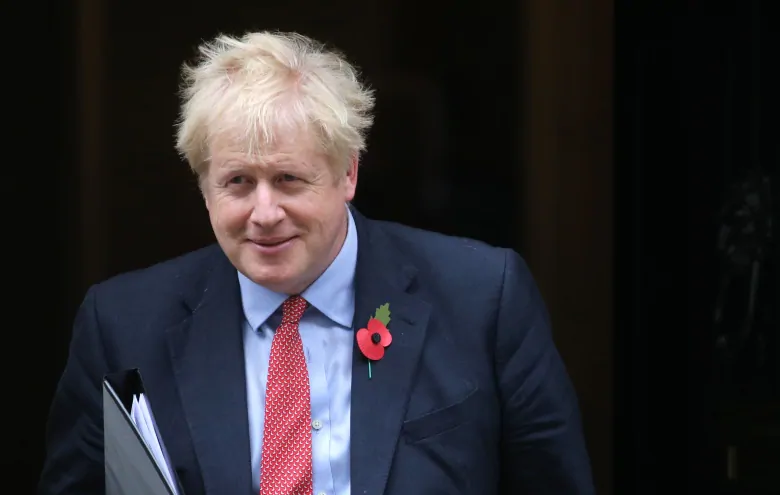
Prime Minister Boris Johnson, head of the Conservative Party, sought the Dec. 12 election to break the parliamentary deadlock over Brexit. He plans to campaign as a Brexit champion and blame Corbyn for Johnson’s failure to meet his “do or die” promise to leave the EU by the long-scheduled departure date of Thursday.
After Johnson failed to get British lawmakers to pass his Brexit divorce deal with the bloc, the EU granted Britain a three-month delay, setting a Jan. 31 departure date.
“Today should have been the day that Brexit was delivered and we finally left the EU,” Johnson planned to say Thursday, according to his office. “But despite the great new deal I agreed with the EU, Jeremy Corbyn refused to allow that to happen — insisting upon more dither, more delay and more uncertainty for families and business.”
Labour is calculating that voters want to talk about issues such as health care, the environment and social welfare — all of which saw years of funding cuts by Conservative governments — instead of more Brexit debates.
The party is divided between those such as Corbyn, who are determined to go through with Brexit, and others who want to remain in the EU. After much internal wrangling, Labour now says if it wins the election, it will negotiate a better withdrawal agreement with the EU, then call a referendum where voters will be able to choose between that deal and remaining in the bloc. It has not said which side it would support.
“The prime minister wants you to believe that we’re having this election because Brexit is being blocked by an establishment elite,” Corbyn said. “People aren’t fooled so easily. They know the Conservatives are the establishment elite.”
EU leaders, meanwhile, have said that they are not in favour of any more Brexit delays and urged British politicians to use the next three months wisely.
While Johnson’s Conservative Party has a wide lead in most opinion polls, analysts say the election is unpredictable because Brexit cuts across traditional party loyalties. For many voters, their identities as “leavers” or “remainers” are more important than party affiliation.
All seats in the 650-seat House of Commons will be up for grabs, chosen by Britain’s 46 million eligible voters.
Britain’s toxic political atmosphere is also prompting some longtime lawmakers to drop out of the race altogether. Culture Secretary Nicky Morgan of the Conservative Party is among those opting out, citing the abuse she had received over Brexit.
All parties worry that they could be hurt by voters’ Brexit fatigue.

Britons are facing the third major electoral event in as many years, after the country’s 2016 EU membership referendum and a 2017 election called by Johnson’s predecessor Theresa May to try to boost the Conservatives’ majority and strengthen her hand in negotiations with the EU.
May’s move was a spectacular miscalculation that cost the Conservative Party its majority in Parliament. It left her unable to get her Brexit divorce plan passed by Parliament, leading to her resignation and the rise of a new prime minister, Johnson, who took power in July.